

If you’re looking for the perfect balance of compact size and versatile use, a 10 × 10 shed (3x3m) in Australia made from Colorbond steel offers an exceptional garden and storage solution in 2025. This comprehensive buyer’s guide will equip you with up-to-date insights on dimensions, materials, compliance, installation, pricing, and maintenance tailored specifically for the Australian market.
Whether you need a reliable potting shed, tool storage space, or seasonal equipment protection, this guide covers everything necessary to make a confident and informed purchase tailored to your garden and storage requirements.
Introduction to the 10 × 10 (3x3m) Colorbond Shed in Australia
Why Choose a 10 × 10 Shed for Garden and Storage Needs?
The 10×10 shed, measuring 3 meters by 3 meters, delivers a perfect footprint for homeowners wanting a practical, multi-functional outdoor space without sacrificing too much backyard real estate. Its compact size efficiently accommodates garden tools, potting benches, furniture storage, and seasonal equipment—offering both flexibility and ease of organisation.
For Australian homeowners, this size meets common council exemption limits for smaller sheds, making approval processes more straightforward in many regions. Its versatility allows users to transition smoothly between garden-focused activities and storage needs, making it an increasingly popular choice across urban and suburban areas.
For more comprehensive advice on garden sheds in Australia, see our Australian Garden Shed Buyer’s Guide 2025.
Overview of Colorbond Steel and Its Benefits
Colorbond steel is a premium Australian-made steel product renowned for its durability, corrosion resistance, and broad palette of colours designed for outdoor structures. Its lightweight yet strong properties make it ideal for garden sheds that face harsh Australian climates—ranging from coastal salt exposure to interior heat extremes.
Key advantages include built-in weatherproofing, resistance to rust, and design flexibility, allowing manufacturers to create aesthetically pleasing sheds that complement modern homes and gardens alike.
2025 Market Trends for Compact Garden & Storage Sheds
In 2025, demand for compact, efficient storage solutions continues to rise, partly driven by tighter backyard spaces and a growing interest in garden hobbies due to increased home-centric lifestyles.
Innovations in steel finishes, eco-friendly production methods, and improved modular shed designs have positioned the 10×10 Colorbond shed as a market leader. Buyers now expect integrated features such as better insulation options, upgraded ventilation, and expanded customisation choices with quick installation turnarounds.
These trends underscore why the 3x3m shed remains sought after for balancing size, compliance, and functionality.
Dimensions, Layout Planning & Versatile Uses of a 10 × 10 Shed
Detailed Dimensions and Interior Space Breakdown
The external 3m by 3m footprint typically provides approximately 8.5 to 9 square meters of internal floor space, once wall thickness and door frames are accounted for. This translates to around 2.7m usable width and length inside, with ceiling heights ranging from 2.1m to 2.4m depending on roof style (gable or skillion).
This size is ideal for compact storage but still allows reasonable walking space inside for accessing stored items or garden work.
Multi-Use Layout Ideas: Combining Garden and Storage Functions
- Tool Wall Storage: Mount pegboards or slat walls along one side to keep gardening tools accessible and organised.
- Potting Bench Zone: Allocate a corner for potting soil, pots, and seed trays with overhead shelves for smaller items.
- Seasonal Furniture Storage: Use stackable shelves for patio cushions and outdoor furniture covers during off-seasons.
- Bike & Equipment Storage: Install hooks or ceiling racks for bikes or ladders, optimising vertical space.
- Workspace Area: Incorporate fold-down workbenches to convert storage space into garden project zones.
Organisation Tips for Maximising the 3m x 3m Footprint
- Use vertical storage solutions with hooks and shelving to free floor area.
- Select stackable, clear plastic bins with labels to simplify access and visibility.
- Integrate magnetic strips for small metal tools or parts to reduce clutter.
- Consider corner shelving to utilise less obvious spaces efficiently.
- Install fold-away furniture or benches to adapt usable space based on current activities.
For those interested in alternative sizing and layout ideas, for larger storage solutions, see our comprehensive guide to 10 x 20 Colorbond steel shed layouts and storage options or the 10×6 Colorbond garden shed storage guides.
Colorbond Steel: Material Features, Colours & Finishes for Garden Aesthetics
What is Colorbond Steel? Composition and Durability
Colorbond steel consists of a high-strength steel base coated with layers of zinc and aluminium/magnesium alloy, finished with a baked-on paint system that incorporates a polymer topcoat. This results in superior corrosion resistance, particularly important in Australia’s diverse climate zones.
Its key durability features include resistance to chipping, peeling, and cracking, with thermal reflective properties helping mitigate heat buildup in summer.
New 2025 Colorbond Palettes & Finishes Ideal for Garden Sheds
| Colour | Description | Garden Suitability |
|---|---|---|
| Basalt® | Deep charcoal grey, modern and sleek | Great for minimalist designs, contrasts well with greenery |
| Woodland Grey® | Soft medium grey, natural appearance | Blends with natural garden elements |
| Surfmist® | Soft off-white, neutral tone | Brightens garden space, reflects heat |
| Classic Cream® | Warm cream tone | Elegant, suits traditional gardens |
| Evening Haze® | Light grey with blue undertones | Modern aesthetic complementing metal accents |
For a detailed comparison, see our pillar content on the Colorbond shed colour palettes and compliance in Australia.
Comparing Colorbond vs Other Shed Materials for Australian Climates
| Material | Durability | Maintenance | Heat Resistance | Cost |
|---|---|---|---|---|
| Colorbond Steel | High – corrosion resistant, strong | Low – requires occasional cleaning | Good – painted coating reflects heat | Mid to High |
| Zincalume Steel | Moderate – less paint protection, prone to surface rust | Moderate – periodic paint touch-ups needed | Moderate | Lower |
| Timber | Variable – weather-dependent | High – regular treatment to prevent rot, insects | Poor – absorbs heat, can warp | Varies |
| Plastic/Resin | Moderate – UV fades over time | Low | Moderate – insulated variants available | Variable |
Colorbond’s superior combination of longevity, maintenance ease, and heat management makes it well-suited for Australian 10 x 10 garden storage sheds.
Australian Building Codes, Council Approvals & Compliance for 10 × 10 Sheds
Understanding Local Council Regulations Specific to 3x3m Sheds
Building codes and council approvals vary by Australian state and local government area but typically, a 10 × 10 (3x3m) shed falls within the threshold of exempt or low-impact structures requiring minimal approval.
However, compliance depends on:
- Permit limits on maximum floor area and height
- Setback requirements from boundaries
- Compliance with local planning schemes and heritage overlays
- Wind and cyclone rating zones according to geographic location
- Easement or utility line restrictions
Confirm the requirements early by consulting your local council or state government websites. Notably, 10×10 Colorbond sheds are popular for meeting the barn sheds Australia building regulations exemption criteria.
Steps to Obtain Building Approval and When It’s Required
- Consult local council’s building department for shed permit guidelines.
- Prepare documentation including site plans, shed specifications, and compliance certificates.
- Submit a building application if required; smaller sheds may be exempt but still need neighbour notification depending on council.
- Await approval and adhere strictly to any imposed conditions.
- Notify council post-installation where required to confirm compliance.
Applying for a building permit may seem onerous but ensures legal compliance and protects property value and insurance.
Compliance with Wind Ratings, Cyclone Zones, and Other Standards
Australian sheds must comply with AS/NZS 1170 standards for wind load, especially in cyclone-prone areas such as Queensland, Northern NSW, or parts of WA. A 10 × 10 Colorbond shed typically requires a structural engineer’s certification in high-risk zones.
Understanding your local shed requirements and building permits in detail is essential. For sheds sized similarly to 10×10, reviewing the 12 x 8 shed council approval and cost considerations article provides complementary insights.
Learn more about risks of unapproved buildings at Risks of building sheds without council approval in Australia.
For more information on compliance with similar shed footprints, consult the 6mx3m custom Colorbond sheds, pricing and approvals guide.
Installation Process & Foundations: Best Practices for 10 × 10 Sheds
Recommended Foundation Types Suitable for Compact Colorbond Sheds
- Concrete slab: Offers durability, termite resistance, and flat, solid footing but requires professional installation.
- Timber bearers with pier footings: Provides airflow beneath the shed, easier installation but susceptible to moisture over time.
- Compact gravel base with paving: Economical solution suited for lighter sheds but requires precise leveling.
The choice depends on soil conditions, budget, and intended shed use.
Step-by-Step Installation Overview with Essential Tools
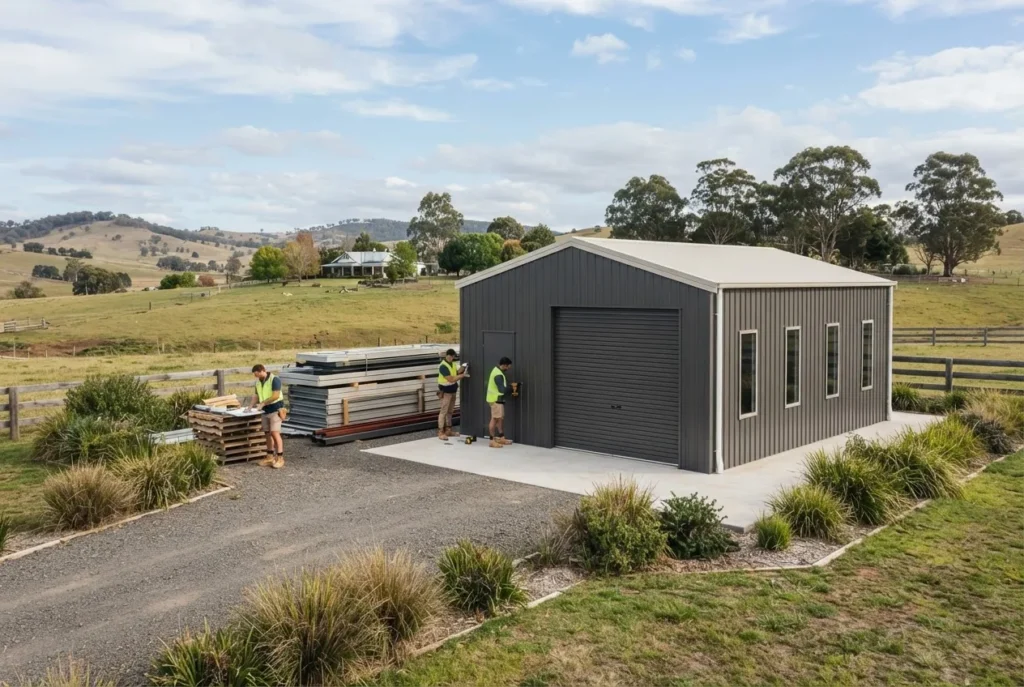
- Prepare and level the foundation area according to chosen type.
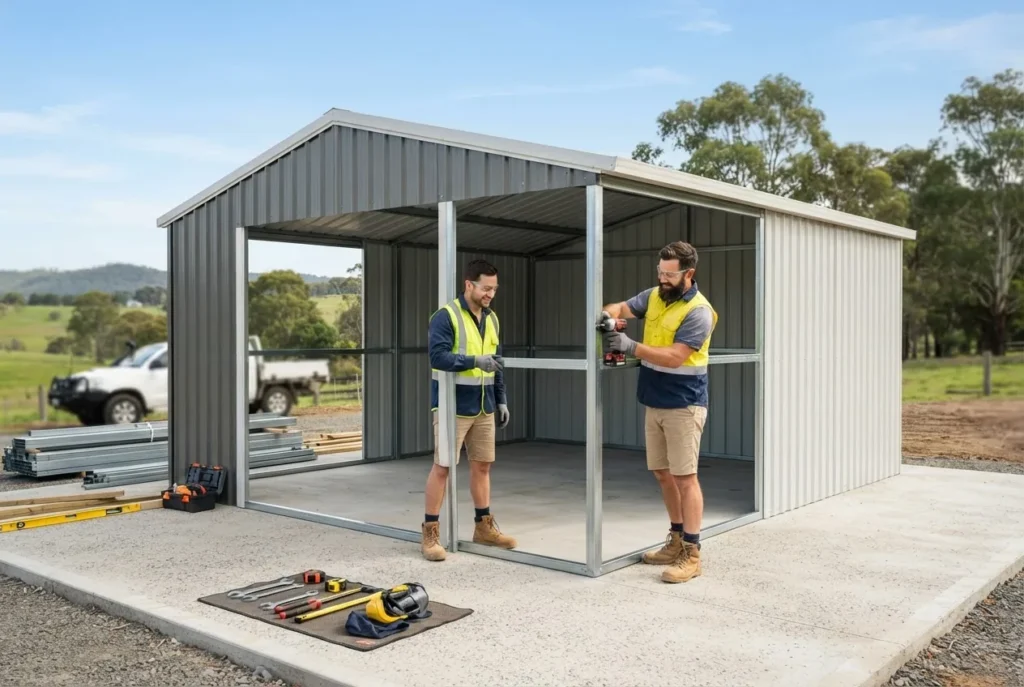
- Assemble shed frame per manufacturer’s specifications, ensuring proper anchoring.
- Install wall and roof Colorbond panels carefully to avoid scratching.
- Fit doors, windows, and ventilation systems to manufacturer and council requirements.
- Conduct final checks for waterproofing, structural integrity, and compliance.
Hiring Professionals vs DIY Installation: Pros and Cons
| Aspect | DIY Installation | Professional Installation |
|---|---|---|
| Cost | Lower upfront but may take longer | Higher cost but faster completion |
| Skill requirements | Requires practical skills and tools | Expertise ensures compliance and quality |
| Compliance Risk | Higher if inexperienced | Lower with certified installers |
| Warranty Impact | May affect warranty if not installed per specs | Warranty typically backed by installer |
For further guidance, see Garden shed installation and professional assembly tips in Australia and Shed foundation types and Australian installation guidelines.
Pricing Models, Cost Factors & Budgeting for 10 × 10 Colorbond Sheds in 2025
Breakdown of Typical Costs: Materials, Delivery, Installation, and Permits
| Cost Component | Estimated Range (AUD) |
|---|---|
| Colorbond Shed Kit | $3,500 – $6,000 |
| Delivery & Handling | $250 – $700 |
| Installation (if professional) | $800 – $2,000 |
| Permit Fees | $0 – $500 (varies by council) |
| Foundation Preparation | $500 – $2,000 depending on type |
Factors Influencing Price Variability across Australia
- Material costs fluctuate seasonally and with global supply chains.
- Labour pricing varies widely between metropolitan and regional areas.
- Foundation type and difficulty of site works impact total costs.
- Customised features, such as skylights or shelving, add extra expenses.
Tips for Cost-Effective Purchases Without Compromising Quality
- Compare multiple quotes from local Australian suppliers.
- Consider pre-fabricated kits for lower installation costs.
- Bundle delivery and installation with the same company for discounts.
- Verify if your chosen council exempts permits for 3x3m Colorbond sheds.
- Plan shed accessories and interior organisation products separately to budget effectively.
Additional pricing insights can be found in the Australian Garden Shed Buyer’s Guide 2025.
Maintenance & Longevity of Colorbond 10 × 10 Garden & Storage Sheds
Routine Maintenance Tasks to Extend Shed Lifespan
- Clean exterior with mild detergent and water twice yearly to remove dust and salt residues.
- Inspect for any paint chips or surface corrosion and touch up immediately with recommended Colorbond paint.
- Clear gutters and downpipes to ensure water runoff does not pool around shed base.
- Lubricate door hinges and locks quarterly to prevent rusting.
- Check ventilation openings for blockage to reduce internal condensation.
Handling Common Issues: Rust, Paint Fading, and Weather Damage
Although rare, chips from impacts or scratches can expose steel to rust; prompt repairing prevents accelerated damage. UV degradation may fade colour over many years, but newer 2025 Colorbond finishes include enhanced fade resistance.
Wind damage is usually minimal if sheds are anchored firmly according to council and AS/NZS standards.
Warranty and After-Sales Support from Australian Suppliers
Most Colorbond sheds come with a 10-15 year limited warranty covering corrosion and paint failure. Australian suppliers and manufacturers typically offer customer support for installation guidance and maintenance advice.
Refer to manufacturer technical datasheets or consult with certified installers for warranty specifics. Industry studies, such as those published by the CSIRO, validate Colorbond’s lifecycle performance under Australian environmental conditions.
Local Australian Suppliers and Manufacturers Specialising in 10 × 10 Colorbond Sheds
Leading Brands and Where to Buy in Different States
- Stratco: Nationwide with a strong presence in NSW and VIC, known for durable Colorbond options.
- Bunnings Warehouse: Offers pre-fabricated Colorbond 10×10 kits in multiple locations nationwide.
- Shed Boss: Specialises in customised Colorbond sheds across Queensland and Northern NSW.
- Brooks Steel Buildings: Western Australia – custom design and installation services.
- ABC Sheds: Victoria based, focused on garden and multi-purpose Colorbond sheds.
Customisation Options and Additional Features Offered
- Custom door and window placements
- Colour matching to existing home or fencing
- Insulation and ventilation upgrades
- Internal shelving kits and workbenches
- Security enhancements including reinforced locksets and roller doors
Customer Reviews and Reliability Ratings
Australian consumers generally rate Colorbond 10×10 sheds highly for durability and versatility, with positive feedback about supplier service responsiveness and product longevity. When choosing a supplier, consider verified reviews and warranties.
Explore more supplier networks in the Australian Garden Shed Buyer’s Guide 2025 and regionally focused guides such as Garden Sheds Brisbane.
Practical Use Cases & Benefits: 10×10 Garden Shed vs 10×10 Storage Shed
Garden Shed Applications: Potting, Tool Storage, Furniture Protection
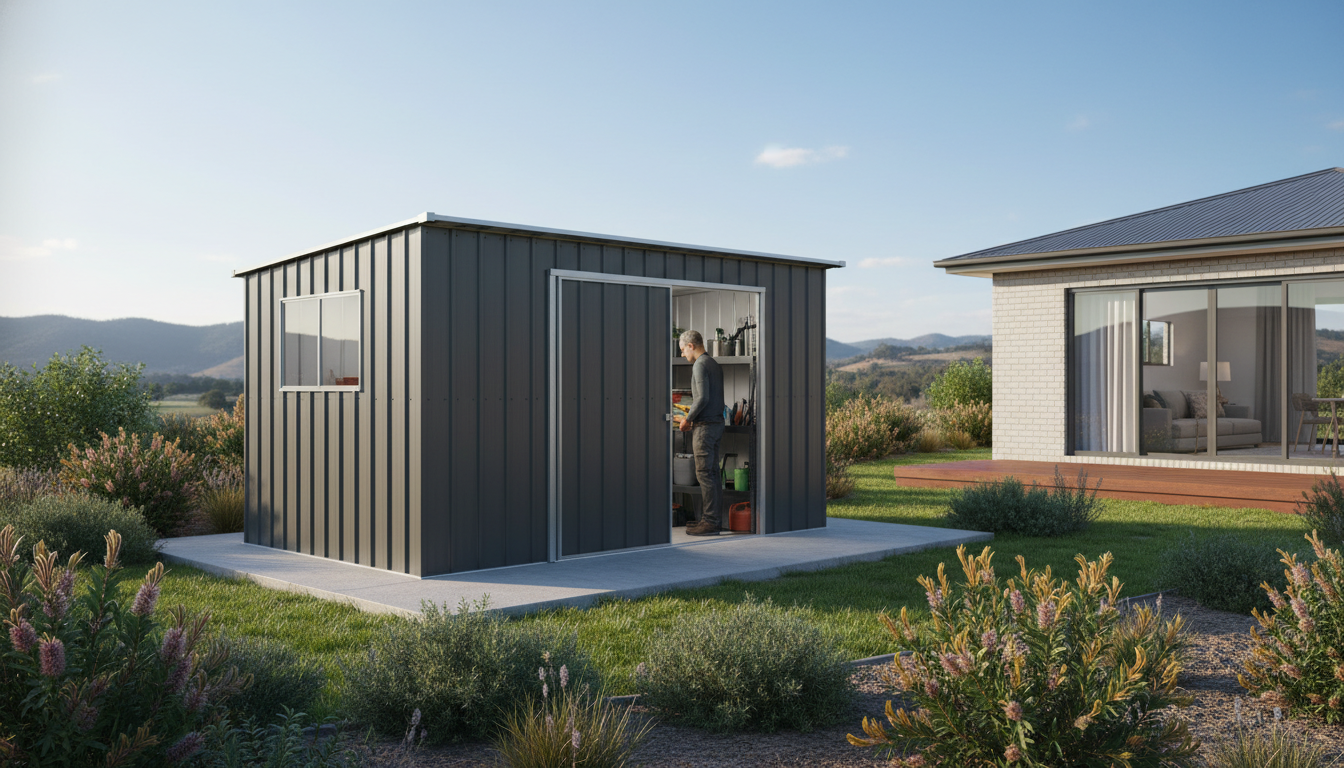
The 3m x 3m size perfectly fits gardening enthusiasts’ needs—organising tools, storing fertilizers and potting mixes, and safeguarding outdoor furniture from weather damage.
Its compactness suits urban gardens where every square meter counts, allowing a small greenhouse bench or seedling trays to coexist with storage racks for seasonal planting equipment.
Storage Shed Uses: Seasonal Equipment, Bike Storage, Emergency Supplies
Besides garden tools, 10×10 buildings serve as secure, weatherproof storage for bicycles, camping gear, holiday decorations, and emergency preparation kits.
Its manageable size enables good organisation without overwhelming the property footprint, maintaining garden aesthetics.
Combining Both: How to Optimise Multi-Purpose Use in a Compact Space
Consider modular shelving, fold-down benches, and separated storage zones to switch effortlessly between gardening and general storage—maximising every square metre.
Side-by-side benefit comparisons highlight why 10 x 20 Colorbond steel shed layouts and storage options or 3 x 3 garden shed pricing and specifications in Australia might suit different needs if you require more space or alternate configurations.
2025 Outlook: Innovations, Trends & Future-Proofing Your 10 × 10 Shed Purchase
Emerging Technologies in Steel Fabrication and Shed Design
Advances include laser-cut precision fabrication, corrosion-resistant coatings with embedded nanotechnology, and modular designs allowing easier onsite assembly and future expansion.
Sustainable Building Practices and Eco-Friendly Colorbond Options
Manufacturers now increasingly use recycled steel content and low-VOC paints, supporting Australian sustainability targets. Buyers can opt for solar-ready sheds or include rainwater harvesting attachments to enhance eco credentials.
Besides standard Colorbond 3×3 sheds, many Australians explore specialized options such as steel frame kits, insulated sheds for temperature control, or timber frame alternatives to suit personal preferences and climates. Detailed reviews and local guides—for example, specialized garden shed reviews or regional buying guides—can provide deeper insights into these variants.
Planning for Future Expansion or Adaptability of Your 10×10 Shed
- Modular wall and roofing systems can be added later without violating council regulations if done correctly.
- Flexible internal fit-outs allow repurposing between storage and hobby spaces as needs evolve.
- Consult with suppliers on upgrade paths and compliance to avoid costly rebuilds.
This forward-looking approach helps ensure your investment in a 10 × 10 Colorbond shed today remains valuable and flexible well into the future.
Conclusion
Choosing the right 10 × 10 shed (3x3m) in Australia involves careful consideration of garden and storage needs, material quality with Colorbond steel, and compliance with local building codes. This guide has outlined critical factors including layout planning, installation options, cost elements, maintenance practices, and trusted suppliers—all updated for 2025.
With the right planning and informed choice, you can enjoy a durable, stylish, and practical shed that meets your outdoor storage and gardening ambitions effortlessly. Ready to find the perfect 10×10 garden & storage Colorbond shed? Begin by assessing your site conditions and connecting with reputable local suppliers to secure quality, value, and peace of mind.
Frequently Asked Questions
What are the key differences between a 10×10 garden shed and a 10×10 storage shed?
A 10×10 garden shed focuses on storing gardening tools, potting supplies, and outdoor furniture, while a 10×10 storage shed is designed for broader uses like seasonal equipment, bikes, and emergency supplies. Garden sheds often include workspace areas, whereas storage sheds prioritise security and organisation.
How does Colorbond steel compare to timber for 10×10 garden sheds in Australia?
Colorbond steel is more durable, corrosion-resistant, and requires less maintenance than timber. It withstands Australian climates better, including heat and moisture. Timber often needs frequent treatments, is prone to warping, and has a shorter lifespan compared to Colorbond steel in garden shed applications.
Why is a 10 × 10 (3x3m) size popular for garden and storage sheds in Australian backyards?
The 10×10 (3x3m) size offers a compact footprint ideal for limited backyard space, balancing usable interior area with easier council approvals. It fits common exemption limits and suits versatile purposes like gardening tasks and general storage without overwhelming outdoor space.
Can a 10×10 Colorbond shed be expanded or modified in the future?
Yes, many 10×10 Colorbond sheds feature modular wall and roof systems that allow future expansions without violating building regulations, provided council approvals are obtained. Flexible internal fit-outs also enable repurposing between storage and hobby uses as needs evolve.
What maintenance is needed to keep a Colorbond 10×10 shed looking good and durable?
Routine maintenance includes cleaning the exterior twice a year, promptly touching up paint chips, clearing gutters, lubricating hinges, and checking ventilation to prevent moisture buildup. These steps extend the shed’s lifespan and preserve the finish against corrosion and fading.
Which foundation type is best for installing a compact 10×10 Colorbond shed?
Concrete slabs provide the most durable and stable foundations for 10×10 Colorbond sheds, offering termite resistance and flat surfaces. Timber bearers allow airflow but may require upkeep, while gravel bases are cost-effective for lighter sheds with proper leveling.
How do Australian building codes impact the installation of 10×10 sheds?
Building codes limit size, height, and setbacks, often exempting 10×10 sheds if within thresholds. Compliance with local regulations, wind rating standards, and council approvals is essential to avoid fines and ensure safety, especially in cyclone-prone zones.
What are the advantages of the new 2025 Colorbond colour palettes for garden sheds?
The 2025 palettes offer enhanced fade resistance, modern aesthetics, and colours that complement Australian gardens. Options like Basalt® and Woodland Grey® add stylish contrast or natural blends, while lighter tones improve heat reflection and brighten outdoor spaces.