

Planning to install a 12 x 8 shed in Australia? Whether you’re after a durable Colorbond garden shed, need clarity on council approvals, or want a detailed cost breakdown, this comprehensive 2025 guide covers all the essentials. From exact shed dimensions to expert advice on building permit applications and tailored buying tips, you’ll gain a clear roadmap to making the best decisions for your backyard storage or workshop needs.
Understanding the 12×8 Shed Dimensions and Uses in Australia
Exact Dimensions and Spatial Utility of a 12×8 Shed
The 12×8 shed refers to a footprint measuring 12 feet (approximately 3.66 metres) in length and 8 feet (around 2.44 metres) in width, translating to roughly 29.3 square feet (27.9 square metres) of internal space. This mid-sized footprint balances compactness with ample storage, fitting well within typical Australian suburban backyard limits without dominating the landscape.
Its rectangular shape lends itself to versatile placement options, fitting along fences or within designated garden nooks. With an internal height usually ranging from 2.1 to 2.4 metres, the shed can comfortably house tall garden tools, workshop benches, or stacked storage shelving.
Popular Applications: Garden Shed vs Storage Shed
The 12×8 size is popular both as a garden shed and as a storage shed, each with overlapping but distinct practical requirements:
- Garden shed: Used primarily to store lawnmowers, gardening tools, potting benches, and outdoor furniture cushions. The relatively generous length allows installation of shelving and bench workspace along one or both sides, optimising garden maintenance tasks.
- Storage shed: Commonly utilised for secure general storage including bicycles, boxes, seasonal items, and DIY equipment. The layout often prioritises ease of access with wide doors and open interior spaces to accommodate bulkier items.
This size can also double as a small workshop or hobby space, given clever interior organisation.
Design Considerations for Optimal Space Utilisation
To maximise spatial utility in your 12×8 garden shed, consider aspects such as door placement (sliding vs hinged), window installation for natural light, and internal partitioning based on intended use. Utilising vertical space with shelving and pegboards enhances organisation without sacrificing floor area.
It’s also wise to integrate ventilation options to prevent moisture build-up, critical for both garden tools and stored items. Coupling size awareness with thoughtful design ensures your 12×8 shed functions optimally within Australian backyards.
The 6m x 3m (approx. 19.8m²) custom Colorbond garden sheds share many design principles with 12×8 sheds, especially in layout optimization.
For those considering slightly larger footprints, comparing 12×8 shed with 10×10 garden sheds in Australia provides useful perspective on spatial options.
Why Choose Colorbond Steel for Your 12×8 Shed?
Overview of Colorbond Steel Material and Composition
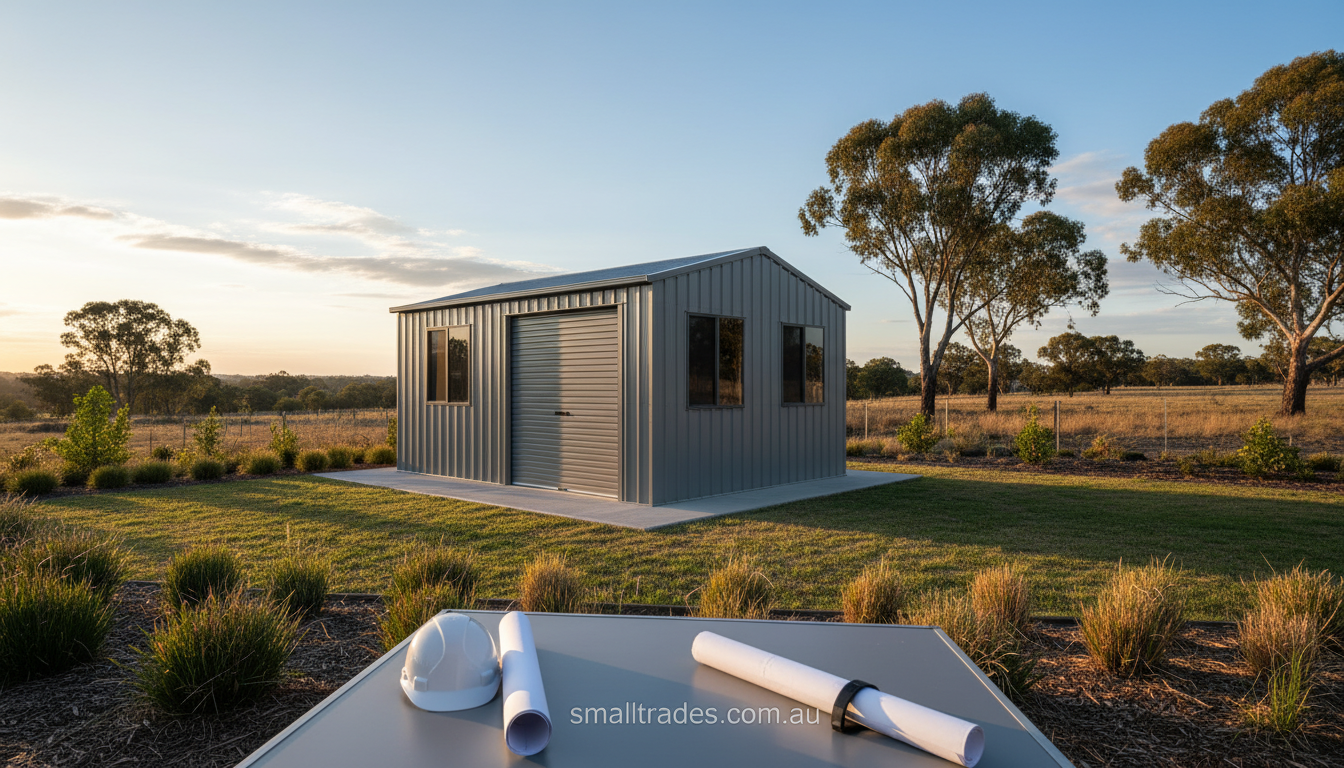
Colorbond steel is a pre-painted steel product manufactured in Australia by BlueScope Steel, comprising a zinc/aluminium metallic coated base with a durable, multi-layered paint finish. Its engineered composition offers strong corrosion resistance, making it ideal for outdoor structures such as sheds.
The steel panels are roll-formed to specific profiles for roofing and cladding, providing high structural integrity with a lightweight form factor. The Colorbond coating system also includes a protective topcoat with exceptional UV resistance tailored to the harsh Australian sun.
Benefits of Colorbond for Outdoor Sheds in Australian Climate
Colorbond steel sheds deliver multiple advantages:
- Durability: Resistant to rust, impacts, and Aussie weather extremes including intense sun, rain, and wind.
- Low maintenance: Minimal repainting or repairs needed over 20+ years, saving homeowners time and cost.
- Thermal performance: Colour options are designed to reflect heat, reducing internal temperatures which can protect stored items.
- Eco-friendly: Steel is fully recyclable and sourced from sustainable Australian manufacturing.
Compared to timber or other metal alternatives, Colorbond’s combination of strength and finish quality makes it the leading choice for backyard sheds nationwide.
Available Colorbond Colours and How to Choose the Best One
Colorbond offers a broad palette suitable for blending with Australian landscapes and neighbourhood aesthetics. Popular choices for sheds include:
- Surfmist®: A classic, light-reflective white ideal for reducing heat absorption.
- Woodland Grey®: Neutral, earthy tone that camouflages well in garden settings.
- Monument®: Dark charcoal providing a modern, sleek appearance.
- Gully®: Soft green reminiscent of native bushland.
Choice depends on climatic considerations and desired visual impact. For instance, lighter shades like Surfmist® are recommended in hotter states such as Queensland to minimise thermal gain. For detailed options and compliance tips, see Colorbond shed colour palettes and compliance in Australia.
Long-term Durability and Maintenance of Colorbond Sheds
Colorbond steel sheds exhibit exceptional long-term performance. When installed correctly on appropriate foundations and maintained by periodic cleaning with mild detergents, they retain their structural integrity and appearance for decades.
Paint fading and minor scratches can be addressed with touch-up kits offered by BlueScope. It’s essential to keep gutters clear to prevent corrosion from trapped moisture. Overall, the low upkeep nature significantly reduces lifetime shed costs compared to alternative materials.
While Colorbond stands out for its benefits, Zincalume vs Colorbond steel sheds in Australia remains an important comparison. Zincalume garden sheds remain a viable option where certain cost or durability trade-offs apply — learn more in our Zincalume garden sheds guide.
Navigating the Australian Council Approval Process for 12×8 Sheds
Building Permit Requirements for 12×8 Sheds Nationwide
In Australia, council approval for sheds varies depending on dimensions, location, and local planning schemes. A 12×8 shed is categorized as a “minor structure” under most state regulations but often requires a building permit if it exceeds size or height thresholds or is used for specific purposes.
Generally, because the 12×8 shed has an area of approximately 29.3 sqm, it may fall just inside or outside permit exemptions depending on where you live:
- New South Wales (NSW): Exemptions typically apply for sheds under 10 sqm; your 12×8 shed usually needs approval.
- Victoria: Permits required for sheds larger than 10 sqm (exact local rules may differ).
- Queensland: Shed areas over 10 sqm often require building approval.
It is critical to confirm with your local council the specific rules applying to your property. Even if a permit is not required for the structure itself, other requirements such as flood zoning, boundary setbacks, or heritage overlays may affect approval.
State and Local Council Variations Relevant to 12×8 Sheds
The approval process varies by state and even by council within states. Key differences include:
- Permit triggers: Some councils exempt 12×8 sheds if under certain height or floor area irrespective of zoning.
- Setback requirements: Minimum distances from property boundaries often differ, influencing siting.
- Design constraints: Aesthetic controls or heritage overlays may require matching materials (e.g. Colorbond colours) or additional documentation.
For example, a 12×8 shed in Sydney might face stricter building code enforcement than in regional NSW, while Melbourne councils may vary widely on setback and height rules. Checking individual council planning portals is essential to avoid penalties or forced removals.
Building Permit Exemptions and Thresholds Specific to 12×8 Dimensions
Some councils offer permit exemptions for small garden sheds, often capped around 10 sqm and limited height (2.4 metres or less). Because the 12×8 shed size is about 29.3 sqm, you are likely outside exemption limits but there are exceptions.
Typical exemption criteria include:
- Sheds under 10 sqm or with unroofed structures
- Installation in rear yards with no impact on neighbours
- Temporary or portable garden sheds without permanent footings
Where exemptions apply, you must still comply with building codes and ensure structural integrity. Always confirm current local policy—regulations can change annually.
How to Apply for Council Approval: Step-by-Step Guide
- Consult your local council: Visit their website or planning office to check shed permit requirements specifically for 12×8 structures.
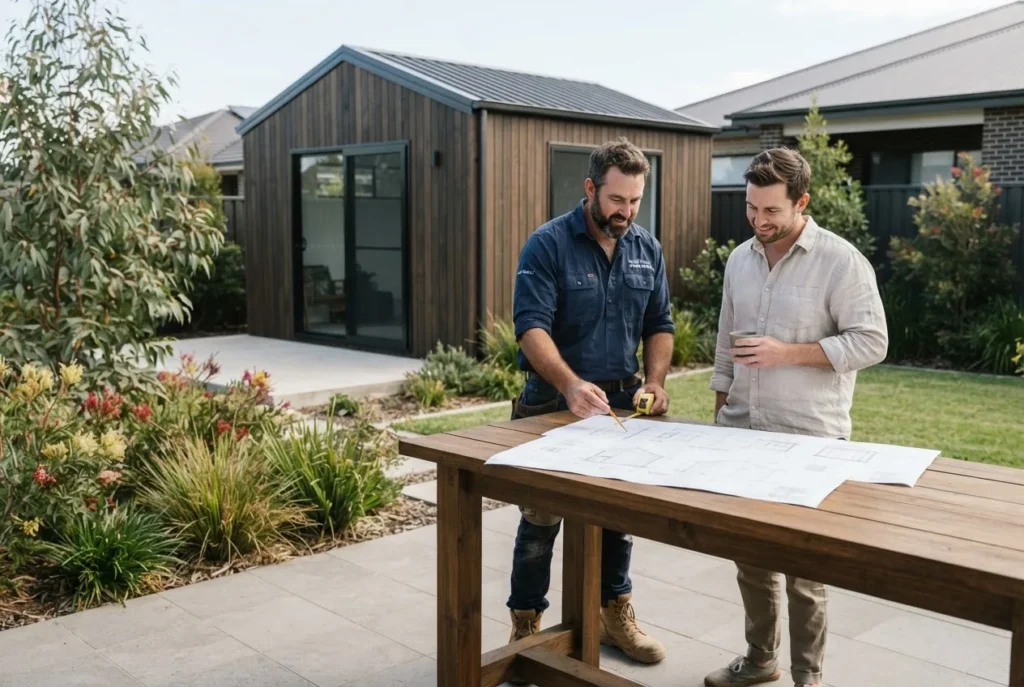
- Prepare documentation: This typically includes site plans, shed design plans showing dimensions, materials (e.g., Colorbond steel), and foundation details.
- Submit application: Use online portals or physical forms to lodge your development or building application, paying applicable fees.
- Await assessment: Processing times vary (generally 10 to 40 business days), with possible requests for additional information.
- Receive decision: If approved, keep permits on-site during construction; if rejected, address council feedback and resubmit.
Note: Starting work without approval risks enforcement actions and additional costs. It is critical to comply. For a detailed overview of permit risks, see risks of building a shed without council approval in Australia.
It is worth referring to the broader Barn sheds council approval and design options guide for complementary insights on designing compliant sheds.
Comprehensive Cost Breakdown for a 12×8 Colorbond Shed
Price Range for Ready-made and Custom 12×8 Shed Kits
The cost of a prefabricated or custom-built 12×8 garden shed varies widely depending on materials, supplier, and included features. Typical price ranges (2025 estimates) include:
| Item | Estimated Cost Range (AUD) | Notes |
|---|---|---|
| Basic 12×8 Colorbond shed kit | $3,000 – $5,500 | Standard panels, no floor or foundations |
| Customisable kits or larger door options | $5,000 – $7,500 | Includes windows, shelving, upgraded doors |
| Turnkey sheds (built and installed) | $7,000 – $10,000+ | Complete including foundations and permits |
Installation and Assembly Costs: DIY vs Professional Services
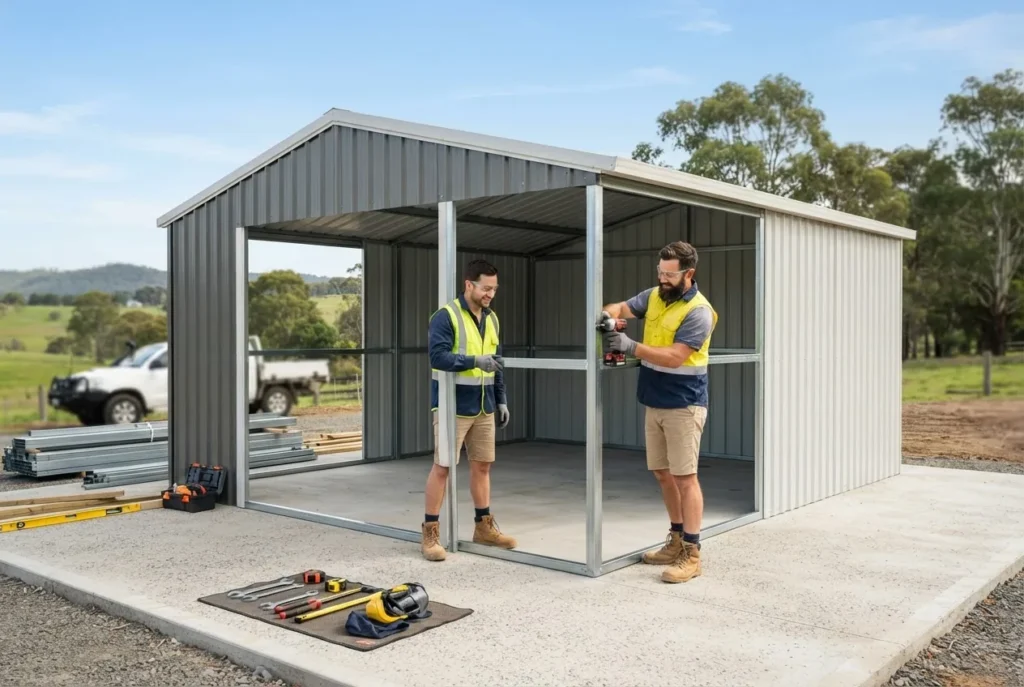
DIY assembly substantially reduces total cost but requires technical skills and time. Common tools include drills, levels, and screwdrivers. Estimated labour ranges from 20 to 35 hours depending on experience.
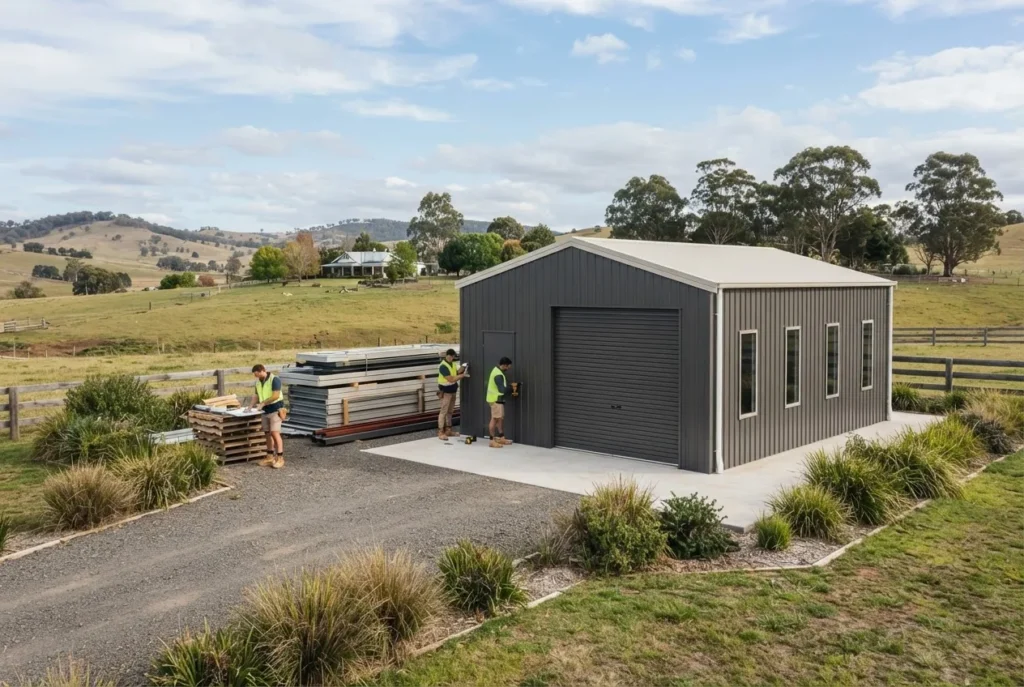
Professional installation costs range from $1,000 to $2,500 depending on location and complexity. Hiring pros ensures warranty compliance and faster build times.
For a detailed comparison of installation methods and costs, consult installation costs and professional assembly options for Australian garden sheds.
Foundation Preparation Expenses (Concrete Slabs, Groundworks)
Proper foundations are crucial for shed longevity. Options include:
- Concrete slab: Most common, providing a level, durable base; $80–$130 per sqm including materials and labour.
- Timber flooring systems: Elevated options for uneven ground; costs vary widely ($1,500-$3,000).
- Alternative foundations: Gravel or paving bases can reduce costs but may have durability trade-offs.
A typical 12×8 concrete slab (~9.75 sqm) can cost approximately $800–$1,200. For more on foundation specifics, see concrete floor preparation and costs for Australian sheds.
Permit Fees and Associated Municipal Charges
Permit fees vary by council but usually range between $200 and $1,000 depending on the application type, shed size, and location. Some councils also levy infrastructure or inspection fees. It’s essential to budget for these “hidden” costs as they can add 5%-10% to your overall project spend.
Additional Costs: Extras, Security, and Accessories
Consider optional but valuable add-ons such as:
- Window installations for natural light ($150–$400 each)
- Locking systems and enhanced security doors ($100–$300)
- Shelving, workbenches, or internal organisation kits ($200–$700)
- Gutter and downpipe fittings for rainwater management ($250+)
These extras can boost functionality while impacting final cost.
Foundation costs, particularly concrete slab preparation, play a crucial role, as detailed in our Australian guide on concrete floors for garden sheds.
Australian Standards and Building Codes for 12×8 Sheds
Wind Ratings and Structural Requirements for Sheds
Australian wind classifications affect shed structural design and material requirements. As detailed by the Australian Standard AS 1170.2, sheds must withstand local wind loads—which vary widely from cyclone-prone Queensland to milder southern states.
The 12×8 steel shed’s framing and anchoring must comply with these wind ratings to avoid damage during storms. Typically, this means using adequately rated bolts, fixings, and Colorbond profiles engineered to resist uplift and lateral loads.
Compliance with National Construction Codes (NCC)
12×8 sheds fall under the National Construction Code (NCC) of Australia Section dealing with non-habitable structures. Compliance ensures structural safety, fire resistance, and safe construction practices.
Key NCC provisions include weatherproofing, energy efficiency (especially roof reflectivity for sheds with power supply), and access/egress requirements where applicable.
Detailed NCC compliance guidance can be found on the Australian Building Codes Board (ABCB) website.
Fire Safety Standards and Material Regulations
The choice of Colorbond steel supports bushfire-resistant building strategies common in Australian standards, notably compliance with BAL (Bushfire Attack Level) ratings in fire-prone zones. Colorbond material, when installed with compliant fixings and foundations, can meet BAL requirements, offering safer options than timber sheds.
Understand local fire safety regulations and amend your shed design accordingly.
Installation Options: DIY vs Professional Assembly for 12×8 Sheds
Pros and Cons of DIY Installation of Colorbond Sheds
DIY benefits include:
- Cost savings on labour (~$1,000+ saved)
- Opportunity to customize and learn new skills
- Flexible scheduling
Challenges:
- Requires appropriate tools and some technical knowledge
- Longer assembly time (20-35 hours)
- Risk of warranty issues if assembly errors occur
Refer to Safe Work Australia for safety guidelines when undertaking DIY shed assembly.
When to Hire Professional Installers
Engage professionals when:
- You lack tools or confidence to execute large steel structures safely
- Project timelines are tight and require quick turnaround
- You want to ensure warranty protection and compliance assurance
- Site preparation (foundations, level ground) is complex
Professional installers bring specialised expertise and typically.complete sheds faster (within 1-3 days).
Typical Installation Timelines and Tools Required
DIY installation usually requires:
- Electric drill/screwdriver
- Spirit level
- Measuring tape
- Safety gear (gloves, glasses)
- Helper(s) to manoeuvre steel panels
Professional installation timelines average 1-3 days depending on site complexity.
Installation costs vary widely; our detailed guide on garden shed installation in Australia can help you decide between DIY and professional services.
Choosing the Right Shed Supplier in Australia
Leading 12×8 Shed Manufacturers and Retailers
Australia offers a range of notable suppliers specialising in 12×8 Colorbond steel sheds. Top companies feature:
- Stratco – renowned for durable Colour options and kit packages.
- Bunnings Warehouse – offers varied entry-level kits with nationwide availability.
- DIY Sheds Australia – customisation options with flexible assembly instructions.
- Shed Boss – specialist in backyard sheds with installation services.
Ensure the supplier you select provides clear warranty information and after-sales support.
Prefab shed kits offer quick assembly and cost-effective options for 12×8 sheds — detailed insights are available in our prefab sheds guide.
Refer to our comprehensive garden shed buyer’s guide for advice on selecting the best shed supplier in Australia.
Warranty and After-Sales Service Considerations
Typical Colorbond sheds come with manufacturer warranties ranging from 15 to 30 years on steel panels and rust perforation, but often exclude damages from improper installation or extreme weather. Verify what parts are covered, duration, and claim processes.
After-sales support includes delivery tracking, assembly guides, and defect resolution. Strong customer service improves building confidence.
Customer Reviews and Reputation in the Australian Market
Evaluate suppliers based on verified customer reviews and industry reputation. Feedback on product quality, accuracy of kit components, and responsiveness to issues are key indicators.
Optimising Your 12×8 Shed Layout for Australian Uses
Garden Storage Solutions and Best Practices
Optimise your 12×8 garden shed by implementing:
- Wall-mounted racks and pegboards for small tools
- Corner shelving units to utilise all space
- Hooks for hanging hoses, ladders, and larger equipment
- Clear floor zones for wheelbarrows or mowers
Storage Shed Security Enhancements
Maximise security without sacrificing aesthetics with:
- High-quality locksets and deadbolts designed for steel doors
- Exterior lighting integrated with timers or motion sensors
- Reinforced hinges and shatter-resistant window films
- Alarm systems designed specifically for garden sheds
Practical security measures ensure your contents stay protected while retaining a tidy appearance.
Functional Spaces: Workshop Setup and Organisation Tips
Many Australians convert their 12×8 sheds into hobby workshops or DIY areas. Key tips include:
- Installing strong, wide benches along the longer walls
- Adding power points and adequate lighting for tasks
- Using modular storage containers to keep materials sorted
- Employing fold-away tables for additional workspace when needed
If you anticipate needing more room, 10×20 Colorbond steel sheds for larger storage needs offer expanded storage and workshop space options.
For additional shade or weather protection, awning sheds can be integrated with 12×8 shed designs, enhancing usability in Australian conditions. Many homeowners convert 12×8 sheds into customised man cave spaces, blending functionality with personal retreat options popular across Australia.
Effective organisation ideas can transform your 12×8 shed into a highly efficient workspace or storage area — explore innovative options in our shed organisation guide.
FAQs and Expert Insights on 12×8 Sheds in Australia (Bonus Section)
Common Questions About Council Approvals and Permits
Q: Do I always need a permit for a 12×8 shed?
A: Not always, but most Australian councils require approval given the shed size exceeds common exemption thresholds. Always check local requirements.
Q: How long does council approval take?
A: Typically 10-40 business days, subject to completeness of application and workload of the council.
Colourbond Maintenance and Lifespan FAQs
Q: How often should I clean my Colorbond shed?
A: Cleaning with mild detergent twice a year helps maintain finish and prevents dirt accumulation.
Q: Can I repaint my Colorbond shed if the colour fades?
A: Yes, using specialised touch-up kits or professional repainting extends lifespan but is rarely required within the first 10 years.
Expert Advice on Cost-Saving Without Compromise
Choose off-the-shelf 12×8 shed kits with flexible build options to balance price and quality. Consider DIY installation to cut labour costs if confident but always opt for professional foundations for durability. Careful selection of Colorbond colours aligned with your climate minimizes cooling costs and maintenance.
Permit fees can sometimes be reduced by engaging accredited building certifiers who fast-track approvals; inquire locally.
Frequently Asked Questions
What is the difference between a 12×8 garden shed and a 12×8 storage shed?
A 12×8 garden shed is designed primarily for storing gardening tools and equipment, often featuring shelving and benches. A 12×8 storage shed focuses on general storage needs like bicycles and boxes, prioritizing open interior space and wide access doors for bulkier items.
How does Colorbond steel compare to timber for 12×8 sheds in Australia?
Colorbond steel offers superior durability, corrosion resistance, and low maintenance compared to timber, which is prone to rot and insect damage. It also performs better in Australian weather, providing longer lifespan and better thermal regulation for 12×8 sheds.
Which foundation type is best for a 12×8 Colorbond shed?
Concrete slabs are the most reliable foundation for 12×8 Colorbond sheds, offering a level and durable base. Timber flooring is an alternative for uneven sites but may require more maintenance. Avoid gravel bases if long-term durability is a priority.
When do I need council approval for a 12×8 shed in Australia?
Council approval is typically required for 12×8 sheds because their area (~29.3 sqm) exceeds common permit exemptions. Approval depends on local planning rules, height, and usage. Always check with your local council before building to ensure compliance.
Can I install a 12×8 shed myself, or should I hire professionals?
DIY installation of a 12×8 shed can save costs but requires technical skills and proper tools. Professional installation is recommended for warranty protection, complex site conditions, and faster completion, especially if you lack experience.
What are common extra costs to budget for beyond the basic 12×8 shed kit?
Beyond the kit cost, budget for foundation preparation, council permit fees, installation labour, windows, security features, shelving, gutters, and any customisation. These extras can add significantly to the total project cost.
How do local wind ratings affect structural requirements for a 12×8 shed?
Local wind ratings determine the strength of framing, fixings, and anchoring for 12×8 sheds. Higher wind zones require reinforced materials and installation methods compliant with Australian Standards to ensure structural safety during storms.
Is a 12×8 shed suitable as a small workshop space in Australian backyards?
Yes, a 12×8 shed can be configured as a small workshop by incorporating benches, power outlets, and effective storage solutions. Its size balances space with compactness, making it ideal for DIY projects and hobbies.