

For Australian homeowners and small business operators seeking the perfect balance of space, durability, and compliance in backyard storage, the 6mx3m garden shed (18m²) offers an ideal solution. Custom-built with premium Colorbond steel, these sheds not only withstand the diverse Australian climate but also navigate complex local council approvals and stringent wind rating standards. This comprehensive 2025 guide will unpack every essential facet — from pricing breakdowns and approval processes to wind loading requirements and bespoke customization options — enabling you to make an informed and confident purchase decision for your 6mx3m Colorbond garden shed.
Introduction: Why Choose a 6mx3m Garden Shed with Custom Colorbond Steel?
The Ideal Utility Size: Balancing Space and Practicality
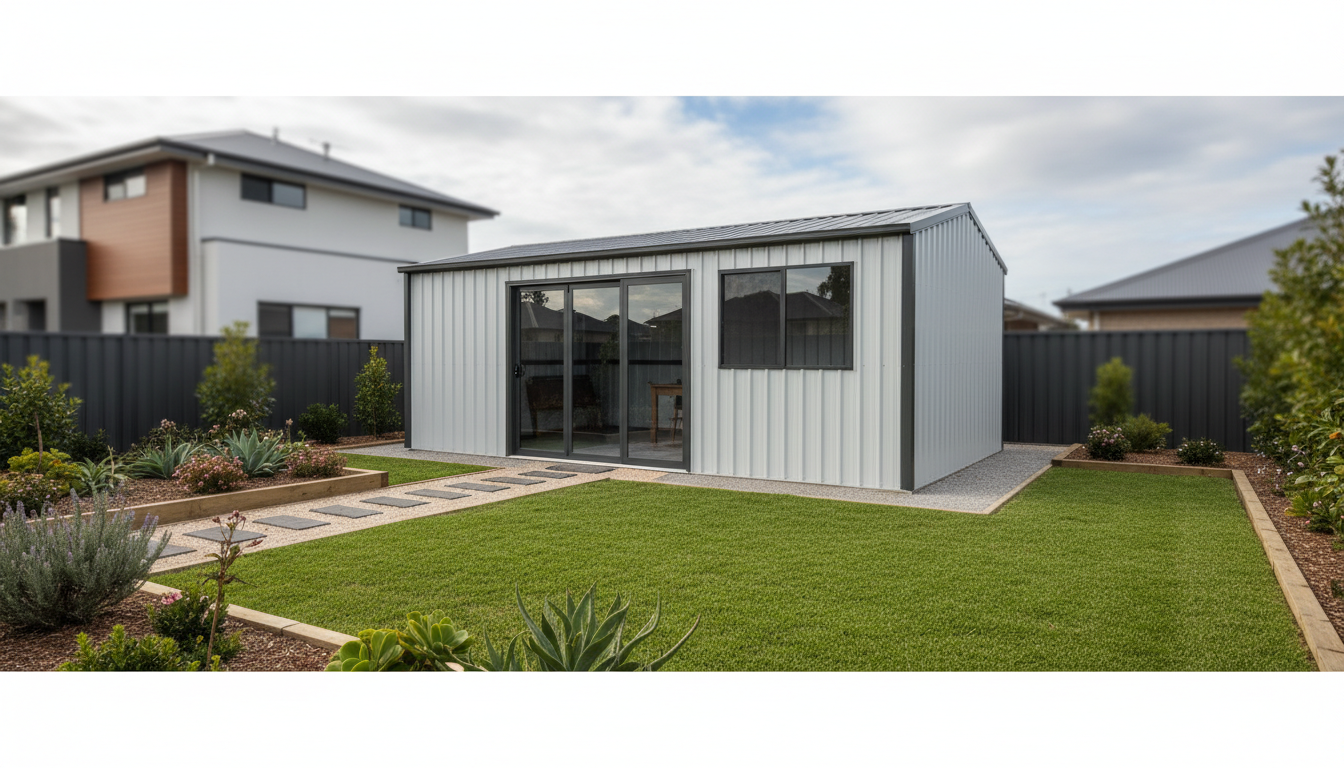
The 6m x 3m shed footprint, equating to 18 square metres, represents a “sweet spot” for many Australian backyards. Not too small to limit usefulness, nor unnecessarily large to incur excessive costs or approval hurdles, it provides sufficient space for storage, hobby workshops, or small-scale business use. This size works well for housing garden tools, outdoor furniture, or even a compact workspace, without dominating your outdoor environment. If you need a slightly smaller or alternative sized shed, refer to our 10×10 Colorbond Garden Shed Buyer’s Guide.
Benefits of Custom Colorbond Steel for Australian Backyards
Colorbond steel is the industry standard for Australian outdoor structures due to its excellent durability, corrosion resistance, and wide palette of weather-resistant finishes. Manufactured by BlueScope Steel, Colorbond’s proprietary coating system protects sheds against intense UV radiation, coastal salt spray, and varied temperatures. Custom Colorbond sheds allow homeowners to pick shades that integrate seamlessly with their home exterior or landscape, enhancing both aesthetic appeal and longevity. For very compact garden storage needs, the 2 x 2 Colorbond Shed offers a premium solution covered extensively in our guide.
Common Uses and Applications for 18m² Sheds
The 6mx3m garden shed is versatile and well-suited for multiple applications:
- Secure storage for tools, garden equipment, and bicycles
- Workshop or hobby space including woodworking or potting benches
- Small-scale home business operations requiring storage and workspace
- Seasonal furniture and recreational gear housing
- Garden room conversions with natural lighting and ventilation (subject to approvals)
This size minimizes footprint impact while maximizing functional utility, balancing space and budget considerations.
Comprehensive Pricing Breakdown for 6mx3m Custom Colorbond Sheds
Material Costs: Colorbond Steel Panels, Structural Frames, and Accessories
Material costs typically represent the largest portion of the total investment. For a standard 6mx3m Colorbond garden shed in 2025, average material pricing is as follows (figures derived from industry averages and BlueScope technical data):
| Component | Average Cost (AUD) |
|---|---|
| Colorbond Steel Wall and Roof Panels (custom color) | $2,400 – $3,200 |
| Structural Steel Frame and Supports | $1,200 – $1,800 |
| Doors, Windows, and Ventilation Accessories | $500 – $900 |
| Flooring Materials (treated timber or concrete base option) | $600 – $1,200 |
| Additional Features (gutters, skylights, insulation) | $300 – $700 |
High-grade custom Colorbond shades incur a premium, typically 10–15% over standard ranges. Selective upgrades such as powder-coated door frames or double-glazed windows also add to costs. Comparing the 6mx3m shed to other popular sizes like 10×6 can help you gauge your storage needs effectively, as detailed in our 10×6 Garden Shed Guide.
Installation and Assembly Pricing Explained
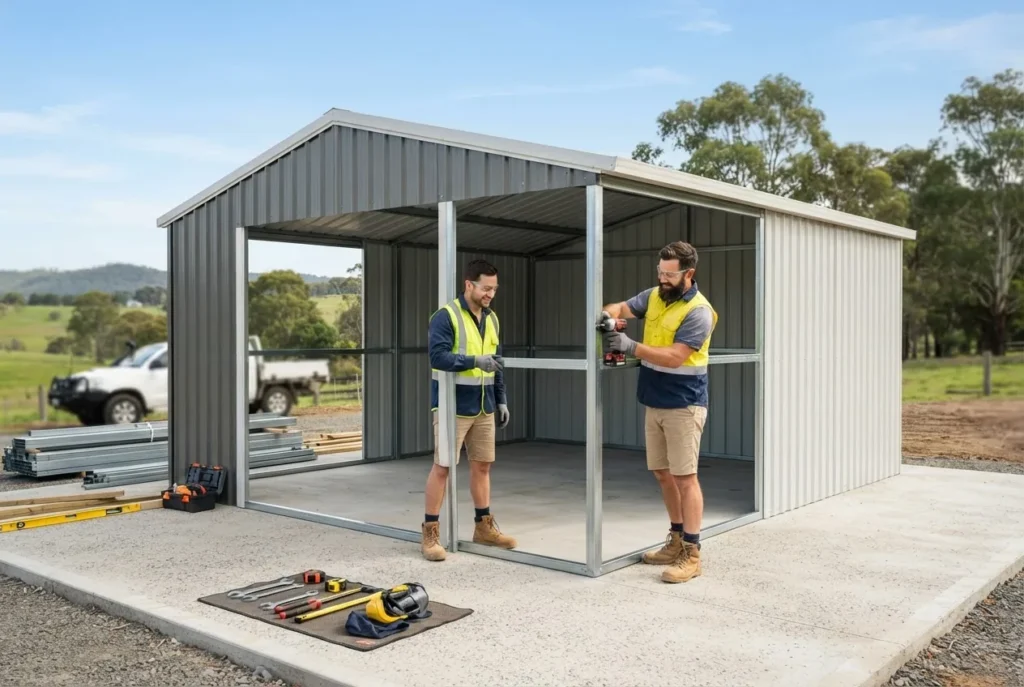
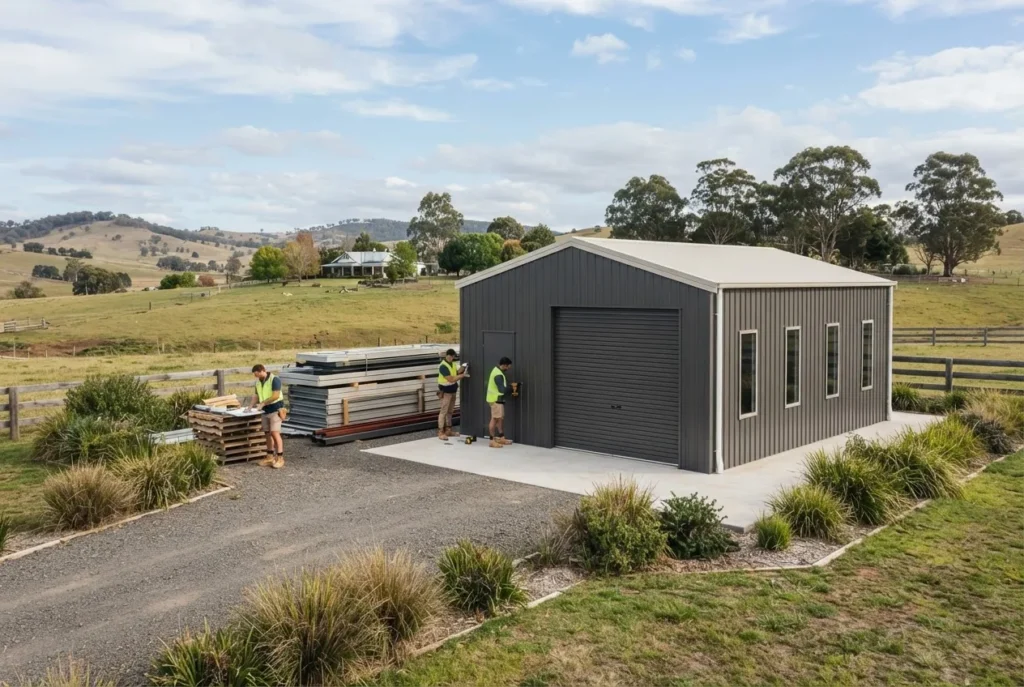
Professional installation services vary based on region, site conditions, and shed complexity. For a 6mx3m shed, expect installation costs between $1,200 and $2,500. This includes foundation preparation, shed assembly, fastening, and finishing touches. DIY assembly is possible but may void manufacturer warranties and is not recommended in cyclone-prone zones where precise fastening and engineering compliance are critical. Nearby sizes like the 6×4 shed are discussed in our 6 x 4 Garden Shed Buyer’s Guide, helpful for comparison.
Permit, Approval, and Compliance Fees in Australian Regions
Local government fees for permits and engineering certifications differ widely. For sheds under 20m², many councils allow exemptions or simplified permits, but this depends on setback rules and height restrictions. Typical council fees for a 6mx3m shed range from $300 to $1,000. Additional costs for certified engineering reports or wind rating compliance may apply, especially in higher wind zones. Larger sheds such as the 12 x 8 require slightly different approval criteria; see our dedicated guide for full details.
Value Additions: Custom Colors and Additional Features Pricing Comparison
Custom Colorbond steel colors usually add 10–20% to base material costs. Additional features such as shelving, skylights, or insulated panels can cumulatively add $500–$1,000 depending on specification. It’s important to weigh these upgrades against both aesthetic value and long-term durability benefits. To explore other premium sized garden sheds, the 5 x 5 Colorbond guide provides detailed information.
Cost distribution summary:
| Cost Element | Percentage of Total |
|---|---|
| Materials | 50–60% |
| Installation | 25–35% |
| Permits & Approvals | 10–15% |
| Custom Features | 5–10% |
Overall, budgeting between $6,000 and $9,000 for a fully installed 6mx3m Colorbond shed with custom options is realistic in 2025. Regional pricing and color options are well covered in our Cheap Garden Sheds Adelaide guide, focusing on cost-sensitive choices.
Transition: Understanding price is vital, but successful backyard projects require navigating council approvals efficiently — let’s explore those processes next.
Navigating Council Approval Processes for 6mx3m Garden Sheds in Australia
When Is Council Approval Required for an 18m² Shed?
Rules vary by council, but most Australian jurisdictions differentiate between exempt, complying, and full development approval classes for garden sheds.
- Exempt Development: Sheds under 10m² or less than 2.4m in height (varies by council)
- Complying Development: Sheds between 10–20m² that meet specified setback, height, and site coverage criteria
- Development Approval: Required if shed exceeds size limits, encroaches on setbacks, or is in heritage/protected areas
A 6m x 3m shed with 18m² footprint generally requires a permit but may qualify for faster streamlined approvals under Complying Development rules if conditions are met.
Step-by-Step Approval Application Process (Examples: Sydney, Melbourne)
- Determine local requirements: Check your council’s planning controls online for backyard structures and Colorbond sheds.
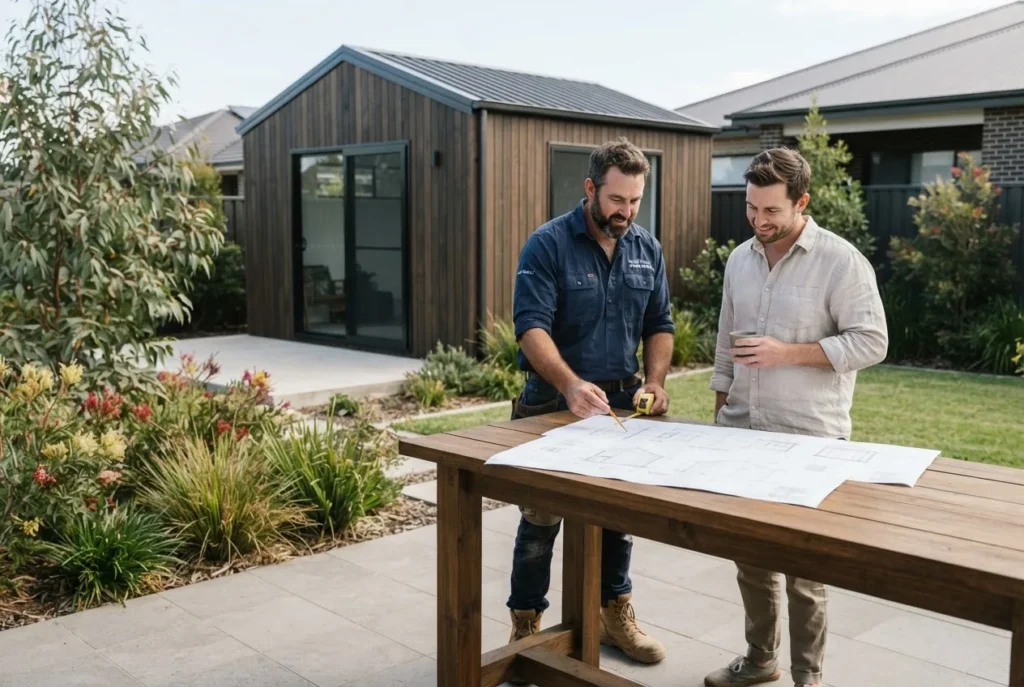
- Prepare documentation: Submit site plans, elevation drawings, Colorbond color specs, and engineering certificates.
- Submit application: Lodge through council online portals (Sydney Council leverages Sydney Planning Portal; Melbourne uses Planning Schemes Online).
- Review and request for info: Council may request amended plans or clarification on setbacks and wind rating compliance.
- Receive approval or conditions: Typical approvals take 10–30 working days; fast-tracked for standard shed proposals that meet criteria.
For a more comprehensive understanding of council approvals across various shed types, see our detailed Barn Sheds Australia: Prices, Council Approvals, Colorbond vs Zincalume, and Design Options guide.
Transition: Having understood approvals, it’s critical to meet the mandated wind rating requirements to ensure structural safety in Australia’s variable climate.
Understanding and Meeting Wind Rating Requirements for Your Custom Shed
Australian Wind Loading Standards (AS/NZS 1170.2) Overview
The AS/NZS 1170.2:2021 standard governs wind load criteria for all Australian buildings, including garden sheds. It specifies design wind pressures based on location, terrain, building height, and importance level. Compliance ensures sheds resist gusts and sustained winds typical to a property’s region.
Wind Rating Classifications Relevant to 6mx3m Sheds
Wind ratings categorise sheds by structural capability. Common ratings applied to 6mx3m sheds include:
- Wind Class N1–N3: Low to moderate wind zones, typical for inland urban areas.
- Wind Class C1–C3: Cyclone-prone and coastal areas with high gusts.
- Higher Ratings: Required for exposed or elevated sites, increasing engineering and construction costs but vital for safety.
Selecting the correct wind rating affects material thickness, frame reinforcement, and foundation anchorage.
Design and Structural Considerations to Achieve Compliance
- Use of certified structural steel frames with adequate cross bracing
- Anchorage to engineered foundations such as concrete piers or slabs
- High-quality Colorbond panels with reinforced fixing points
- Appropriate door and window designs resistant to pressure differentials
- Installation of tie-downs and brackets following manufacturer and engineering specs
Selecting the right shed brackets and tie-downs is critical for wind resistance; see our Garden Shed Brackets Guide for Australian Conditions.
Special Regional Considerations: Cyclone and Coastal Zones
In designated cyclone zones, AS/NZS 1170.2 mandates higher design pressures and rigorous certification. Coastal zones also demand greater corrosion protection due to salt spray. Colorbond’s zinc-aluminium-magnesium alloy coatings provide enhanced corrosion resistance in these environments, maintaining structural integrity over time.
Transition: Beyond compliance, homeowners value the ability to customise Colorbond sheds — let’s explore tailored design options next.
Customization Options: Tailoring Your 6mx3m Colorbond Shed
Colorbond Steel Palette and Finishes for Australian Conditions
Colorbond offers an extensive range of colours specially engineered for Australian weather. Popular shades for garden sheds include:
- Wallaby: Soft, natural grey-brown blending with native landscapes
- Surfmist: Crisp, clean off-white reflecting heat
- Woodland Grey: Deep earthy tone providing modern elegance
- Monument: Bold dark grey for contemporary styles
Custom colours not only amplify curb appeal but can improve thermal performance depending on reflectance. Explore additional design options and material comparisons in our extensive Barn Sheds Australia: Prices, Council Approvals, Colorbond vs Zincalume, and Design Options resource.
Floor Plans, Door Types, and Window Placement Options
- Floor plans: Single large open space or partitioned for dual-purpose use
- Doors: Sliding barn doors, roller shutters, or hinged Colorbond-clad entries
- Windows: Fixed or operable glazing with flyscreens to enhance light and ventilation
If you need a slightly smaller or alternative sized shed, refer to our 10×10 Colorbond Garden Shed Buyer’s Guide.
Structural Frame Upgrades and Additional Features (e.g., Shelving, Skylights)
- Reinforced steel frame options for higher wind rating compliance
- Internal steel shelving welded or bolted to walls for heavy-duty storage
- Skylights and roof vents for natural lighting and airflow
- Insulation linings for temperature control
For expert advice on incorporating shelving and internal storage solutions into your 6mx3m shed, see our Garden Shelves for Australian Sheds Buying Guide.
Foundation Types and Site Preparation Best Practices
Common foundation types for this shed size include:
- Concrete slab: Durable, level surface ideal for heavy-duty use
- Concrete pier footings: Cost-effective for uneven terrain, ensures ventilation beneath shed
- Timber bearers on compacted base: Suitable for mild climates and DIY assembly
Foundation choice impacts compliance, longevity, and installation method. Proper drainage and site clearing are essential for soil stability and to prevent corrosion.
Transition: After design finalization, professional or DIY installation options are next considerations.
Installation and Assembly Services Across Australia
Professional vs DIY: What to Expect for 6mx3m Sheds
| Aspect | Professional Installation | DIY Assembly |
|---|---|---|
| Cost | Higher (includes labour and equipment) | Lower (saves labour but may require tool hire) |
| Compliance Assurance | Guaranteed adherence to council and wind rating specs | Risk of errors or failed inspections |
| Time | Typically 1–3 days | Varies widely depending on skill |
| Warranty | Often included and valid | May be voided for improper installation |
Key Considerations for Site Preparation and Foundation Setup
- Ensure a level, compacted base free of vegetation
- Confirm drainage away from shed perimeter
- Locate utilities accurately
- Allow clearance per manufacturer and council guidelines
Timelines, Costs, and Logistics of Installation Services
Scheduling may be impacted by regional demand and weather conditions. Installation usually requires access for delivery vehicles and cranes or forklifts for heavy lifting of steel frames.
Warranty, Maintenance, and After-Sales Support
Professional installers typically provide warranties covering structural integrity and workmanship up to 5–10 years. Standard maintenance includes regular cleaning, checking fasteners, and inspecting paint/coating condition to prolong lifespan.
Transition: Regional climate influences shed performance and maintenance — let’s explore these important considerations.
Regional Considerations and Performance in Australian Climates
Corrosion Resistance and Longevity in Coastal Areas
Coastal environments accelerate corrosion due to salt air and humidity. Choosing premium Colorbond coatings with extra corrosion resistance and applying protective sealants on cut edges enhances longevity. Regular washing with fresh water is recommended to remove salt residues.
Wind and Weather Resilience in Different Australian Zones
Structures in cyclone-prone north Queensland require cyclone-rated frames and foundations. Southern states, while less impacted by cyclones, contend with hail and high UV exposure influencing panel thickness and paint performance.
Tips for Maximizing Shed Performance in Harsh Climates
- Select lighter Colorbond shades to reduce heat absorption in tropical zones
- Install ventilation to prevent condensation buildup
- Ensure roof pitch accommodates heavy rainfall runoff
- Regularly inspect for pest activity in timber foundations
Expert Tips to Maximise Your 6mx3m Garden Shed Investment
- Optimize interior layout: Plan shelving and workspace zones early to maximise storage without cluttering. Maximize your storage and workspace efficiency with our dedicated guide on Garden Shed Organization Ideas for Australian Homes.
- Leverage customization: Use Colorbond colours and finishes to increase your shed’s aesthetic appeal and complement home exterior, indirectly raising property value. For transforming sheds into liveable spaces, our Living in a Shed in Australia guide is an essential resource.
- Cost-saving strategies: Balance choice of foundation and features to meet compliance without unnecessary upgrades; consider manufacturer package deals.
- Expedite council approvals: Engage with council early, double-check documentation, and if necessary seek professional planning advice to avoid delays.
For creative outdoor storage solutions such as bar sheds and other bespoke options, explore our Bar Storage Shed Ideas and Approvals Guide.
Frequently Asked Questions (FAQs)
What are the hidden costs associated with 6mx3m Colorbond sheds?
Beyond base price and installation, watch for council permit fees, engineering certifications for wind compliance, foundation upgrades, and optional customization add-ons.
How long does the council approval process usually take for this size shed?
Approval times range from 10 to 30 working days, though incomplete applications or variance requests can extend this period significantly.
Can I change Colorbond colors post-installation?
Colorbond steel is coated during manufacturing; post-installation painting is possible but not recommended due to durability and warranty implications. Select your color upfront.
How do wind rating requirements differ between metropolitan and coastal areas?
Coastal and cyclone-prone areas require higher wind ratings, stronger frames, and more robust foundations compared to sheltered metropolitan zones, following AS/NZS 1170.2 specifications.
What maintenance does a Custom Colorbond shed require in Australian climates?
Routine cleaning to remove debris and salt, inspection of sealants and fasteners, repainting scratches or chips if necessary, and ensuring gutters stay clear will maintain optimal durability.
Choosing the 6mx3m Garden Shed (18m²) with Custom Colorbond steel offers an expertly balanced option for Australian homeowners who want reliable, durable, and compliant backyard storage in 2025. By navigating pricing, approval, and wind rating complexities with knowledge and care, you ensure your investment is sound and suited to your unique needs. Ready to start your project? Connect with trusted Australian suppliers and local councils today for quotes and guidelines tailored to your location and preferences.
Frequently Asked Questions
What is the difference between a 6mx3m garden shed and larger shed sizes?
A 6mx3m garden shed offers an 18m² footprint, balancing sufficient storage and workspace with simpler council approval and lower costs, while larger sheds require more extensive permits, increased material, and higher installation expenses. This size is ideal for typical backyard utility without overwhelming space.
How do Custom Colorbond sheds compare to traditional timber sheds?
Custom Colorbond sheds provide superior durability, weather resistance, and low maintenance compared to timber sheds, which can suffer from rot, pests, and warping—making Colorbond more suitable for Australian climates and longer-lasting in harsh conditions.
What does ‘custom Colorbond’ mean for garden sheds in Australia?
‘Custom Colorbond’ refers to selecting from a wide palette of factory-coated steel colours tailored to match aesthetic and durability needs specific to Australian conditions, allowing personalised options beyond standard shed colours and finishes.
Which foundation type is best for a 6mx3m garden shed in coastal areas?
Concrete slab foundations are best in coastal areas due to their durability and resistance to salt corrosion, providing a stable, level base that withstands harsh environmental conditions better than timber or pier footings.
Can I install a 6mx3m Colorbond shed myself, and what are the risks?
DIY installation is possible for experienced builders but risks voiding warranties and failing compliance—especially critical in cyclone-prone zones where professional installation ensures adherence to wind rating and council regulations.
Why is wind rating certification important for a 6mx3m garden shed?
Wind rating certification confirms the shed’s structural ability to withstand regional wind forces, ensuring safety, compliance with Australian standards, and longevity, particularly in cyclone and coastal exposure zones.
How do council approval requirements differ between Sydney and Melbourne for a 6mx3m shed?
Sydney often uses the Sydney Planning Portal with specific setback and height rules, while Melbourne requires permit applications via Planning Schemes Online with local compliance checks; both have streamlined approvals but differ in documentation and timelines.
What maintenance steps can extend the life of a Custom Colorbond garden shed?
Regularly wash off dirt and salt, inspect and touch up paint chips, clear gutters, check fasteners for tightness, and maintain good ventilation to prevent corrosion and prolong the shed’s functional and aesthetic lifespan.