
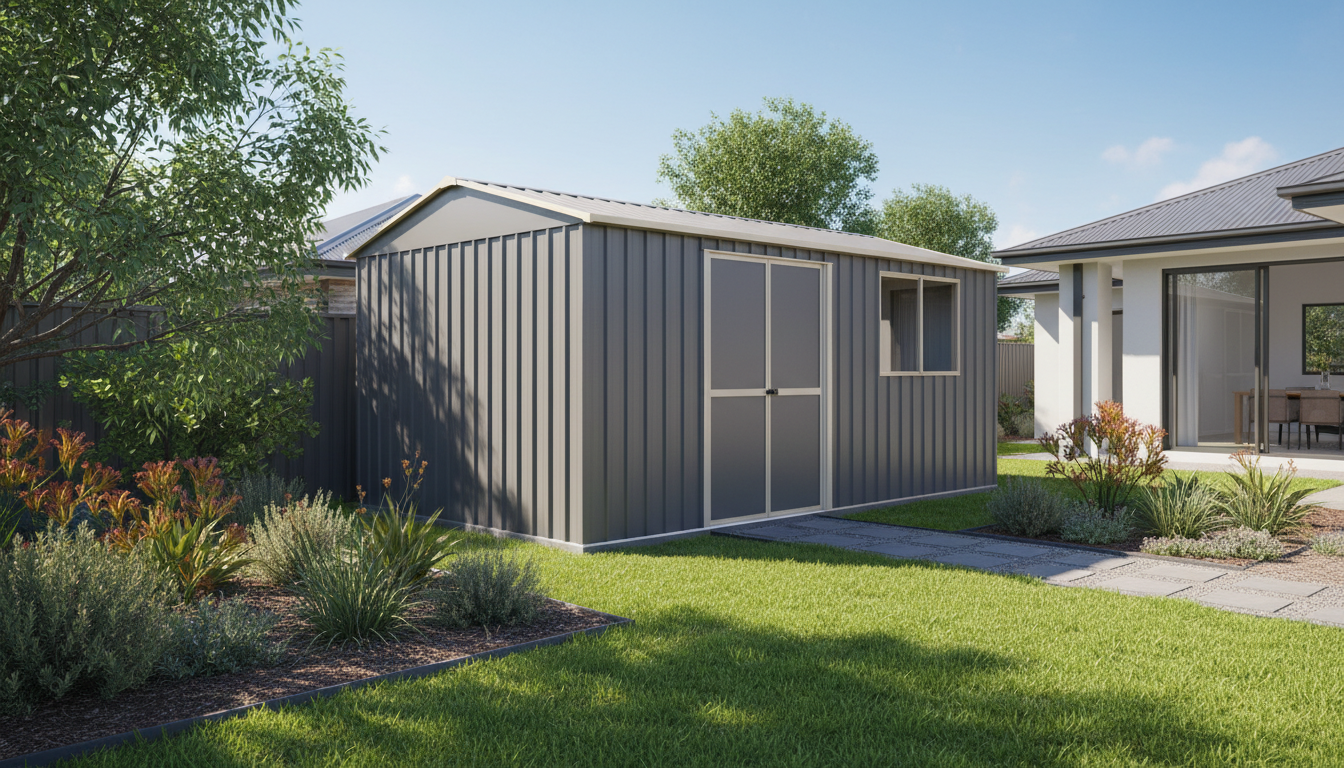

Choosing the right shed size is crucial for Australian homeowners and tradespeople who want to maximise space without overspending. The 6×4 shed footprint, or 6m x 4m shed in metric terms, offers the perfect balance between compactness and versatility. Whether used as a Colorbond 6×4 garden shed for tool storage or a functional workshop, this size meets diverse needs across Australia’s varied climates and regulatory landscapes. This comprehensive buyer’s guide dives into everything from size benefits to council approvals, installation tips, and budget planning, ensuring you make an informed purchase tailored for Australian conditions.
Understanding the 6×4 Shed Size: Dimensions and Practical Benefits
Metric Conversion and Layout Options (6m x 4m)
The term 6×4 shed traditionally recalls imperial measurements (6 feet by 4 feet), but in Australian use, it refers to the metric dimension of 6 meters by 4 meters (approximately 19.7 feet by 13.1 feet). This translates to a floor area of about 24 square metres, providing ample room for various uses.
Layout options for a 6m x 4m shed vary, but typically include:
- A single open space adaptable for work benches, storage racks, or a combined setup.
- Partitioned layouts for separating garden storage from work areas.
- Multiple access points via different door placements (front, side, or both) to optimise workflow and accessibility.
Diagrams illustrating these layouts help visualise how space can be efficiently organised for tools, equipment, and workspace.
Comparing 6×4 Sheds with Other Popular Sizes in Australia
| Size | Area (sqm) | Main Use Cases | Comparison Notes |
|---|---|---|---|
| 2 x 2 (Compact) | 4 | Minimal tool storage, tight spaces | Too small for workshops, ideal for sheds with limited space (compact 2 x 2 meter Colorbond garden sheds) |
| 4 x 3 | 12 | Basic storage, small utilities | Good for minimal storage, less flexibility (4 x 3 meter Colorbond storage sheds) |
| 6 x 4 | 24 | Garden storage, workshop, hobby space | Balanced size; ideal for combined uses (focus of this guide) |
| 10 x 6 | 60 | Large workshops, small businesses | More space, higher cost and approvals (10×6 garden sheds in Australia) |
| 12 x 8 | 96 | Extensive workshops, commercial use | Requires stricter approvals (12 x 8 Colorbond shed council approval and costs) |
Space Optimisation Tips for 6×4 Sheds and Workshops
- Use vertical shelving to maximise wall space.
- Install pegboards and hooks for tools and garden equipment.
- Consider foldable or mobile workbenches to expand usable floor area.
- Designate zones for storage and workspace to avoid clutter.
- Incorporate natural light and ventilation for a pleasant workspace environment.
With these strategies, even a 6×4 garden shed can rival larger sheds in functionality.
Next, we explore the material that makes these sheds uniquely suited for Australia’s diverse environments: Colorbond steel.
Colorbond Steel: Features, Benefits, and Suitability for 6×4 Sheds
Overview of Colorbond Steel and Australian Manufacturing Standards
Colorbond steel, manufactured by BlueScope in Australia, is a pre-painted steel product designed specifically to resist harsh Australian conditions. It meets strict Australian manufacturing standards, including AS/NZS 2728 reflective coatings, and AS 1397 steel specifications for tensile strength and durability.
This makes Colorbond the material of choice for premium garden sheds and workshops, including the popular 6×4 sheds. For detailed comparisons see Colorbond vs Zincalume steel sheds in Australia.
Durability and Weather Resistance in Australian Conditions
Colorbond steel is engineered to withstand extreme weather stresses:
- UV resistance reduces fading and degradation from intense sun exposure prevalent in inland and northern Australia.
- Corrosion-resistant coatings protect against coastal salt spray and inland humidity.
- High tensile strength steel resists wind damage, critical in cyclone-prone tropical regions.
Colorbond Colour Palette and Aesthetic Choices for 6×4 Sheds
The Colorbond palette offers a range of colours popular for sheds, including:
- Surfmist – bright and reflective, reduces heat build-up.
- Woodland Grey – blends well with garden settings.
- Monument – dark, modern aesthetic with strong heat reflection.
- Basalt – matte, stylish finish popular in urban areas.
Colour choice impacts not only appearance but heat absorption and local blending with landscape. Colour choice should align with local council colour restrictions and personal style preferences.
Environmental and Maintenance Advantages of Colorbond
Colorbond steel is fully recyclable and requires minimal maintenance:
- Unlike timber sheds, it does not warp, rot, or attract termites.
- Periodic cleaning is usually sufficient to maintain finish.
- Any repairs are straightforward due to availability of touch-up paints and panel replacements.
Its eco-friendly production process and longevity also contribute to sustainable building practices.
With the material context established, let’s examine the primary uses for these sheds — comparing garden storage and workshop applications.
Primary Uses: Garden Storage vs Workshop Space in 6×4 Sheds
Typical Garden Shed Use Cases: Tool and Equipment Storage
6×4 garden sheds are ideal for storing:
- Garden tools like mowers, spades, rakes
- Seasonal equipment such as hoses, fertilizers, pots
- Outdoor furniture cushions and accessories
- Small machinery or pool equipment
These sheds offer secure, weatherproof protection, reducing clutter in the home and protecting assets from sun and rain damage. Enhanced garden tool storage solutions using premium Colorbond sheds can be found in our detailed garden tool storage in Colorbond steel sheds guide.
Workshop Applications: Trades, Hobbyists, and Small Business Use
For tradespeople and hobbyists, such as carpenters, electricians, or mechanics, the 6×4 shed provides a manageable, dedicated workspace. Uses include:
- Bench areas for assembly or repairs
- Storage for tools, materials, and supplies
- Small-scale manufacturing or craft activities
- Home-based business operations requiring license-compliant workspace
The shed’s size allows workable room while maintaining affordability and ease of installation.
Customising Interiors for Storage Efficiency and Workspaces
- Wall-mounted shelving units maximise vertical storage
- Modular workbenches adapt to different project needs
- Integrated lighting and power outlets improve usability
- Ventilation solutions enhance comfort during prolonged use
Multi-Functional Designs: Combining Workshop and Garden Storage
Many Australian homeowners combine storage and workshop functions in the 6×4 footprint. Strategies include:
- Dividing the shed with a lightweight partition
- Creating a flexible layout using movable shelves and benches
- Using outdoor awnings or lean-tos to expand working areas
This multi-functionality increases the shed’s value while making the most of property space.
Understanding Australian building regulations is essential before proceeding to purchase or install a 6×4 shed.
Australian Building Regulations and Council Approval for 6×4 Sheds
Overview of Shed-Specific Regulatory Requirements for 6×4 Dimensions
Most Australian councils regulate sheds based on size, use, and location. While 6×4 sheds often fall below approval thresholds, compliance is mandatory when:
- The shed exceeds floor area limits (usually 10–20 sqm for exempt sheds, varies by council)
- It is intended for commercial or workshop use instead of purely storage
- It violates setback and height restrictions
Confirming local regulations avoids costly penalties or forced removals.
When Council Approval is Required: Size, Use, and Location Factors
Factors prompting mandatory council approval include:
- Floor area greater than 10 sqm: Many councils set 10 sqm as a permit trigger; since 6×4 sheds are 24 sqm, approval is often required.
- Use classification: Workshops or spaces used for commercial purposes may need extra permits compared to garden storage.
- Setbacks from boundaries: Minimum distances from property lines (typically 900mm to 1.5m) must be met.
- Height limits: Standard maximum roof height is around 2.4m to 3.6m, depending on council.
Key Compliance Considerations: Setbacks, Floor Area, and Height Limits
- Check your local council’s planning portal for exact setback distances
- Ensure your shed plans comply with the National Construction Code (NCC) for non-habitable buildings
- Height restrictions often depend on neighbouring structures and zoning
Tips for Smoother Approval Processes and Documentation Preparation
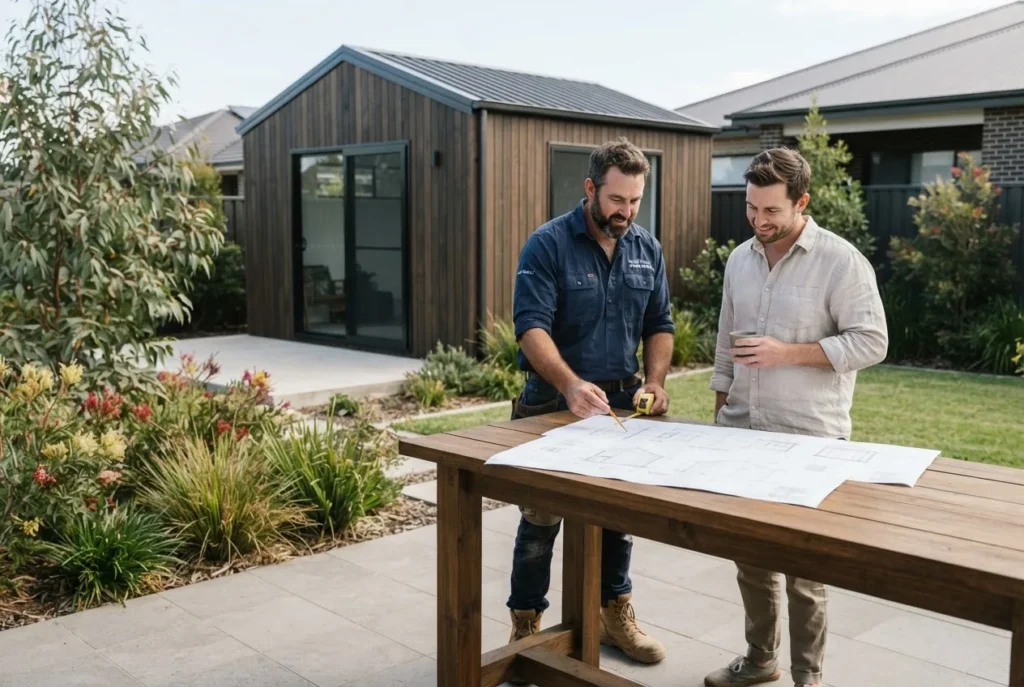
- Prepare accurate site plans showing shed location and dimensions
- Include elevation drawings highlighting heights and roof style
- Consult with council planning officers early to identify specific requirements
- Consider engaging a building certifier or draftsman if unsure
- Retain copies of all approvals and correspondence for future reference
Understanding and navigating approval nuances can save time and reduce stress during your shed purchase and installation.
Installation Essentials: Foundations, Assembly, and Site Preparation
Suitable Foundation Types for 6×4 Colorbond Sheds (Slab, Concrete, etc.)
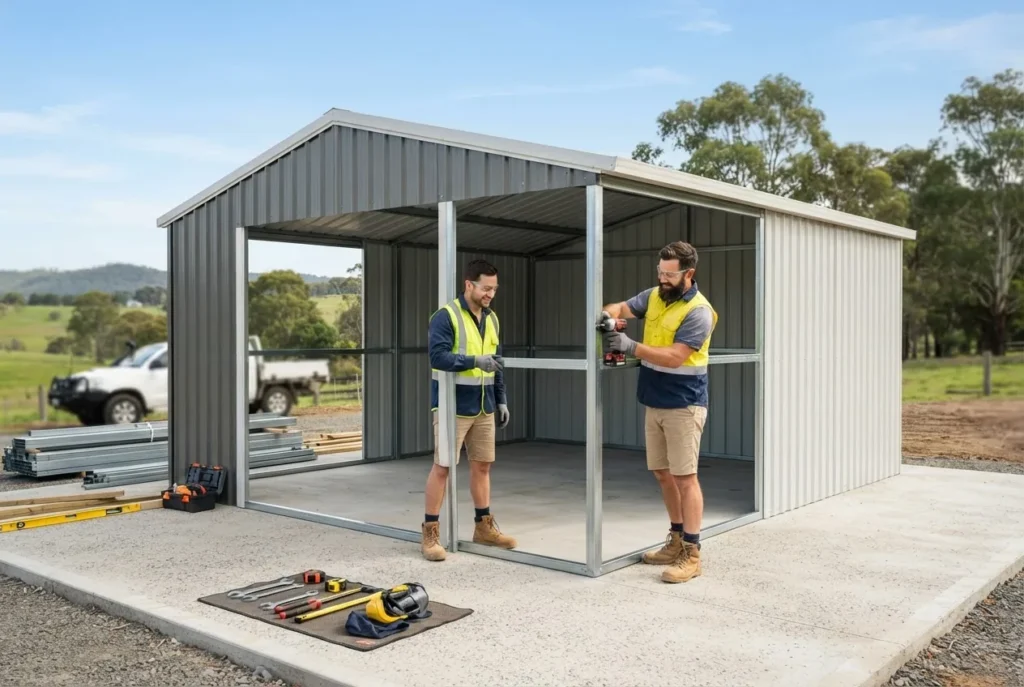
A solid foundation ensures shed stability and longevity. Common foundation types for 6×4 Colorbond sheds include:
- Concrete slab: The most durable option providing level, weather-resistant base. Recommended for workshops where weight and vibration resistance are important.
- Compact gravel base: Suitable for garden sheds with light loads; requires careful leveling and edging.
- Timber bearers with concrete piers: Raises the shed off the ground to prevent flooding and termite ingress.
Each option has trade-offs in cost, ease of installation, and suitability depending on soil conditions and intended usage.
DIY vs Professional Installation: What to Expect for 6×4 Sheds
- DIY kits: Often designed for homeowners with moderate skills; may require 2–3 days assembly time.
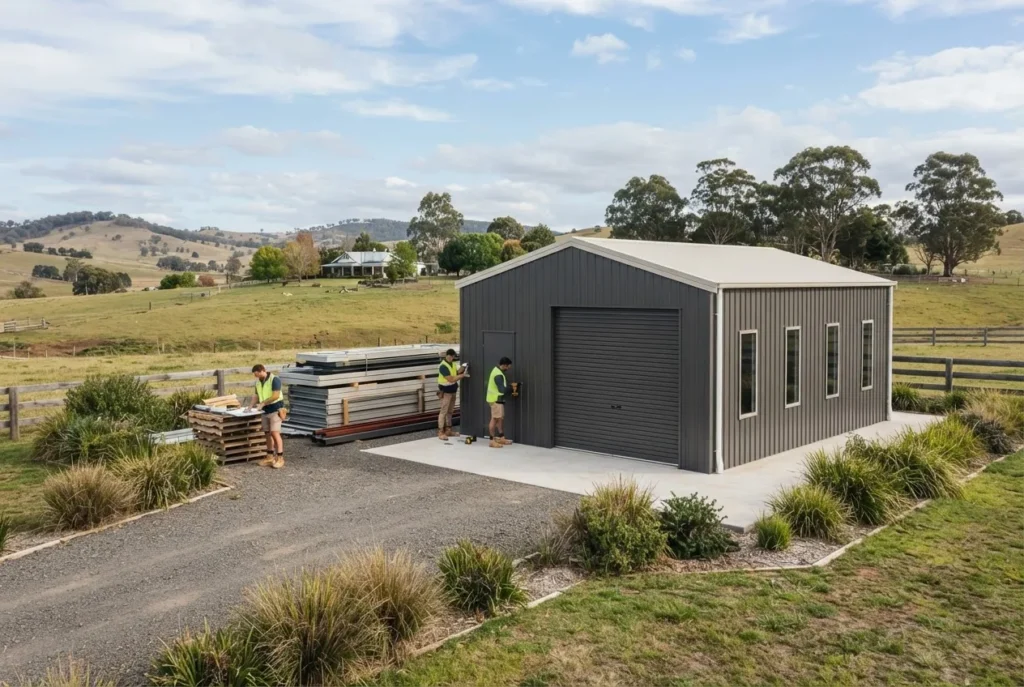
- Professional installation: Ensures compliance with standards, handling of difficult sites, and faster turnaround but costs more.
DIY is feasible but requires proper tools, instructions, and site prep. Professional installers offer warranties and peace of mind.
Site Selection and Preparation Best Practices for Optimal Longevity
- Choose a level, well-drained location to avoid water pooling
- Ensure easy access for delivery trucks and installation equipment
- Clear vegetation and debris to prevent pest infestation and moisture build-up
- Consider proximity to power and water connections if required
Timeframes and Cost Factors in Installation
Installation typically takes 1–5 days depending on foundation type, site conditions, and assembly complexity. Costs range from $1,500 to $4,000 AUD for professional installation of a 6×4 Colorbond shed, based on 2024 industry estimates.
Understanding these factors helps plan your shed acquisition and budget accurately.
For shade and protection, awning design Colorbond shed installations complement 6×4 sheds in outdoor workspace setups, explain in our awning shed guide.
Pricing Guide and Cost Factors of 6×4 Colorbond Garden Sheds
Typical Price Ranges for 6×4 Colorbond Garden Sheds and Workshops
| Price Component | Estimated Cost (AUD) | Notes |
|---|---|---|
| Basic 6×4 Colorbond garden shed kit | $3,000 – $5,500 | Includes panels, frame, doors, standard roof |
| Customisations (insulation, windows, shelves) | $500 – $1,200 | Depending on requirements and materials |
| Foundation (concrete slab or base) | $1,000 – $3,000 | Varies by site complexity |
| Professional installation | $1,500 – $4,000 | Labour, transport, assembly |
| Council fees (permits, approvals) | $100 – $1,000+ | Dependent on council and shed usage |
Factors Affecting Costs: Materials, Features, Customisations
- Size and roof style (gable, skillion, flat)
- Door type and number
- Window inclusion and ventilation
- Insulation and internal fit-outs
- Colour choice (some premium colours cost more)
- Delivery distance and site access
Comparing 6×4 Sheds with Alternative Materials and Size Options
While Colorbond steel commands a premium price owing to its durability and finish, alternatives such as timber, zincalume, or plastic offer lower upfront costs but higher long-term maintenance.
For buyers considering affordability options, explore affordable Colorbond garden sheds in Adelaide for regional pricing insights.
Budgeting Tips for Australian Buyers
- Request multiple quotes and compare inclusions
- Plan for contingencies such as unexpected site prep or delays
- Include potential council fees early in your budget
- Factor in ongoing maintenance costs (minimal for Colorbond)
Clear budgeting ensures the shed meets your needs without surprises.
Door, Ventilation, and Insulation Options for 6×4 Garden Sheds
Popular Door Types Suitable for 6×4 Sheds: Single, Double, Sliding
| Door Type | Advantages | Considerations |
|---|---|---|
| Single hinged door | Compact, simple installation, cost-effective | Limited width access, better for storage-only sheds |
| Double hinged doors | Wide opening, ideal for equipment access | Requires more clearance in front |
| Sliding doors | Saves space, convenient in tight yards | Requires side clearance for door track |
Ventilation Solutions for Australian Climates: Windows, Vents, and Fans
- Louvers or roof vents help reduce heat and humidity build-up
- Operable windows promote cross ventilation
- Electric exhaust fans can enhance airflow, especially in workshops
- Ensure vents have insect screens to maintain hygiene
Proper ventilation is essential for comfort and to protect contents from moisture damage. For a deeper dive into ventilation strategies for Colorbond sheds, see our comprehensive shed ventilation solutions for Colorbond sheds guide.
Insulation Options: Enhancing Comfort and Protecting Stored Items
- Reflective foil insulation panels reduce heat loading
- Foam board or spray insulation can improve thermal comfort
- Consider insulation when using the shed as a workshop or for sensitive storage
Balancing Security with Accessibility and Airflow
Secure lockable doors and windows provide theft protection. Select door and ventilation combinations that do not compromise security while maintaining functional airflow and user convenience.
Weather and Climate Considerations for 6×4 Sheds in Australia
Impact of Sun Exposure, Rain, and Wind on Shed Performance
Australia’s climate varies widely:
- Coastal areas experience salt-laden winds requiring corrosion resistance.
- Tropical regions demand materials and ventilation that withstand humidity and cyclonic conditions.
- Arid central areas face intense sunlight and temperature swings.
- Temperate southern zones require resistance to rain and occasional frost.
Shed materials and design must factor these conditions. For example, Colorbond steel coatings resist coastal corrosion and UV degradation effectively.
Colorbond’s Role in Corrosion Resistance and Heat Reflection
Colorbond’s advanced coatings reflect solar heat, keeping internal temperatures manageable. High-quality paints and zinc/ aluminium layers protect against rust.
Regional Climate Variations and Choosing the Right Shed Features
- In tropical areas, enhanced ventilation and cyclone-rated fixings are critical.
- In arid zones, lighter colours help reduce heat absorption.
- In coastal regions, select the most corrosion-resistant Colorbond grades available.
Maintenance Tips to Preserve Shed Integrity Over Time
- Regularly inspect and clean gutters and flashing
- Wash panels annually to remove salt deposits and dust
- Touch up scratches promptly to prevent rust spots
- Keep vegetation trimmed away to avoid moisture trapping
Following these best practices extends the lifespan of your 6×4 shed considerably.
Complementing this material overview, let’s review trusted suppliers and brands within Australia.
Leading Australian Suppliers and Brands for 6×4 Colorbond Sheds
Overview of Market-Leading Manufacturers Focused on 6×4 Sheds
- BlueScope’s Colorbond-certified shed manufacturers
- Local bespoke shed fabricators specialising in 6×4 sizes
- National chains offering modular Colorbond sheds with warranty
What to Look for in a Supplier: Warranty, Services, and Reviews
- Minimum 10-year warranty on materials and workmanship
- Compliance with Australian Standards and NCC
- Positive customer feedback on installation and after-sales service
- Availability of customisation options and prompt delivery
Optional Customisation Services Available Locally
- Colour matching and alternative roof styles
- Window and door variations
- Interior shelving, insulation kits, and ventilation upgrades
How to Evaluate and Compare Supplier Quotes
- Request detailed line-item quotes
- Verify inclusion of council approval assistance if needed
- Check for hidden costs such as delivery or site prep
Consult comprehensive reviews for insight on suppliers; consider review aggregators such as best garden sheds and suppliers in Australia for independent assessments.
Troubleshooting and User Tips for 6×4 Shed Owners
- Check regularly for roof and wall panel tightness after strong winds
- Clear gutters seasonally to avoid water damage
- Keep door tracks clean for sliding doors
- Use desiccants or moisture absorbers in humid climates
Variations in Council Regulations by State or Territory (Summary)
- NSW: stricter permitting for sheds over 10 sqm, consult local council portals
- Victoria: permits required for buildings over 10 sqm or where used as a workshop
- Queensland: cyclone ratings mandatory in designated zones
- Western Australia: setback rules vary widely, early planning is advisable
Maximising Shed Longevity and Value
- Invest in quality foundations
- Choose durable and climate-appropriate materials
- Maintain regularly according to manufacturer’s guidelines
- Plan interior fit-outs to maximise space utilisation
For further advice on regulation nuances, installation specifics, and advanced shed uses, exploring resources such as living in a shed in Australia: legal and safe options and garden tool storage in Colorbond steel sheds can provide valuable insights.
Ultimately, the 6×4 shed stands as a versatile, durable, and practical solution for Australian homeowners and tradespeople seeking a manageable yet spacious garden shed or workshop. With Colorbond steel, regulatory compliance, and thoughtful installation, these sheds deliver long-term value and functionality tailored for the Australian climate and lifestyle.
Ready to secure the perfect 6×4 Colorbond garden shed or 6m x 4m workshop for your property? Start by assessing your space, confirming local council requirements, and requesting quotes from trusted suppliers to kickstart your project confidently.
Frequently Asked Questions
What is the difference between a 6×4 garden shed and a 6m x 4m workshop?
A 6×4 garden shed is primarily designed for storing tools and garden equipment, while a 6m x 4m workshop is tailored as a functional workspace for trades, hobbies, or small business activities. The workshop often requires better ventilation, electrical access, and sturdier foundations.
How does Colorbond steel benefit 6×4 sheds compared to other materials?
Colorbond steel offers superior durability, corrosion resistance, and UV protection compared to timber or zincalume. It maintains colour vibrancy for 25+ years, resists Australian weather extremes, and requires minimal maintenance, making it ideal for 6×4 garden sheds and workshops.
Why is a 6×4 shed considered the ideal size for Australian backyards?
The 6×4 shed balances ample space and compact footprint, suiting typical Australian suburban block sizes. It avoids exceeding setback and height restrictions while accommodating both storage and workshop uses, maximizing backyard utility without high regulatory barriers.
When should you choose double doors over sliding or single doors for a 6×4 shed?
Double doors suit wide equipment access and larger tools, ideal for workshops needing large entry. Sliding doors save space in tight yards but require side clearance. Single doors are cost-effective for smaller storage needs with limited access requirements.
Can a 6×4 shed be customised for both garden storage and workshop use?
Yes, 6×4 sheds can be partitioned or arranged with movable shelving to serve dual purposes. Combining garden storage and workspace increases functionality and value while efficiently using the 24 square metre area.
Is council approval always required for installing a 6m x 4m Colorbond shed?
Not always, but often yes. Since 6×4 sheds cover 24 sqm, many Australian councils require approval due to size and intended use—especially if used as workshops. Always check local regulations before installation.
How do ventilation and insulation options enhance comfort in a 6×4 Colorbond workshop?
Proper ventilation reduces heat and humidity buildup, improving air quality and comfort during work. Insulation helps regulate temperature, protecting stored items and creating a more usable year-round workspace inside a 6×4 Colorbond shed.
Which foundation type is best for a 6×4 shed used as a workshop?
A concrete slab foundation is ideal for workshops due to its durability, level base, and resistance to vibration and weight. It supports long-term stability and compliance with building standards for a 6×4 shed used as a workspace.