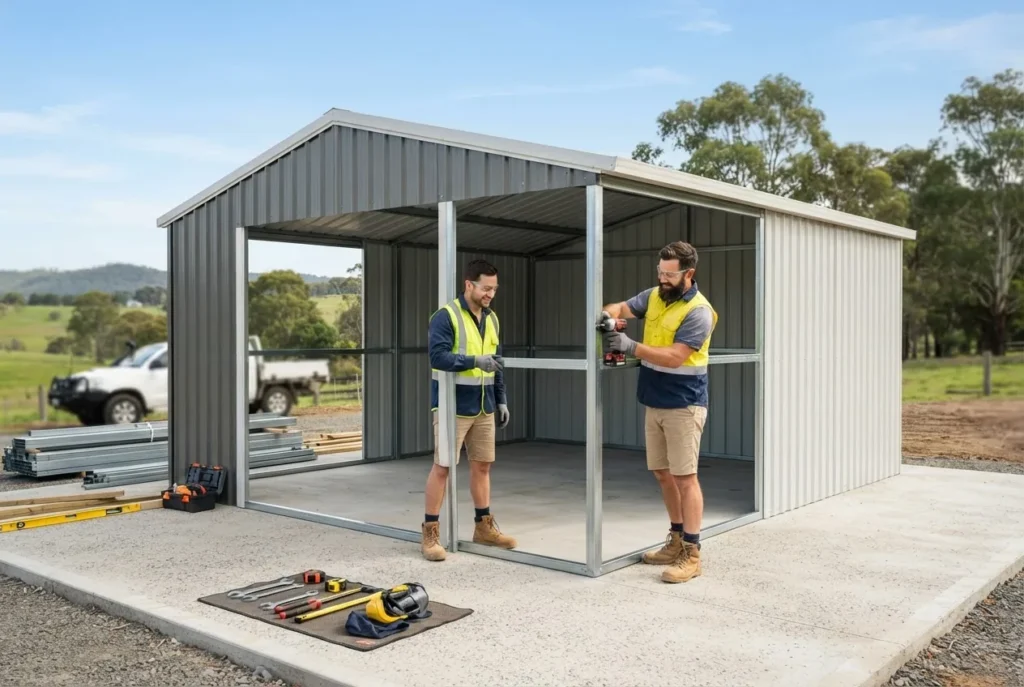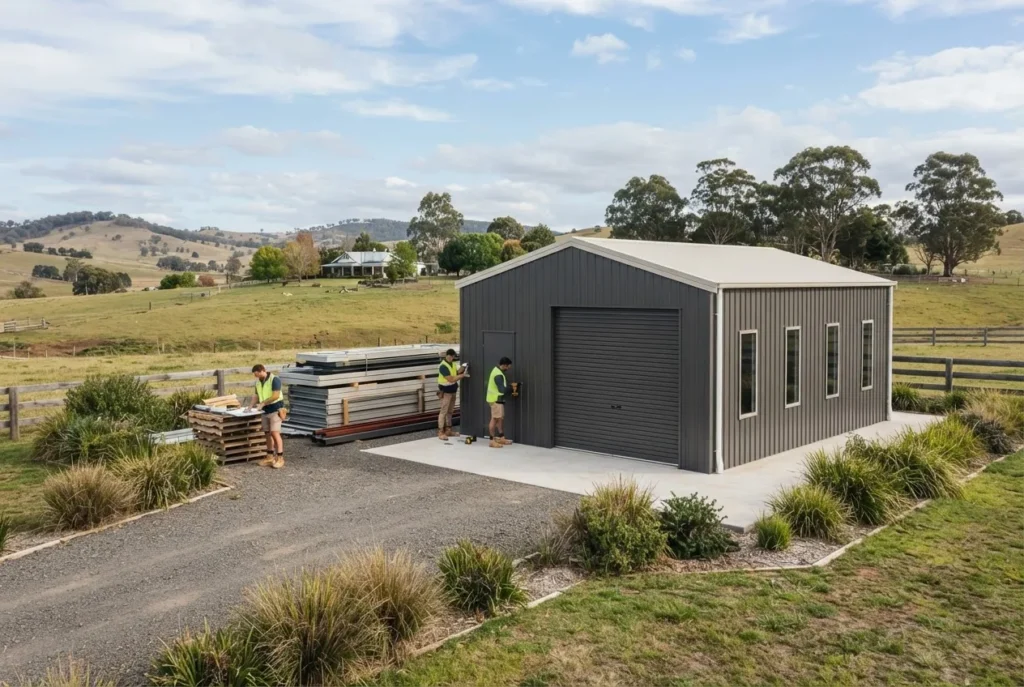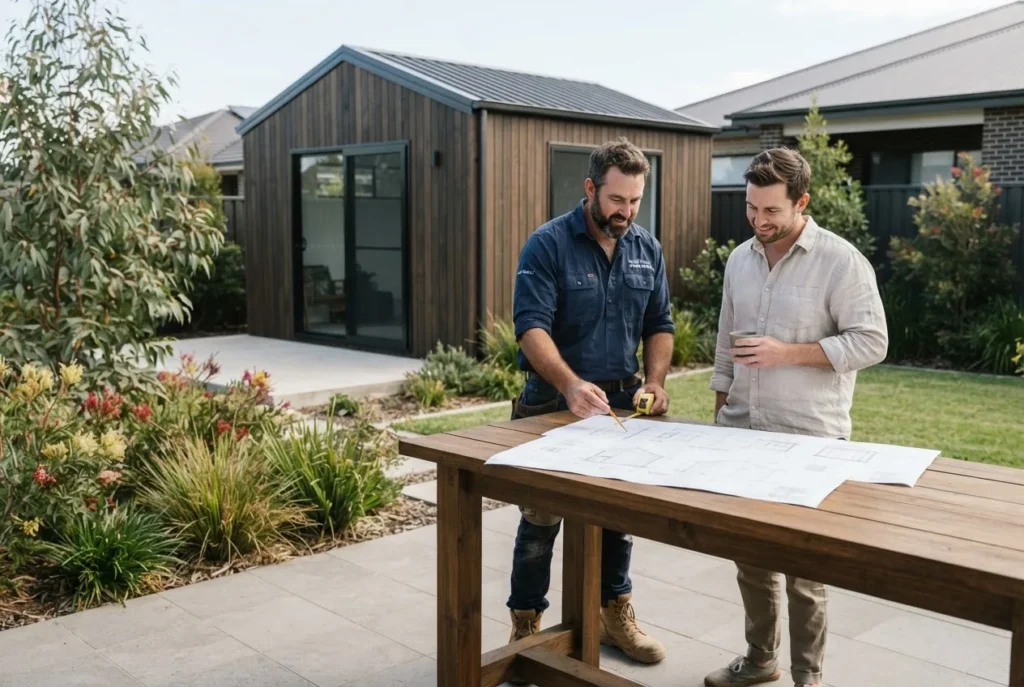

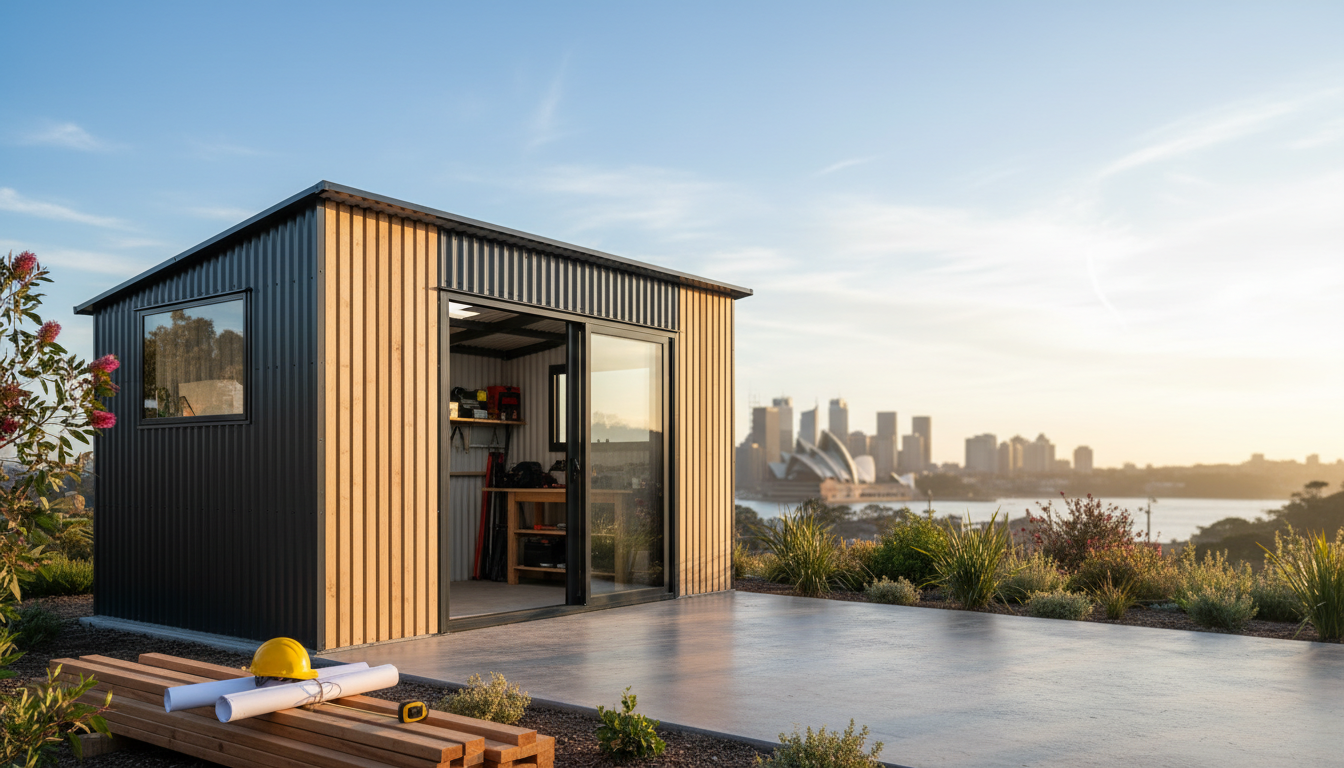

Planning to build a bespoke shed tailored to your Sydney property in 2025? This comprehensive guide on Custom Sheds Sydney: 2025 Guide to Design, Council Approval, Pricing and Installation unpacks every critical aspect you need—from innovative design principles and navigating local council regulations, to detailed pricing breakdowns and expert installation advice specific to Sydney’s unique environment. Whether you’re aiming for a custom garden shed, a robust storage solution, or a sleek garage, this guide ensures your project ticks all the boxes legally, financially, and practically.
Understanding Custom Shed Design Principles for Sydney Homes
Designing a custom shed in Sydney means balancing style, functionality, and compliance with the city’s climatic and regulatory demands. Custom sheds are no longer just simple storage units; they incorporate highly modular designs, durable materials, sustainable features, and bespoke storage solutions that optimise space and usability.
Modular Design Concepts and Benefits for Custom Garden Sheds
Modular design revolutionises the way garden sheds are conceived. Instead of fixed layouts, modular sheds consist of individual units or “building blocks” that can be expanded or reconfigured as needs evolve. For Sydney homeowners, this means flexibility to add mezzanines, storage compartments, or even a small workspace without costly rebuilds.
- Allows incremental expansion without major structural changes
- Simplifies delivery and installation logistics within urban Sydney constraints
- Enables adaptability to council-imposed size or setback restrictions by reconfiguring modules
- Facilitates future upgrades such as insulation or energy-efficient installations
The modular approach aligns well with the diverse zoning and property profile of Sydney suburbs.
Choosing the Right Materials: Why Colorbond Steel Dominates Sydney
Colorbond steel sheds design options dominate Sydney’s custom shed market due to their exceptional durability, weather resistance, and aesthetic versatility. These roofs and walls are engineered to withstand coastal winds, salty air, and the intense UV exposure common in Sydney’s climate.
- High corrosion resistance suited for Sydney’s coastal environments
- Wide palette of contemporary colours blending with urban and suburban landscapes
- Lightweight yet structurally strong, facilitating easier installation
- Low maintenance compared to timber or traditional steel options
Alternatives such as treated timber or composite cladding are less prevalent, mainly due to maintenance challenges or less favourable weather resilience. For a thorough overview of materials, see our Colorbond steel sheds design options guide.
For designs incorporating awning or lean-to styles, our Awning Shed Guide Australia covers custom Colorbond sheds suitable for Sydney weather.
Incorporating Custom Features: Mezzanines, Windows, and Storage Solutions
Custom garden shed features allow homeowners in Sydney to maximise their shed’s functionality. Popular inclusions for bespoke builds include:
- Mezzanines: Adding a mezzanine level nearly doubles usable floor space without increasing the shed’s footprint, ideal for cramped Sydney backyards.
- Windows and Skylights: Strategically placed for natural lighting and ventilation while adhering to council side setback rules.
- Integrated Storage Solutions: Built-in shelving, tool racks, and lockable cabinets tailored to gardening or workshop needs.
- Power and Lighting: Electrical wiring for tool charging, lighting, or hobby spaces is increasingly common in Sydney’s modern custom sheds.
Custom features such as integrating outdoor bar storage can add function; see our Bar Storage Shed guide for layout and council considerations. Distinctive uses like man cave sheds require thoughtful design and approvals; explore our comprehensive Man Cave Shed guide.
These features not only enhance usability but can positively impact the shed’s council approval when designed for minimal visual impact.
Sustainable and Energy-Efficient Shed Options in 2025
With sustainability becoming a central concern for Sydney residents, incorporating eco-friendly designs is both a lifestyle choice and a practical benefit. Options include:
- Solar panel-ready roofing for off-grid power solutions
- Rainwater catchment systems integrated into shed design
- Use of recycled or low-embodied energy materials approved under Sydney council regulations
- Natural insulation to reduce heating/cooling needs
Builders and designers increasingly recommend sustainable sheds to future-proof properties against rising energy costs and regulatory trends.
Weather-Resilient Design Considerations: Wind Ratings & Flood Zones
Sydney’s variable weather—ranging from strong coastal winds to localized flood-prone areas—directly influences shed design. Compliance with Australian Standards such as AS4055 for wind loading classification is mandatory. For example, sheds in northern coastal Sydney suburbs require higher wind resistance levels and corrosion protection.
Considering Sydney’s varied climate, our cyclone-rated garden sheds guide offers insights into wind-resistant designs.
Flood overlay zones mapped by local councils also dictate foundation design and elevation to minimise water damage risks. Incorporating these weather resilience factors at the design phase ensures approval ease and longevity of your custom shed.
Next, we explore how Sydney’s local council authorities regulate these design considerations and the approval pathways you’ll navigate.
Navigating Sydney Local Council Authorities and Their Regulations
Understanding Sydney’s local council landscape is crucial for achieving a smooth approval process for your custom shed. The city spans multiple councils with overlapping but distinct zoning laws and permit requirements. The primary governing bodies for shed approvals include:
| Council | Region Covered | Relevant Shed Regulations | Online Portal / Resource |
|---|---|---|---|
| City of Sydney Council | Central Sydney, Inner West | Strict height and setback requirements; Design Review Panel consultations | Council Building Consultation |
| NSW Planning Portal | Statewide including metropolitan Sydney | DA, CDC lodgement and tracking system; zoning codes repository | NSW Planning Portal |
| Local Sydney Councils (e.g., Inner West, Northern Beaches) | Various suburbs | Specific bylaws addressing shed size, placement, and appearance | Varies by council website |
Shed zoning laws Sydney NSW are typically defined under residential zoning classifications R2 and R3, which govern single dwelling and low-density housing. These standards include:
- Maximum shed height (usually no more than 3.6m in most zones)
- Setback distances from property boundaries (typically 900mm to 1.5m)
- Total ground coverage limits combined with dwelling and other structures
- Permitted uses (garden sheds, garages, or ancillary structures only)
For those considering residential-style sheds, our Shed House Blueprints guide details planning and permit considerations relevant to Sydney.
Building compliance and safety standards also necessitate adherence to the National Construction Code (NCC) for small structures, referencing Australian Standards such as AS1170 for loadbearing and AS1684 for timber framing.
Given Sydney’s coastal and temperate climate, councils are especially vigilant about drought resilience and stormwater runoff management. Local codes may require rainwater redirection or use of permeable bases.
With this regulatory landscape in mind, the next section details the step-by-step building approval process tailored for custom sheds in Sydney, including key documentation and best practices for avoiding common pitfalls.
Step-by-Step Building Approval Process for Custom Sheds in Sydney
Building approval is often the most challenging hurdle for custom shed projects in Sydney. Knowing the right pathway and order of action can save months and unexpected expenses.
- Determine Permit Requirements
Check if your shed qualifies for exempt development or requires formal approval. Many small sheds under specific size/height limits can proceed without a Development Application (DA) but may still need Complying Development Certificate (CDC) approval.
- When to Apply for a Development Application (DA)
Apply for a DA if your design exceeds limits for exempt development—typically if your shed is larger than 10m² with higher roof heights or built in sensitive zones (heritage, bushfire prone).
- Complying Development Certificate (CDC): Streamlined Approval Pathways
CDC is a faster alternative to DA available for meets-code sheds. Submit your plans to an accredited certifier who will review for compliance with zoning, structural, and environmental laws.
- Prepare Documentation and Plans
Essential documents include:
- Site plan showing setbacks and property boundaries
- Elevation drawings indicating height and roof pitch
- Structural specifications referencing Australian Standards
- Environmental impact statements if required (e.g., flood risk analyses)
- Evidence of neighbour consultation if required by council
- Submit to Relevant Council or Accredited Certifier
Applications are lodged via council portals or through private certifiers accredited under NSW laws.
- Respond to Council Requests
Councils may request plan amendments or additional info. Timely and clear communication can facilitate approval.
- Receive Approval and Obtain Permits
Once approved, keep permits on-site and schedule your installation in line with permit conditions.
The approval steps for 12 x 8 sheds closely align with Sydney council processes discussed here; details are in our 12 x 8 shed council approval and cost procedures guide.
Common pitfalls include incorrect zoning classification, submitting incomplete plans, or ignoring height and setback restrictions. Proactive consultation with Sydney shed builders familiar with local council processes can mitigate these risks.
For comprehensive buyer advice on approvals and custom options, see our Garden Shed Buyer’s Guide for material and approval insights.
Next, we break down the pricing components you need to budget for when commissioning or purchasing a custom shed in Sydney.
Pricing Breakdown: Cost Components for Custom Sheds in Sydney
Pricing for custom sheds Sydney in 2025 varies significantly depending on size, features, materials, and compliance costs. Understanding these components helps establish realistic budgets and avoid unexpected expenses.
Material Costs: Colorbond Steel, Timber, and Other Popular Choices
Material costs dominate the base price. For a typical 6x4m custom shed in Sydney, current material prices approximate:
| Material | Estimated Cost per m² (AUD) | Notes |
|---|---|---|
| Colorbond Steel Cladding | $85 – $120 | Popular for durability and weather resistance |
| Treated Timber | $65 – $90 | Less expensive but higher maintenance |
| Composite Panels | $100 – $140 | Premium option, often for insulation purposes |
| Concrete Foundations | $150 – $200 per m² | Dependent on soil conditions and slab thickness |
Labour and Shed Builders Sydney: Hiring Local Experts
Labour costs in Sydney reflect the city’s high cost of living and skilled labour demand. Typical rates for shed builders Sydney average:
- Installation and assembly: $50 – $80 per hour
- Design and engineering consultation: $100 – $150 per hour
- Project management: 10% – 15% of total build cost
Engaging experienced local shed builders offers practical benefits, including familiarity with council requirements and Sydney’s variable weather challenges.
Permits, Certification Fees, and Other Regulatory Expenses
Permit and certification fees also contribute up to 10% of total project costs and can include:
- Development Application fees: $500 – $1,500 depending on council and shed size
- Complying Development Certificate fees: approximately $300 – $800
- Engineering certification or specialised assessments (e.g., flood zone analysis): $400 – $1,000
Optional Costs: Custom Features and Sustainable Upgrades
Adding custom features such as mezzanines, electrical wiring, or rainwater harvesting systems increases costs by $500 to several thousand dollars. Sustainable and energy-efficient building materials or solar readiness can raise initial costs but may offer long-term savings and council incentives.
Sample Pricing Scenarios for Typical Sydney Garden Sheds
| Scenario | Description | Estimated Total Cost (AUD) |
|---|---|---|
| Basic 6x4m Colorbond garden shed | Standard design, concrete slab, no custom features | $9,000 – $12,000 |
| Custom 8x6m shed with mezzanine and windows | Enhanced design, sustainable materials, electrical wiring | $18,000 – $24,000 |
| Garage Sydney style integrated with storage solution | Permitted garage usage, council-approved, full installation | $28,000 – $35,000 |
For supplementary local pricing context, review our Barn sheds pricing and council approvals resource.
For those considering smaller sheds, see our detailed 10×10 Colorbond garden shed pricing and specs guide. Larger-storage needs should review our comprehensive 10 x 20 Colorbond storage building cost guide for Sydney. Learn more about mid-size garden sheds including pricing and design in our 10×6 garden shed pricing and design options. For a square 3 x 3m variant, explore our detailed 3 x 3 garden shed pricing and specs guide. Smaller footprint sheds like 2 x 2m are a popular option; consult our 2 x 2 Colorbond garden shed pricing and installation tips.
Installation Processes and Best Practices in Sydney
Installing a custom shed in Sydney requires attention to local ground conditions, weather, and council compliance to ensure a successful build with minimal delays.
Site Preparation and Foundation Setting in Sydney Conditions
Site preparation involves excavation, levelling, and ensuring drainage aligns with flood risk management. Sydney’s clay-rich soils necessitate well-planned foundations to prevent settling and cracking. Common foundation types include concrete slab and pier footings.
Concrete floors should comply with Sydney’s building codes, factoring in slab thickness, reinforcement, and moisture barriers. For example, a 100mm thick slab with steel mesh reinforcement is typical for standard garden sheds.
More details on foundation specs and council approvals can be found in our concrete shed floor guide for Sydney conditions.
Step-by-Step Shed Assembly and Installation Tips
- Verify all materials and hardware on site against design plans
- Construct foundation or footings as per engineer specifications
- Install floor frame and decking components
- Assemble wall panels or frame sections, incorporating bracing for wind stability
- Fix roofing sheets, ensuring correct overlap and flashing for weatherproofing
- Install doors, windows, and finish trims
- Conduct electrical and plumbing installations if required, certified per local laws
- Apply final coatings or protective treatments
Role of Professional Shed Installation Sydney Contractors
While DIY may suit some, most Sydney homeowners benefit from hiring professional shed builders with local expertise. These contractors manage permits, sourcing materials, and council inspections. They also anticipate foreseeable issues like access limitations in dense residential areas or weather delays.
Post-Installation Compliance Checks and Maintenance Advice
After installation, verify that sheds comply with council-approved plans through council inspections or private certifiers. Regular maintenance—such as checking fastenings, repainting, and clearing gutters—prolongs shed life and compliance, especially in Sydney’s rapidly changing climate.
For an in-depth look at professional installation and cost considerations, see our garden shed installation costs and pro tips in Australia.
Storage locker options are increasingly popular; while Sydney-specific guides are limited, our Storage Lockers Perth article offers insights on council-compliant storage sheds.
Frequently Asked Questions and Additional Local Insights
How Long Does the Council Approval Take for a Custom Shed in Sydney?
Approval times vary by application type and council workload. Complying Development Certificates may be processed within 10 to 20 business days, whereas Development Applications can take 2 to 6 months due to assessments and possible objections.
Can I Build a Custom Garden Shed in Sydney Without Formal Approval?
Only if the shed meets strict exempt development criteria (generally small size, height under 3m, and setback compliance). Otherwise, building without approval risks fines, forced removal, and sale complications. Always verify with your local council.
What Are the Most Trusted Shed Builders Sydney Locals Recommend?
Shed builders with a proven track record in council approvals and custom designs are preferred. Recommendations often include builders registered with the Housing Industry Association (HIA) and accredited with NSW Building Professionals Board. Check online reviews and ask for local references.
How to Ensure Your Shed Design Aligns With Sydney’s Weather Challenges?
Engage professionals familiar with AS4055 wind classifications and flood overlay regulations. Choose Colorbond steel suited for coastal corrosion resistance, incorporate flood-resilient foundations, and address drainage properly per your council’s guidelines.
Are There Grants or Incentives for Sustainable Shed Building in NSW?
NSW offers incentives such as rebates for solar panel installation and water-saving systems which may extend to sheds equipped with these features. Check with NSW Government Environmental Grants for current programs.
For legal risks of circumventing approvals, see our guide on risks of building a custom shed without council approval in Sydney.
With a well-informed plan, expert builders, and council-approved designs, your custom shed in Sydney can become a reliable, attractive, and compliant feature for years to come.
Ready to start your custom shed project in Sydney? Consult trusted local shed builders today and leverage this 2025 guide to ensure your design, approvals, and installation go smoothly from start to finish.
Frequently Asked Questions
What is the difference between a Complying Development Certificate (CDC) and a Development Application (DA) for sheds in Sydney?
A CDC is a faster approval process for sheds that meet specific standards, bypassing the full DA. A DA is required for larger or more complex sheds or those in sensitive zones, involving a detailed council assessment and possibly longer approval times.
How do modular shed designs benefit homeowners in Sydney compared to traditional fixed designs?
Modular sheds offer flexibility for future expansion or reconfiguration, simplify delivery and installation in tight urban spaces, and help comply with council size or setback restrictions, making them more adaptable for evolving homeowner needs in Sydney.
Why is Colorbond steel preferred over timber or composite materials for sheds in Sydney’s climate?
Colorbond steel is highly corrosion-resistant, lightweight, and requires less maintenance than timber or composites. It withstands Sydney’s coastal winds, salty air, and UV exposure better, making it the dominant material choice for durable and low-maintenance sheds.
Can you explain what “exempt development” means for building sheds in Sydney?
Exempt development allows certain small sheds that meet strict size, height, and setback criteria to be built without formal council approval, speeding up construction but requiring full compliance with local regulations to avoid penalties.
Which local Sydney councils have the strictest requirements for custom shed approvals?
The City of Sydney Council enforces strict height, setback, and design review requirements. Other councils like those in the Inner West and Northern Beaches also have detailed bylaws, but the City of Sydney is known for the most rigorous regulations.
How do sustainable features like solar panels affect the cost and approval of garden sheds in Sydney?
Adding solar panels increases initial shed costs but may qualify for NSW government rebates. Approvals require plans showing energy-efficient integrations, which can improve council acceptance and reduce long-term energy expenses.
What are the main cost differences between hiring local shed builders in Sydney versus using a DIY approach?
Hiring local builders accounts for council compliance expertise and quality assurance, costing more upfront ($50–$80/hour labour), whereas DIY may lower labour costs but risks non-compliance, delays, and potential fines if permits aren’t secured.
How does Sydney’s variable weather influence foundation choices for custom sheds?
Sydney’s clay soils and flood zones require sturdy foundations like reinforced concrete slabs or pier footings. Proper drainage and elevation prevent settling and water damage, ensuring structural stability and council compliance.