
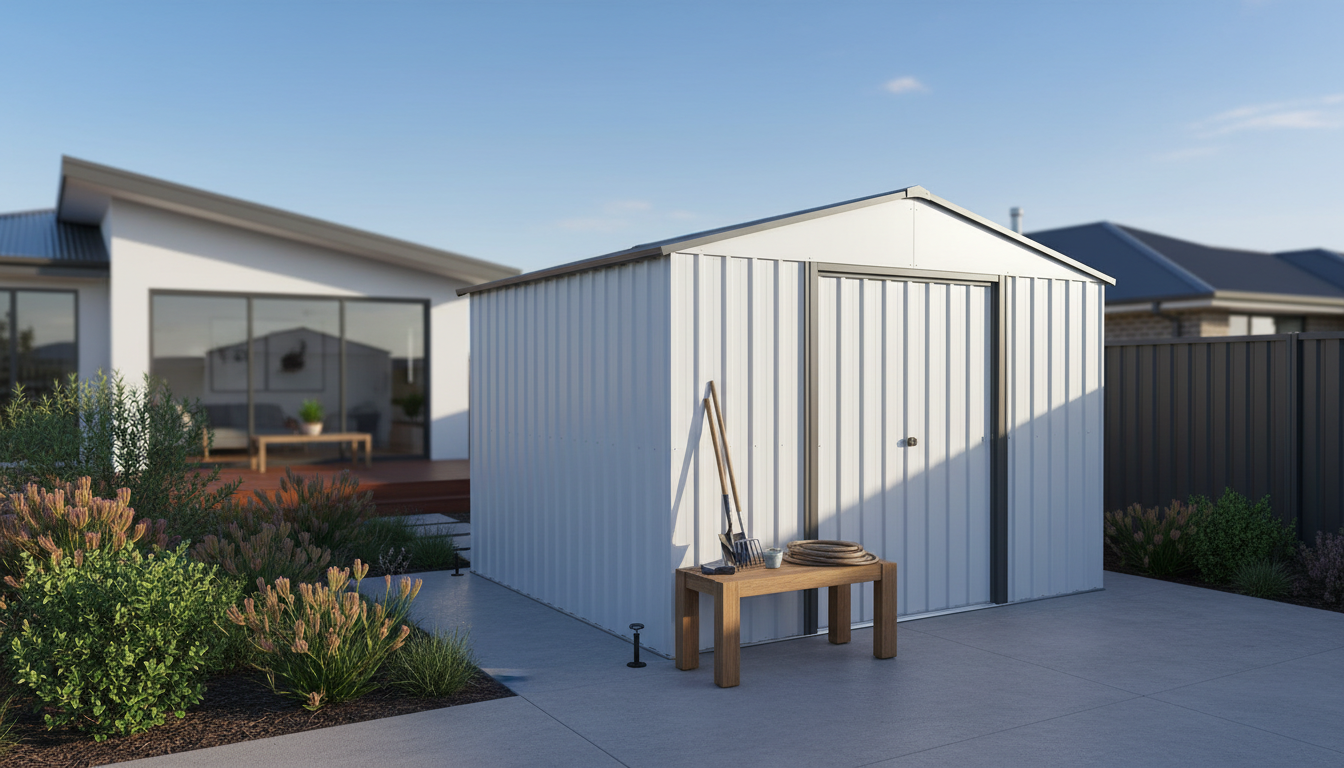

Choosing cyclone rated garden sheds in Australia demands a careful understanding of the latest 2025 wind-rating standards combined with advanced materials like Colorbond steel. This guide equips you with insights on compliance, design innovations, and installation best practices to ensure your garden shed not only meets strict cyclone requirements but also stands resilient in the harshest wind conditions.
Understanding Cyclone Wind Rating Standards for Garden Sheds in Australia
The cornerstone of safe shed construction in cyclone-prone areas is adhering to AS/NZS 1170.2 Wind Actions Standard. This Australian/New Zealand standard provides a rigorous framework for assessing wind loads on structures, including garden sheds, ensuring they can withstand cyclonic forces typical in regions such as Queensland and the Northern Territory.
Overview of AS/NZS 1170.2 Wind Actions Standard
AS/NZS 1170.2 defines regional cyclone wind speeds, gust factors, and pressure coefficients used to calculate design wind loads. Structures subjected to these loads must meet minimum strength and deformation criteria to be certified cyclone rated. The standard categorises Australian areas into wind speed zones ranging from less than 45 m/s (non-cyclonic) to more than 70 m/s (cyclonic classifications).
Wind Load Classifications Relevant to Garden Sheds
Wind load classifications in the standard are tailored by structure type, height, and exposure. Garden sheds fall under light structure classifications, where key parameters include:
- Design wind speed (nominal value specific to cyclone zones)
- Importance level reflecting usage—sheds are generally Importance Level 2, meaning standard wind loading applies
- Terrain category describing surface roughness, influencing wind pressure calculations
These classifications help manufacturers engineer kits with the appropriate framing and anchoring to resist uplift, lateral, and racking forces.
Differences Between Cyclone Rated and Non-Rated Structures
Unlike general storage sheds, cyclone rated sheds undergo detailed structural verification to withstand uplift and lateral wind forces specific to cyclone wind zones. Non-rated sheds lack these reinforcements and testing, making them vulnerable to damage or destruction during severe storms. Cyclone rated structures feature reinforced framing, specialized tie down systems, and durable cladding materials designed for high wind resilience.
Testing and Certification Processes for Cyclone Ratings
Cyclone rated garden sheds are subject to wind tunnel testing, computer modeling, and on-site stress inspections. Third-party certification ensures compliance with AS/NZS 1170.2 by validating that shed assemblies meet minimum safety margins. Manufacturers provide documentation proving that designs have passed these rigorous tests, a crucial compliance requirement for council approval in cyclone-prone zones.
Understanding these standards forms the foundation for selecting a garden shed that safely endures Australia’s intense wind conditions. Next, we explore why Colorbond steel remains the material of choice for these specialized applications.
Why Colorbond Steel is Ideal for Cyclone Rated Garden Sheds
Properties of Colorbond Steel and BlueScope’s Role
Developed by BlueScope Steel, Colorbond steel is engineered for Australian environmental conditions, combining a high-tensile steel base with a premium paint system that provides superior strength and weather resistance.
The steel’s key advantages include:
- High yield strength enabling thinner panels with greater load capacity
- Advanced pre-painted surface treatments improving adhesion and reducing flaking
- Flexibility in fabrication allowing reinforced framing integrations for cyclone resistance
Corrosion Resistance and Durability in Coastal and Cyclone Regions
Colorbond steel’s corrosion resistance is vital for cyclone-prone coastal zones exposed to salt-laden winds and frequent rain. Its high resistance to rust extends shed longevity beyond alternatives like untreated steel or untreated timber cladding. Anti-corrosive coatings minimize maintenance, critical where repeated exposure to cyclone weather imposes harsh conditions.
Comparison: Colorbond vs. Other Shed Cladding Materials
| Material | Wind Resistance | Corrosion Resistance | Maintenance | Typical Lifespan |
|---|---|---|---|---|
| Colorbond Steel | High (suitable for cyclone rated sheds) | Excellent (suitable for coastal zones) | Low | 20+ years |
| Untreated Steel | Moderate | Poor (prone to rust) | High (frequent repainting) | 5-10 years |
| Timber Cladding | Low to Moderate | Variable (subject to rot & insect attack) | Moderate to High | 10-15 years |
| Polycarbonate Panels | Low | Excellent | Moderate (scratches, UV fading) | 10 years |
This comparison clearly positions Colorbond steel as the leading choice balancing strength, durability, and ease of maintenance, explaining its popularity among cyclone rated shed options.
Colour and Finish Options Suitable for Cyclone Areas
Colorbond offers an extensive Colorbond shed colour palettes for cyclone regions that combine aesthetics with performance. Lighter colours help reflect heat, reducing thermal expansion stresses which can affect panel integrity during cyclonic conditions. All finishes maintain UV resistance and colour stability critical for prolonged outdoor exposure.
With material fundamentals covered, we now turn to the specific structural and design features that empower cyclone rated garden sheds to perform reliably in extreme wind.
Design and Construction Features of Cyclone Rated Garden Sheds
Shed Frame Construction Methods Meeting Cyclone Standards
Cyclone rated garden sheds utilise engineered frames designed to resist tensile and compressive wind forces. Approved framing methods include:
- Hot-dip galvanized steel framing with cross-bracing to resist racking
- Precision welded joints to maintain structural rigidity under load
- Section members sized per sectional modulus calculations aligned with AS/NZS 1170.2 requirements
- Integrated structural gussets and stiffeners to transfer stress effectively
This contrasts typical shed frames which may rely on lighter gauge steel or timber with limited bracing, insufficient for cyclone loads.
Incorporating proven barn shed design options ensures your cyclone rated garden shed meets both durability and aesthetic standards.
Reinforcements and Structural Enhancements for Wind Resistance
Additional structural features include:
- Diagonal braces installed internally to reinforce walls and roof planes
- Heavier gauge steel sections in corners and openings where wind pressure concentration is greatest
- Double-layered wall cladding to improve impact and penetration resistance
- Roof purlins designed to withstand uplift forces exceeding 2 kPa in high wind zones
These enhancements increase the shed’s overall resilience to wind speeds surpassing 50 m/s, typical for cyclone zones.
Importance of Tie-Downs, Brackets, and Specialized Anchoring Hardware
Tie-downs and anchoring systems are critical for preventing uplift and lateral displacement. Recommended hardware includes:
- Heavy-duty galvanized screws and bolts specified to AS 4100 structural steel fastener standards
- Custom brackets designed to fit frame junctions and transfer load uniformly
- Multi-point anchor brackets compatible with concrete pier or slab foundations
- Screw anchors or chemical epoxy anchors embedded deeply into stable soil or concrete footings
Such specialized hardware secures sheds to their foundations, a non-negotiable requirement for cyclone-rated certification.
Integration of Foundations for Optimal Cyclone Resistance
Foundation types strongly influence shed stability. Common options for cyclone-rated sheds include:
- Deep, reinforced concrete footings engineered to resist uplift and overturning
- Concrete slabs with embedded anchor bolts at precise grid points
- Piled foundations in sandy or unstable soils for increased lateral load distribution
- Use of foundation straps or hold-downs integrated with shed frame brackets
Strong foundations complement the aforementioned frame reinforcements and anchor hardware to create a fully cyclone-compliant shed system. Detailed guidance on foundations for cyclone resistant sheds expands on these options.
Having examined critical design and build features, we next explore the legal and regulatory dimensions necessary for approval and certification in cyclone-prone zones.
Compliance, Certification, and Council Approvals in Cyclone-Prone Zones
Navigating Building Permits and Local Council Requirements
Installing a cyclone rated garden shed necessitates compliance with local council building codes and permits. Approval processes typically require:
Understanding the nuances of barn sheds Australia council approvals can significantly ease the permit process for your cyclone-rated shed.
- Submission of engineering specifications and AS/NZS 1170.2 compliance certificates from manufacturers or installers
- Site plans indicating shed location relative to property boundaries and other structures
- Documentation proving selected materials, foundation, and anchoring systems meet cyclone rating standards
- Payment of application fees and inspection scheduling
Procedures vary regionally, with councils in Queensland’s cyclone-prone zones often requiring stricter documentation than less exposed regions.
Documentation Needed to Prove Cyclone Rating Compliance
Key documents include:
- Third-party cyclone rating certificates referencing AS/NZS 1170.2 compliance
- Manufacturer’s technical datasheets for Colorbond cladding and steel framing
- Structural engineering reports validating tie-down and foundation specifications
- Installation records or declarations from certified professionals
Providing comprehensive evidence streamlines council assessment, reducing the risk of application rejection or costly rework.
Regional Variations Across Queensland, Northern Territory, and Others
State-specific requirements influence cyclone shed approvals:
- Queensland applies stringent wind load zones, often requiring wind ratings upwards of N3 or N4 categories
- Northern Territory compliance follows broader national standards but maintains strict anchoring prerequisites due to soil variability
- Other cyclone-affected coastal states impose regionally adapted wind speed classifications
Understanding these regional nuances is critical for proper shed selection and permitting.
Importance of Professional Installation and Inspections
Councils frequently mandate certified professional installation for cyclone rated garden sheds. Professionals ensure correct application of anchor points, tie-downs, and cladding installation per certified designs. Post-installation inspections confirm compliance and verify installation integrity, serving as a prerequisite for occupancy certificates or insurance eligibility.
For a streamlined permit journey, becoming familiar with 6mx3m garden sheds with wind ratings will provide practical permit and compliance insights relevant to cyclone rated installations.
With compliance considerations addressed, the next step is selecting the ideal cyclone rated garden shed tailored to your needs.
Selecting the Right Cyclone Rated Garden Shed for 2025 Needs
Key Features to Look for in a Cyclone Rated Shed
To ensure optimal wind resistance and durability, select sheds featuring:
- Certified AS/NZS 1170.2 cyclone rating documentation
- Colorbond steel cladding with proven anti-corrosive properties
- Galvanized, reinforced steel framing with engineered cross-bracing
- Robust anchoring systems suited to specific soil and site conditions
- Warranty coverage reflecting cyclone-rated specifications
Comparing Cyclone Rated Garden Sheds vs. General Sheds
Cyclone rated garden sheds come with higher structural integrity, superior materials, and compliance documentation, contrasting with lower-grade general sheds designed for mild environments only. While initial outlay may be greater, cyclone rated sheds deliver significantly enhanced safety, longevity, and insurance acceptance.
Cost vs. Long-Term Safety and Durability Benefits
Investing in a cyclone rated Colorbond shed offers:
- Reduced risk of catastrophic damage and costly rebuilds
- Lower insurance premiums due to certified cyclone compliance
- Extended product lifespan minimizing replacement frequency
- Increased property value through compliance and quality assurance
Long-term, these benefits outweigh upfront premium costs for cyclone rated options.
Maintenance Recommendations for Cyclone Rated Colorbond Sheds
Regular inspections are vital to maintaining wind resistance:
- Check for loose or corroded anchor bolts and tie-downs annually
- Clear debris from roofing and gutters to prevent water pooling that might corrode materials
- Touch up scratched or damaged paint with manufacturer-approved materials
- Schedule professional inspections every 3–5 years for structural validation
Routine care preserves the shed’s cyclone rating integrity and extends service life.
If you’re considering smaller formats, our detailed 10 ×10 Colorbond garden sheds guide covers sizing and cyclone suitability efficiently. Additionally, consult the garden shed buyer’s guide Australia 2025 for a broader material and rating comparison.
Next, we cover actual installation and upkeep practices to ensure your cyclone rated garden shed performs flawlessly in the field.
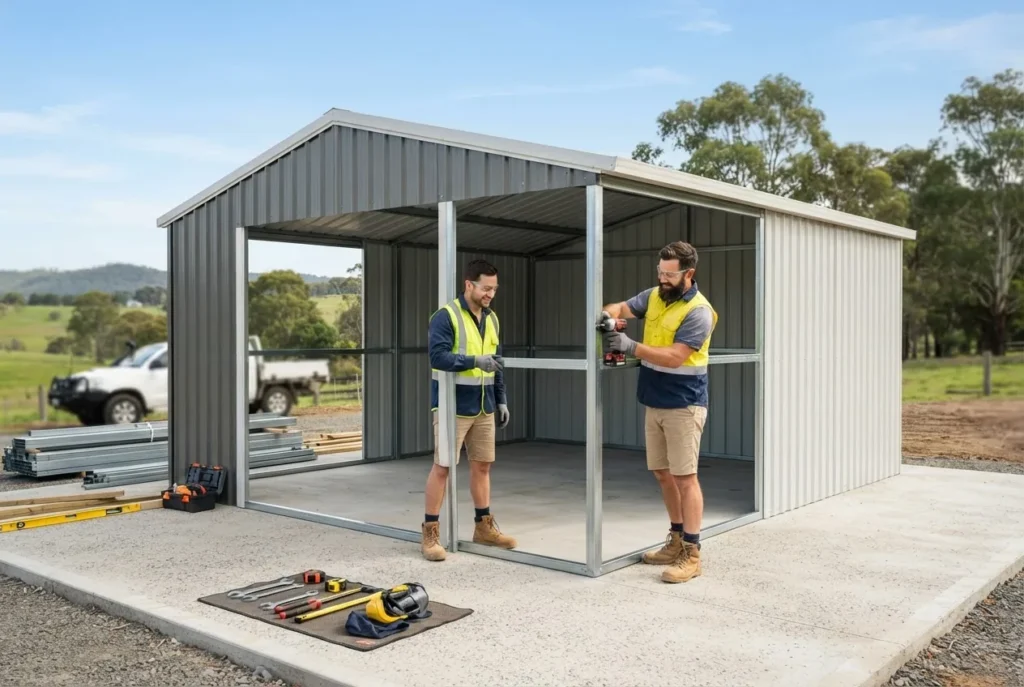
Installation Best Practices and Maintenance Tips for Cyclone Sheds
Step-by-Step Installation Guidelines to Meet Wind Ratings
- Prepare foundation or concrete slab per engineering specifications with integrated anchor points
- Assemble galvanized steel frame ensuring all cross-bracing and welds meet manufacturer instructions
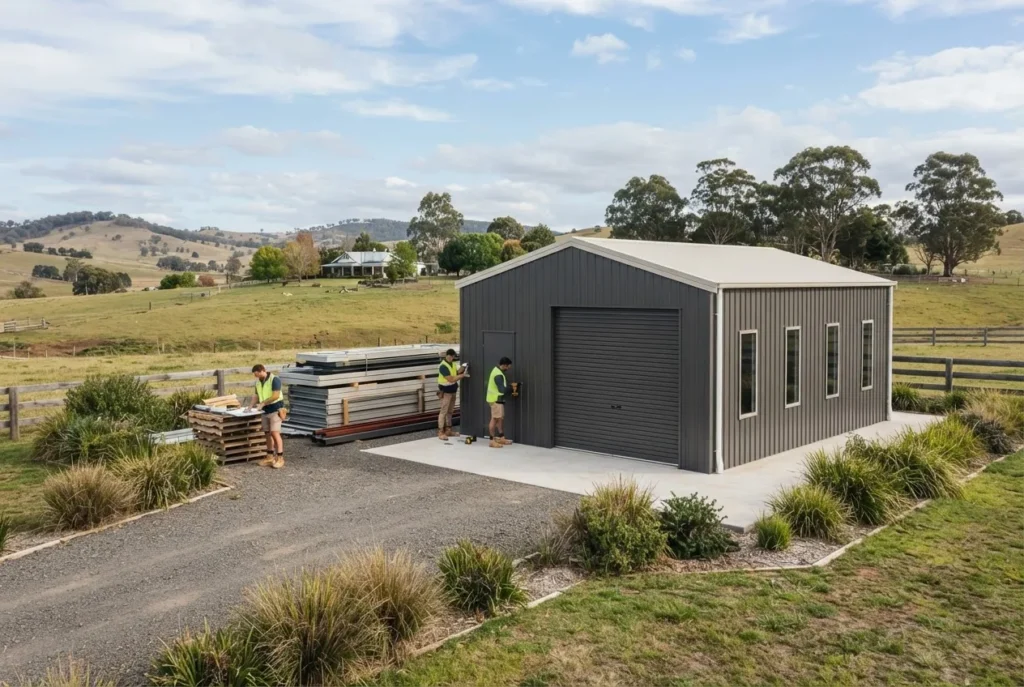
- Install Colorbond steel panels with corrosion-resistant fasteners specified for cyclone zones
- Attach tie-down brackets and fasten anchor bolts tightly with calibrated torque
- Verify alignment and rigidity at every stage to prevent stress concentrations
Essential Anchoring and Tie-Down Techniques
Secure your shed with:
- Multiple anchor points (minimum four) deeply embedded in concrete or stable soil
- Use of heavy-duty bracketry designed to transfer wind uplift forces safely to foundations
- Periodic torque checks on bolts to ensure no loosening post-installation
Periodic Inspection and Upkeep to Maintain Wind Resistance
Conduct these routine inspections:
- Visual check for rust, corrosion or paint damage on Colorbond cladding
- Structural frame inspection for abrasions, dents, or loose connections
- Tightness tests on all anchoring hardware
- Liquid sealant reapplication on joints where necessary to prevent moisture ingress
Common Installation Mistakes to Avoid
- Failing to use cyclone-rated fasteners, leading to premature failure
- Improper foundation depth or strength insufficient for local wind loads
- Skipping engineering certification for structural modifications
- Inadequate sealing compromising corrosion resistance
Adhering to garden shed installation best practices for cyclone rated sheds is essential for safety and longevity.
By combining rigorous design, quality materials, and expert installation, your cyclone rated Colorbond garden shed will serve as a reliable, enduring asset in Australia’s challenging cyclone-prone environments.
Conclusion
Choosing and installing a cyclone rated garden shed in Australia requires comprehensive understanding of the AS/NZS 1170.2 wind standards, selecting appropriate Colorbond steel materials, and ensuring compliant structural and anchoring designs. In 2025, manufacturers and installers have advanced capability to deliver sheds that meet stringent cyclone ratings providing unmatched resilience, durability, and safety. Proper compliance with council approvals and professional installation further protects your investment while offering peace of mind against Australia’s severe weather challenges.
Start your shed project equipped with the insights in this guide, and explore tailored options from compact 10 ×10 Colorbond garden sheds to larger cyclone-rated models. Prioritise certified materials, robust foundations, and expert installation documented throughout the 2025 standards to secure a cyclone resistant garden shed ready for Australia’s toughest winds.
Frequently Asked Questions
What does cyclone rating mean for garden sheds?
Cyclone rating indicates a garden shed’s structural capability to withstand high wind speeds and forces during cyclones, verified through standards like AS/NZS 1170.2. It ensures the shed has reinforced framing, strong anchoring, and durable cladding suitable for cyclone-prone areas.
How do cyclone rated sheds differ from standard garden sheds in durability?
Cyclone rated sheds use heavier gauge steel, reinforced frames, and specialized tie-downs to resist uplift and racking forces, making them far more durable than standard sheds that lack these reinforcements and are vulnerable to cyclone damage.
Why is Colorbond steel preferred over timber for cyclone rated sheds?
Colorbond steel offers superior corrosion resistance, higher tensile strength, and lower maintenance compared to timber, which is prone to rot, insect damage, and warping, making Colorbond ideal for long-lasting cyclone rated sheds.
Which foundation types best support cyclone rated garden sheds?
Deep reinforced concrete footings, concrete slabs with embedded anchors, piled foundations, and integrated hold-down straps provide optimal stability and resistance to uplift, essential for cyclone rated garden shed foundations.
Can existing garden sheds be upgraded to meet cyclone ratings?
Upgrading is possible by reinforcing framing, installing certified tie-downs and anchors, and applying cyclone rated cladding, but professional assessment and engineering approval are required to ensure compliance with relevant standards.
Is professional installation necessary for cyclone rated garden sheds?
Yes, professional installation is crucial to correctly apply engineering specifications, secure anchoring systems, and pass mandatory inspections required for cyclone rating certification and council approvals.
How do cyclone rated garden sheds impact insurance premiums?
They typically reduce insurance premiums due to their certified structural resilience, lowering the risk of storm damage claims compared to non-rated sheds which may incur higher insurance costs or denials.
What maintenance is critical to preserve a cyclone rated Colorbond shed’s rating?
Regularly inspecting and tightening anchor bolts, clearing debris from roofing, repairing paint damage, and scheduling professional structural checks every few years ensure ongoing wind resistance and durability.