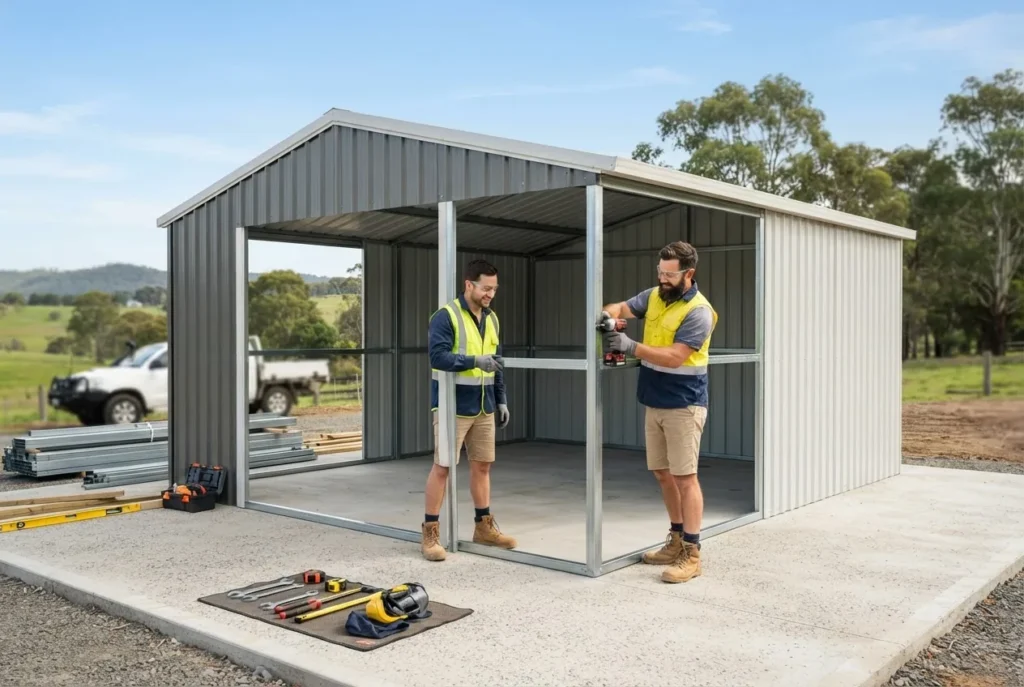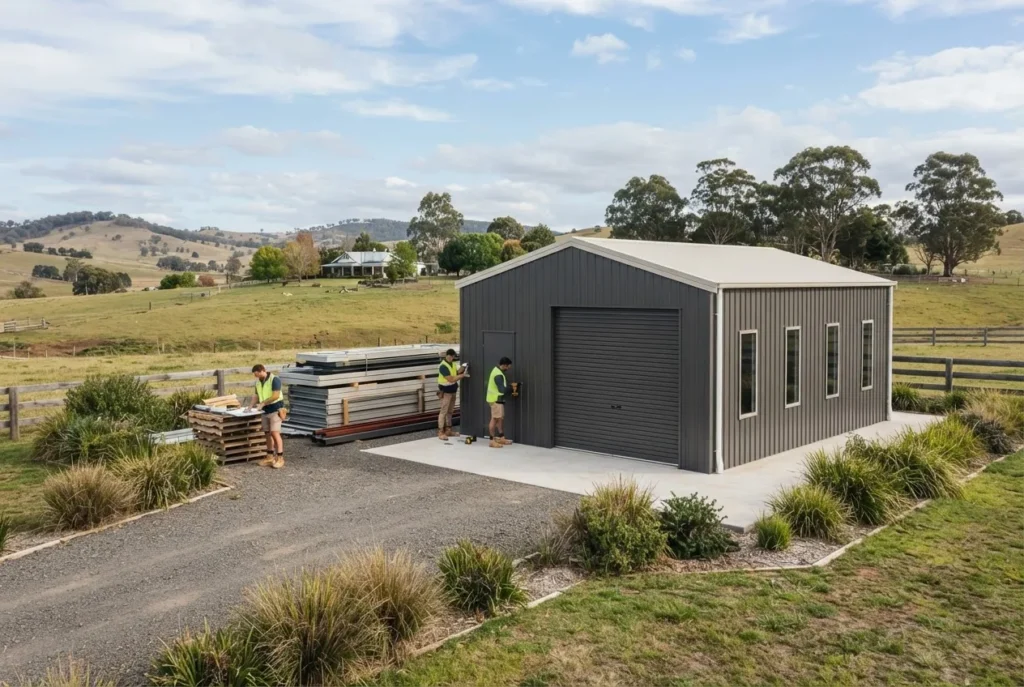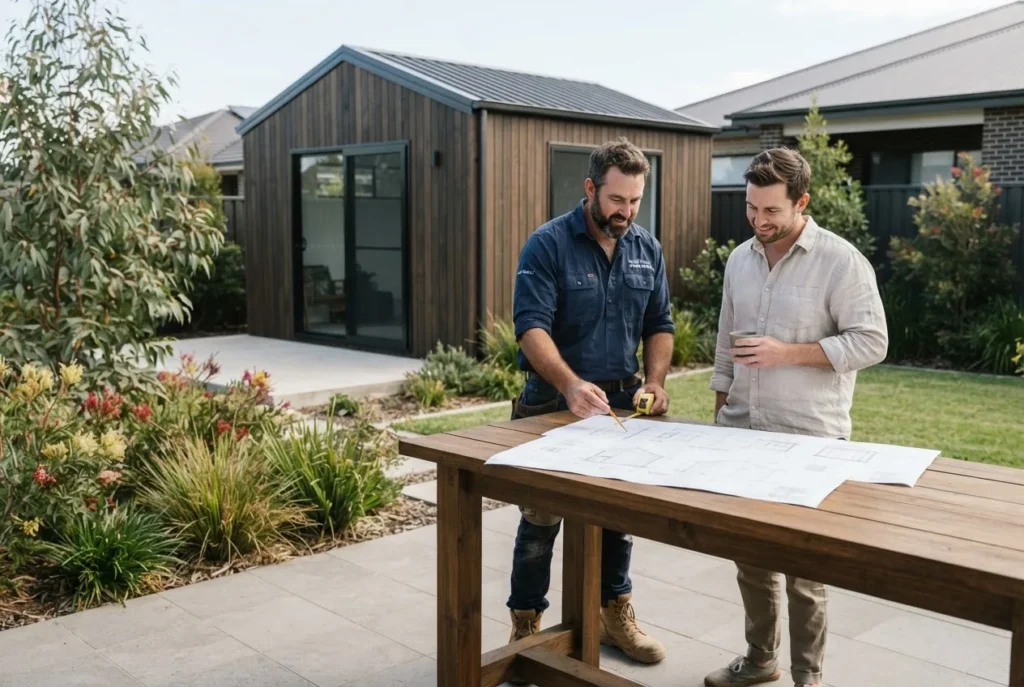

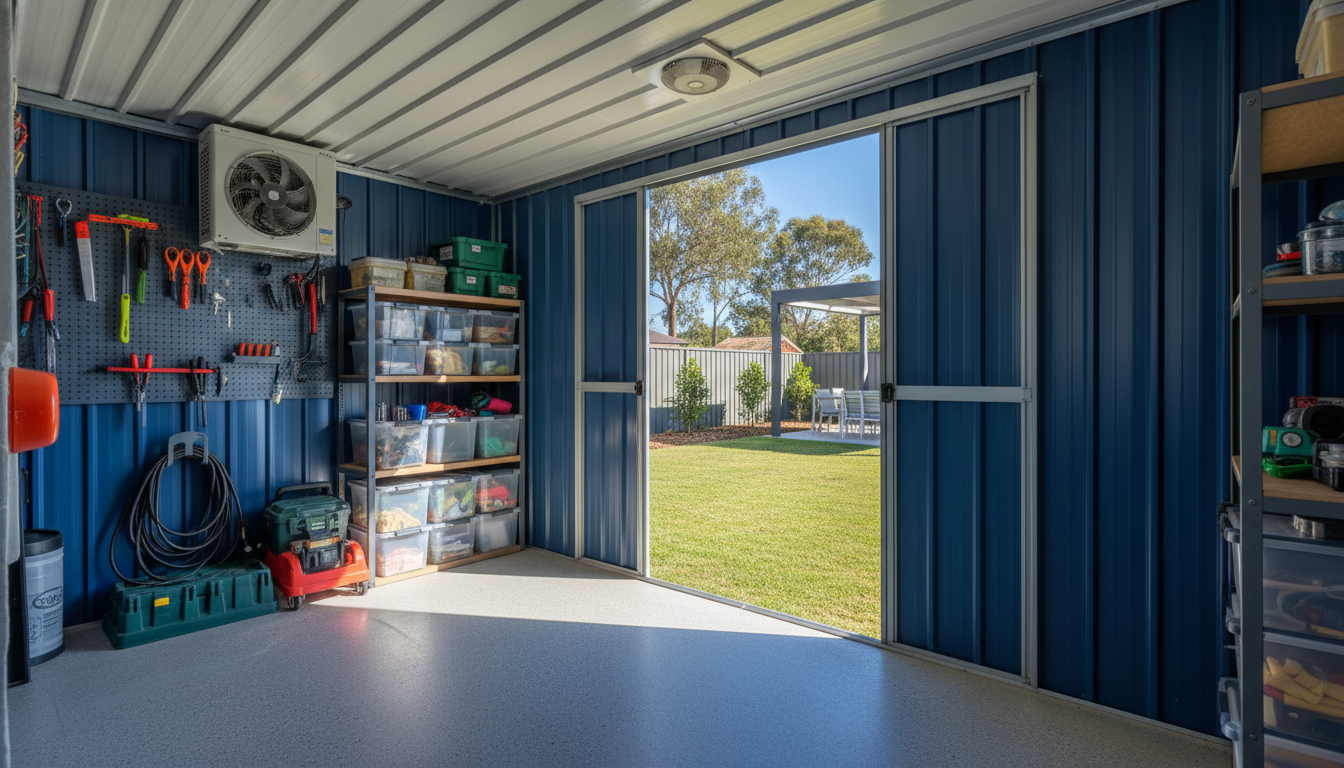

Transforming your Colorbond garden shed into a highly efficient storage space tailored for the Australian climate is more achievable than ever. This comprehensive guide unveils proven garden shed organization ideas, optimizes internal Colorbond storage plans, offers climate-specific cooling solutions, and demystifies local council approvals—all designed to enhance your shed’s usability and longevity.
Understanding Colorbond Steel Sheds and Their Unique Organizational Needs
Colorbond steel is a premium Australian steel product known for its robust durability and weather resistance, making it a preferred choice for garden sheds across the country. Its properties—such as high corrosion resistance, thermal conductivity, and color retention—directly impact how interiors should be organized and maintained.
Because Colorbond steel exhibits significant thermal conductivity, interiors can become hot during summer and chilly in winter, affecting stored items and organizational materials alike. Additionally, the steel’s surface can attract condensation if internal humidity is not managed, which may lead to corrosion over time if untreated.
Australian climates vary from the humid tropics of Queensland to the dry heat of central regions, imposing different challenges. For example, in coastal areas, salt air can accelerate wear on organizational fixtures if improper materials are used. Therefore, storage solutions must consider environmental factors unique to your location.
Choosing moisture-resistant and weatherproof storage systems, as well as integrating adequate ventilation, is essential to preserve both the shed structure and its contents. This climate-conscious approach helps ensure that your garden shed organization ideas are practical, durable, and sustainable for the long term.
For a broader view on selecting Colorbond sheds with organizational features, see our Australian garden shed buyer’s guide featuring Colorbond options and approvals.
Properties of Colorbond Steel Relevant to Shed Interiors
- Corrosion Resistance: Zinc/Aluminium coating protects steel from rust, crucial in humid or coastal zones.
- Thermal Conductivity: Colorbond efficiently transfers heat, influencing internal temperatures and condensation risk.
- Color Stability: UV-resistant paint reduces fading but may cause heat buildup inside without ventilation.
- Durability: Tough steel base endures Australian weather, allowing for heavy-duty organizational fixtures.
Benefits and Challenges of Organizing Inside Colorbond Sheds
- Benefits: Strong walls can support modular shelving and mounted storage; weather resistance extends lifespan.
- Challenges: Temperature extremes demand cooling; high humidity zones require moisture-proof materials.
- Interior Surface Compatibility: Attaching fixtures requires suitable fastenings to avoid steel corrosion and wall damage.
How Australian Climate Impacts Colorbond Shed Storage Solutions
Long, hot summers and variable humidity levels mean you must prioritize ventilation and insulation to avoid spoilage of stored items and degradation of shelving materials. Sheds without cooling or airflow can experience condensation that leads to mold or rust on tools and equipment.
Understanding these factors sets the foundation for creating a well-organized, climate-resilient garden shed interior ready to withstand Australia’s diverse environment.
Practical Garden Shed Organization Ideas Tailored for Australian Homes
Optimizing your shed’s storage space maximizes functionality and accessibility—key for busy Australian homeowners managing gardening tools, outdoor gear, and seasonal items.
- Modular Shelving Systems: Adjustable metal shelving with powder-coated finishes ensures weather resistance while enabling easy reconfiguration as your storage needs evolve.
- Wall Mounts and Pegboards: Utilize vertical space for tools using rust-resistant hooks and pegboards designed for moist conditions, keeping floors clear and inventory visible.
- Hanging Systems: Overhead racks or ceiling-mounted pulley systems can store lightweight but bulky items like ladders or garden hoses efficiently.
- Storage Bins with Labels: Use plastic containers with sealing lids to protect smaller equipment from dust and moisture; transparent bins help quick identification.
- Corner Units and Tall Lockers: Make the most of corners with corner shelves; tall freestanding cabinets help organize bulky items while preserving floor space.
Careful selection of materials such as galvanized steel, marine-grade stainless steel, or heavy-duty plastics can dramatically increase the durability of your shed organization components against environmental stressors.
Measuring space precisely with tools like stud finders and measuring tapes before installation avoids accidental damage and aids in selecting appropriate storage units. Planning for adequate door clearance and aisle space ensures easy movement within the shed.
For tailored storage ideas specific to 3x3m (10×10) sheds, consult our 10 x 10 Colorbond garden shed buyer’s guide.
For advice on selecting durable and compliant shelving for your shed, refer to our Australian garden shelves buying guide.
To further optimize your shed layout, check out our comprehensive storage shed ideas and layout guides for Australian homes.
Outdoor storage cabinets complement garden sheds well—our waterproof options guide explains material choices and approvals.
Space-Saving Storage Solutions for Small to Medium Sheds
- Use fold-down wall-mounted benches or tables for multipurpose use.
- Stack bins vertically using stable racks to maximize floor space.
- Install sliding tool racks for easy access in tight areas.
Modular Shelving, Wall Mounts, and Hanging Systems
- Combine adjustable shelving with durable steel supports that resist rust and warping.
- Incorporate pegboards compatible with magnetic tool holders or plastic hook sets.
- Use ceiling-mounted tracks for lifting heavy but infrequently used items.
Tools and Equipment for Effective Shed Organization
- Stud finders for steel frameworks.
- Heavy-duty drill bits suitable for metal installations.
- Measuring tapes and spirit levels.
- Corrosion-resistant mounting screws and anchors.
Material Durability and Weather-Resistant Fixtures
Choose organizational accessories made from marine-grade stainless steel, UV-resistant plastics, or powder-coated metals to withstand humidity, heat, and potential condensation within Colorbond sheds.
Transitioning to structured storage plans helps seamlessly integrate these ideas with your shed’s architectural features and climate needs.
Colorbond Storage Plans: Maximizing Internal Layout and Functionality
To unlock the full potential of your garden shed, employing official or custom Colorbond storage plans designed specifically for steel shed interiors can standardize organization and enhance usability. These plans take into account Wall studs, weight load ability, and material compatibility.
Overview of Official and Custom Colorbond Storage Plans
Official plans by manufacturers or third-party designers factor in steel frame layouts, allowing for seamless installation of shelves, cabinets, and cooling equipment without compromising structural integrity. Custom plans can address unique storage items and space constraints, maximizing every cubic metre.
Step-by-Step Guide to Implementing Colorbond Storage Layouts
- Assess Space: Measure your shed’s interior and note door locations, windows, and electrical points.
- Choose Modular Units: Select shelving and storage modules compatible with steel studs and preferred mounting methods.
- Install Wall Mounts: Use stud finders and appropriate fasteners to secure pegboards or shelves; avoid drilling between studs to maintain strength.
- Add Specialized Storage: Incorporate toolbox mounts, gardening hooks, or ceiling racks per your customized plan.
- Integrate Cooling Fixtures: Allocate wall or ceiling space for fans or vents ensuring unobstructed airflow.
Case Studies: Before and After Colorbond Shed Organization Transformations
Homeowners in Melbourne reported transforming disorganized garden sheds into efficient, dust-free workshops by implementing custom modular shelving and wall-mounted tool storage along with solar-powered ventilators, achieving noticeable improvements in usability and temperature control.
Another example from Brisbane highlighted how strategic shelving layout adjustments freed up a third of the floor space, enabling safer access and easier maintenance of garden equipment year-round.
How to Customize Plans for Specific Storage Needs
- Consider tool sizes and usage frequency to prioritize accessible placement.
- Incorporate climate-adapted materials such as plastic bins with airtight lids in humid regions.
- Use adjustable shelving profiles to accommodate seasonal changes in equipment volume.
Cooling Solutions for Garden Sheds in Australian Climates
Australian summers can push shed interiors to extreme temperatures, risking damage to sensitive tools and materials. Incorporating tailored cooling solutions balances temperature and humidity, extends shed accessory life, and improves user comfort.
| Cooling Method | Description | Advantages | Considerations |
|---|---|---|---|
| Passive Ventilation | Airflow via vents, louvres, and ridge vents | Low cost, no running energy required | Needs proper placement; must avoid water ingress |
| Shade Cloth | External shading fabric on windows or shed perimeter | Reduces solar heat gain substantially | Requires maintenance and sun protection |
| Insulation | Spray foam or fibreglass lining walls and ceiling | Maintains stable interior temperature | Installation cost; must be approved by council |
| Exhaust Fans | Electric or solar-powered fans expelling hot air | Effective for immediate cooling; solar reduces running cost | Needs power supply and occasional maintenance |
| Solar-Powered Ventilation Units | Fans powered entirely by solar panels | Eco-friendly; independent of mains electricity | Initial cost higher; effectiveness varies by sunlight hours |
Passive Cooling Techniques: Ventilation, Shade Cloth, and Insulation
Passive ventilation through strategically placed ridge and wall vents creates a stack effect, drawing cool air in and pushing hot air out. Shade cloths installed over windows reduce thermal gain without blocking valuable light. Adding insulation improves the thermal barrier, reducing temperature swings.
Active Cooling Options: Fans, Exhaust Systems, and Solar-Powered Units
Fans and exhaust units actively circulate air, ideal for sheds with limited natural airflow. Solar-powered options avoid running costs and simplify installation by negating electric wiring requirements.
Integration of Cooling with Organizational Fixtures
Careful placement of cooling vents and fans should avoid clutter and obstruction. For example, avoid installing shelving or pegboards blocking airflow paths. Modular systems can be adapted to accommodate cooling device footprints while maintaining tool accessibility.
Climate-Specific Considerations: Temperature and Humidity Control
In humid coastal areas, ventilation must also focus on preventing moisture build-up, possibly paired with moisture-absorbing desiccants or dehumidifiers. In hot arid regions, maximizing shade and airflow are primary cooling strategies.
For enhanced temperature control, consider insulated garden sheds; our complete Australian guide covers options and benefits. See the Insulated Garden Shed Guide.
Navigating Australian Council Approvals for Shed Modifications
Modifying a garden shed interior often requires local council approval to comply with building codes and ensure safety. Understanding the processes and regulatory requirements minimizes delays and costly reworks.
Common Regulatory Requirements Affecting Organizational Installations
- Structural integrity must be maintained when adding shelves or cooled ventilation systems.
- Electrical installations (fans, lighting) require licensed electrician involvement and safety certificates.
- Approved materials and installation methods must comply with Australian standards.
- Internal modifications sometimes affect fire safety or emergency access, requiring adherence to relevant codes.
Application Process for Installing Shelving and Cooling Systems
- Contact your local council planning department to confirm if a permit or notification is needed for internal modifications.
- Prepare detailed plans, including fixture placement, cooling system specs, and structural attachments.
- Submit application with necessary forms, fees, and supporting documentation.
- Address any council feedback or requirements, such as additional inspections or engineering reports.
- Receive approval or requested amendments; proceed with installation only after formal consent.
Safety and Compliance Guidelines for Modifying Garden Sheds
Utilize certified installers for electrical and ventilation work. Follow manufacturer instructions for mounting hardware to avoid compromising Colorbond panels. Retain copies of approvals for insurance and future property transactions.
Resources and Checklists for Easy Approval Submission
Many councils provide downloadable checklists and application templates to streamline the process. Refer to official government websites for the latest criteria.
For sheds similar in size, see our 12 x 8 Colorbond shed council approval and cost guide.
For professional installation advice and understanding approvals, see our Australian garden shed installation guide (2025).
DIY Installation Guides and Local Resources for Organizational and Cooling Enhancements
Installing organizational units and cooling systems yourself saves costs and allows for customization—if executed properly with the right tools and materials.
Tools Needed for Installing Organization Systems and Cooling Solutions
- Stud finder compatible with metal framing
- Electric drill with metal drill bits
- Screwdrivers, spirit level, measuring tape
- Protective gloves and safety glasses
- Anchors and corrosion-resistant screws suitable for steel walls
Step-by-Step Installation Instructions for Shelving and Ventilation
- Mark fixture mounting points using a stud finder to locate steel studs behind Colorbond sheets.
- Drill pilot holes with care to avoid deformation or rusting.
- Fasten shelves, hooks, and pegboards securely with rated screws and anchors.
- Install cooling vents or fans according to manufacturer instructions, ensuring power isolation during electrical work.
- Test all installations for stability and function before full use.
Recommended Australian Suppliers and Professional Installers
- Bunnings Warehouse: Offers a wide range of shed organization products and installation tools.
- Mitre 10: Provides hardware suited to metal sheds and approved cooling solutions.
- Local tradespeople registered with HIA or similar professional bodies for certified electrical and air-conditioning work.
Maintenance Tips to Prolong Shed Organization and Cooling Efficiency
- Regularly check and tighten mounting screws, especially after heavy use or temperature changes.
- Clean cooling vents and filters to prevent dust accumulation affecting airflow.
- Inspect for signs of corrosion or moisture damage on fixtures and shed walls.
- Seasonally adjust ventilation components based on climate variations.
If upgrading your shed’s access with sliding doors, our Australian buyer’s guide covers specs and approvals for seamless integration. See Garden Shed Sliding Door Guide.
Using suitable garden shed brackets and tie-downs ensures durability and safety—explore our Australian-specific accessory guide for best practices: Garden Shed Brackets Guide.
Frequently Asked Questions on Garden Shed Organization, Cooling, and Approvals in Australia
Addressing Common Concerns About Weather Protection and Durability
Q: How can I maintain organization inside a Colorbond shed during extreme Australian heat without expensive cooling systems?
A: Focus on passive cooling measures such as installing ridge and wall vents, applying reflective shade cloth externally, and using moisture-resistant organizational materials. These low-cost options can significantly reduce interior heat and prevent damage to contents.
Troubleshooting Cooling System Performance in Colorbond Sheds
Q: What if my installed fan or vent isn’t effectively cooling the shed?
A: Ensure unobstructed airflow by not blocking vents with shelving or boxes. Check that fans are the correct size for the shed volume. Adding insulation helps stabilize interior temperatures.
Clarifying Council Approval Queries for Different Australian States
Q: Do shed interior modifications always require council approval?
A: Approval requirements vary by region, shed size, and scope of work. Generally, structural changes, electrical work, or installation of permanent fixtures may require permits. Always confirm with your local council to avoid penalties.
Tips for Long-Term Organization and Climate Control Success
Q: How do humidity and condensation inside Colorbond sheds affect storage, and how can this be managed?
A: High humidity promotes condensation on steel surfaces, which over time causes corrosion and mold. Ensure good ventilation, consider using desiccants, and select sealed storage containers to protect contents.
Frequently Asked Questions
What are the main differences between Colorbond and Zincalume sheds for organization?
Colorbond sheds feature a pre-painted finish with superior UV resistance and color stability, ideal for customizable storage. Zincalume sheds have a galvanised coating, offering excellent corrosion resistance but are less adaptable for internal organizational finishes. Colorbond also better manages heat, impacting organization choices.
How can I effectively manage humidity inside a coastal Australian garden shed?
To manage coastal humidity, use sealed storage containers and rust-resistant fixtures, install passive ventilation vents, and consider moisture absorbers like silica gel packs. Marine-grade stainless steel shelving and regular inspections for corrosion further protect contents and prolong shed life.
Why is passive ventilation often recommended over active cooling systems in Australian sheds?
Passive ventilation requires no energy, reducing running costs and maintenance. It naturally regulates temperature and humidity if designed well with vents and airflow pathways, making it ideal for sustainable cooling in locations with mild climate variations and sufficient breeze.
When should homeowners seek professional installation for shed cooling and organizational systems?
Professional installation is advisable when electrical work or structural modifications are involved. Licensed installers ensure compliance with safety codes and council requirements, preventing damage to Colorbond panels and ensuring warranty validity and system reliability.
Can modular shelving systems in Colorbond sheds be reconfigured easily?
Yes, modular shelving designed for Colorbond sheds typically features adjustable brackets and components, allowing homeowners to reconfigure layouts as storage needs change. Using powder-coated steel ensures durability despite frequent adjustments.
Which materials offer the best durability for garden shed organization fittings in Australian climates?
Marine-grade stainless steel, galvanized steel, and UV-resistant plastics provide excellent durability against corrosion, heat, and moisture common in Australian climates. Powder-coated metals also resist rust and color fading, extending fixture life.
How do council approval processes differ between Australian states for shed interior modifications?
Council approval processes vary by state due to differing building codes and regulations. Some states require permits for structural or electrical changes, while others only need notifications. Homeowners must consult local councils to confirm specific requirements before modifications.
What is a Colorbond storage plan and why is it important for organizing a garden shed?
A Colorbond storage plan is a tailored layout design for organizing items within a Colorbond steel shed, considering steel framing and climate factors. It optimizes space use, supports durable fixture mounting, and integrates cooling solutions to enhance storage efficiency and shed longevity.