

Whether you’re seeking extra storage or a stylish backyard retreat, this expert guide on Garden Sheds Brisbane: Buy, Design, Approvals, Pricing & Install | 2025 Expert Guide covers everything you need to know. From local regulations to climate-smart design and budgeting, we equip Brisbane homeowners with the ultimate roadmap for garden sheds in 2025.
Understanding Garden Sheds in Brisbane: Types and Materials
Brisbane’s subtropical climate and local building rules shape the types of garden sheds best suited to the area. Selecting the right material and design is critical to ensure durability, weather resistance, and ease of maintenance.
Popular Garden Shed Types in Brisbane (Colorbond steel, timber-framed, prefab)
The dominant garden shed types available in Brisbane include:
- Colorbond steel sheds: Favoured for their robust weather resistance and sleek aesthetics, Colorbond steel sheds are engineered to withstand Brisbane’s heat, humidity, and occasional storms. They provide a modern look with minimal upkeep.
- Timber-framed sheds: Offering a classic, natural appearance, timber-framed sheds are preferred for their versatility but require more maintenance to protect against Brisbane’s humidity and pests.
- Prefabricated sheds: Quick to install and cost-effective, prefab sheds come in various materials and are ideal for homeowners wanting efficient solutions with minimal fuss.
Material Suitability for Brisbane’s Climate and Weather Conditions
Brisbane’s humid subtropical climate presents unique challenges such as heavy summer rain, high humidity, and wind gusts during storm seasons. Materials need to be:
- Corrosion-resistant: Steel kits coated with Colorbond or Zincalume offer protection against rust and corrosion in humid environments.
- Ventilated: Adequate ventilation prevents moisture build-up and mould growth inside sheds.
- Cyclone-rated: Sheds designed with cyclone-resistant components improve safety given Queensland’s tropical storm risk.
Comparing Durability and Maintenance of Different Shed Materials
Colorbond steel sheds typically require minimal maintenance beyond occasional cleaning. Timber frames may need treatment every few years to prevent rot and insect damage. Prefabricated materials vary but often balance durability with affordability.
Local Brisbane Suppliers Offering Various Shed Types
Brisbane boasts numerous local suppliers who specialise in garden sheds tailored for the region, including:
- Trusted names like Brisbane Sheds & Storage, City Garden Sheds, and Outback Sheds Brisbane
- Custom design options for tailored requirements
- Warranty and support specific to Brisbane conditions
For a broader understanding of material choices in sheds, consider exploring the Colorbond vs Zincalume for Barn Sheds in Australia comparison.
With the material options clarified, next we delve into navigating the necessary council approvals and regulations imposed by Brisbane authorities.
Navigating Council Approvals and Regulations in Brisbane
Understanding and adhering to local regulations is essential to avoid permit complications and fines. Brisbane City Council and the Queensland Building and Construction Commission (QBCC) govern garden shed construction, imposing specific requirements for approvals and compliance.
Overview of Brisbane City Council’s Garden Shed Permit Requirements
In Brisbane, a permit is typically required for garden sheds exceeding 10m² in floor area or when the shed’s placement interferes with setbacks or zoning rules. Key points include:
- Sheds under 10m²: Usually exempt from a building permit but must comply with planning and setback rules.
- Sheds over 10m²: Require a Development Approval (DA) or building permit depending on location and use.
- Setback requirements: Minimum distances from boundaries must be respected; typically at least 1.5m from side and rear boundaries, but specifics vary by suburb.
- Heritage or environmentally sensitive zones: Additional approvals may be necessary.
The Brisbane City Council website provides detailed guides and application templates: brisbane.qld.gov.au
Queensland Building and Construction Commission (QBCC) Compliance
The QBCC regulates building standards and oversees licenced professionals in Queensland. Key compliance aspects include:
- Ensuring sheds meet Queensland Development Code requirements
- Hiring accredited contractors where necessary
- Adhering to cyclone and structural integrity standards
Visit the QBCC website for builder licensing and compliance resources: qbcc.qld.gov.au
Size, Height, and Placement Regulations for Garden Sheds in Brisbane
The following restrictions commonly apply across Brisbane suburbs:
- Maximum shed height usually capped at 2.4 to 3.6 meters depending on zoning
- Shed floor area limits influenced by lot size, e.g., no more than 10% of total lot area or specific sqm limits
- Shed positioning to prevent overshadowing and allow for stormwater flow
Stormwater, Flood Management and Environmental Considerations
Particular suburbs in Brisbane are prone to flooding or have strict environmental overlays. In these instances:
- Sheds must not obstruct natural drainage pathways
- Flood-resistant foundations or elevated bases may be mandatory
- Stormwater runoff mitigation techniques are required to avoid property damage
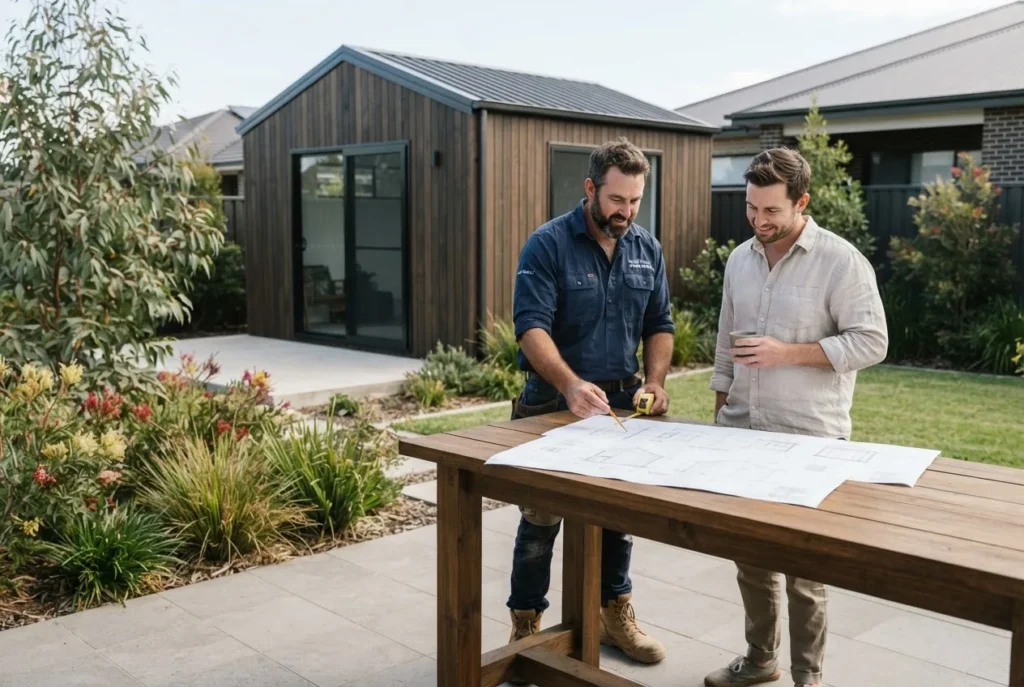
Given these complexities, consulting with Brisbane City Council early in your planning avoids costly rework.
For further clarity on approvals, the Council approvals for Barn Sheds guide offers additional context useful at this stage.
With regulations understood, let’s explore how to design your garden shed optimally for Brisbane’s unique environment and residential spaces.
Designing Your Garden Shed for Brisbane’s Unique Climate and Space
Brisbane’s climate and average lot sizes require thoughtful design to ensure your garden shed is both functional and comfortable year-round.
Ventilation and Insulation Needs for Brisbane’s Weather
Due to Brisbane’s warm, humid summers and mild winters, ventilation is critical. Design tips include:
- Incorporate louvered vents or ridge vents to promote airflow
- Use reflective insulation materials to reduce heat gain inside steel sheds
- Install windows or skylights where privacy allows for additional natural ventilation
Cyclone Rating and Structural Considerations in Design
While Brisbane is not the highest risk cyclone zone, building to cyclone rating standards (N1 or N2) is recommended to ensure long-term durability:
- Use cyclone-rated fixings and anchor bolts
- Design shed frames to comply with AS/NZS 1170.2 standards
- Consult local installers for structural reinforcement advice tailored to your suburb’s requirements
Space Constraints and Maximizing Small Suburban Lots
Many Brisbane homes have limited backyard space, necessitating compact or multi-functional sheds:
- Consider corner or lean-to style sheds that maximize floor area without impeding garden flow
- Use vertical storage solutions inside the shed to save footprint
- Ensure setbacks and clearance allow for garden beds or paths around the shed
Aesthetic Considerations Aligned with Brisbane Suburban Themes
Design a shed that blends into Brisbane’s leafy suburbs by:
- Choosing colour schemes complementary to the main house and local streetscape
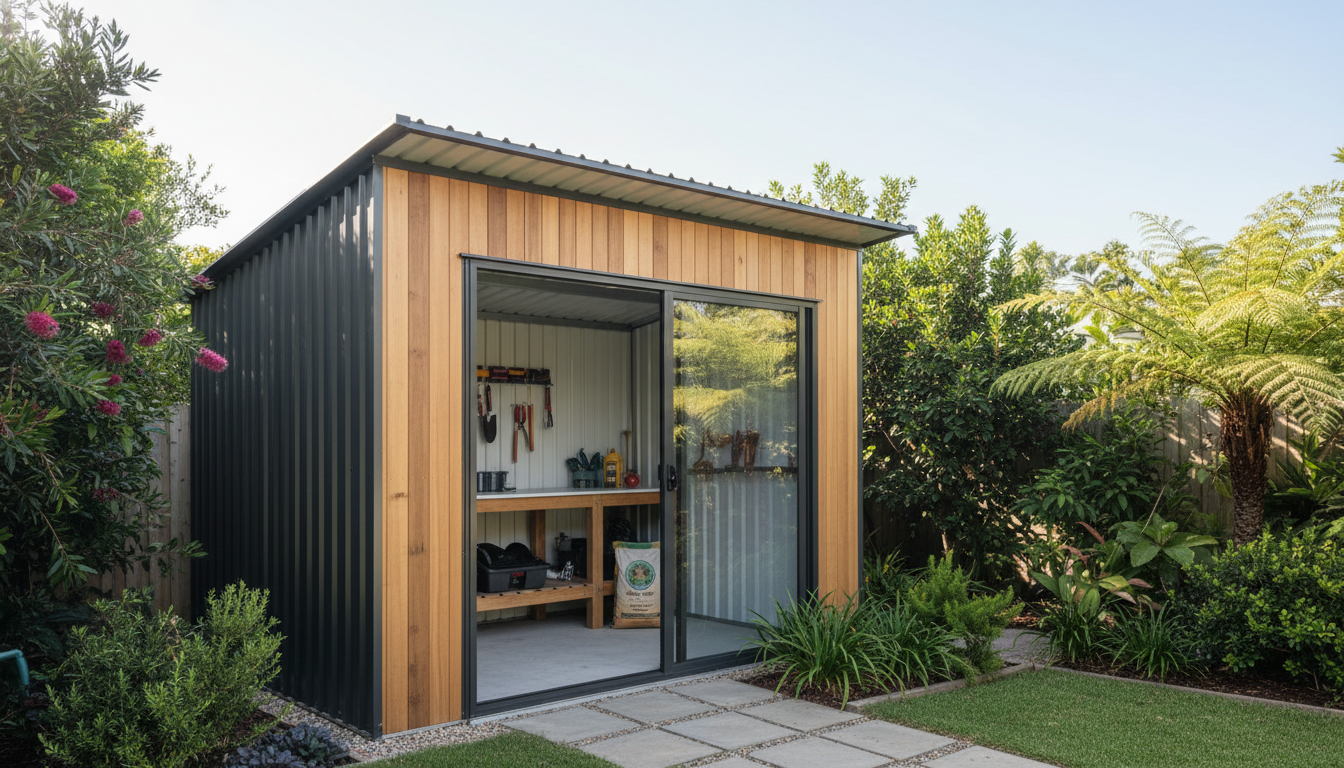
- Utilizing timber cladding or faux finishes on steel frames to soften industrial looks
- Incorporating greenery or planter boxes around the shed perimeter
For custom dimensions and specific features, see our 6m x 3m Colorbond sheds with approvals guide to ensure a compliant and stylish design.
Now, understanding design intricacies, let’s break down the costs involved in buying and installing garden sheds in Brisbane.
Pricing Breakdown: Costs of Buying and Installing Garden Sheds in Brisbane
Knowing the detailed cost components helps you budget accurately and avoid surprises during your garden shed project.
Material and Manufacturing Costs for Local Brisbane Sheds
Material prices vary depending on type and size. As of early 2025, approximate base costs per square metre are:
| Material Type | Estimated Cost per m² (AUD) |
|---|---|
| Colorbond Steel | $150 – $220 |
| Timber Frame | $120 – $200 |
| Prefabricated Panels | $100 – $180 |
These costs include factory manufacturing but exclude delivery and installation.
Labour and Installation Charges Specific to Brisbane Installers
Local installer rates typically range from $50 to $90 per hour, with full installation charges for a medium-sized garden shed (approx. 15m²) between $1,500 and $2,800 depending on complexity. Site preparation or difficult terrain can increase labour time.
Permit Fees and Other Regulatory Costs in Brisbane
Council permit fees vary but expect an average of $300 to $500 for building approvals. Additional costs may apply for engineering certifications or environmental assessments in sensitive areas.
Comparative Pricing Table of Popular Garden Shed Options
| Shed Type | Size (m²) | Est. Material Cost | Installation | Permits | Total Estimate |
|---|---|---|---|---|---|
| Colorbond Steel | 12 | $2,040 | $1,800 | $400 | $4,240 |
| Timber Frame | 12 | $1,800 | $2,000 | $450 | $4,250 |
| Prefab Panel | 12 | $1,560 | $1,600 | $350 | $3,510 |
For price comparisons of different shed sizes and constructions, refer to guides like the 3m x 3m garden shed pricing and specs in Australia.
With costs transparent, the next step is understanding the installation process specific to Brisbane’s building codes and conditions.
Step-by-Step Guide to Garden Shed Installation in Brisbane
Proper installation ensures safety, compliance, and longevity of your shed in Brisbane’s climate and terrain.
Preparation: Tools, Equipment, and Site Requirements
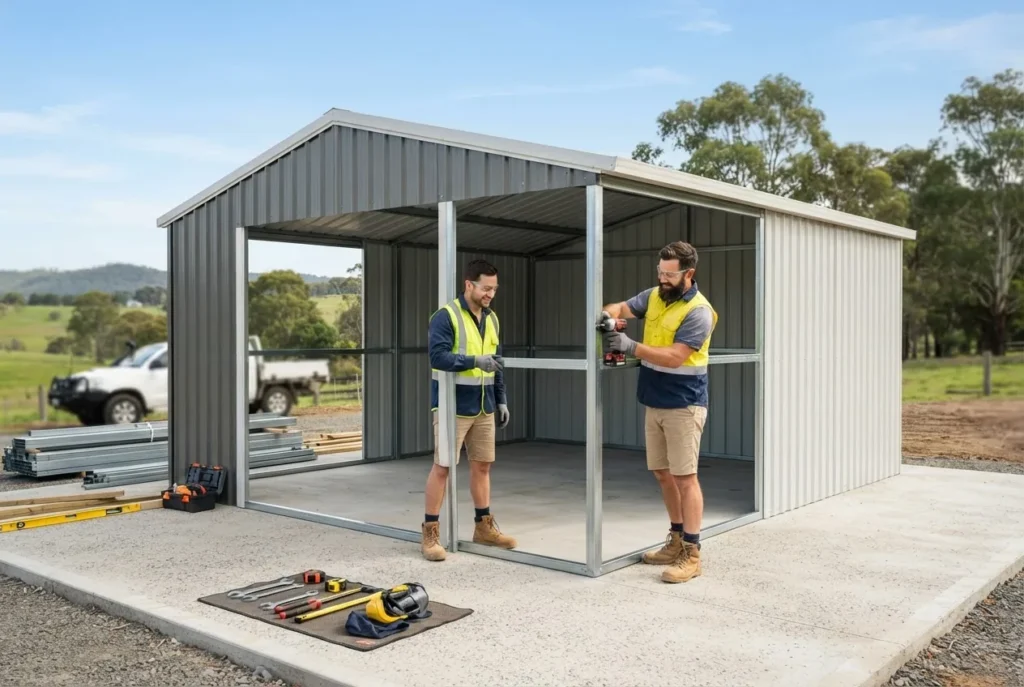
Before installation, prepare the site and gather tools including:
- Site leveling equipment: Laser level or builder’s level to ensure a flat base
- Concrete or gravel base materials: Most Brisbane sheds require a firm, stable foundation meeting local drainage codes
- Hand and power tools: Drill, impact driver, wrench sets, hammer, screwdrivers, and safety equipment
- Anchoring materials: Cyclone-rated bolts and braces as required
Installation Techniques Approved in Queensland
Installation must comply with Queensland Development Code provisions and QBCC guidelines. Key points include:
- Ensuring shed footing meets standards for flood or storm-prone areas
- Proper anchoring to concrete slab or piers
- Shed panels and roof fixed to manufacturer specifications for cyclone resistance
- Observation of minimum setback distances during positioning
Working with Local Brisbane Installers: What to Expect
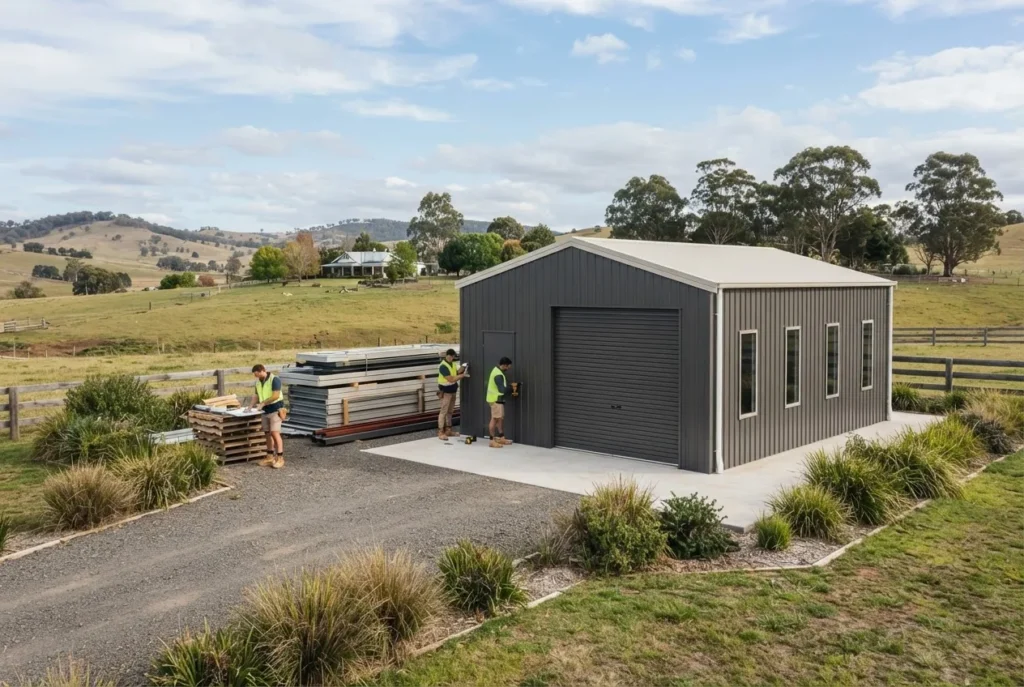
Professional installers in Brisbane typically provide:
- Site evaluation and preparation advice
- Permit assistance or referrals to certified engineers
- Expertise in fast and compliant assembly methods
- Warranty-backed workmanship
Homeowners opting for DIY should confirm all local rules and consider consultation with a builder to avoid non-compliance issues.
For detailed flooring installation guidance, see the Concrete flooring specs and installation for garden sheds Australia resource.
FAQ: Essential Questions About Garden Sheds in Brisbane
Do I always need a council permit for a garden shed in Brisbane?
Not always. Sheds under 10m² floor area and within specific setback limits usually do not require a permit, but larger sheds or those in special zones do. Confirm with Brisbane City Council for your property.
What is the best shed material for Brisbane’s humid subtropical climate?
Colorbond steel is generally the best as it resists rust and copes well with humidity and heat. Timber can be used but requires more upkeep to prevent rot and insect damage.
How long does the approval and installation process typically take?
Permit approval can take 2-4 weeks depending on council workload and project complexity. Installation by professionals generally ranges from a few days to 2 weeks.
Can I install a garden shed myself or must I hire a professional?
DIY installation is possible for smaller, prefab sheds, but for compliance, warranty, and safety, hiring professional installers is recommended—especially for cyclone-rated or larger builds.
What are the common hidden costs when buying garden sheds Brisbane?
Common overlooked expenses include permit fees, site preparation (leveling, base construction), stormwater management requirements, and costs for upgraded cyclone-rated materials.
This completes the comprehensive journey through buying, designing, approving, pricing, and installing garden sheds in Brisbane for 2025. Our guide equips you with local knowledge essential for a smooth, compliant, and satisfying shed project.
Ready to transform your Brisbane backyard? Contact trusted local suppliers and professional installers, initiate council permit applications early, and design your garden shed with confidence tailored to Brisbane’s unique climate and regulations.