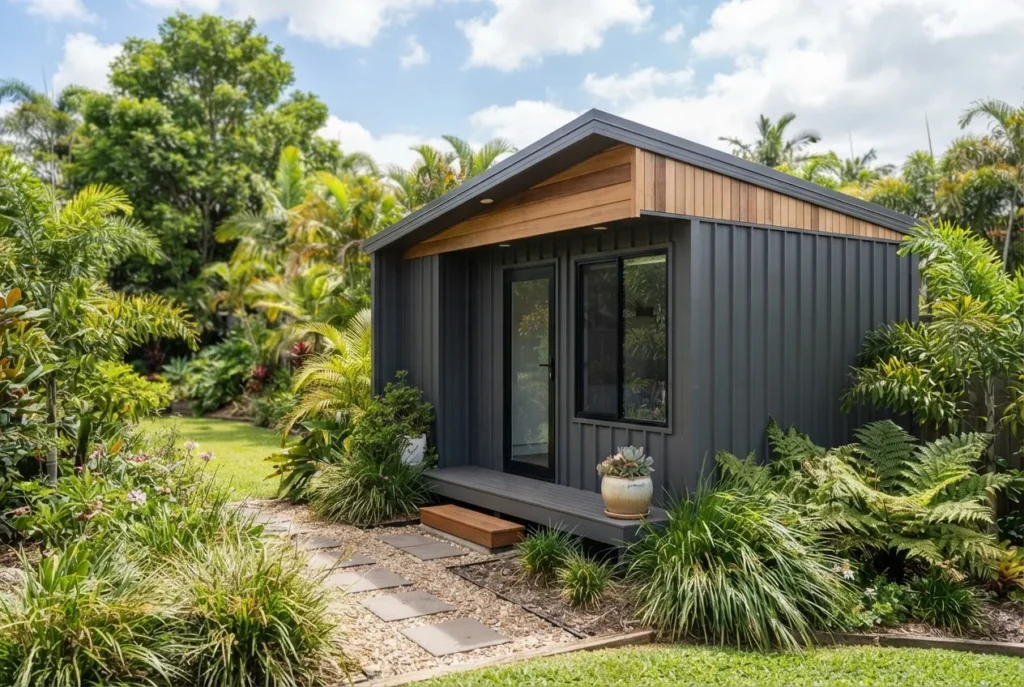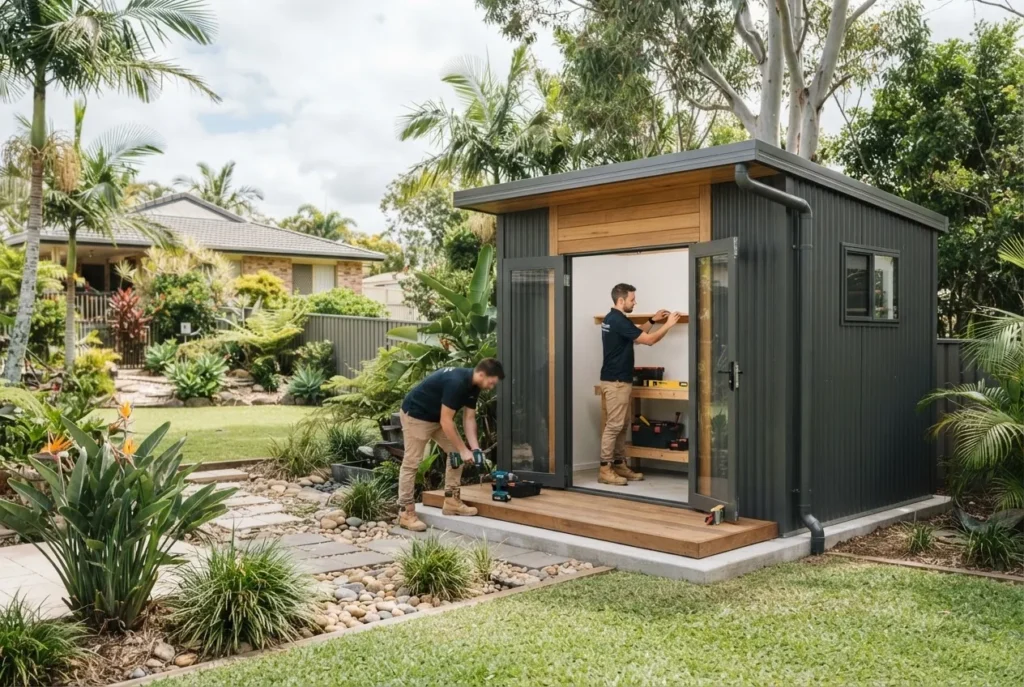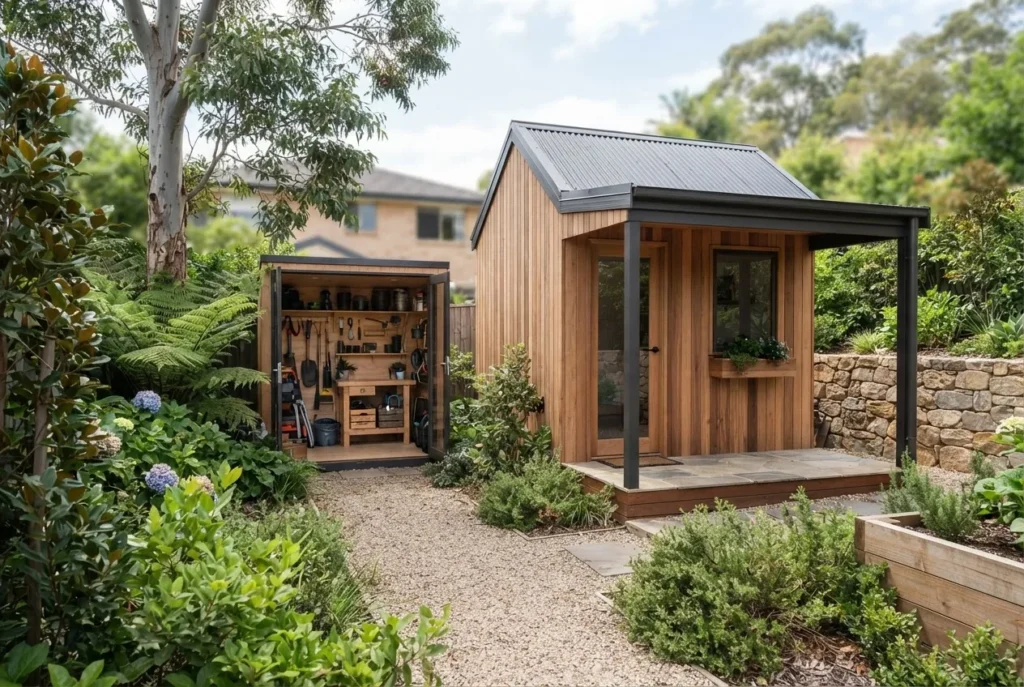

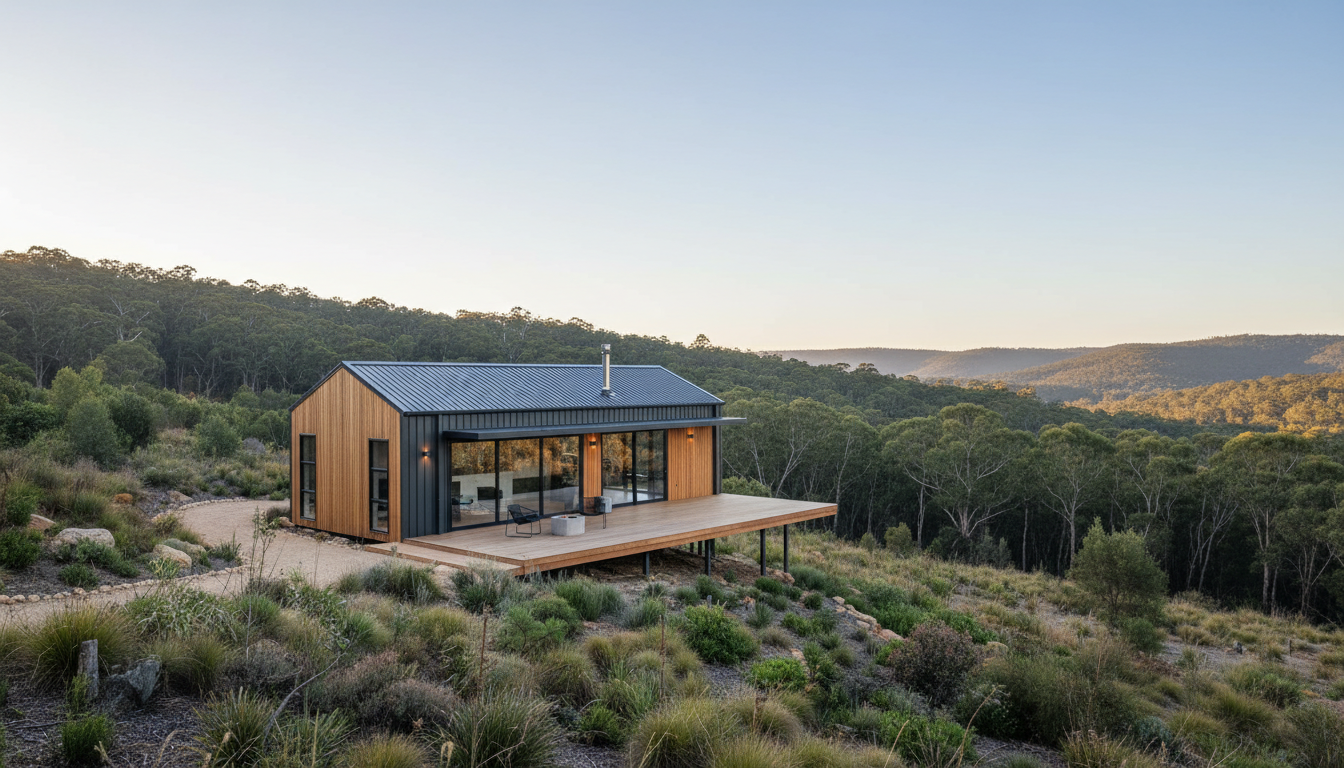

Discover the future of affordable Australian living with Shed House Designs Australia (2025): Prices, Plans, Kits, Compliance & Modern Shouse Ideas. This comprehensive guide unpacks everything you need to know about transforming functional sheds into stylish, fully compliant homes that fit modern lifestyles and budgets.
Introduction to Shed House Designs in Australia 2025
What Are Shed Homes and Shouses?
Shed homes and shouses (a blend of shed and house) refer to steel-framed, often Colorbond-clad buildings adapted to serve as fully livable residences. Architecturally simpler yet highly versatile, they combine the industrial durability of sheds with residential comforts, offering an alternative to traditional housing. Increasingly, sheds designed for living are equipped with amenities such as kitchens, bathrooms, and insulation, making them entirely suitable for year-round occupancy.
Growth of Livable Sheds in Australia’s Housing Market
The recent surge in interest for livable sheds stems from affordability pressures, demand for quick builds, and shifting lifestyle preferences towards minimalist and flexible homes. According to the Australian Bureau of Statistics (ABS) housing survey 2024, over 15% of new builds incorporate alternative housing models including modern shed homes. The rise of remote work and regional living has also accelerated adoption in rural and peri-urban areas.
Overview of the 2025 Shed House Design Landscape
In 2025, the shed home market blends prefabricated shed kit homes with bespoke architectural solutions that meet strict Australian building compliance codes. Designs range from single-level compact floor plans to expansive two storey shed homes featuring open-plan interiors, sustainable materials, and smart home integration. Our guide reveals pricing transparency, regulatory processes, and inspiring concepts shaping this dynamic sector.
Australian Building Compliance for Shed Homes
Understanding Class 1a Shed Classification
The Class 1a shed classification is central to converting sheds into legal dwellings under the National Construction Code (NCC). A Class 1a structure is defined as a single dwelling being a detached house or one of a group of two or more attached dwellings. To qualify, sheds must meet specific criteria regarding fire safety, structural integrity, and amenity provisions. Compliance ensures eligibility for council approval and future resale value.
Key Australian Building Codes and Standards for Livable Sheds
Australian building regulations for livable sheds specify requirements including:
- Energy efficiency and insulation standards (NatHERS ratings)
- Structural soundness to withstand local climatic loads
- Fire resistance measures, especially in bushfire-prone areas
- Sanitation and plumbing installation standards
- Accessibility and ventilation guidelines
Referencing NCC Volume 2 (Housing Provisions) and standards set by the Australian Building Codes Board (ABCB) ensures legal compliance.
Local Government Approval Processes and Permits
Building approvals for shed homes AU depend on state and local council jurisdictions. Common steps include:
- Initial site assessment and zoning confirmation
- Submission of detailed shed house plans Australia with engineering certifications
- Compliance checks for plumbing and electrical installations
- Community consultation in some cases
- Final permit issuance and inspections throughout construction
Navigating council approvals for shed structures is essential to ensure compliance and legal occupancy.
Queensland, for example, has streamlined pathways under the Queensland Building and Construction Commission (QBCC) that support rapid approvals for compliant livable sheds QLD.
Common Compliance Challenges and How to Overcome Them
Key compliance challenges include misunderstanding the class 1a shed requirements, inaccurate site classifications, and underestimating fire safety upgrades. Early collaboration with qualified architects and the council reduces risks. Utilizing pre-approved shed house kits can also streamline approvals, as these kits often come with engineered solutions already aligned to code.
Understanding compliance is foundational before moving into design considerations, ensuring your shed home is safe, legal, and enduring.
Shed House Plans and Design Ideas for Modern Living
Popular Shed Home Floor Plans in Australia
Livable shed floor plans Australia vary widely to suit diverse needs. The most common are:
- Compact studios with integrated living, sleeping, and kitchenette spaces suitable for secondary dwellings or granny flats
- Open-plan layouts maximizing natural light and cross ventilation
- Two-bedroom designs with separate living and bathroom facilities for families
- Specialty floor plans incorporating workshops or office spaces
Many plans emphasize multi-functionality and adaptability, with clever storage and scalable living solutions.
Many shed homes incorporate awning designs for extended covered outdoor living, which our detailed awning shed guide explores in the Australian context.
Two Storey and Multi-Level Shed Home Designs
2 storey shed homes offer additional living space without increasing the building footprint. Structural engineering is crucial to ensure stability, especially with lightweight framing and Colorbond steel cladding. Designs often stack bedrooms upstairs with living areas below, sometimes integrating mezzanines or lofts to optimize volume.
Costs for two-storey versions are higher, factoring in more complex foundations and additional compliance checks. However, they appeal to those wanting to maximize land use in urban or constrained lots.
Modern Architectural Trends in Shed Homes
Contemporary modern shed homes embrace minimalism, industrial aesthetics, and natural integration. Trends include:
- Expansive sliding doors and large windows to blur indoor-outdoor boundaries
- Use of raw materials like Colorbond steel, untreated timber, and concrete floors
- Green roofs and solar panel integration
- Open plan kitchens with multifunction spaces for work and leisure
- Smart energy-saving fixtures and sustainable building practices
Interior Design Ideas for Livable Sheds
Livable sheds interior design focuses on maximizing light, airflow, and space efficiency. Popular ideas include:
- Neutral colour palettes paired with warm timber accents
- Multipurpose furniture to save space
- Feature walls with steel or timber cladding for texture
- Incorporation of indoor plants and natural light
- High ceilings and clerestory windows to create an airy feel
Optimizing Space and Functionality in Shed Floor Plans
Australian designers emphasize effective space planning to balance livability and compactness. Strategies include:
- Integrated storage solutions, like built-in wardrobes and under-stair compartments
- Compact but fully functional kitchens
- Multi-use rooms supporting guest accommodation or work-from-home setups
- Outdoor living spaces such as awnings or patios to extend usable area
These design principles deliver flexible, modern spaces that suit diverse lifestyles.
Pricing Breakdown of Shed Homes in Australia (2025)
Factors Influencing Shed House Costs (Materials, Size, Location)
Pricing for shed homes Australia prices depends primarily on:
- Materials: Colorbond steel is popular but varies regionally in price; timber accents and insulation add to costs.
- Size: Larger floor areas substantially increase both materials and labor.
- Location: Regional factors, site access, and climate conditions influence transportation, site prep, and construction complexity.
- Design complexity: Two-storey homes typically cost 30-50% more than single-storey equivalents.
- Compliance and approvals: Permit fees and modifications to meet local building codes add to budgets.
Typical Price Ranges for Shed Kit Homes Vs Custom Builds
| Type | Price Range (AUD) | Description |
|---|---|---|
| Shed Kit Homes | $120,000 – $200,000 | Prefabricated kits including structural frame, cladding, and basic finishes; suitable for DIY or contractor assembly. |
| Custom Shed Homes | $180,000 – $350,000+ | Architect-designed with bespoke finishes, larger sizes, and integrated features; includes full construction management. |
Regional Pricing Variations – Focus on QLD and Other States
Shed homes QLD prices tend to be competitive due to demand and regional suppliers. According to a 2024 Queensland Housing Authority report, kit homes in QLD average $140,000 to $190,000, slightly lower than metropolitan NSW or Victoria where costs can be 10-20% higher due to labor and permit fees. Site-specific factors such as soil type and cyclone compliance requirements also impact costs.
Additional Costs: Compliance, Permits, and Site Preparation
Beyond construction, budget for:
- Council permit fees (vary by council but typically 1-3% of project cost)
- Site clearing, leveling, and foundation work ($10,000 – $30,000)
- Utility connections (electricity, water, sewage)
- Landscaping and driveways
Accounting for these ensures more accurate financial planning.
Shed House Kits: Options and How to Choose
Overview of Prefabricated Shed Kit Homes
Shed kit homes are prefabricated packages consisting of pre-made structural frames, cladding, roofing, and sometimes interior fit-outs. They allow quicker assembly, lower costs, and often simplified council approvals due to pre-engineered compliance.
Major Australian Shed Kit Suppliers and Their Offerings
Leading Australian suppliers include:
- Smart Sheds Australia: Modular designs with customizable floor plans and premium Colorbond cladding options.
- AusKit Homes: Focus on eco-friendly materials and energy-efficient kits tailored for regional climates.
- BuilderShed: Wide range of sizes from single dwellings to multi-use commercial shouses.
DIY Vs Professional Assembly: What You Need to Know
While some kits are marketed for DIY enthusiasts, professional assembly is recommended for ensuring structural safety, especially for class 1a shed applications. Trained contractors can handle complex foundation work, plumbing, and electrical installations compliant with Australian standards.
Customization Possibilities and Limitations of Kits
Customization options vary by supplier but typically include:
- Choice of façade materials and colours
- Optional insulation and window specifications
- Floor plan adjustments within structural constraints
- Upgrades to smart home or solar-ready packages
However, extensive alterations may void certifications or increase costs, so consult with providers early on.
Materials and Construction Techniques for Australian Shed Homes
Common Structural Materials: Colorbond Steel, Timber, and Concrete
Colorbond steel sheds dominate the shed home market due to their durability, anti-corrosion properties, and design versatility. Colorbond coatings are engineered to withstand harsh Australian UV exposure and coastal salt air. Timber is also used for structural framing and interior finishes, delivering warmth and aesthetic contrast. Concrete slabs provide firm, moisture-resistant foundations essential for long-term stability.
Choosing the right shed doors is a key design consideration for security and aesthetics; our guide to shed door ideas for Australian homes covers these aspects extensively.
For those weighing timber framing against Colorbond steel, consult our in-depth timber frame garden shed versus Colorbond guide.
Insulation and Weatherproofing for Livable Sheds in Australia
Effective insulation is critical for comfort and energy efficiency. Many home owners use:
- Reflective foil insulation combined with bulk insulation batts (R-values 2.5 to 4.0)
- Weatherproof sealants around joints and windows
- Thermal break technologies in steel framing
- Ventilation systems to manage condensation
Sustainable and Energy-Efficient Building Practices
Sustainability is increasingly integrated by:
- Utilizing recycled steel and responsibly sourced timber
- Installing solar panels and rainwater collection
- Adopting passive solar design principles
- Certifying builds via Green Star or other eco-certifications
Foundation and Flooring Options
Common foundations include:
- Concrete slabs for flat sites
- Stumps or piers ideal for uneven terrain
- Suspended timber floors where ventilation is required
Floor finishes range from polished concrete to timber or engineered flooring.
For detailed comparisons, consult our 10×10 Colorbond garden shed guide.
Choosing the right doors is also integral; see shed door ideas for Australian homes.
Livable Shed Homes in Queensland: A Regional Spotlight
Specific QLD Building Regulations and Compliance Tips
Queensland enforces additional requirements due to its subtropical climate and cyclone risk zones. Builders must adhere to:
- QBCC licensing and site inspections
- Cyclone-resistant framing and anchoring standards
- Energy efficiency minimums suitable for hot humid weather
- Bushfire hazard zone assessments where applicable
Current Shed Home Market Prices in Queensland
The QLD market enjoys competitive pricing for liveable sheds QLD due to ample supply and growing demand. Typical prices hover around $140,000 to $190,000 for kit homes, and $200,000+ for custom builds. Land availability and transportation access further influence final costs.
Popular Shed Home Builders and Projects in QLD
Notable QLD builders specialize in shed houses qld such as Proline Sheds and Ausbuild, delivering turnkey projects with full compliance and modern finishes.
Climate Considerations and Design Adaptations for QLD
Designs often emphasize shading, cross ventilation, and elevated floor systems to mitigate humidity and flood risk. Use of wide eaves, verandahs, and Colorbond colours with high solar reflectivity are common adaptations.
Practical Tips for Planning, Permitting and Building Your Shed Home
Step-by-Step Guide to Getting Approvals and Permits
- Engage a qualified architect or draftsperson to prepare detailed plans
- Confirm zoning, overlays, and bushfire risk with your local council
- Submit plans with engineering certifications to council or private certifier
- Address feedback or modifications requested by council promptly
- Obtain building permits prior to commencing construction
- Arrange inspections at key milestones (foundations, framing, final handover)
Working with Architects, Builders and Council Authorities
Collaborative communication ensures compliance and quality. Choose builders experienced in shed home designs Australia, and maintain clear documentation. Early council engagement reduces approval delays.
Budgeting and Financing Your Shed Home Project
Establish a realistic budget including all direct and indirect costs such as materials, labor, permits, and site preparation. Finance options include personal loans, construction loans, or specialized home loans targeting alternative builds. Consulting with financial advisors familiar with shed homes AU is advisable.
Common Pitfalls and How to Avoid Them
- Neglecting early compliance research, leading to redesigns
- Underestimating site preparation challenges
- Choosing non-compliant or untested shed kits
- Ignoring energy efficiency minimum standards
- Overlooking ongoing maintenance requirements inherent to steel cladding
FAQs on Shed House Designs in Australia (2025)
Can All Sheds Be Converted Into Livable Homes?
No. Only sheds that meet the Class 1a classification, structural standards, and permit approvals can be converted legally. Garden or storage sheds generally do not qualify.
What Are the Typical Timeframes for Building a Shed Home?
Kit homes can be assembled in 3 to 6 months depending on complexity; custom builds may take 6 to 12 months including planning and approvals.
How to Ensure Your Shed Home Meets Energy Efficiency Standards?
Incorporate insulation with suitable R-values, seal air leaks, use energy-efficient fixtures, and design for passive solar heating and cooling.
Are Two-Storey Shed Homes More Expensive or Challenging to Build?
Yes. Two-storey structures require enhanced engineering, stronger foundations, and additional compliance documentation, increasing both costs and build time.
What Are the Warranty and Maintenance Considerations for Shed Kits?
Most suppliers provide structural warranties (5-10 years) for kits. Maintenance includes regular inspection of Colorbond steel for corrosion, repainting as needed, and upkeep of seals to prevent water ingress.
For detailed legal advice, see legal considerations for living in a shed.
Building your dream shouse home in 2025 is entirely feasible with the right knowledge of pricing, plans, and compliance. Leveraging shed house kits and modern design innovations ensures affordable, livable, and stylish homes adaptable to Australian climates and lifestyles.
Start planning today by consulting council requirements, exploring kit suppliers, and refining your ideal shed house design Australia to create your ideal home.
Frequently Asked Questions
What is the difference between a shed home and a traditional house in Australia?
A shed home uses a steel-framed, often Colorbond-clad structure adapted for living, offering affordability and faster construction versus traditional houses built primarily with brick or timber. Shed homes emphasize simplicity, flexibility, and lower costs while meeting Australian building compliance to ensure habitability.
How do shed kit homes compare to fully custom shed home builds in terms of cost and flexibility?
Shed kit homes are typically less expensive ($120,000–$200,000), offering pre-engineered components for quicker assembly. Custom builds cost more ($180,000+), allow greater design freedom, size options, and integration of bespoke features but require longer planning and higher compliance expenses.
Which Australian states have the most streamlined approval processes for livable sheds?
Queensland leads with streamlined building approvals via the QBCC, offering rapid permit processing for compliant livable sheds. Other states follow standard local council zoning and permit procedures, which may vary in complexity and timelines.
Why is Class 1a classification critical for converting sheds into legal dwellings?
Class 1a classification defines legally habitable single dwellings under the National Construction Code. Achieving this ensures a shed meets structural, safety, and amenity standards necessary for council approval, insurance, and resale value as a residential building.
How do two-storey shed homes address space limitations compared to single-storey designs?
Two-storey shed homes maximize living space on smaller footprints by stacking bedrooms or work areas above common living zones. They require advanced structural engineering but provide greater capacity and versatility for urban or constrained lots.
Can livable sheds incorporate sustainable materials and energy-efficient features?
Yes. Livable sheds often use recycled steel, sustainably sourced timber, solar panels, rainwater harvesting, and passive solar design to reduce environmental impact while meeting Australian energy efficiency standards.
When is professional assembly recommended over DIY for shed kit homes?
Professional assembly is advised for complex foundation work, electrical, plumbing, and compliance with Class 1a standards. DIY may suit simple kits but risks structural or regulatory issues without expert oversight.
What factors affect regional pricing differences for shed homes across Australia?
Costs vary by location due to labor rates, material transport, site access, climate compliance (e.g., cyclone zones in QLD), and local permit fees, causing prices in metropolitan areas like NSW and Victoria to be 10–20% higher than in regions like Queensland.