Wood shed kits continue to grow in popularity across Australia, offering an elegant blend of natural timber beauty, durability, and customization flexibility for homeowners and gardeners alike. Whether you prefer classic timber garden sheds, premium cedar garden sheds, or fully customisable wooden sheds tailored to your space and needs, this 2025 guide delivers the expert insights and market trends you need to make a confident purchase.
For budget-conscious buyers, exploring regional and national garden shed deals in Australia can offer great value on timber and Colorbond options.
From the choice of timber species optimised for diverse Australian climates, to exploring custom shed design options, this comprehensive resource sets out all critical factors for your ideal wood shed kit investment in 2025.
Overview of Wood Shed Kits in Australia
Definition and Popularity of Wood Shed Kits
Wood shed kits are prefabricated garden storage solutions crafted predominantly from timber or cedar, designed for ease of assembly with modular components either as flat packs or pre-assembled kits. These kits have surged in popularity in Australia as they offer a sustainable, aesthetically pleasing alternative to metal or plastic garden sheds.
They cater to a wide range of uses — from traditional garden tool storage to workshop spaces, hobby rooms, or bespoke outdoor retreats — and appeal especially to those seeking a balance between DIY involvement and professional quality finish.
Market Trends for Timber and Cedar Garden Sheds in Australia 2025
According to a 2024 IBISWorld report, demand for timber sheds Australia is projected to rise by 5% annually through 2025, driven by increased gardening hobbyism and sustainable housing trends. Notably, cedar sheds Australia continue to gain traction among premium consumers in Victoria and coastal regions, due to cedar’s innate durability against moisture and aesthetic appeal.
Manufacturers have responded with innovative garden sheds flat pack kits that incorporate customizable designs, enhancing user experience and expanding market choice.
Advantages of Choosing Wood over Other Materials (Steel, Plastic) – Brief Context
While metal and plastic sheds offer durability and lower upfront costs, wooden garden sheds Australia shine in providing better thermal insulation, natural aesthetics, and are often easier to customize or repair. Timber’s breathability reduces condensation, vital in varied Australian climates, and wood’s eco friendliness appeals to environmentally conscious buyers.
Customer Profiles: Who Buys Wooden Shed Kits and Why
The core audience includes DIY homeowners who appreciate versatile, rustic designs; garden enthusiasts needing weather-resistant storage; and small business owners requiring modular workspaces. Many seek timber garden shed kits for their ability to integrate seamlessly into garden landscapes, with preference for locally sourced sustainable timber and opportunities for customisation.
Transitioning from this overview, let’s explore the specific timber types that define these wooden sheds.
Understanding Timber Garden Sheds: Types and Features
For deeper comparison and benefits of timber frame sheds versus steel options, see our detailed timber frame garden shed benefits and comparison.
Common Timber Varieties Used in Australian Sheds (Treated Pine, Hardwood, Cypress)
Timber garden sheds in Australia predominantly use:
- Treated Pine: The most economical, pressure-treated for fungal and insect resistance. Commonly sourced from plantation forestry, treated pine is well-suited for budget-friendly sheds but requires frequent maintenance in coastal or humid regions.
- Hardwood: Eucalypt species like Jarrah or Spotted Gum valued for their natural density and durability, providing higher resistance to wear but at a premium price point.
- Cypress and Other Softwoods: Less common but appreciated for fine grain and stability, often seen in imported cedar blends or specialised kits.
Characteristics and Benefits of Timber Garden Sheds
- Natural Insulation: Timber maintains internal temperatures better than metal, crucial for comfortable garden workspaces.
- Customisable & Repairable: Timber can be easily cut, painted, and refurbished onsite.
- Environmental Sustainability: When certified with FSC or PEFC, timber supports sustainable forest management.
Durability and Maintenance in Australian Climates
Australian conditions vary widely — from the tropical humidity of Queensland to Melbourne’s temperate climate and dry inland areas. Treated pine requires resealing every 2-3 years in high UV zones, whereas hardwoods and cypress demonstrate longer lifespans with less intervention. Proper ventilation and a raised foundation help mitigate moisture damage.
Eco-Friendly and Sustainable Timber Certifications (FSC, PEFC)
Look for wooden shed kits Australia that carry Forest Stewardship Council (FSC) or Programme for the Endorsement of Forest Certification (PEFC) labels, which confirm responsible sourcing aligned with environmental protection and local community welfare.
With timber fundamentals covered, we now turn to the premium alternative—cedar garden sheds.
Cedar Garden Sheds: Premium Choice for Aesthetics and Durability
Why Cedar Is Popular: Natural Resistance and Visual Appeal
Cedar garden sheds are prized for their high concentration of natural oils that render the wood resistant to decay, termites, and moisture—traits vital in Australia’s variable climate. Their fine grain and rich reddish hues also elevate any garden space, offering a natural elegance that ages gracefully.
Types of Cedar Used in Australia (Western Red Cedar, Tasmanian Cedar)
The two principal cedar species used in Australia are:
- Western Red Cedar: Imported primarily from North America, this cedar is lightweight, dimensionally stable, and long-lasting (30–40 years typical lifespan), making it the go-to for premium cedar sheds Victoria and coastal regions.
- Tasmanian Cedar: Native to Australia and valued historically for furniture, Tasmanian Cedar is rarer and used in boutique shed builds for its fine texture and bright tonal quality.
Maintenance Requirements and Longevity of Cedar Sheds
Due to its natural oils, cedar requires less frequent sealing compared to treated pine, but use of UV protective finishes every 4-5 years is recommended to maintain colour and surface integrity. Routine inspection for moisture ingress and debris clearance prolongs shed life.
Typical Uses for Cedar Sheds: Storage, Workshops, Garden Retreats
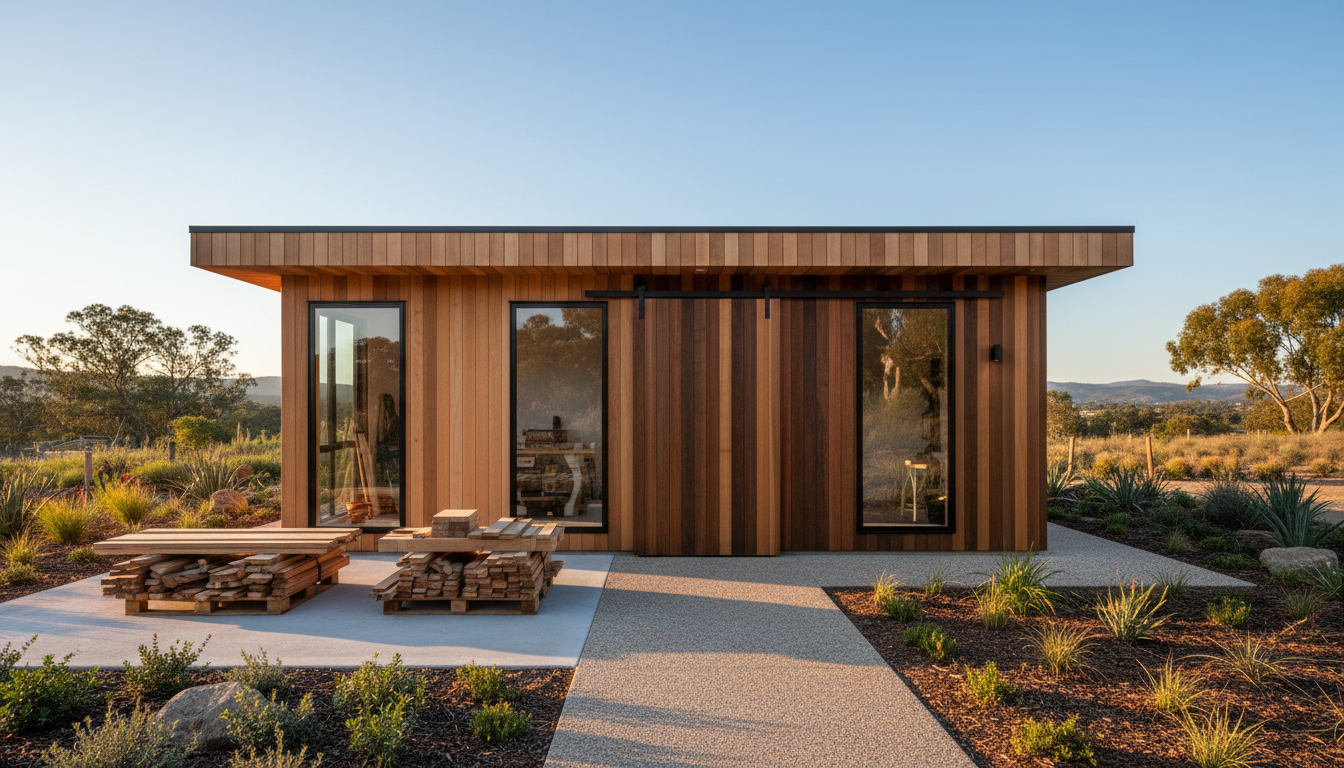
Cedar’s visual and tactile qualities make it ideal for sheds doubling as workshops, studios, or garden retreats—spaces where aesthetics and comfort are as important as practicality. Many clients use cedar kits for personalised outdoor offices or artist studios.
Next, we directly compare timber and cedar with other wood options available on the market.
Comparison: Timber vs Cedar vs Other Wood Options for Garden Sheds
Understanding cladding options is key to durability; see our comprehensive shed cladding board options and material comparisons.
Price Comparisons and Value for Money
| Wood Type | Average Price (AUD) | Lifespan (Years) | Maintenance Frequency |
|---|---|---|---|
| Treated Pine | $800–$1,500 (small kits) | 15–25 | Every 2–3 years |
| Hardwood | $1,500–$3,000 | 25–35+ | Every 3–5 years |
| Western Red Cedar | $2,000–$4,000 | 30–40 | Every 4–5 years |
Cedar commands the highest initial price but often incurs lower ongoing maintenance, representing greater long-term value for quality seekers.
Durability and Weather Resistance Analysis
Treated pine’s protection depends heavily on chemical treatments. In contrast, cedar’s natural resistance makes it more weather resilient, especially in humid coastal areas. Hardwood sits between, prized for strength but can be prone to cracking under extreme dryness.
Aesthetic Differences and Customisation Flexibility
Cedar offers the richest aesthetic, with warm hues and fine grain suited to visible interior/exterior finishes. Treated pine is typically painted or stained, offering versatile colours. Hardwood’s natural look complements rustic designs and can accept a variety of finishes.
Environmental Impact and Sustainability
Certified timber from managed plantations (pine and hardwood) offers sustainable credentials, while cedar, although premium, often has a higher environmental cost if imported. Opting for eco-friendly timber certifications assures lower impact regardless of wood type.
Moving from material choice, customisation elevates wood shed kits to a new level of personal investment and functionality.
Exploring Custom Wooden Shed Kits in Australia
When planning a custom wood shed, it’s important to consider a variety of design options for custom sheds found in comprehensive resources on barn sheds.
Planning a custom shed? The Australian garden shed buyer’s guide to custom options and approvals offers extensive advice on customization, pricing, and approvals.
Prefab sheds are an alternative to custom timber kits, offering quick assembly and standardised options. Learn more in our prefab sheds Australia options.
What Constitutes a Custom Wood Shed Kit?
A custom wood shed kit is a modular or semi-prefabricated garden shed that buyers can tailor extensively—size, style, materials, and interior layout—often engaging directly with suppliers or designers to specify unique features.
Common Customisation Options (Size, Door/Window Placement, Shelving, Roofing)
- Adjustable footprints and heights beyond standard dimensions
- Multiple door styles including sliding, double, or lockable units
- Shed door ideas for Australian wooden sheds for inspiration and approval tips.
- Window placements and glazing types for natural light optimization
- Integrated shelving and storage accessories
- Roofing options such as metal, timber shingles, or colorbond blends
- Additional extras like insulation, ventilation vents, and skylights
Design Process: Working with Suppliers and Designers
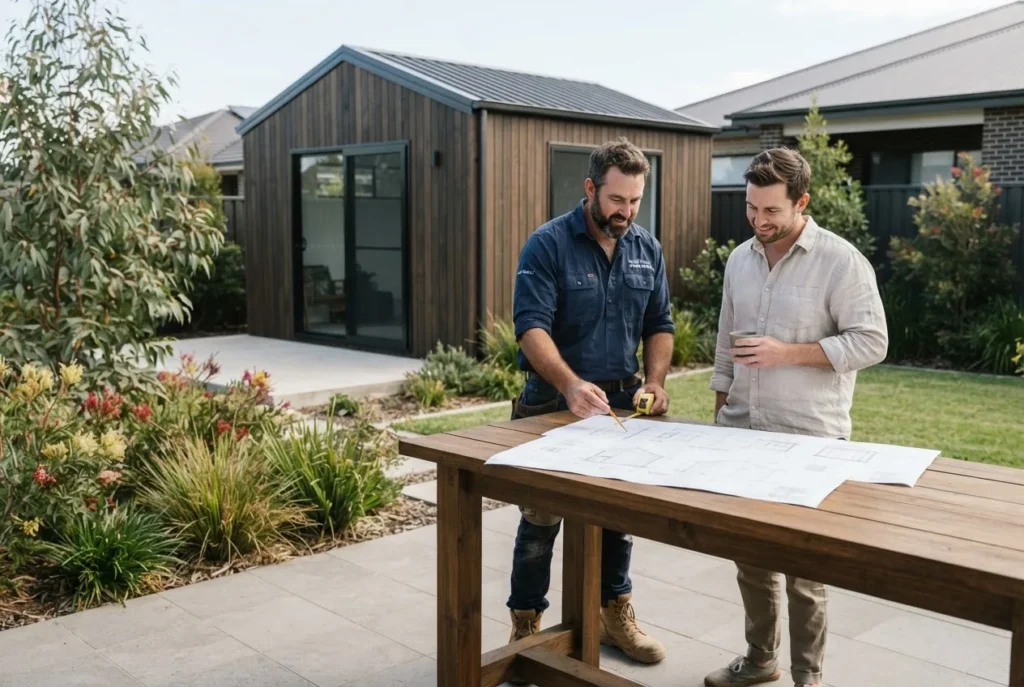
Australian buyers typically initiate custom orders by consulting suppliers with floor plans or preferences. Many timber garden shed kits Melbourne companies offer 3D design previews and guided selections. It’s crucial to verify council approvals and design options for custom sheds to ensure compliance and practicality.
Benefits of Custom Kits Over Standard Flat Pack Sheds
Designed-to-fit units maximise site usability, support personalised uses (workshops, studios), and allow premium materials or features otherwise unavailable in flat pack models. While costing more upfront, they save on modifications and future upgrades.
Local clients in Brisbane can consult detailed regional advice in our garden sheds Brisbane design and approval specifics.
Next, we review the popular sizes and configurations to consider for wooden sheds.
Popular Wood Shed Kit Sizes and Configurations in Australia
For buyers considering standard sizes, the detailed guide on 10×10 timber and Colorbond garden shed size options is invaluable.
Larger storage needs can be met with sheds such as those detailed in our 10×20 large storage shed configurations guide.
Overview of Common Sizes for Small to Medium Timber Garden Sheds
- Small Sheds: 1.8m x 1.8m to 2.4m x 2.4m — ideal for garden tools or compact workspaces.
- Medium Sheds: 3m x 3m to 4.5m x 3m — support larger storage and hobby areas.
- Larger Kits: 6m + widths suitable for dual-purpose spaces or small home offices.
Storage vs Work Space: Choosing the Right Size
Storage focused sheds prioritise shelving and straightforward access, suitable at smaller sizes, while workspaces require larger open interiors and natural lighting considerations to support comfort and productivity.
Flat Pack Kits vs Pre-assembled Options: Pros and Cons
| Feature | Flat Pack Kits | Pre-assembled Kits |
|---|---|---|
| Transport & Delivery | Easier flat shipment, often cheaper | Bulkier, requires crane or trailer |
| Assembly | DIY-friendly with detailed instructions | Quicker setup, less DIY effort |
| Customization | More flexible onsite modifications | Less adjustable, factory built |
| Cost | Lower upfront cost | Higher, including delivery and setup fees |
Modular Expansion and Upgrading Possibilities
Many modern wooden sheds Australia kits are designed with modular components allowing future additions like porches, workshops, or storage extensions, scaling the shed in response to changing needs.
Now, let’s discuss best practices for installation and assembly to make your wood shed kit a success.
Installation and Assembly of Wood Shed Kits: Tools, Tips, and Best Practices
Before installing your shed, consult local councils for size limits and setback requirements. Refer to Australian Standards such as AS 1684 Timber Framing and NCC guidelines for structural integrity. For more details on council approvals and design options for sheds, our dedicated guide is invaluable.
For expert installation tips and compliance advice, refer to our garden shed installation best practices and approvals guide.
Essential Tools and Materials Needed for DIY Assembly
- Power drill with screwdriver bits
- Hammer and nails (preferably galvanised)
- Level and tape measure for accuracy
- Safety gloves and eye protection
- Sealant and wood preservative brushes
- Fixings specific to kit (included or recommended by supplier)
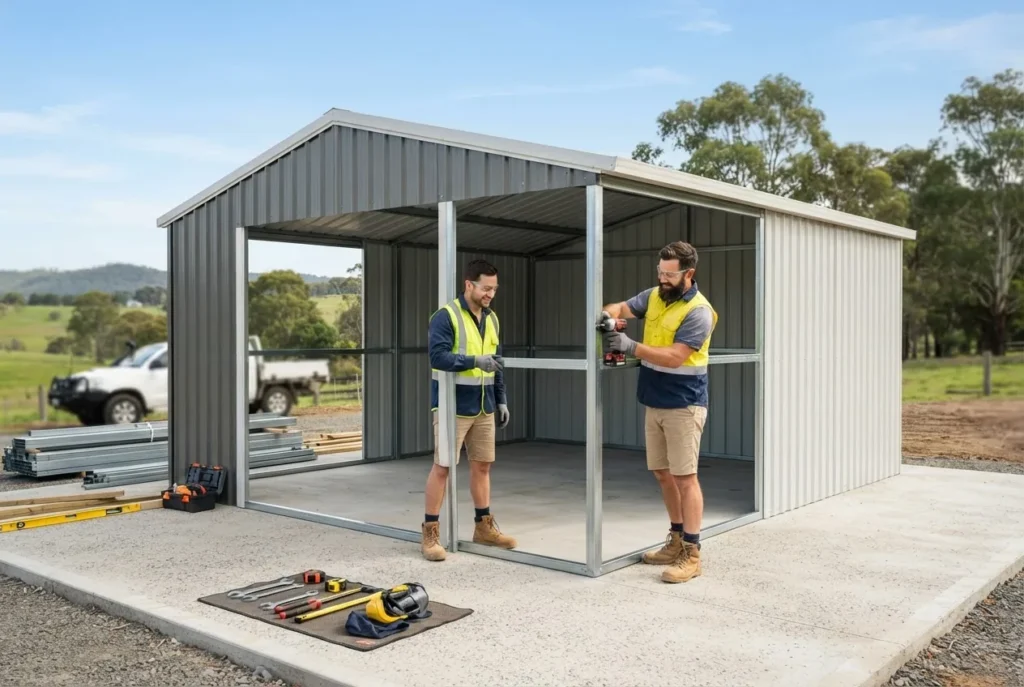
Step-by-Step Assembly Overview for Timber and Cedar Kits
- Prepare a level base or concrete slab ensuring proper drainage.
- Unpack and check all kit components and hardware.
- Assemble the floor frame according to instructions, ensuring squareness.
- Erect wall frames and secure to the base.
- Install roofing panels or shingles, completing weatherproofing.
- Add doors, windows, and interior shelving or accessories.
- Apply protective finishes as needed, focusing on exposed edges.
Common Challenges and How to Avoid Them
- Uneven foundations causing misalignment — ensure proper base prep.
- Incorrect fastener types leading to corrosion — always use recommended galvanised screws/nails.
- Poor sealing around windows/doors — use high-quality weatherproof sealants.
- Assembly impatience — follow instructions sequentially without rushing.
Ensuring Compliance with Australian Standards and Council Regulations
Before installing your shed, consult local councils for size limits and setback requirements. Refer to Australian Standards such as AS 1684 Timber Framing and NCC guidelines for structural integrity. For more details on council approvals and design options for sheds, our dedicated guide is invaluable.
Let’s now explore the best suppliers of wood shed kits available in Australia in 2025.
Leading Suppliers of Wood Shed Kits in Australia (2025 Update)
Overview of Top Australian Timber and Cedar Shed Kit Suppliers
Leading suppliers known for quality wood and cedar kits include:
- Fortress Sheds: Offers modular timber kits across Melbourne and Victoria, specialising in treated pine and hardwood options.
- Timberline Sheds: Melbourne-based cedar shed experts supplying premium Western Red Cedar kits.
- EcoGarden Sheds: Melbourne and Brisbane supplier focused on eco-certified sustainable timber garden sheds.
- Aussie Shed Kits: Nationwide retailer with a broad variety of flat pack timber garden sheds tailored for fast DIY assembly.
Comparison of Pricing, Quality, and Customer Service
| Supplier | Price Range (Small Kit) | Wood Types | Eco-Friendly Options | Customer Rating* |
|---|---|---|---|---|
| Fortress Sheds | $1,000–$3,500 | Treated Pine, Hardwood | Yes (FSC certified pine) | 4.3/5 |
| Timberline Sheds | $2,500–$5,000 | Western Red Cedar | Limited | 4.6/5 |
| EcoGarden Sheds | $1,200–$4,000 | FSC-certified pine, hardwood | Yes (Strong emphasis) | 4.5/5 |
| Aussie Shed Kits | $800–$2,500 | Treated Pine, Hardwood | Yes (some FSC options) | 4.1/5 |
*Customer ratings based on aggregated online review scores (ProductReview.com.au)
Availability of Eco-Friendly and Certified Timber Kits
A growing number of suppliers offer kits built entirely from sustainably sourced timber with FSC or PEFC certification, reflecting Australian consumers’ growing demand for environmental accountability.
Where to Buy: Online vs Physical Stores
Online ordering provides convenience and broader choice, with many suppliers offering detailed product catalogs and 3D kit previews. Physical retailers in Melbourne, Sydney, and Brisbane allow hands-on inspection and expert consultation.
Moving on, proper maintenance ensures your investment stands the test of time and climate.
Maintenance, Longevity, and Care Tips for Wooden Garden Sheds
Proper ventilation extends the life of wooden sheds and improves usability. More on ventilation solutions is in our shed ventilation solutions in Australia.
Routine Maintenance Practices for Timber and Cedar Sheds
- Annual inspections for loose components, warping, or signs of termite activity.
- Resealing or repainting exterior surfaces with UV protective finishes every 2-5 years depending on wood type.
- Cleaning gutters and removing debris to prevent moisture buildup.
Protection Against Pests, Moisture, and UV Damage
Regularly treat timber with approved pest control products to prevent termite damage. For moisture control, ensure proper ventilation and elevated flooring. UV protection coatings mitigate timber fading and surface cracking.
Seasonal Upkeep for Australian Climate Conditions
Prepare sheds for wet seasons by inspecting and reinforcing seals and drainage. In dry zones, monitor for cracking and apply conditioning oils as needed. High salt coastal exposure calls for more frequent maintenance cycles to prevent corrosion of fixings and timber degradation.
Repair and Refurbishment Options to Extend Shed Life
- Replace damaged timber panels promptly.
- Upgrade roofing materials to longer-lasting alternatives if necessary.
- Refinish interiors and upgrade shelving to maintain usability.
Excellent upkeep sustains both appearance and structural integrity for decades.
Frequently Asked Questions about Wood Shed Kits in Australia
Can I Customize a Timber Shed Kit to My Exact Needs?
Yes, many Australian suppliers offer customisation for size, layout, doors, windows, and fittings. Working with designers early ensures compliance with building codes and smooth council approval processes.
How Long Do Cedar Sheds Typically Last?
With proper maintenance, cedar sheds can last between 30 and 40 years, benefiting from natural pest and moisture resistance inherent in the wood.
Are Flat Pack Wood Shed Kits Suitable for Beginners?
Yes, most flat pack kits come with comprehensive instructions and pre-cut components designed for DIY assembly, making them ideal for beginners with basic tool knowledge.
What Are the Environmental Benefits of Choosing Timber Over Metal?
Timber is renewable, biodegradable, and often sourced from sustainably managed forests, reducing carbon footprint compared to metal sheds that require more energy-intensive manufacturing.
Do Local Councils in Australia Have Restrictions on Wooden Garden Sheds?
Yes, restrictions vary by location and typically include maximum size, placement, and sometimes design features. Always consult your local council early in the planning process to ensure compliance. Additional details on these processes can be found in our guide to council approvals and design options for sheds.
Summary: Choosing the right wood shed kits in Australia requires balancing material traits, budget, customisation needs, and climate considerations. Timber and cedar each hold distinct advantages for different uses, while custom kits offer tailored solutions beyond standard flat packs. Proper installation, supplier selection, and diligent maintenance ensure your wooden garden shed remains a cherished feature for years to come.
Ready to select your perfect shed? Explore the suppliers featured here and start designing a timber shed that fits your garden lifestyle and budget in 2025.
Frequently Asked Questions
What are the main differences between treated pine and hardwood for wood shed kits?
Treated pine is a cost-effective option with pressure treatment for pest and fungal resistance but requires frequent maintenance. Hardwood is denser, more durable, and longer lasting, suitable for premium sheds but at a higher price. Both offer natural aesthetics but differ in lifespan and upkeep needs.
How does a cedar garden shed compare to other wooden garden sheds in terms of maintenance?
Cedar sheds require less frequent maintenance due to natural oils that resist decay and pests. They typically need UV protective finishes every 4-5 years, whereas other timber sheds like treated pine require resealing every 2-3 years. Cedar offers longer-lasting beauty with reduced upkeep effort.
Why are custom wood shed kits preferred over standard flat pack kits?
Custom wood shed kits allow buyers to tailor size, style, and features to specific needs. They maximize space, support unique uses, and often use premium materials. Though costlier upfront, they reduce the need for later modifications and enhance functionality compared to standard flat pack kits.
Which timber certifications should buyers look for when choosing sustainable wood shed kits?
Buyers should seek FSC (Forest Stewardship Council) and PEFC (Programme for the Endorsement of Forest Certification) labels. These certifications ensure the timber is responsibly sourced, supporting sustainable forestry practices and environmental protection, aligning with eco-friendly purchasing goals.
What factors influence the longevity of wooden garden sheds in Australian climates?
Longevity depends on wood species, maintenance frequency, and climate exposure. Proper sealing, ventilation, UV protection, and elevated foundations prevent moisture and pest damage. Cedar and hardwood typically last longer than treated pine, especially with regular upkeep suited to local conditions.
Can wooden garden sheds be used effectively as workshops or studios?
Yes, wooden garden sheds—especially cedar—create insulated, comfortable spaces with natural light and good ventilation. Their customizable interiors support workbenches, storage, and electrical fittings, making them ideal for hobby rooms, studios, or home offices.
How do flat pack timber garden sheds compare with pre-assembled options regarding cost and assembly?
Flat pack kits generally cost less and are easier to transport, designed for DIY assembly. Pre-assembled sheds are more expensive and require professional delivery and installation but offer faster setup and reduced DIY effort. Choice depends on budget and skill level.
What is included in a typical wood shed kit for assembly?
A typical wood shed kit includes pre-cut timber panels, framing components, doors, windows, roofing materials, fasteners, and detailed assembly instructions. Some kits also offer optional shelving, ventilation, and finishing accessories depending on the supplier.