

Cladding Board for Sheds & Garages in Australia (2025 Guide): Colorbond, Weatherboard & Panel Cladding delivers a comprehensive resource to guide your choice of cladding materials and profiles specifically designed for Australian sheds and garages. This 2025 update addresses local climate challenges, aesthetic options, and maintenance needs to help you make the best decision that balances durability, weather protection, and visual appeal.
1. Understanding Cladding Boards for Sheds and Garages in Australia
1.1 What is Cladding Board? Definitions and Types
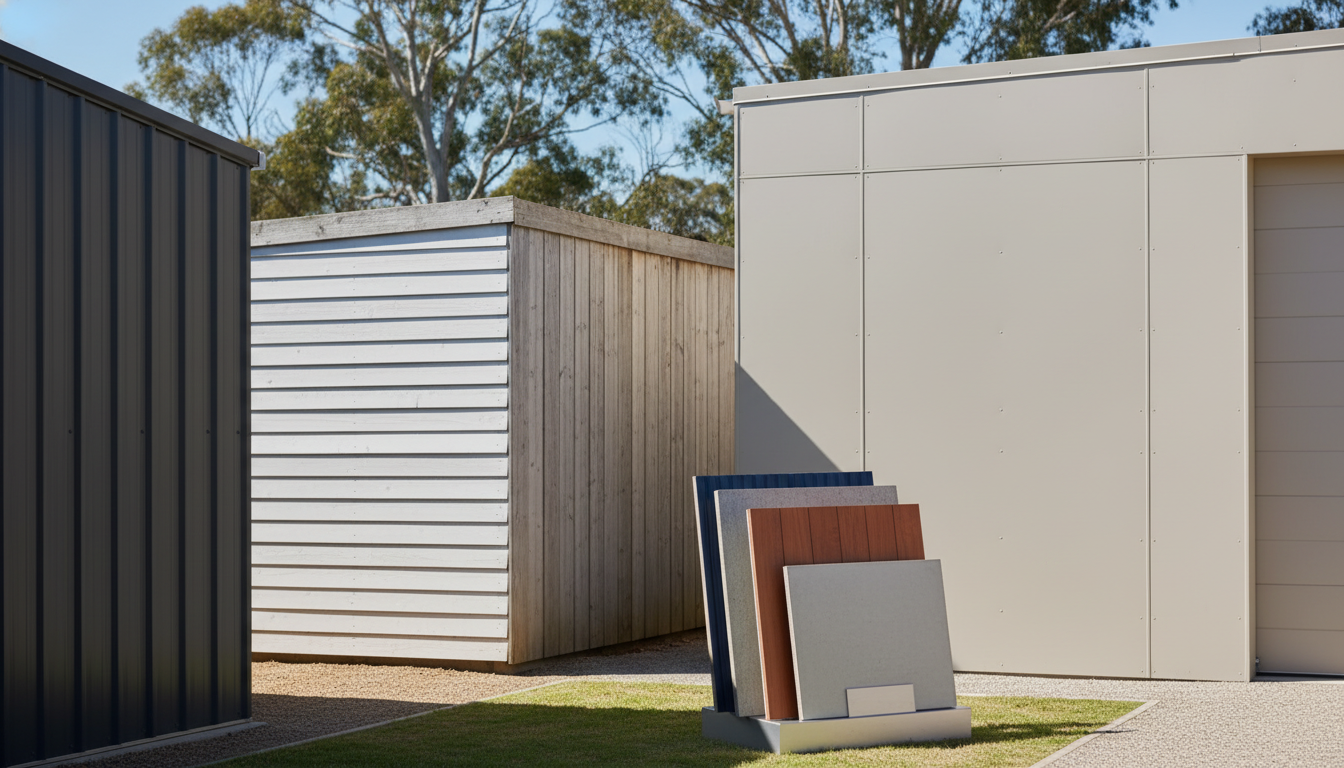
Cladding board refers to the materials applied to the exterior walls of buildings such as sheds and garages, serving as a protective layer against weather while contributing to the structure’s aesthetics. In Australia, common cladding types include Colorbond steel, timber weatherboard cladding, and various forms of panel cladding made from composite or fibre materials.
These external cladding sheets vary in thickness, profile, and finish. Cladding boards are typically installed horizontally or vertically depending on the profile chosen, with particular designs such as v groove board external panels or white weatherboard styles becoming popular for their visual appeal and functionality.
Examples of cladding boards include:
- Rigid steel sheets such as Colorbond steel cladding
- Natural or treated wooden weatherboards
- Composite panel cladding including masonite cladding and fibre-cement boards
Each type offers distinct characteristics suitable for Australian outdoor use.
For a broader understanding of garden shed cladding, our comprehensive garden shed cladding buyer’s guide covers everything from material choices to installation tips.
1.2 Importance of Choosing the Right Cladding for Australian Outdoor Conditions
Australia’s diverse climate—ranging from harsh UV and dry inland heat to coastal salt air and tropical humidity—demands the correct cladding choice to ensure longevity and protection. Selecting the appropriate cladding board helps safeguard your shed or garage structure against weatherproof cladding failures such as rust, rot, or warping.
Performance factors like waterproofing, thermal expansion, and resistance to pests like termites are critical. Particularly for outdoor cladding sheets, the selection impacts energy efficiency and overall maintenance costs. Incorrect choices often lead to premature degradation, resulting in costly repairs or replacements.
1.3 Key Performance Criteria: Durability, Waterproofing & Aesthetics
When specifying shed and garage cladding, three pillars guide the decision:
- Durability: Ability to withstand Australian sun UV radiation, heavy rainfall, and potential wind loads without structural decay.
- Waterproofing: Cladding sheets must prevent water infiltration to avoid internal damage; advanced coatings and sealants enhance this property.
- Aesthetics: Profiles such as horizontal versus vertical weatherboards, colour schemes including white weatherboard, and texture contribute to visual harmony with surrounding buildings.
Understanding these criteria lays the foundation for choosing the best weather boards or panel cladding for your needs.
This overview primes you to explore the detailed material options available in 2025.
2. Overview of Popular Cladding Materials in 2025
2.1 Colorbond Steel Cladding: Features and Benefits
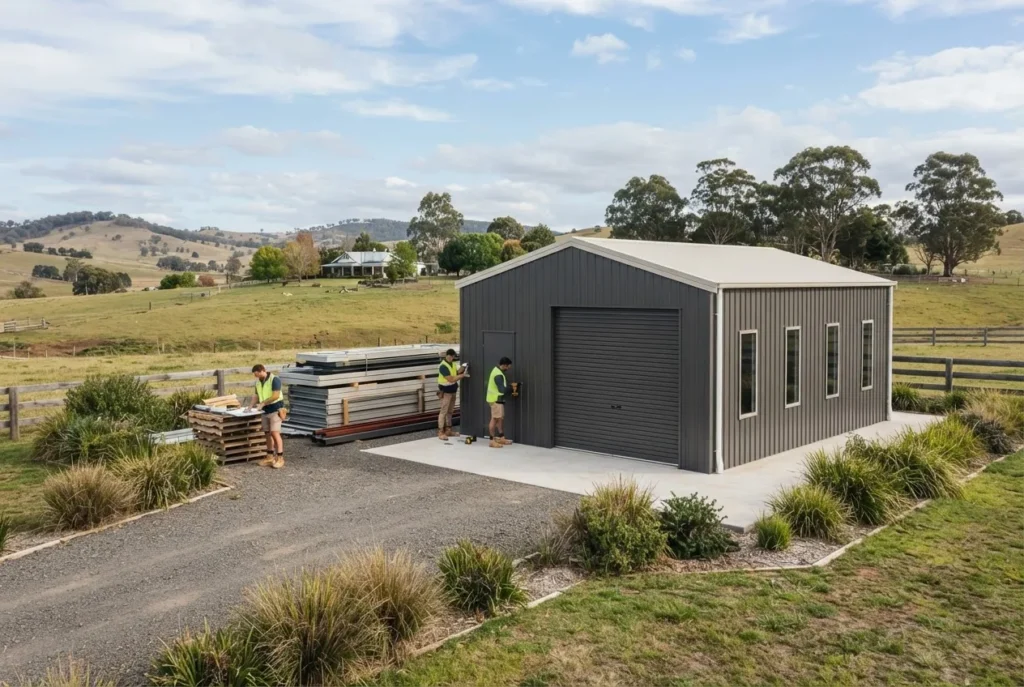
Colorbond steel cladding remains one of the most trusted materials for Australian outbuildings due to its exceptional weather resistance and low maintenance. This pre-painted, galvanized steel is engineered by BlueScope and offers superior durability against rust and corrosion, even in salt air coastal regions.
Key benefits include:
- High resistance to UV fading and chipping, retaining colour vibrancy even under intense sun exposure
- Lightweight and easy to install compared to masonry
- Available in a wide palette of colours matching current style trends and house facade panels
- Non-combustible, useful for bushfire prone zones following AS 3959 standards
Colorbond also features in a variety of cladding profiles, accommodating both horizontal cladding and vertical designs. Its waterproof cladding properties stem from the steel’s non-porous surface and factory-applied finishes.
Overall, it suits sheds and garages seeking a robust, contemporary look with minimal upkeep.
2.2 Timber Weatherboard Cladding: Species, Treatments & Looks
Timber weatherboard cladding remains highly prized for its natural warmth and traditional aesthetic. Common species for Australian external cladding include:
- Hardwood options like spotted gum and ironbark, valued for hardness and natural termite resistance
- Softwoods like treated pine, more affordable but requiring thorough chemical treatment and regular care
Timber boards must be treated or painted with water-repellent coatings to serve as effective waterproof cladding. Popular weatherboard profiles include chamfered, bevelback, and shiplap, each affecting the shadow line and architectural style.
Benefits of timber include:
- Renewable and sustainable if sourced responsibly
- Flexibility with stains and paint finishes to suit many exterior palettes
- Good thermal insulation compared to metal cladding
However, timber requires vigilance to maintenance, especially in humid coastal climates or where termite pressure is high.
For further details on timber vs steel cladding choices, see our dedicated comparative guide on timber frame sheds versus Colorbond cladding.
2.3 Panel Cladding: V Groove, Masonite, and Other Panel Types
Panel cladding encompasses a variety of manufactured sheets designed for easy installation and clean modern lines. Common types include:
- V groove board external: Timber or composite boards milled with a sharp V-shaped groove, adding texture and shadow play to large flat surfaces
- Masonite cladding: Fibreboard panels offering a smooth finish with resistance against moisture when properly sealed
- Other composite panels using materials like fibre cement or engineered wood
Panel cladding is notable for its uniformity, dimensional stability, and versatility — particularly where external panel cladding solutions are preferred for quick build times or modern design aesthetics.
However, water ingress risk can increase if joints or edges are poorly sealed, so proper installation and coating are essential.
With an understanding of material options, next we examine styles and profiles.
3. Cladding Profiles and Styles for Sheds and Garages
3.1 Horizontal vs Vertical Weatherboards: Visual and Functional Differences
The choice between horizontal cladding and vertical weatherboard installation impacts both the appearance and water runoff efficiency of sheds and garages.
- Horizontal weatherboards are traditional and create a classic look; they effectively shed rainwater when installed with proper overlapping techniques.
- Vertical weatherboards offer a contemporary aesthetic, emphasizing height and providing unique shadow lines. They require careful flashing and sealing to avoid water infiltration at joints.
Functionally, horizontal boards tend to be easier to maintain for DIYers, while vertical panels may excel where wind-driven rain is common by promoting faster runoff. Many Australian sheds combine these for architectural interest.
3.2 Understanding Weatherboard Profiles and External Panel Options
Weatherboard profiles such as bevel, chamfer, and rusticated shapes influence both the texture and style of cladding. For example:
- Bevel weatherboards have a tapered edge that overlaps neatly for maximum water shedding
- Chamfer boards have a rounded or square edge, offering a softer facade appearance
- Rusticated boards feature grooved or rebated edges for shadow effects
Similarly, external panel options like masonite or fibre cement provide flat or patterned surfaces, which suit minimalist or industrial styles.
3.3 Specialty Profiles: V Groove Board External, White Weatherboard, and Masonite Cladding
Specialty profiles add architectural variety:
- V groove board external is prized for creating precise lineation on walls, ideal for contemporary sheds seeking clean modern finishes
- White weatherboard is a timeless classic that enhances the brightness and visual size of smaller sheds or garages, often paired with crisp trims
- Masonite cladding and other composite panels provide smooth surfaces that can be painted to mimic timber or steel finishes, enhancing flexibility
These profiles cater to both durable performance and design trends in Australian shed building.
With the style options in mind, understanding weather resilience and maintenance is key.
4. Weather Resistance and Maintenance Considerations
4.1 Waterproof Cladding Technologies and Best Practices
Effective waterproof cladding is fundamental for the longevity of sheds and garages exposed to Australian weather extremes. Technologies enhancing waterproofing include:
- Factory-applied steel coatings on Colorbond that resist corrosion
- Advanced timber preservatives and sealants that prevent water ingress and rot
- Panel cladding surface treatments to reduce moisture absorption and swelling
Best practices for maintaining waterproofing integrity include sealing joints with flexible, weatherproof membranes, regular inspection of flashing, and ensuring cladding overlaps are correctly installed.
For insights into waterproof outdoor cladding options, including cabinet solutions, refer to our dedicated guide on outdoor storage cabinets in Australia.
4.2 Impact of Australian Climate: UV, Rain, Wind on Different Materials
Australia’s climate influences cladding material performance significantly:
- UV exposure: Intense sunlight can cause timber to fade and degrade finishes unless properly treated; Colorbond coatings are engineered to resist UV fading.
- Rainfall: Heavy rain promotes rot in timber and corrosion in steel without appropriate waterproofing.
- Wind: Strong winds, especially in coastal areas, test the fixing methods and cladding strength; Colorbond steel’s lightweight yet sturdy nature often performs well here.
4.3 Maintenance Requirements for Colorbond vs Timber vs Panel Cladding
Maintenance expectations vary:
- Colorbond steel: Minimal maintenance; periodic washing to remove dirt and salt deposits is typically sufficient.
- Timber weatherboards: Require repainting or restaining every 3–5 years; prompt repairs to cracks or splits are essential to prevent moisture ingress; termite inspections advised.
- Panel cladding: Maintenance depends on material; fibre cement and masonite need protective coatings and careful sealing of joints to maintain waterproofing.
Consistent upkeep can extend the life of all cladding types significantly, reducing the need for costly repairs.
Next, we look at how to approach installation and legal compliance.
5. Installation Insights and Compliance for Australian Outdoor Cladding
5.1 Basic Installation Techniques Relevant to Cladding Boards
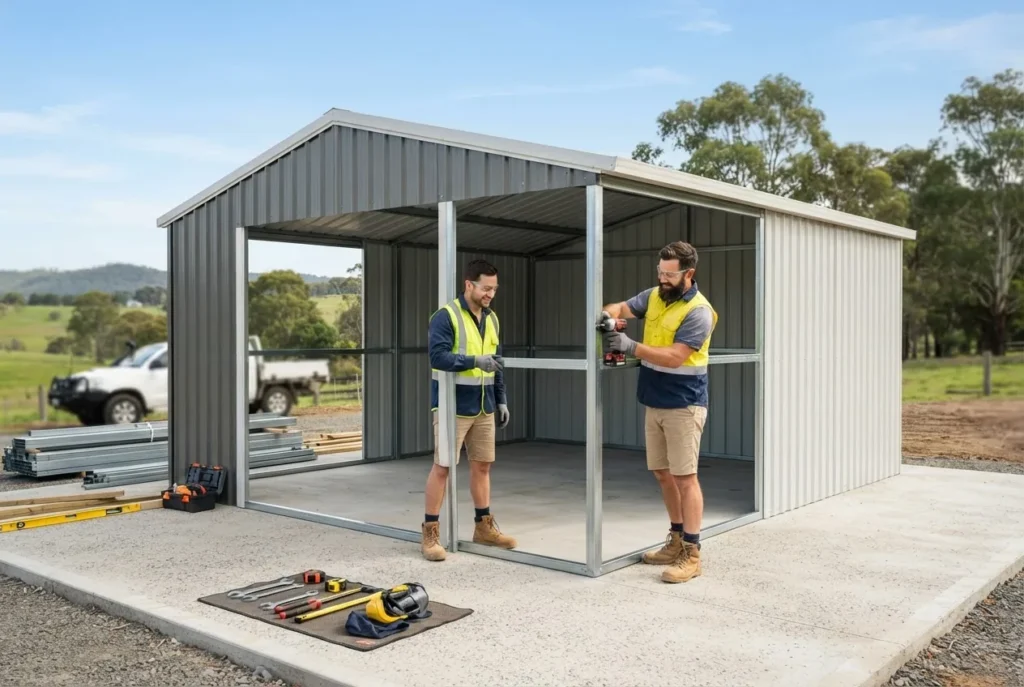
Installing cladding boards properly ensures performance and longevity. Key steps include:
- Preparation: Ensure the framing is plumb and weathertight with appropriate moisture barriers.
- Fixing: Use corrosion-resistant fasteners compatible with the cladding material to prevent rust or damage.
- Overlaps and joints: Install weatherboards or panels overlapping correctly to create natural water shedding pathways.
- Ventilation: Allow for air gaps behind the cladding to reduce moisture buildup and condensation.
- Sealing: Apply appropriate sealants or flashings at edges, windows, and penetrations.
Installer tips: “A common error is insufficient fixing length for Colorbond sheets leading to wind damage,” says seasoned Australian shed builder Tom Riley.
Installation and compliance are critical, and for broader context, review council approvals and design options for Australian sheds.
Understanding council approvals for sheds like the 12×8 is essential; our 12×8 shed guide details these alongside cladding installation.
Installation advice and compliance considerations are further expanded in our garden shed installation guide focused on Colorbond and Zincalume cladding.
Special cladding requirements and compliance for awning sheds are covered in the Awning Shed Guide Australia, which is useful for unique shed types.
For custom garden spaces such as outdoor bar sheds, where steel cladding is preferred for durability and style, see our Bar Storage Shed guide.
Compliance with standards such as those from Standards Australia ensures your installation meets all legal requirements and best industry practices.
5.2 Local Standards, Building Codes, and Compliance for Shed/Garage Cladding
Cladding must comply with the National Construction Code (NCC) and relevant Australian Standards such as AS 3959 for bushfire rating and AS/NZS 2728 for metal coatings. Councils often require compliance certificates to ensure adherence.
Because external cladding influences fire safety, waterproofing, and structural stability, maintaining correct installation per these codes is mandatory. For more on broader compliance contexts, see council approvals and design options for Australian sheds.
5.3 Practical Tips for Long-Term Cladding Performance
- Allow expansion gaps, especially for metal and panel cladding subject to temperature changes
- Choose fastener spacing according to wind zone requirements
- Protect timber edges and ends with appropriate sealers against moisture ingress
- Use manufacturer-approved paints and coatings for recoating
- Schedule annual inspections particularly after severe weather events
Following these guidelines ensures your cladding serves both function and form for years to come.
Moving on to the design and aesthetic impacts of cladding choices.
6. Design and Aesthetic Impact of Cladding Choices
6.1 Enhancing Shed and Garage Facades with Cladding Profiles
The visual appeal of sheds and garages often depends on cladding profiles such as bevel, chamfer, and v groove board external patterns. Vertical weatherboards add sleek lines, while horizontal boards create a traditional barn-like appearance.
Architectural accents with layered profiles and changing directions between walls can add dimension. When paired effectively with trims and windows, these profiles transform simple outbuildings into stylish extensions of your home.
6.2 Colorbond Color Options and Timber Finishes in 2025
Colorbond continues to expand its palette, offering colours from muted greys to bold reds. Notably:
- Neutral tones like Woodland Grey and Classic Cream remain popular for their versatility
- Rich timber-look finishes or lighter pastels complement white weatherboard themes
- Special colours with enhanced UV resistance cater to high-exposure zones
Styling your shed with Colorbond cladding is detailed in guides such as our Colorbond vs Zincalume design options for barn sheds in Australia.
Additional inspiration for colours and finishes can be found in our Shed Colours Australia and Woodland Grey Shed resources.
Timber finishes versus Colorbond cladding details are compared in the Timber Frame Garden Shed vs Colorbond guide.
6.3 Combining Cladding Boards with House Facade Panels for Cohesive Styling
Matching your shed or garage cladding with existing house facade panels can unify your property’s look. Combining timber weatherboards with Colorbond trims or integrating panel cladding with matching colours improves curb appeal.
Homeowners often select complementary or contrasting tones to either blend or highlight outbuildings. The key is selecting cladding profiles and materials compatible with your house façade’s texture and style, delivering cohesive and attractive exteriors.
After design, we now explore comparative performance for each cladding board type.
7. Comparative Performance: Colorbond vs Timber Weatherboard vs Panel Cladding
7.1 Side-by-Side Comparison Table of Key Metrics (Durability, Cost, Maintenance, Aesthetic)
| Cladding Type | Durability | Maintenance | Aesthetic Flexibility | Cost Considerations |
|---|---|---|---|---|
| Colorbond Steel | High; excellent corrosion and impact resistance | Low; occasional cleaning only | Wide colour range with modern profiles | Medium to high initial, low life-cycle cost |
| Timber Weatherboard | Moderate; depends on species & treatment | High; regular painting/staining needed | Rich natural warmth, variable finishes | Low to medium initial, higher upkeep cost |
| Panel Cladding (Masonite, V Groove, Fibre Cement) | Moderate; good dimensional stability if maintained | Medium; sealing and repainting required | Varied smooth or grooved finishes | Medium; depends on material and installation |
7.2 Pros and Cons for Shed and Garage Use Cases
- Colorbond Pros: Durable outdoors, fire resistant, minimal maintenance, modern look
- Colorbond Cons: Can dent on impact; metal expansion noise in temperature shifts
- Timber Pros: Natural appeal, good insulation, renewable resource
- Timber Cons: Ongoing maintenance, pest risk, susceptible to moisture damage
- Panel Cladding Pros: Versatile design, easy installation, alternative textures
- Panel Cladding Cons: Requires good sealing; potential swelling if exposed to moisture
7.3 Recommendations Based on Climate Zone and Usage Needs
Coastal or high UV zones favour Colorbond steel for its superior corrosion resistance. Inland areas with lower humidity may accommodate timber weatherboards if regular maintenance is feasible.
For quick builds and modern aesthetics, panel cladding offers balanced performance.
Larger sheds like the 10×10 Colorbond garden shed options in Australia benefit from Colorbond’s durability, while compact models such as 2×2 Colorbond garden sheds suitable for tight spaces also leverage steel advantages in limited footprints.
Visit size-specific guides for tailored suitability insights.
8. Where to Find Quality Weatherboards and Cladding Sheets in Australia
8.1 Trusted Suppliers and Brands for Cladding Boards and Panels
Reputable local suppliers include:
- Stratco: Specialises in Colorbond steel cladding with extensive profile options
- Bunnings Warehouse: Widely available timber weatherboards and panel solutions
- Carter Holt Harvey: Renowned for quality timber products and treated weatherboards
- Specialty distributors of fibre cement and masonite cladding in major cities
8.2 Availability of Weatherboards for Sale: Timber and Steel Options
Weatherboards for sale across Australia offer a wide spectrum from pre-primed timber boards to pre-coated steel sheets. Popular timber weatherboards accommodate many profiles and species, while steel sheets come in Colour ranges suited for diverse tastes.
See detailed 10×6 garden sheds with premium cladding boards available in Australia for product availability suggestions.
8.3 Sourcing Outdoor and External Cladding Sheets
When sourcing outdoor cladding sheets, consider supplier warranties, product certifications, and availability of complementary accessories such as trims and fasteners. Always confirm materials conform to Australian standards for building products.
Additional sourcing and buying options can be explored in the Metal Garden Storage Shed guide and the Timber Frame Garden Shed guide.
9. FAQs: Answering Common Reader Questions for 2025 Cladding Choices
9.1 How long does each cladding type typically last on a shed?
Colorbond steel can last 20+ years with minimal maintenance. Timber weatherboards have a variable lifespan from 10 to 30 years depending on species and upkeep. Panel cladding generally endures 15-25 years if protection and sealing are maintained.
9.2 Can I mix cladding profiles or materials on one shed or garage?
Yes, mixing horizontal and vertical boards or combining timber with Colorbond trims is common for aesthetic contrast and functional enhancement. Ensure transitions are waterproofed and installation methods are compatible.
9.3 What maintenance cycles should I expect through Australian seasons?
Steel should be cleaned annually; timber weatherboards typically require painting or staining every 3-5 years; panels need resealing similarly. Inspection after severe weather is advised regardless of material.
9.4 Are there eco-friendly or sustainable cladding board options available?
Certified sustainably sourced timber and composite panels with recycled content offer greener alternatives. Colorbond steel is recyclable, and extended product lifespans contribute to sustainability. Choose suppliers with environmental certifications where possible.
9.5 How does warranty coverage differ among materials?
Colorbond steel commonly carries 15-25 year warranties against fading and corrosion. Timber weatherboards’ warranties vary by treatment and supplier, usually shorter due to natural variability. Panel cladding warranties depend on manufacturer and coating systems; always review terms carefully.
Having evaluated materials, profiles, performance, and sourcing options, you are now equipped to confidently select the ideal cladding board for your Australian shed or garage in 2025. Consider your local climate, maintenance willingness, and aesthetic goals carefully to ensure a durable and attractive outcome.
Ready to explore your shed cladding options? Start with trusted suppliers or dive deeper into shed designs and approvals with our comprehensive guides linked throughout this article.
Frequently Asked Questions
What factors should be considered when choosing cladding board materials for Australian sheds?
Consider climate resilience to UV, rain, and wind, maintenance demands, durability, waterproofing effectiveness, and aesthetic compatibility. Material suitability differs by location, with corrosion resistance vital in coastal areas and termite resistance important inland.
How do Colorbond steel and timber weatherboard cladding compare in terms of maintenance?
Colorbond steel requires minimal maintenance like occasional cleaning, while timber weatherboards need regular repainting or staining every 3–5 years plus termite inspections. Timber upkeep is more intensive due to vulnerability to moisture and pests.
Why is waterproof cladding critical for sheds and garages in Australia?
Waterproof cladding protects structures from water ingress, preventing rot, corrosion, and structural damage. Australian weather extremes demand effective waterproofing to ensure durability and low maintenance of outdoor buildings like sheds and garages.
Can different cladding board profiles be combined on a single shed or garage?
Yes, mixing profiles like horizontal and vertical boards or combining timber with metal trims is common to enhance aesthetics and functionality. Proper sealing and compatible installation methods are essential to maintain waterproofing and durability.
Which cladding type offers the best durability for high UV and coastal conditions in Australia?
Colorbond steel is preferred for high UV and coastal environments due to superior corrosion resistance, UV-stable coatings, and minimal maintenance requirements compared to timber or panel cladding.
What is panel cladding and what are its typical uses for sheds and garages?
Panel cladding consists of manufactured sheets like masonry or fibre cement, providing uniform, easy-to-install surfaces. It suits modern shed and garage designs needing quick construction and varied textures but requires careful sealing to prevent moisture damage.
How does the choice of weatherboard profile affect the appearance of a shed or garage?
Profiles such as bevel, chamfer, and V groove create distinct shadows and textures, influencing visual style. Horizontal boards offer classic looks, while vertical or specialty profiles add contemporary lines and enhance architectural interest.
Is timber weatherboard cladding an eco-friendly option for Australian outdoor buildings?
When sourced sustainably, timber weatherboards are renewable and biodegradable, making them eco-friendly. However, frequent maintenance and chemical treatments may impact their overall environmental footprint.