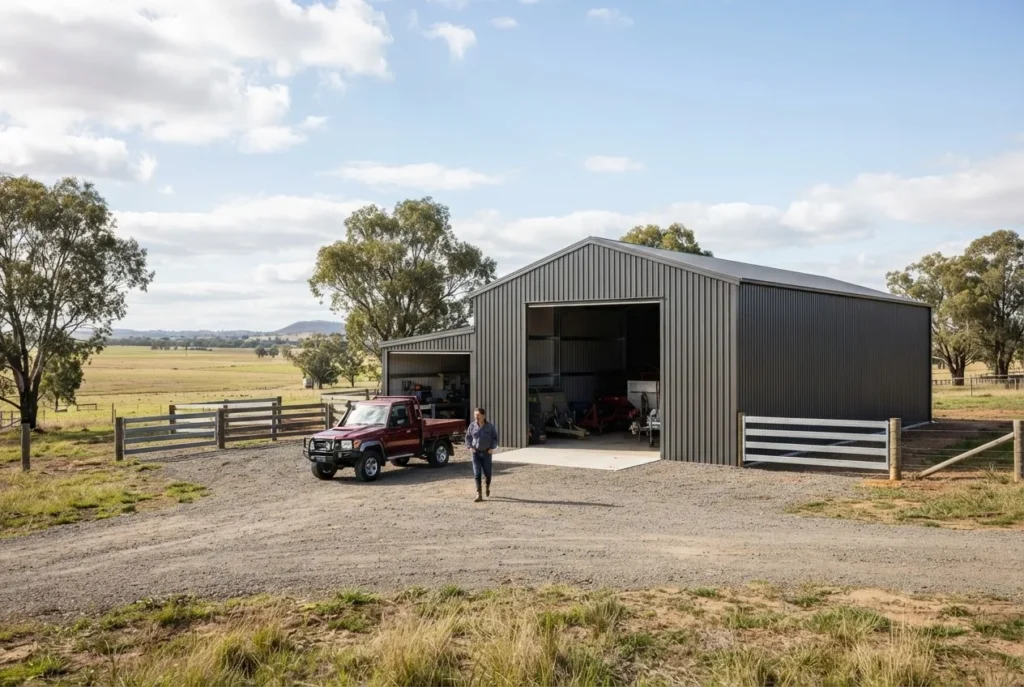


Choosing the ideal corrugated Colorbond garden shed in Australia requires an expert understanding of this unique steel cladding, its durability, weather resistance, and the nuances of installation and compliance for 2025. This comprehensive buyer’s guide empowers you with detailed insights on corrugated steel panels, guiding you through features, cost considerations, and council approvals tailored for Australian conditions.
Understanding Corrugated Colorbond Steel for Garden Sheds
What is Colorbond Steel? Overview and Australian Origin
Colorbond steel is an innovative Australian steel product widely recognised for its patented paint technology and corrosion resistance. Manufactured primarily by BlueScope Steel, this pre-painted steel combines durability with a broad palette of colours suited to Australia’s diverse environments. Its popularity in garden sheds stems from its robust finish and long-lasting performance under harsh climate conditions.
The Corrugated Steel Panel Profile Explained
Corrugated panels feature a distinctive wave-like profile that enhances structural strength and water runoff capabilities. These vertical or horizontal corrugations act as natural channels, improving ventilation inside the shed by facilitating airflow while increasing rigidity compared to flat panel profiles. This profile is particularly beneficial in Australian climate zones where airflow helps minimise condensation and internal heat buildup.
Benefits of Corrugated Colorbond vs. Other Colorbond Profiles
Compared to flat or other Colorbond cladding styles, the corrugated profile offers:
- Increased durability due to added structural strength from corrugations.
- Better ventilation by promoting airflow and reducing condensation.
- Enhanced water runoff reducing moisture retention and rust risk.
- A distinct aesthetic appeal that suits both modern and rustic shed designs.
This combination makes corrugated Colorbond steel a premium choice for Australian garden sheds aiming for longevity and practicality.
Aesthetic Appeal and Color Options for Corrugated Sheds
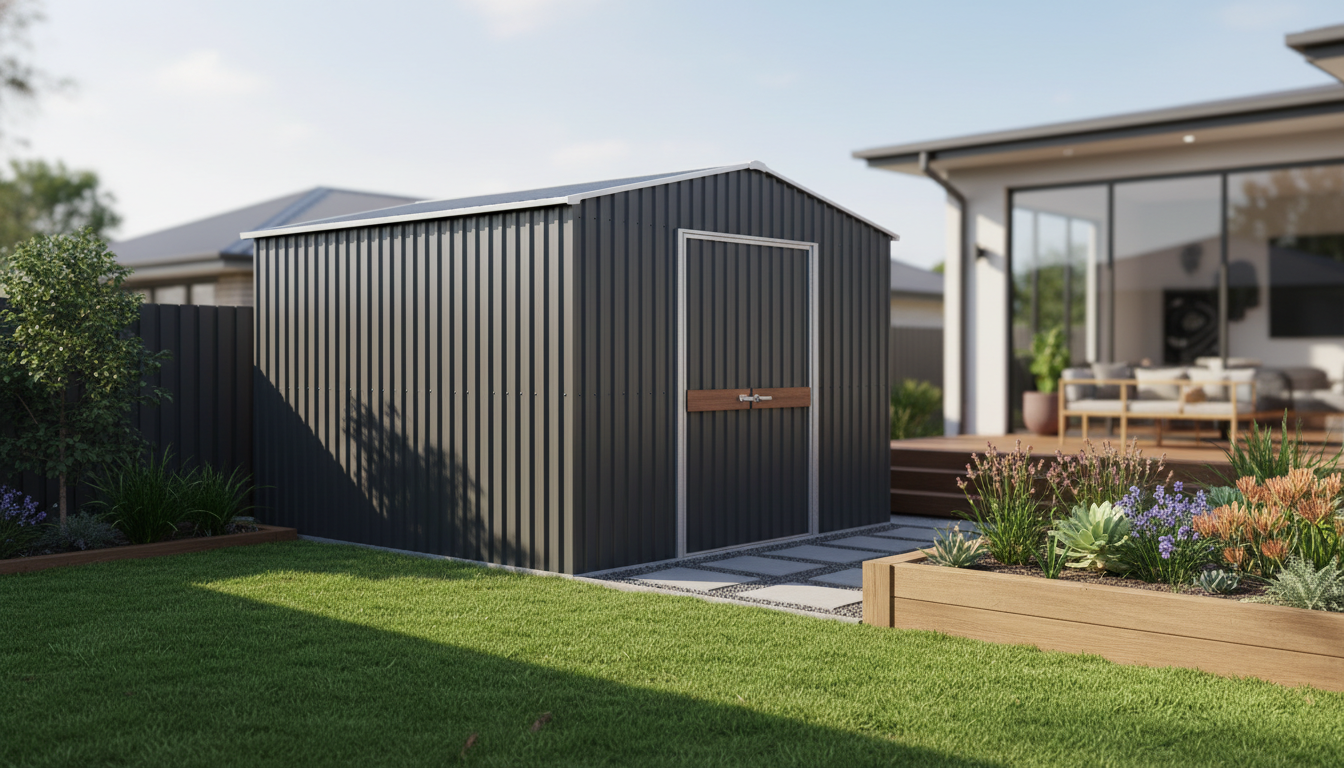
Colorbond’s extensive colour palette allows you to select finishes that complement your home and landscape. Popular corrugated shed colours include Woodland Grey, Surfmist, Classic Cream, and Deep Ocean. The interplay of shadow along the corrugated fins adds texture and character that flat panels cannot replicate. Below is a summarized table of standard Colorbond colours often chosen for sheds:
| Colour | Hex Code | Usage |
|---|---|---|
| Woodland Grey | #7A7C79 | Neutral, blends with natural surroundings |
| Surfmist | #ECE8E1 | Light, reflects heat, modern aesthetic |
| Classic Cream | #E4D6B5 | Traditional, warm tone for rustic themes |
| Deep Ocean | #005A87 | Bold, modern contrast to landscaping |
This variety ensures your corrugated garden shed can be both functional and a visually appealing addition to your property.
Having covered the foundations of corrugated Colorbond steel and its appeal, next we explore how it withstands Australia’s extreme and varied climates.
Durability and Weather Resistance of Corrugated Colorbond in Australian Climates
Heat and UV Radiation Protection Properties
Colour longevity and heat resistance are crucial in Australia, where UV radiation ranks among the highest globally. According to the Australian Bureau of Meteorology (BoM), regions regularly endure UV index values over 10 during summer months. Colorbond steel features a UV-resistant paint film, specially engineered to resist chalking and fading. The corrugated profile further aids in dissipating heat by allowing airflow along the panel surfaces, reducing heat transfer into the shed interior.
Rain, Wind, and Cyclone Zone Compliance
Australia’s heavy rainfall and cyclone-prone zones demand sheds that comply with stringent building codes. Corrugated Colorbond sheds meet or exceed the structural requirements outlined in AS/NZS 1170 for wind loads and water ingress protection. For example, corrugation ensures rapid rainwater runoff preventing pooling, while the steel’s robustness withstands sustained high winds. Those in cyclone-rated areas are advised to look specifically at cyclone-rated Colorbond garden sheds for enhanced certification and safety.
Ventilation and Condensation Management in Corrugated Panels
Ventilation is a key benefit unique to corrugated cladding. The design allows air channels that reduce moisture accumulation, curbing rust and condensation buildup common in flat panel sheds. This feature is particularly vital in humid coastal areas and during cooler months when temperature differentials cause condensation. Effective ventilation extends shed life and preserves stored equipment. For ventilation solutions specific to Colorbond sheds, see our shed ventilation guide.
Long-Term Maintenance Requirements
Maintenance for corrugated Colorbond sheds focuses on keeping the protective paint finish intact. Regular cleaning to remove dirt and salt deposits helps prevent premature corrosion, especially in coastal and industrial regions. Minor dents can be repaired without compromising structural integrity. Over time, paint touch-ups should be applied with Colorbond-approved paints following manufacturer guidance.
For a broader understanding of steel shed materials, including detailed Colorbond vs Zincalume comparisons, see our comprehensive Barn Sheds Australia guide.
The next section helps you match your garden shed size and style to your specific storage needs and site conditions.
Choosing the Right Corrugated Garden Shed Size and Style
Common Sizes Suited for Corrugated Panel Sheds (brief contextual mention)
While this guide focuses on corrugated cladding, it’s useful to note typical shed dimensions in Australia include 3x3m (10×10), 6x4m, and larger 10×20 setups. These sizes work well with corrugated panels offering structural advantages across a wide footprint range.
Popular Shed Styles Featuring Corrugated Cladding
Corrugated Colorbond is versatile, appearing on styles like:
- Traditional gable sheds – classic pitched roof with vertical corrugation for drainage.
- Skillion sheds – single slope roof maximizing modern aesthetics and rain run-off.
- Lean-to or awning sheds – integrated into existing structures, benefiting from lightweight yet durable corrugated steel.
If you’re considering a standard shed size, explore our detailed 3x3m Colorbond garden sheds guide to find styles suited to typical backyard needs.
Functional Use Cases for Different Styles and Sizes
Choosing style depends on intended use, e.g., garden tool storage, workshop, or machinery housing. Corrugated panels maintain strength across diverse forms while providing practical ventilation and weather protection.
Larger storage needs may call for 10×20 Colorbond steel sheds, with design options and compliance covered extensively in our dedicated 10×20 storage shed guide. For custom-sized solutions, the 6m x 3m Colorbond garden shed guide offers pricing, wind ratings, and council approval advice.
For comparisons of shed frame types, including timber and Colorbond steel, see our detailed timber frame versus Colorbond garden sheds guide examining durability and aesthetics.
Comparison: Corrugated vs. Non-Corrugated Colorbond Storage Sheds
Compared with flat Colorbond panels, corrugated sheds typically offer:
- Superior structural rigidity allowing larger spans with thinner steel.
- Improved ventilation and heat management.
- Added aesthetic texture that many homeowners prefer.
Proper installation maximises these benefits, which we cover in the next section.
Installation Process Specific to Corrugated Colorbond Garden Sheds
Foundation and Site Preparation for Corrugated Sheds
A level, stable foundation is essential. Corrugated sheds require foundations tailored to handle concentrated loads along corrugation ridges. Options include concrete slabs, compacted gravel pads, or treated timber bearers. Foundation choice depends on soil type, shed size, and local conditions.
For detailed foundation information, see the foundation requirements for corrugated Colorbond sheds guide.
Assembly Techniques Unique to Corrugated Panels
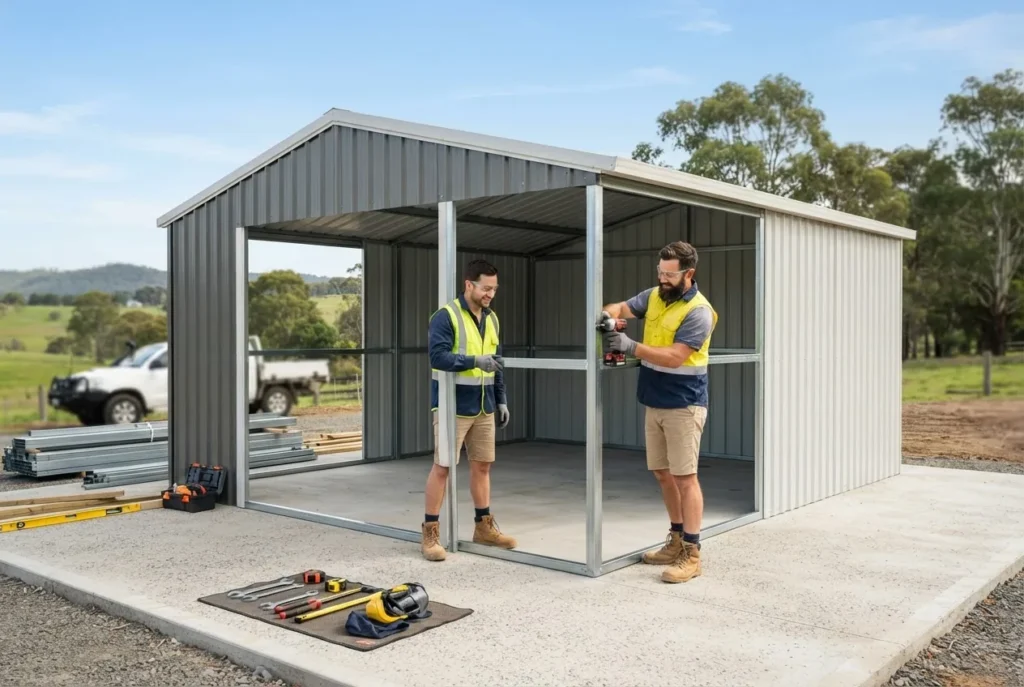
Corrugated panels need specialized fasteners and clips that secure along corrugation crests to maintain seal integrity. Overlapping edges must align precisely to ensure rainproof joints. Proper sealing and the use of compatible screws with rubber washers prevent water ingress and corrosion points.
Recommendations for DIY vs. Professional Installation
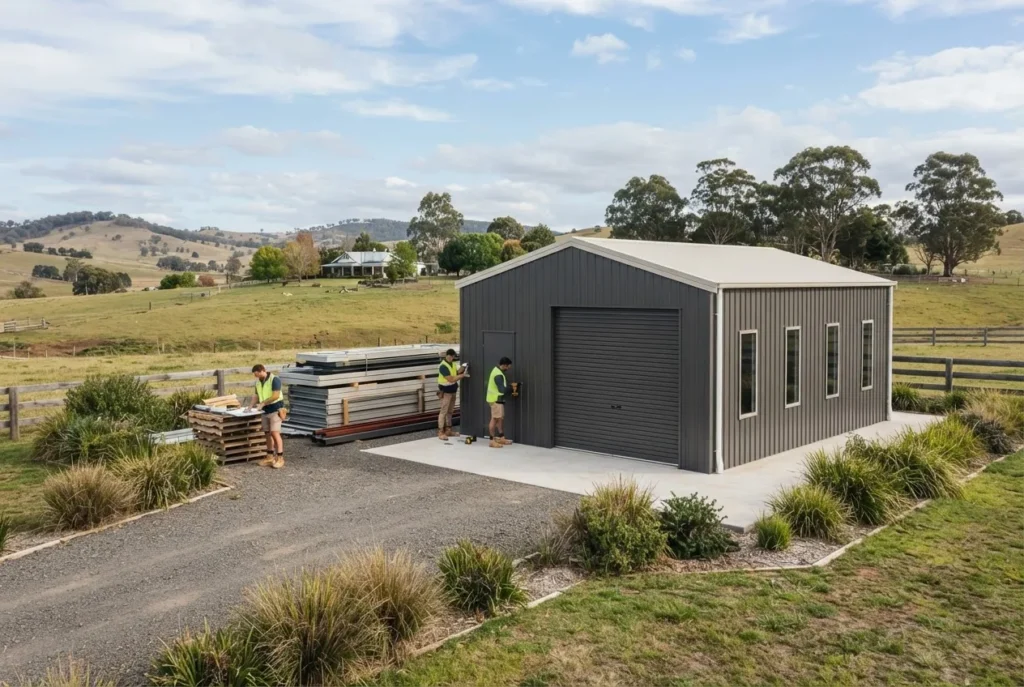
While DIY installation is possible for experienced builders, professional installers bring expertise in site preparation, fastener selection, and compliance with local regulations. Professional assembly ensures warranty validity and can reduce installation time.
Learn more about professional options in the garden shed installation guide.
Time and Labour Cost Considerations
Installation timelines range from 1–3 days depending on shed size and contractor availability. Labour costs vary by location but expect 30–50% of total project expenses. Budgeting appropriately for installation prevents unexpected overruns.
Understanding regulatory steps is vital before installation.
Navigating Council Approval and Australian Compliance for Corrugated Sheds
Overview of Australian Building Codes Relevant to Corrugated Sheds
In Australia, the National Construction Code (NCC) governs shed construction, including material standards, wind loads, and safety requirements. Corrugated steel sheds must meet these mandates to pass council inspections and obtain permits.
Wind Rating Requirements and Proof of Compliance
Sheds in wind-exposed regions or cyclone affected zones must be rated according to AS/NZS 1170 standards. Suppliers often provide wind rating certificates verifying compliance. Ensuring your shed has these ratings is crucial to obtaining approvals.
Permit Application Process by State and Territory
The process varies:
- Queensland: Certain sheds under 10m² may be exempt; above this, permits are required.
- New South Wales: Development Applications often necessary for structures over a specified size.
- Victoria: Planning permits generally required unless exempted by local zones.
Early consultation with your local council simplifies this process. Regional council approval requirements can differ significantly, as detailed in our Garden Sheds Brisbane guide. Navigating the council approvals process for sheds in Australia can be complex; the Barn Sheds Australia guide provides further insight into state-specific requirements.
Common Approval Pitfalls for Corrugated Storage Sheds
- Failure to submit accurate site plans and shed specifications.
- Using non-compliant materials or unverified wind ratings.
- Misunderstanding height and boundary setback regulations.
For further clarification, the Barn Sheds Australia guide provides detailed state-specific insights.
Next, we break down the cost factors so you can budget wisely.
Cost Analysis and Budgeting for Corrugated Colorbond Garden Sheds
Breakdown of Material Costs: Corrugated Colorbond vs Alternatives
As of 2024–2025 supplier quotes, raw corrugated Colorbond steel costs approximately AUD 40–60 per m², higher than flat Colorbond (~AUD 30–45/m²) due to manufacturing complexity. However, corrugated steel’s enhanced durability often offsets this price difference over time.
Installation and Labour Expenses
Labour costs typically account for 30–50% of total project spend. Professional installers charge between AUD 50–80/hr depending on region and complexity. DIY savings must be balanced against potential risk and warranty requirements.
Foundation and Site Preparation Costs
Foundation expenses vary widely but expect AUD 1,500–5,000 depending on foundation type and site accessibility. Proper foundation investment extends shed longevity, making it a cost-effective choice.
For buyers prioritising affordability in specific regions such as Adelaide, our smart guide to cheap garden sheds explores cost-saving without compromising quality.
Comparing Lifecycle Costs and Value for Money
While upfront costs for corrugated Colorbond are mid-to-high range, lifecycle savings come from lower maintenance and longer lifespan—up to 30 years with proper care compared to lower quality steel alternatives lasting 10–15 years.
Maintaining your investment properly maximises these returns.
Maintenance and Longevity Tips for Corrugated Colorbond Sheds
Cleaning and Surface Protection Recommendations
Use gentle washing with mild detergent and water annually to remove dirt, salts, and organic debris. Avoid abrasive cleaners which can damage the paint layer. Rinse thoroughly to prevent streaking.
Repairing Common Wear and Damages (Rust, Dents, Paint)
Minor surface rust spots can be treated with a wire brush followed by application of Colorbond-approved rust converter and touch-up paint. Dents, while mostly aesthetic, can be gently pushed out or filled with metal filler compounds if necessary.
Seasonal and Climate-Specific Maintenance Tasks
Near the coast, increase cleaning frequency to reduce salt buildup. In bushfire-prone areas, clear leaf litter around shed bases to reduce fire risk. Regularly inspect vents and seals after heavy storms.
Enhancing Ventilation and Insulation for Shed Comfort
Adding ridge vents or screened openings exploits corrugation channels for crossflow ventilation, reducing heat and moisture buildup. Insulating the shed with reflective foil insulation behind corrugated panels can further moderate internal temperatures.
For additional ventilation techniques, see the shed ventilation guide. Retrofitting insulation methods are explored in our Insulated Garden Shed guide. Maximising shed space and organisation can enhance usability, covered extensively in our Garden Shed Organization Ideas guide.
Reliable manufacturers ensure high-quality products and aftersales support.
Leading Australian Corrugated Colorbond Shed Manufacturers and Suppliers in 2025
Top Brands Specialising in Corrugated Colorbond Sheds
- Stratco – Extensive Colorbond range, nationwide coverage, cyclone rated options.
- Sheds Direct – Custom corrugated Colorbond solutions, tailored sizes and colour options.
- B&D Group – Known for durable steel storage sheds with warranty-backed Colorbond cladding.
Supplier Comparison: Warranty, Customer Service, and Product Range
| Supplier | Warranty | Customisation | Installation Support |
|---|---|---|---|
| Stratco | 15 Years | High | Professional Service Available |
| Sheds Direct | 10 Years | Very High | DIY & Professional Options |
| B&D Group | 12 Years | Moderate | Limited |
Buying Direct vs Retailer Options
Purchasing directly from specialised manufacturers often guarantees better customisation and warranty servicing. Retailers may offer convenience and competitive prices but might limit style and size flexibility.
Additional Services: Customisation and Installation Support
Many suppliers now offer turnkey solutions including permit assistance, site planning, and professional installation to help meet council regulations and local conditions smoothly.
Arming yourself with answers to common queries ensures confidence in your purchase.
Frequently Asked Questions About Corrugated Colorbond Garden Sheds
Is Corrugated Colorbond Suitable for All Australian Regions?
Yes, with proper specification. Corrugated Colorbond adapts well across climates but must be chosen with regionally compliant thickness, paint type, and wind rating, especially in cyclone zones.
Can I Upgrade an Existing Shed to Corrugated Colorbond Panels?
Retrofitting is possible but depends on the current frame’s compatibility and compliance. Structural assessment is required to avoid compromising shed integrity or voiding warranties.
How Does Corrugated Colorbond Affect Shed Insulation?
The corrugated profile creates natural air pockets aiding passive ventilation, which can reduce heat retention. Combined with dedicated insulation materials, it can significantly enhance thermal comfort.
What Are the Environmental Benefits of Choosing Colorbond Steel?
Colorbond steel is highly recyclable, reducing landfill waste. Its durable coatings prolong shed life, lowering replacement frequency. Compared to timber, steel involves less deforestation and pest treatment chemicals. According to recent CSIRO reports, steel production emissions are being reduced with newer technology supporting sustainability goals.
Frequently Asked Questions
What maintenance is required to keep corrugated Colorbond sheds looking new?
Maintenance includes regular washing with mild detergent to remove dirt and salt, timely rust spot treatment using approved paints, and inspecting seals and fasteners. Avoid abrasive cleaners to preserve the paint finish and perform seasonal checks especially in coastal or harsh climate zones.
How do corrugated Colorbond sheds compare to timber sheds in terms of durability?
Corrugated Colorbond sheds offer superior durability with resistance to rot, termites, and fire compared to timber. Steel sheds typically last 25–30 years with minimal maintenance, whereas timber requires regular treatment and is more vulnerable to weather damage and pests.
Why is proper foundation preparation critical for corrugated Colorbond garden sheds?
A stable, level foundation prevents structural stress and water ingress along corrugation ridges. Proper preparation supports load distribution, avoids panel warping, and complies with local building codes, ensuring longer shed lifespan and warranty protection.
Can corrugated Colorbond sheds be customised with different roof styles?
Yes, corrugated Colorbond panels adapt well to roof styles like gable, skillion, and lean-to. Their flexibility maintains structural integrity and weatherproofing across styles while offering varied aesthetic options.
When should I choose a cyclone-rated corrugated Colorbond shed?
Choose cyclone-rated sheds if located in designated cyclone zones or regions with high wind risks. These sheds meet enhanced structural standards, providing greater safety and compliance with Australian building codes for extreme weather.
Which factors most influence the cost difference between corrugated and flat Colorbond sheds?
Key factors include manufacturing complexity, material thickness, and enhanced durability of corrugated panels. Installation complexity and foundation requirements can also raise costs compared to flat panel sheds.
What defines a corrugated steel panel, and why is it preferred for sheds?
Corrugated steel panels have a wave-like profile providing increased strength, improved water runoff, and natural ventilation channels. This makes them preferred for sheds needing durability, weather resistance, and condensation control.
Does installing a corrugated Colorbond shed require professional help?
While skilled DIYers can install corrugated sheds, professional installation ensures compliance, warranty validity, faster assembly, and correct sealing, especially for complex sites or larger structures.