

Excerpt: Looking at Colorbond shed windows for a new shed, garage or workshop? This Australian guide covers shed window kits, compliance, wind ratings, cyclone and bushfire design, installation, and climate-smart choices for Perth heat, coastal corrosion and QLD cyclones—so you can design once, build right, and enjoy for decades.
What Are Colorbond Shed Windows and Why Do They Matter?
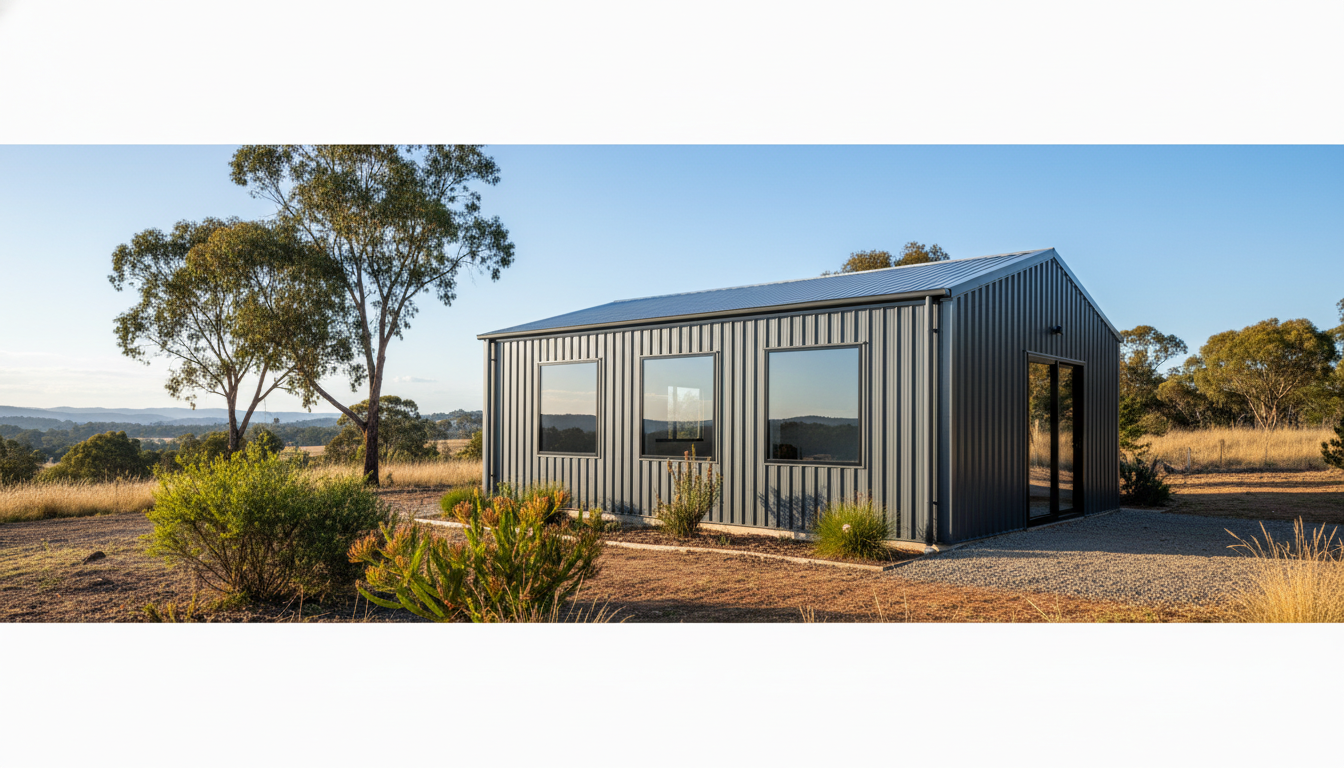
Colorbond shed windows are purpose-built window systems that integrate with Colorbond steel wall sheeting and flashings on custom steel sheds, double garages, and workshop sheds. Quality windows can:
- Improve natural light for workshop productivity
- Enhance ventilation and reduce summer heat load
- Lift security with toughened or laminated glass and mesh
- Boost street appeal for custom Colorbond garages Perth and affordable carports for Australian homes
Whether you’re planning steel sheds Perth, rural sheds NSW for farm machinery storage, or custom carports Melbourne, choosing the right window type and placement is as important as your frame, cladding, and footings.
What Are the Best Shed Materials for Perth’s Climate?
Perth and much of WA face high UV, heat, and coastal corrosion. Many owners weigh up a Colorbond vs Zincalume comparison for cladding and trims around windows.
Colorbond vs Zincalume — Which Is Better for WA Conditions?
| Feature | Colorbond Steel | Zincalume |
|---|---|---|
| Coating & Finish | Painted, baked-on finish; wide colour range to match windows and flashings | Aluminium-zinc alloy coating; silver/metallic look only |
| Heat Reflectivity (light colours) | Excellent with light colours (e.g., Surfmist) to reduce heat gain | Good; bare metallic can be reflective but aesthetics vary |
| Corrosion Resistance (coastal) | Excellent when using appropriate Colorbond grade near marine environments and sealed penetrations | Good, but requires careful detailing and maintenance at cut edges and fixings |
| Aesthetics | Premium look; colour-matched trims around windows | Industrial look; limited colour coordination |
| Cost | Generally higher upfront | Generally lower upfront |
| Best Use in WA | Homes, custom garages, workshops where appearance and durability matter | Farm and utility settings where budget is key |
Conclusion: For Perth metro and coastal WA, Colorbond steel paired with correct window flashings and sealants delivers durable, low-maintenance performance and cohesive design.
Which Shed Window Kit Is Best for Your Build?
“Shed window kit” usually means a pre-framed unit with reveal, integrated fins/flanges for ribbed sheet, external flashings, fly/security screens and fixings. Choose to match your use-case:
Common window types
- Sliding: Simple, reliable, insect-screen friendly; good airflow. Popular in DIY shed kits.
- Awning: Hinged top; can stay open in light rain; excellent for workshop sheds Adelaide.
- Louvre: Best ventilation and fine control; add security mesh in urban sites.
- Fixed: High-level daylighting; pair with ridge vents for passive cooling.
Glazing and compliance
- AS 1288 compliant safety glass: toughened or laminated around doors, impacts and human access zones.
- Double glazing: Useful for habitable studio conversions and noise attenuation (near main roads).
- BAL design: For bushfire areas, select appropriate frames/screens to AS 3959 (see below).
Typical shed window kit sizes
Common modules: 600×600, 600×900, 900×900, 1200×600 mm. Taller awnings suit bench-height workspaces; high-level fixed windows increase light without security risk.
Where Should Shed Windows Go? Orientation, Ventilation and Security
- Orientation: South/east for softer light; west windows in Perth can overheat—use awnings, tint, or smaller openings.
- Cross-ventilation: Opposing walls with awning/louvre pairs create airflow for farm machinery storage and workshops.
- Height: High-level windows reduce glare and keep benches free; add security mesh for suburban builds.
- Skylights/roof vents: Complement windows for heat exhaust in summer.
Compliance: Wind Ratings, Bushfire and the NCC
In Australia, sheds must be engineered to the National Construction Code (NCC 2022) and key Australian Standards.
Wind regions and cyclones
Wind design follows AS/NZS 1170.2. Coastal WA and QLD sites may need higher wind actions; northern QLD requires cyclonic detailing.
- Non-cyclonic Regions: N1–N4 wind classes
- Cyclonic Regions: C1–C4 wind classes (fixings, sheeting laps, windows and doors must be rated)
Added 2024 WA wind-rating compliance notes Ensure your window kit, fixings and flashings are rated to your site’s N or C class. Ask for site-specific certification.
Includes cyclone-rated sheds QLD guidance For cyclone-rated sheds QLD, specify cyclonic windows or protect openings with compliant shutters.
Bushfire (AS 3959)
In bushfire-prone areas, windows, screens, seals and frame materials must suit the site’s BAL level (BAL-12.5 up to BAL-FZ). Many shed window kits are available up to BAL-29; higher BAL may require metal screens and toughened/laminated glazing.
Also consider AS/NZS 4600 (cold-formed steel structures) for frame design and AS 2047 (windows in buildings) where applicable to shed window products.
How to Get Council Approval for Your Custom Shed in WA
Most councils require a building permit for sheds and garages. For council-approved sheds WA, prepare:
- Site plan with setbacks, easements, drainage
- Certified engineering with wind classification and footing details
- Elevation drawings showing windows, doors, and heights
- Specification for cladding (Colorbond), windows and doors, and fixings
Steps
- Confirm zoning and size limits with your local council.
- Order an engineering package aligned to AS/NZS 1170.2 and NCC 2022.
- Nominate window locations early to avoid structural conflicts with mullions or braces.
- Lodge permit application; allow lead time for coastal/cyclone/bushfire assessments.
Tip: If you plan future conversion to a studio, flag this early—window choice, insulation and egress rules change.
DIY vs Professional Install: What’s Best for Shed Window Kits?
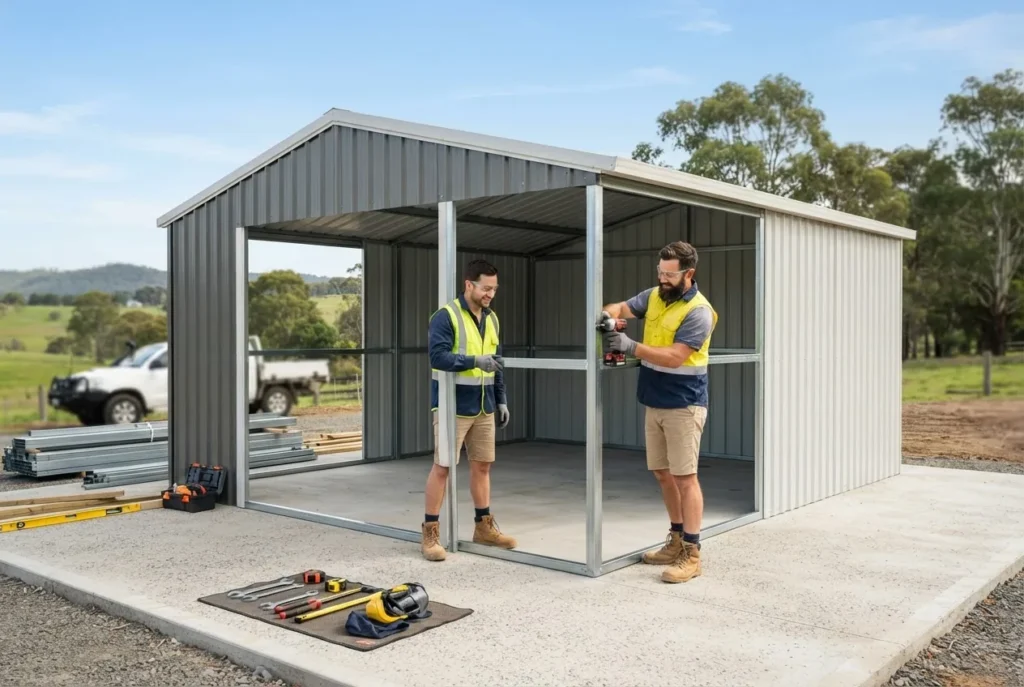
- DIY shed kits: Cost-effective; follow manufacturer cut-out templates for ribbed sheets. Use butyl tapes, foam infills and color-matched rivets for neat finish.
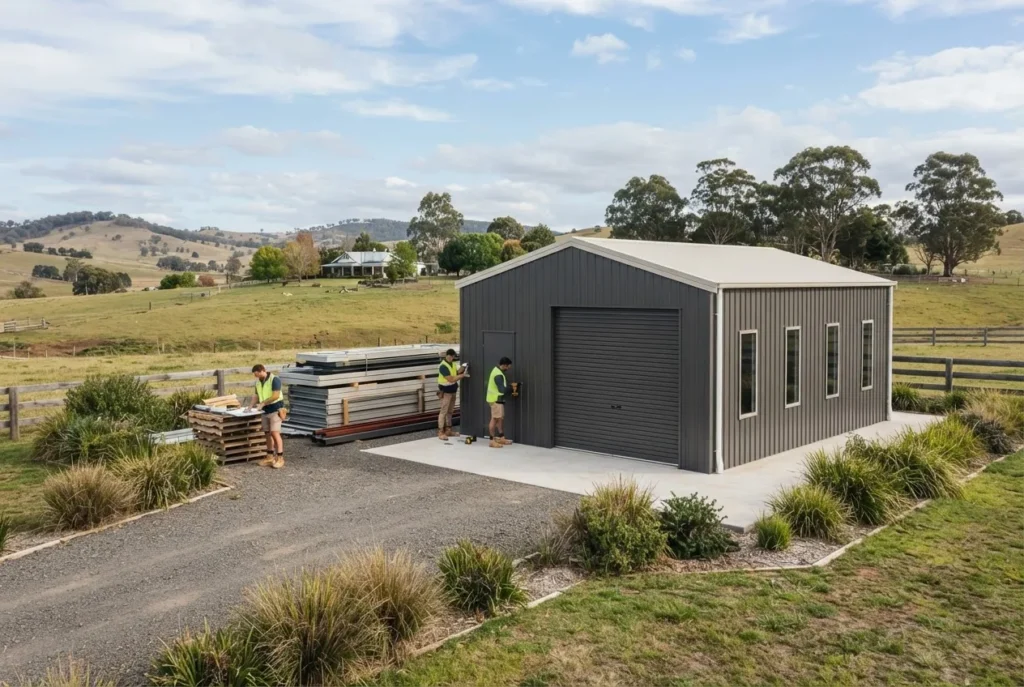
- Custom-built by a shed erector: Faster, neater, and essential for cyclonic or BAL sites. Good for integrated double garage kits and custom Colorbond garages Perth.
Regardless of method, maintain drainage paths, weep holes and correct head flashing laps to avoid water ingress.
Cost and Value: What Should You Budget?
- Basic sliding shed window kit with screen: typically a few hundred dollars per unit; upgrades add cost.
- Extras: security mesh, double glazing, BAL-rated screens, cyclonic fixings, and custom colours.
- Value add: Windows improve usability and resale appeal of garages and affordable carports for Australian homes.
For tight budgets, combine one operable window with skylights and whirlybirds to balance light, airflow and cost.
Maintenance for Longevity
- Rinse coastal salt monthly; clean frames and flashings.
- Inspect sealants and foam infills annually; replace per manufacturer guidance.
- Lubricate window tracks and check screens/locks.
- Keep adjacent garden beds and sprinklers off Colorbond to reduce corrosion risk.
Real-world Builds: Three Quick Examples
Perth Double Garage + Workshop
Custom-built double garage in Perth with Surfmist Colorbond, three awning windows on the south wall, louvre high-lites east. Result: cooler workspace, reduced artificial lighting, clean coastal detailing.
Rural Sheds NSW (Farm Machinery Storage)
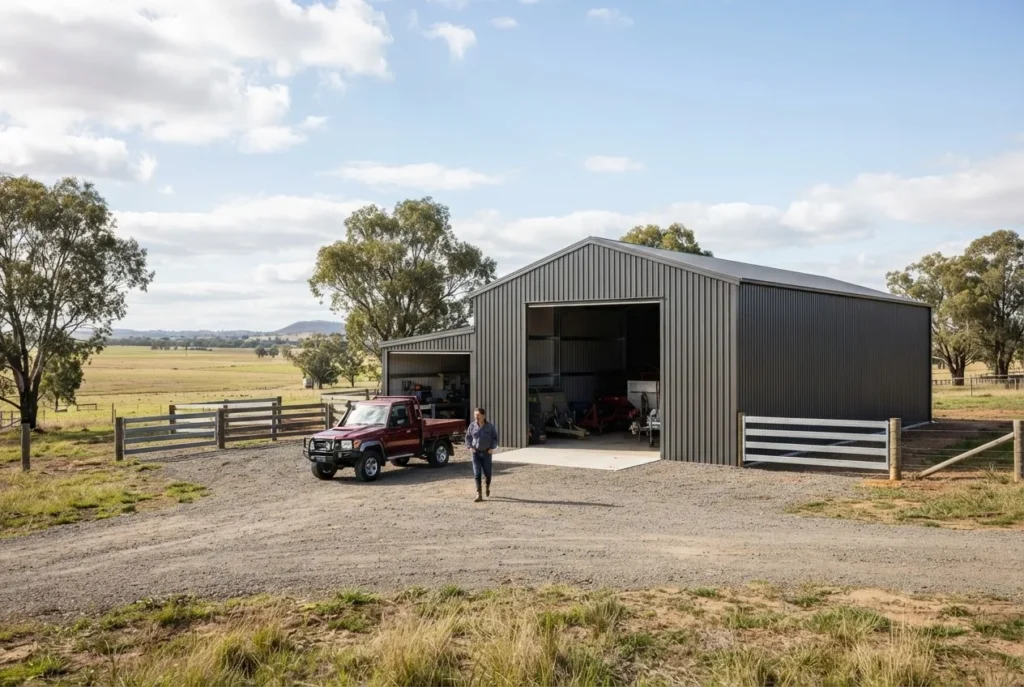
Large rural shed with Zincalume walls and Colorbond trims. High-level fixed windows on leeward side reduce dust ingress; sliding windows in workshop bay for cross-breeze.
Cyclone-rated Sheds QLD
Enclosed bay specified to Region C with cyclonic-rated openings; awning windows with heavy-duty fixings and metal screens meet design pressures and debris considerations.
5-Step Buying Guide for Custom Sheds in Australia
- Define the use: storage, workshop, studio, or farm machinery storage.
- Assess site risks: wind region (N/C class), bushfire (BAL), corrosion (coastal distance).
- Select materials: Colorbond grade/colour, window type (sliding/awning/louvre), glazing (AS 1288 safety, BAL).
- Engineer + permit: NCC 2022, AS/NZS 1170.2, AS 3959 as needed; get council-approved sheds WA or your local equivalent.
- Build + maintain: Correct flashings, seals, and annual wash-downs for warranty compliance.
FAQs: Colorbond Shed Windows
Do I need special windows for cyclonic areas?
Yes. In Region C/D, specify windows and fixings with tested design pressures and debris considerations, or use protective shutters.
Can I retro-fit windows into an existing Colorbond shed?
Yes. Use a shed window kit with templates, add perimeter framing for support, and re-flash to AS/NZS 3500 drainage principles. Seek engineering if cutting main wall bracing.
Are louvre windows secure enough?
With security mesh and quality hardware they can be. For high-risk urban sites, consider awning windows with laminated glass plus keyed locks.
What about condensation?
Use sarking or insulation, cross-ventilation, and vented ridges. Avoid blocking designed weep paths around windows.
Planning Beyond Windows: Roof Shapes and Add-ons
- Gable roof sheds: Classic look, good airflow—pair with gable vents.
- Flat roof carports: Clean, modern for driveways; consider downpipe placement near windows.
- Addons: skylights, whirlybirds, insulation, and vermin-proofing seals to round out comfort and durability.
Key References and Industry Guidance
- Housing Industry Association (HIA) — permits and building practice
- Master Builders Australia — construction standards and advice
- Australian Steel Institute — steel design resources
- Bureau of Meteorology — local climate and wind region context
- Energy.gov.au — insulation and heat management basics
Also consult the “2025 Australian Steel Market Outlook” and the “2025 HIA Outdoor Structures and Home Improvement Report” for current trends and demand signals in sheds, garages and carports.