

Finding the perfect Caravan Shelter Kit in Australia means balancing cost, compliance, and protection against harsh weather. Whether you’re comparing prices, selecting the right shade sheds, navigating council approvals, or understanding wind ratings specific to Australian conditions, this comprehensive guide breaks down everything caravan owners need to know to make an informed and confident choice.
Understanding Caravan Shelter Kits in Australia
What Are Caravan Shelter Kits? Definition and Core Components
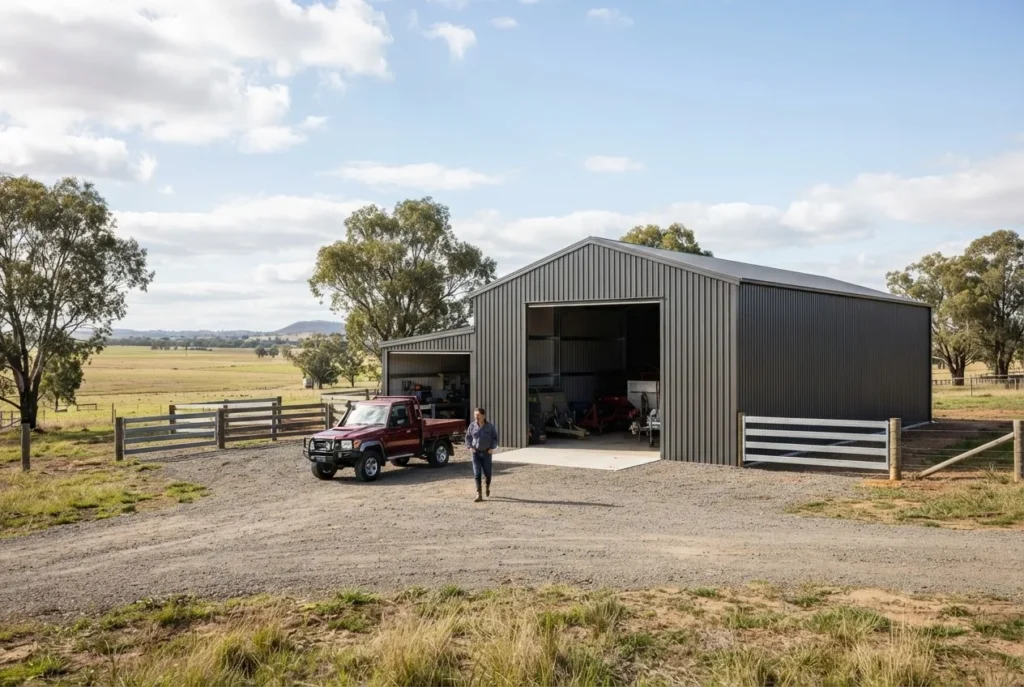
Caravan Shelter Kits are pre-designed, modular structures tailored to provide effective protection and storage for caravans. They typically include steel frames, roofing panels, and optional shade components designed for ease of assembly on-site. Designed specifically for caravan owners, these kits offer robust protection against sun, rain, and wind, combining practicality with compliance to Australian building standards.
Core components often include:
- Structural frame, typically made from galvanized or Colorbond steel
- Roofing and shade sheds crafted from materials like Colorbond steel, aluminium, or high-grade fabric
- Anchoring systems suited to local soil and climate
- Optional side panels or gates for enhanced security
For extra storage needs adjacent to caravan shelters, garden sheds and premium outdoor storage solutions offer complementary options to caravan shelter kits, extending secure space for accessories and equipment.
Popular Australian Brands and Models Overview
Leading Australian suppliers such as Stratco, Ausco, Steel Line, and Alfesco offer a range of caravan shelter kits tailored to various budgets and site requirements. Many models cater specifically to local climate needs, featuring cyclone ratings for northern regions or lightweight frames for milder southern climates.
Brands focus on:
- Ease of installation and modularity
- Material durability, including corrosion-resistant coatings
- Compliance with local government regulations
Benefits of Using Caravan Shelter Kits for Storage and Protection
- UV and Sun Protection: Prevents caravan fabric and paint damage caused by sun exposure.
- Weather Shielding: Offers defense against rain, hail, and wind, extending caravan lifespan.
- Cost-Effective: Modular kits reduce labor and material costs compared to custom builds.
- Rapid Installation: Ready-made components shorten build time compared to bespoke shelters.
- Compliance Ready: Designed to meet Australian standards, simplifying council approval.
Next, let’s explore how pricing breaks down across these options and what to expect financially in the Australian market.
Pricing Breakdown of Caravan Shelter Kits in Australia
Cost Components: Materials, Labor, and Installation
The overall price of caravan shelter kits in Australia depends primarily on three key components:
- Materials: High-grade Colorbond steel, aluminium framing, and roofing panels are standard but vary by supplier and regional availability.
- Labor: Installation may be DIY or professionally contracted. Labor rates in metropolitan areas like Sydney or Melbourne typically range from $70 to $120 per hour.
- Installation: Complexity of site preparation, soil type, and additional site works such as concreting or footings impact costs.
Additional costs such as transportation, permits, and inspections should also be budgeted for to avoid unexpected expenses.
Price Variations by Kit Type and Size
Caravan shelter kits generally fall within the following price ranges based on size and design:
- Basic Single-Caravan Kits (approx. 6m x 3m): $3,500 – $6,000
- Medium Size Kits with Shade Sheds and Side Panels: $6,000 – $10,000
- Large or Custom Kits with Cyclone Ratings and Extra Features: $10,000 – $18,000+
Prices increase with more durable materials, larger footprint, and compliance to higher wind ratings such as cyclone-resistant designs for northern Australia.
Additional Expenses: Permits, Maintenance, and Upgrades
- Permits and Council Approvals: Expect fees from $200 to $800 depending on local council scope and complexity.
- Maintenance: Routine upkeep including cleaning, repainting Colorbond surfaces, and replacing worn fabric parts.
- Upgrades: Adding side panels, lighting, or security features post-installation incur incremental costs.
Price Comparison Table for Leading Australian Suppliers
| Supplier | Basic Kit Price Range (AUD) | Medium Kit Price Range (AUD) | Large/Cyclone Rated Kit Price Range (AUD) | Warranty |
|---|---|---|---|---|
| Stratco | $3,500 – $5,500 | $6,000 – $9,000 | $10,000 – $15,000 | 10 years on steel frame |
| Ausco | $4,000 – $6,000 | $6,500 – $10,000 | $11,000 – $18,000 | 7 years structural guarantee |
| Steel Line | $3,800 – $6,200 | $7,000 – $9,500 | $12,000 – $17,500 | Manufacturer-backed 10 years |
| Alfesco | $3,300 – $6,000 | $6,200 – $9,000 | $10,500 – $16,000 | 8 years warranty |
For caravan owners considering larger or multi-vehicle storage, reviewing available 3‑bay shed designs and associated costs can offer valuable insights.
Reviewing comparable structure pricing, such as double garage sizes and costs in Australia, can help benchmark the costs associated with caravan shelter kits.
Single car carport standards and their wind rating regulations closely inform sized caravan shelter kit selections and compliance requirements. See standard single car carport dimensions and wind ratings for closely related guidance.
Now we’ll look at the types and materials of shade sheds best suited for caravan protection across various Australian climates.
Shade Sheds for Caravan Shelters: Types and Materials
Common Shade Shed Designs for Caravan Protection
Shade sheds designed for caravan shelters fall into several categories:
- Open Frame Sheds: Basic steel framework with single or pitched roofs offering sun and rain protection but minimal side protection.
- Partial Enclosure Sheds: Include partial walls or side panels for improved wind and weather resistance.
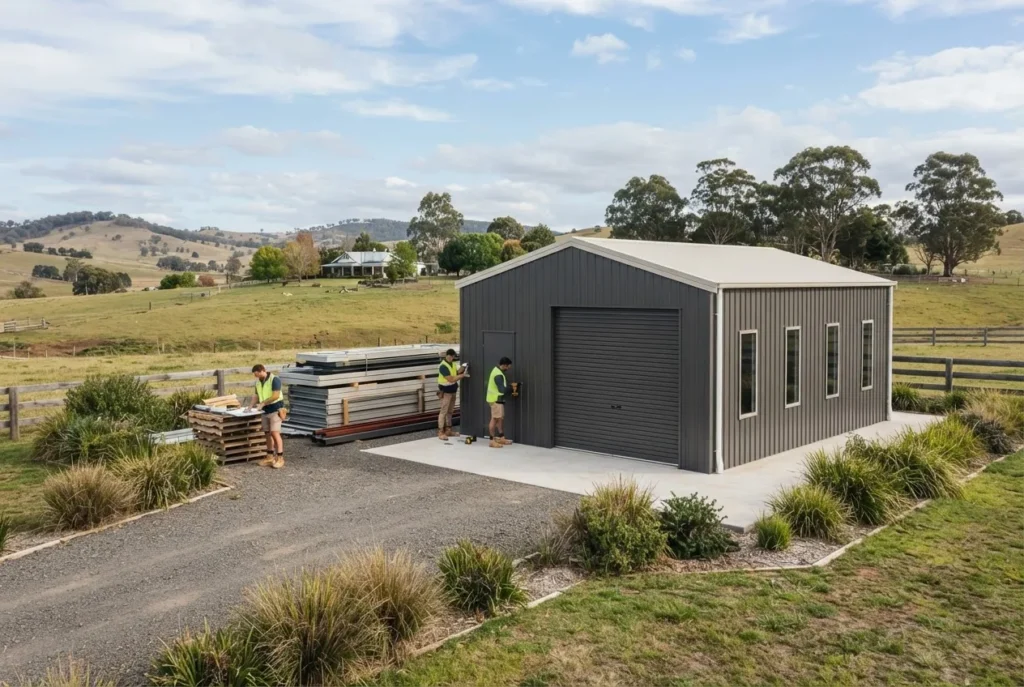
- Fully Enclosed Shade Sheds: Offer maximum protection with full walls, roller doors, and integrated security.
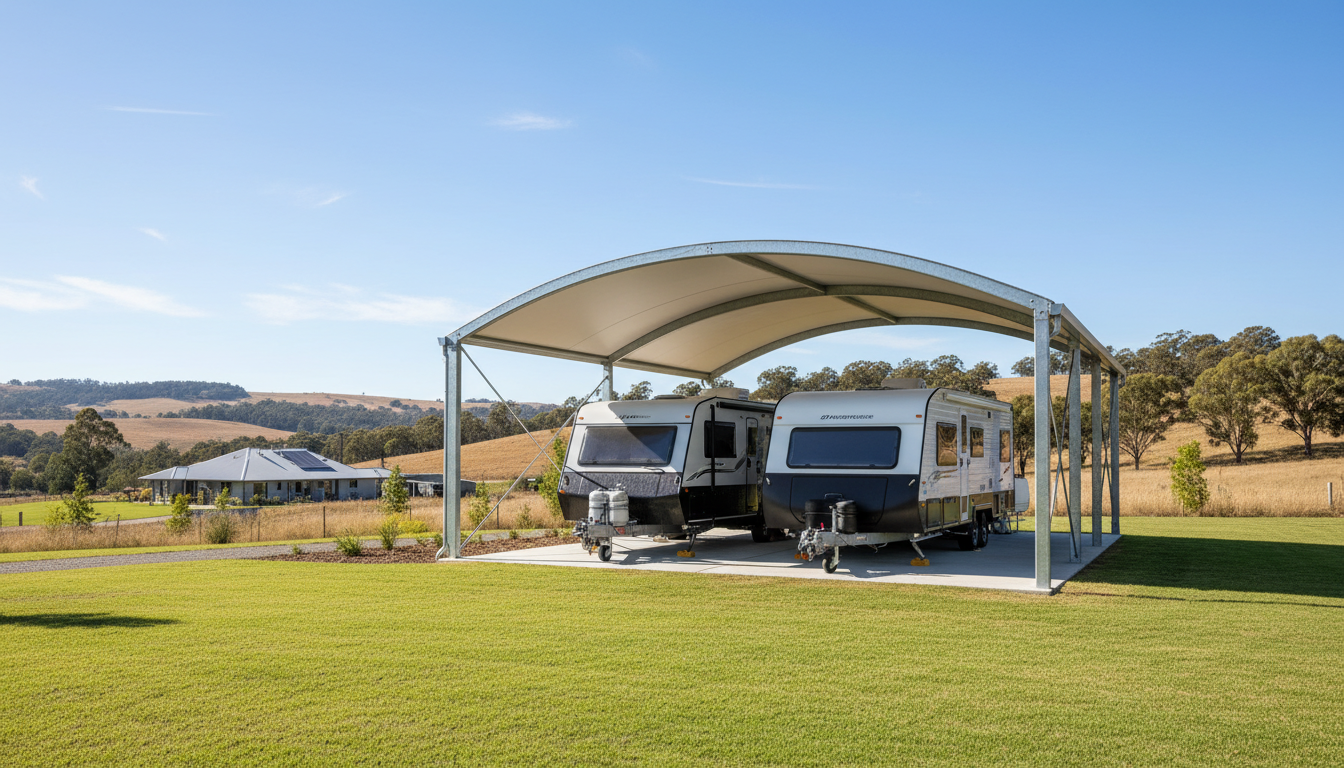
- Fabric Shade Options: Using shade cloths or tensile fabric membranes, these are lightweight and often temporary or semi-permanent.
Materials Used: Colorbond Steel, Aluminum, and Fabric Options
Material choice plays a significant role in durability and weather protection:
| Material | Key Features | Suitability | Maintenance |
|---|---|---|---|
| Colorbond Steel | Corrosion-resistant, long-lasting, available in multiple colours | Ideal for all climates, especially coastal and cyclone zones | Low maintenance, occasional cleaning, minor repainting possible |
| Aluminum | Lightweight, rust-proof, flexible design | Suitable for mild climate zones with less wind stress | Low maintenance, can dent more easily |
| Shade Fabric | UV-resistant, lightweight, temporary or semi-permanent | Best for sun protection in low-wind areas | Requires regular inspection and replacement every 5–7 years |
Material choices such as custom Colorbond garages and sheds are popular for both garages and caravan shelters due to their durability and aesthetic appeal.
Steel carports share many material and regulatory factors with caravan shelter kits, particularly in using Colorbond steel sheds and complying with wind rating codes. For more detailed guidance, consult the steel carport buyer’s guide featuring Colorbond and wind ratings.
Durability and Weather Resistance of Different Shades
Colorbond steel is renowned for its resistance against corrosion, especially in coastal and high-rainfall areas. Aluminum offers a lightweight alternative but lacks some impact resistance. Fabric shades provide excellent UV protection but are less effective against storms or strong winds.
Choosing the Right Shade Shed Based on Regional Climate
Regional climate significantly impacts material suitability:
- Coastal Areas: Prioritize corrosion-resistant Colorbond steel due to salt-laden air.
- Cyclone-Prone Zones (Northern QLD/WA): Seek cyclone-rated Colorbond steel kits with reinforced anchoring systems.
- Temperate Regions: Aluminum or hybrid kits can be suitable for moderate weather conditions.
- Arid and Inland Areas: Fabric shades are viable but expect replacement cycles due to high UV exposure.
Navigating Council Approvals for Caravan Shelter Installation
Overview of Local Government Regulations by State (NSW, VIC, QLD, WA, SA)
Each Australian state has unique planning regulations affecting caravan shelters, often classified under sheds or carports but with specific provisions for their size and location:
| State | Typical Approval Category | Permit Required | Key Regulation Notes |
|---|---|---|---|
| New South Wales (NSW) | Outbuildings / Sheds | Yes, Development Application (DA) or Complying Development Certificate (CDC) | Height restrictions commonly 3.6m; zoning codes vary by council |
| Victoria (VIC) | Sheds and Carports | Permit required for >10m²; exemptions apply for smaller kits | Council setback and heritage overlays can influence approvals |
| Queensland (QLD) | Structures attached to dwelling or outbuildings | Building approval often mandatory | Cyclone-prone areas require cyclone certification and engineering plans |
| Western Australia (WA) | Class 10a Buildings | Building permit and often planning approval | Local council guidelines vary widely; coastal towns have stricter rules |
| South Australia (SA) | Outbuildings | Building rules and planning consent needed; exemption limits exist | Design and height restrictions enforced; heritage zones apply |
A detailed breakdown can be found by exploring caravan carport designs and council approvals which highlight design flexibility and approval processes.
Refer to the comprehensive carport shed council approval guide for a broader overview of approvals relevant to caravan shelters classified as carport sheds.
Step-by-Step Process to Obtain Council Approval
- Check Zoning and Local Planning Schemes: Consult your local council’s website or planning portal for specific rules.
- Prepare Submission Documents: Include site plans, design drawings, and structural certifications.
- Submit Development Application (DA) or Complying Development Certificate (CDC): Depending on your state and the size of the shelter.
- Wait for Assessment: This process can take 2–8 weeks; minor works often faster.
- Receive Approval or Required Modifications: Address any council feedback promptly.
- Obtain Building Permit: Often required after planning approval for construction to proceed legally.
Documentation and Permits Required for Caravan Shelters
- Site plan with accurate measurements and setbacks
- Structural engineering certification verifying compliance with wind ratings and load standards (AS/NZS 1170)
- Materials specification sheets (e.g., Colorbond steel certifications)
- Proof of ownership or lease agreement
Examples of Local Town Planning Schemes Impacting Approval
Some councils have overlays for coastal immersion, bushfire risk, or heritage conservation that can restrict caravan shelter size or material choice. For example, Brisbane City Council enforces strict height and colour restrictions in designated residential zones to maintain streetscape harmony.
Understanding Wind Ratings and Compliance for Caravan Shelters
Wind Zones Across Australia and Their Impact on Shelter Selection
Australia is divided into several wind zones by the Bureau of Meteorology, influencing shelter design:
- Wind Zone A: Mild wind regions (inland and southeast coastal parts)
- Wind Zone B: Moderate wind zones including most urban coastal areas
- Wind Zone C: High wind pressure zones, common in exposed coastal locations
- Wind Zone D: Cyclone-prone zones in northern Queensland, Northern Territory, and north WA
Selecting a caravan shelter kit with a suitable wind rating for your zone is critical for safety and compliance.
Cyclone and High-Wind Area Ratings: Specific Criteria for Shelters
In cyclone-prone areas, caravan shelters must meet stringent design requirements, including:
- Reinforced steel framing with additional bracing
- Heavy-duty anchoring systems to withstand uplift
- Use of Colorbond or similar steel material with tested wind load resistance
Certified cyclone-rated caravan shelter kits are usually marked with a “Cyclone Rating” that conforms to the Australian standard AS/NZS 1170.2.
How to Interpret Wind Rating Labels on Caravan Shelter Kits
Wind ratings are typically displayed as a numeric code (e.g., N2, C3) corresponding to a specific peak gust speed measured in metres per second or kilometres per hour. A label might indicate:
- Wind Zone: The designated Australian wind zone (A, B, C, or D).
- Pressure rating: Expressed in kPa (kilopascals), representing structural load capacity.
- Cyclone Resistance: Certification stamp or class for cyclone-prone areas.
Manufacturers provide documentation explaining how their kits meet or exceed these ratings — always request and verify this before purchase. Similar considerations apply when selecting cyclone-rated carports and wind ratings.
With compliance clarified, the next step focuses on the installation process and practical tips to ensure your shelter is secure and long-lasting.
Installation Process and Practical Tips for Caravan Shelter Kits
Pre-Installation Site Preparation and Permits
Proper preparation is crucial to avoid delays and additional costs:
- Clear and level the installation site, removing debris and vegetation.
- Arrange site soil testing if required to determine footing depth and type.
- Secure all necessary permits and council approvals before commencing work.
- Confirm utility locations to avoid accidental damage during excavation or concreting.
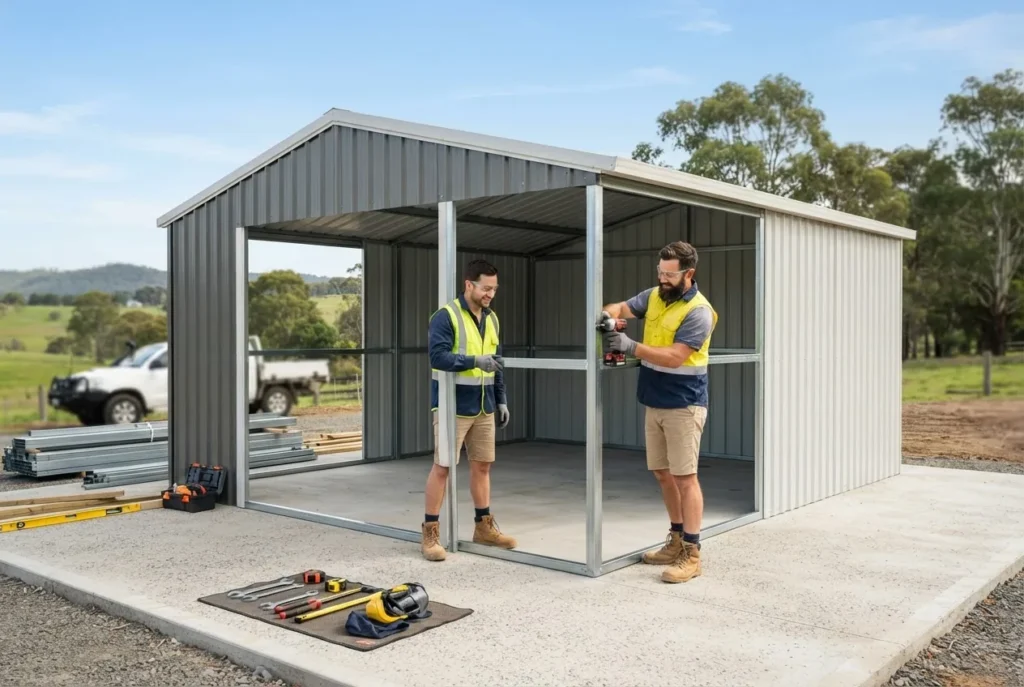
Step-by-Step Installation Guide
- Foundation: Lay concrete slabs or footings as required by instructions and engineering specs.
- Frame Assembly: Assemble and secure the steel frame components according to manufacturer guidelines.
- Roofing Installation: Attach Colorbond sheets or shade materials, ensuring proper overlaps and fastening.
- Side Panel Installation: If included, fit panels or gates for enclosure components.
- Anchoring: Secure the shelter to the ground with anchors or bolts designed to resist wind loads.
- Final Inspection: Conduct a thorough check for loose fittings or potential weak points.
DIY vs Professional Installation: Pros and Cons
- DIY: Can reduce labor costs but requires strong technical know-how and tools; errors risk voiding warranties or council non-compliance.
- Professional: Higher upfront fee but ensures compliance, optimal assembly and often faster turnaround; many suppliers offer installation services.
Maintenance and Longevity Tips Post-Installation
- Regularly inspect roofing and framing for damage, rust, or loose fasteners.
- Clean Colorbond surfaces yearly to prevent salt and debris buildup.
- Repaint or touch up any scratched or chipped paint to avoid corrosion.
- Ensure drainage around shelter base is adequate to prevent foundation saturation.
- Store caravan away from heavy foliage to minimize leaf litter and potential damage.
Post-installation maintenance and repair services, such as those available in Wangara WA, help prolong the lifespan of caravan shelters amid diverse weather conditions.
Portable and temporary carport options provide flexible alternatives to fixed caravan shelters, requiring similar permits and material choices. See temporary portable carport permits and Colorbond options for further insights.
Next, we’ll overview the supplier and manufacturer options tailored for the Australian market.
Supplier and Manufacturer Options for Caravan Shelter Kits in Australia
Overview of Leading Australian Suppliers and Their Offerings
Australia’s caravan shelter kit market features several top suppliers:
- Stratco: Large network supports competitive pricing and extensive product range.
- Ausco: Specialises in custom designs with strong local manufacturing.
- Steel Line: Offers innovative steel shelter kits with cyclone ratings.
- Alfesco: Known for outdoor aluminum structures and hybrid shade solutions.
Custom vs Ready-Made Kits: Which Suits What Needs?
Ready-made kits provide cost-effective and fast procurement but may lack flexibility for unique sites or regional compliance needs. Custom kits are engineered to suit exact dimensions, aesthetic and compliance criteria but incur higher costs and longer delivery.
Warranty and After-Sales Support Considerations
- Supplier warranties typically cover steel framing for 7–10 years and roofing materials for 5–8 years.
- Good after-sales service includes replacement parts availability, installation support, and maintenance advice.
Customer Reviews and Case Studies
Customer feedback commonly praises fast installation, durable materials, and responsive support from Stratco and Steel Line. Some report council approval assistance provided by Ausco as a valuable service.
For those sourcing caravan shelter kits in Western Australia, understanding local suppliers and accessory parts can streamline purchase and installation. See caravan parts and Western Australia shed suppliers for regional-specific options.
With suppliers selected, regional climate and town planning considerations become the final piece of the puzzle before installation.
Regional Considerations: Climate and Town Planning Impact on Caravan Shelters
Climate Zones and Their Influence on Shelter Material Choice
Australia’s vast climatic diversity requires tailored material and design decisions:
- Tropical and Subtropical Zones: Demand cyclone-rated shelters with corrosion-resistant Colorbond steel.
- Temperate Southern Zones: Can use lighter shed designs but must assess average wind speeds.
- Arid Inland Regions: Sun protection is critical; fabric shades are often complemented by steel roofs for dust mitigation.
Town Planning Restrictions and Height Limitations
Local governments may impose maximum height restrictions often between 3.6m and 4.2m for outbuildings including caravan shelters. Heritage overlays may impose colour and material choices designed to preserve visual character.
Special Rules in Cyclone-Prone Regions
These areas require full compliance with AS/NZS 1170 standards, specifically certified anchoring systems and reinforced wall bracing. Shelters must withstand sustained wind speeds up to 250km/h in some regions.
Adaptations for Coastal and Inland Areas
Coastal areas demand marine-grade materials with enhanced corrosion protection. Inland regions focus on dust sealing and shading due to harsher sun.
Climate and planning impacts are further enriched with climatological data available via the Bureau of Meteorology and local council planning portals.
FAQs: Addressing Common Questions and Concerns
- How Long Does Council Approval Take for Caravan Shelters?
Typically 2–8 weeks depending on state and council workload. Simple kits under limited thresholds may be approved faster under Complying Development Certificates. - Can Caravan Shelters Be Upgraded or Expanded Later?
Yes, but any modifications usually require fresh council approval, especially if size or location changes affect planning scheme compliance. - What Are the Typical Lifespan and Maintenance Costs?
With proper upkeep, shelters can last 15–25 years. Annual maintenance costs are commonly $100–$300, mainly for cleaning and minor repairs. - Are There Eco-Friendly or Sustainable Options Available?
Some suppliers offer recycled steel framing and solar-reflective Colorbond finishes reducing environmental impact and energy costs. - How Do Caravan Shelter Kits Compare with Custom-Built Alternatives?
Kits offer faster installation and cost savings, while custom builds provide more architectural flexibility but at a premium price and longer lead times.
Understanding these key factors ensures confident decision-making for caravan shelter investment and compliance.
Caravan owners across Australia can now navigate the market with clarity on Caravan Shelter Kits Australia: Prices, Shade Sheds, Council Approvals & Wind Ratings. By balancing cost transparency, regional regulations, and technical standards, you can secure durable, compliant caravan protection tailored to your location.
Ready to protect your caravan? Explore your preferred suppliers today, check local council requirements, and choose a shelter kit built to last through Australia’s toughest conditions.
Frequently Asked Questions
What factors affect the delivery time of caravan shelter kits in Australia?
Delivery time depends on the supplier’s stock availability, customisation level, regional courier services, and the remote location of the installation site. Ready-made kits usually ship faster, while custom or cyclone-rated kits can take several weeks due to manufacturing and certification processes.
How do caravan shelter kits compare with portable caravan covers?
Caravan shelter kits offer permanent, weather-resistant protection with structural strength and council compliance, while portable covers are lightweight, temporary, and less durable. Kits provide better security and wind resistance, but covers are more affordable and easier to relocate.
Which types of caravan shelter foundations are most common in Australia?
Concrete slab and reinforced footings are the most common foundations, providing stable support and compliance with wind rating requirements. Some kits allow ground anchors or bolt-down systems suitable for harder soils or sites where concrete isn’t feasible.
Can caravan shelter kits be adapted for dual use as carports or storage sheds?
Yes, many caravan shelter kits are modular and can be customised with additional side panels or doors to serve as carports or secure storage sheds, offering multifunctional use while maintaining compliance with local building standards.
What is the difference between cyclone-rated and standard caravan shelter kits?
Cyclone-rated kits feature reinforced steel frames, heavy-duty anchors, and tested wind resistance designed to withstand severe cyclonic winds, whereas standard kits suit milder wind regions without these enhanced structural requirements.
Why is Colorbond steel preferred for caravan shelter roofing in coastal areas?
Colorbond steel offers superior corrosion resistance against salt-laden coastal air, ensuring long-lasting durability and minimal maintenance compared to other metals that may rust or degrade faster in maritime environments.
Is professional installation necessary for all caravan shelter kits?
While some kits support DIY installation, professional installation is recommended for complex or cyclone-rated kits to ensure structural integrity, compliance with building codes, and to maintain warranty coverage.
What documentation should be kept after installing a caravan shelter kit?
Maintain copies of council approval permits, structural certifications, purchase invoices, warranty documents, and installation manuals for future reference and any maintenance, repair, or compliance checks.