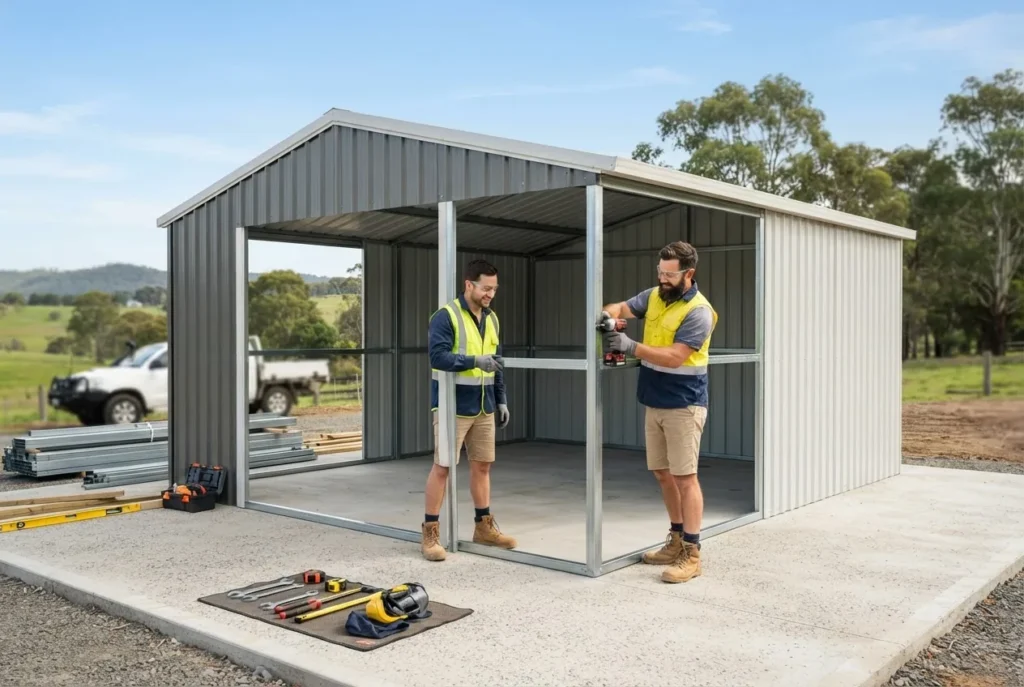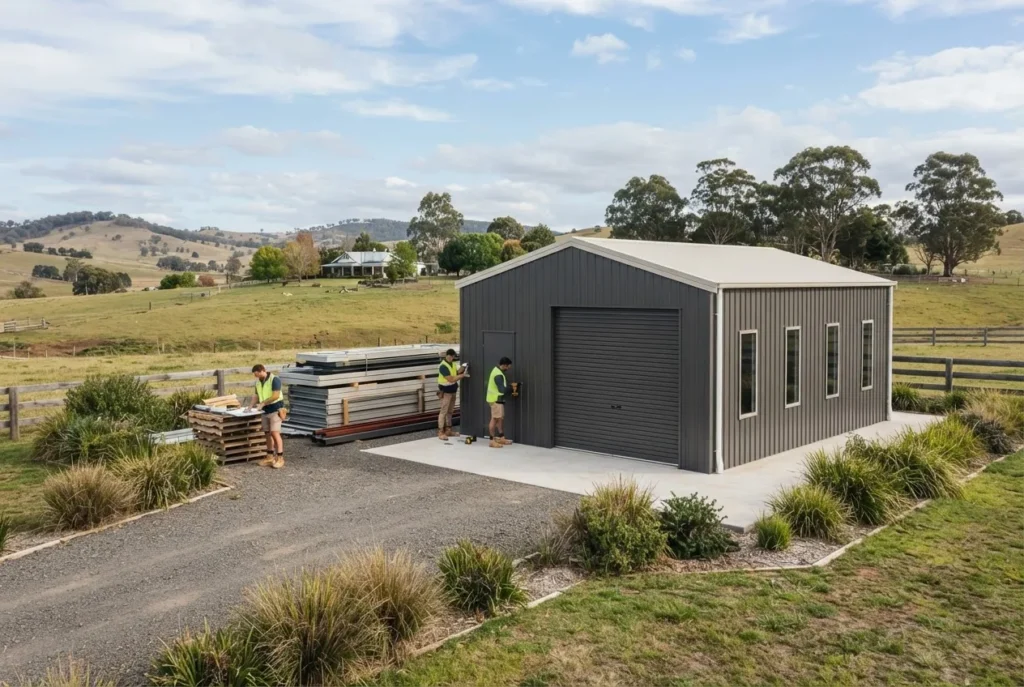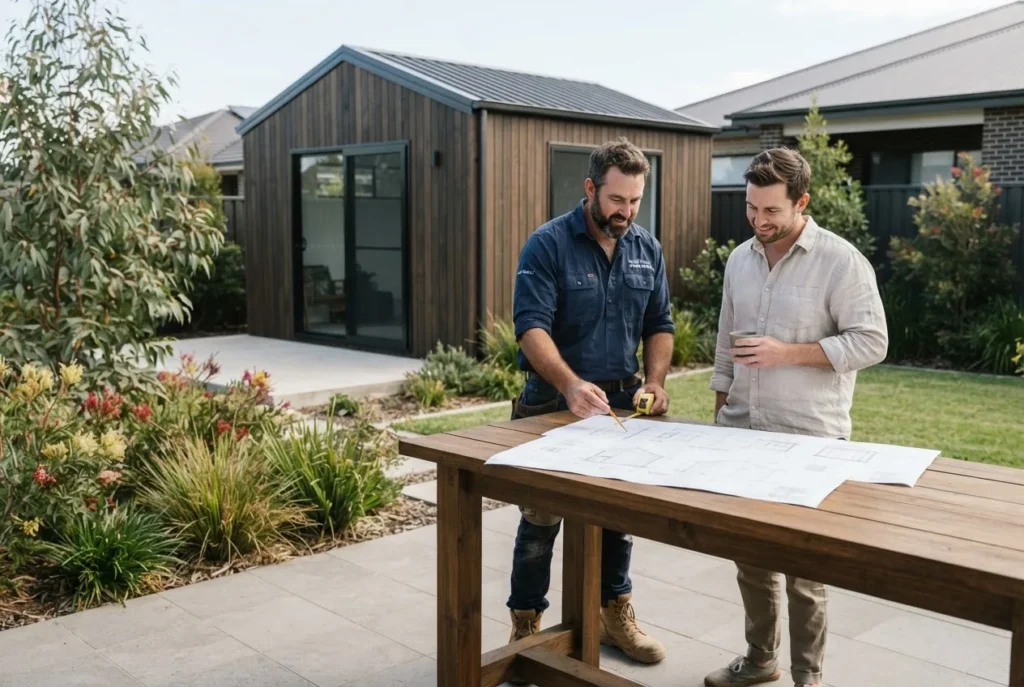


Choosing the right garden shelves for Australian sheds can be a game-changer for organising your outdoor storage efficiently and safely. This comprehensive buying guide reveals the best materials for garden racks, explains load ratings, and decodes essential council compliance tips – all tailored to handle Australia’s unique climate challenges.
Whether you’re upgrading existing garden shelf outdoor solutions or outfitting a new shed, understanding these key factors ensures longevity, durability, and peace of mind with outdoor shelves for the garden.
Introduction to Garden Shelves for Australian Sheds
Purpose and Benefits of Garden Shelves in Outdoor Sheds
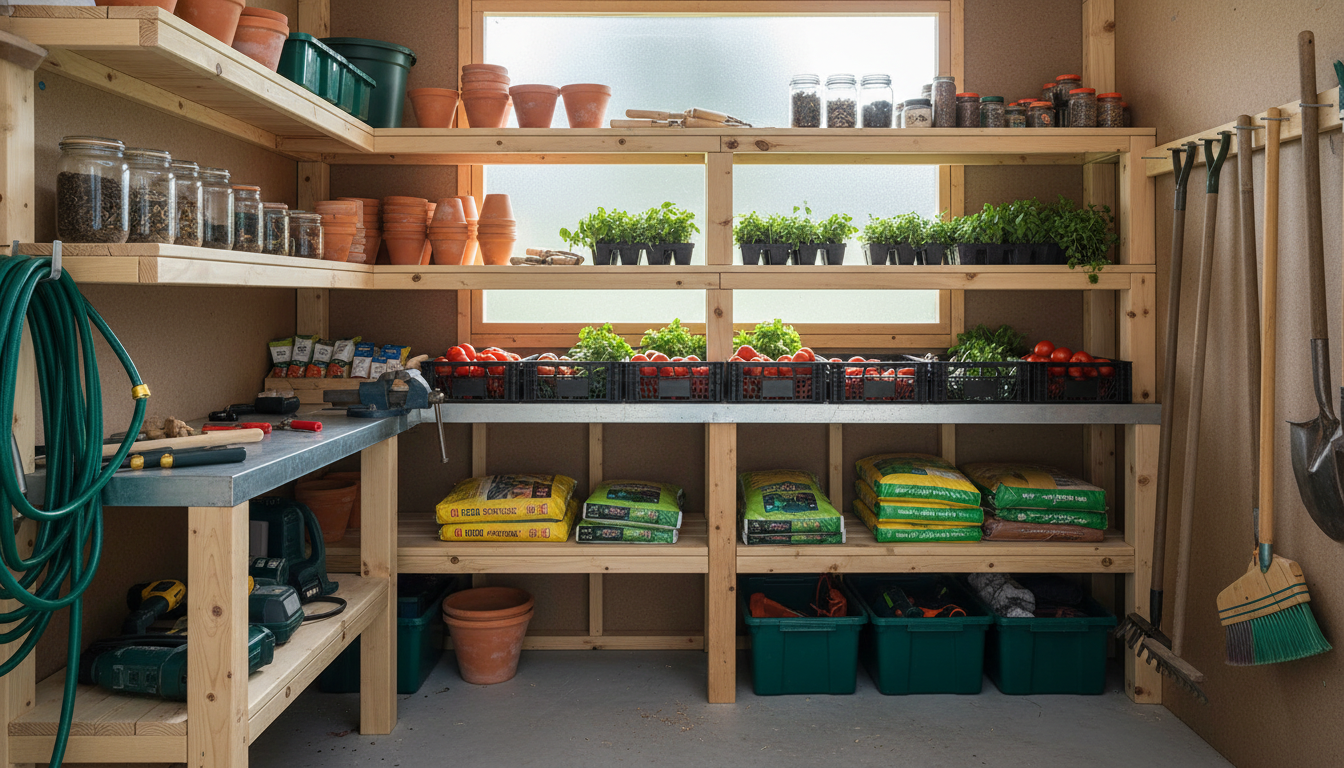
Installing shelves in your garden shed optimises storage by freeing up floor space, organising tools, pots, and chemicals safely, and improving accessibility. Well-planned shelving maximises shed usability by creating designated zones for different gardening needs – from seedling trays to heavy machinery storage.
- Prevents clutter and enhances shed organisation solutions
- Protects tools and supplies from environmental damage
- Facilitates safer storage of hazardous materials
- Increases shed storage capacity without expanding footprint
Overview of Unique Australian Environmental Challenges for Garden Shelves
The Australian climate presents distinctive challenges for garden shelves installed inside outdoor sheds. High UV exposure, intense heat in many regions, fluctuating humidity, and coastal salt-laden air accelerate material wear and corrosion.
Additionally, Australian pests like termites and wood borers threaten untreated timber shelves, while moisture and condensation in sheds can induce warping or rust if unsuitable materials are chosen. Selecting the ideal shelf materials means balancing these factors against expected load capacities and maintenance efforts.
What This Guide Covers and Who It’s For
This guide is designed for Australian homeowners and shed owners aiming to choose the best garden shelves engineered to last outdoors. It details:
- Material options with pros, cons, and durability insights
- Load rating standards and how these affect shelf safety and lifespan
- Essential Australian council regulations to ensure compliant installations
- Best practices for installation hardware and maintenance for peak performance
- Buying tips to match your shed environment and gardening demands
By following this buying guide, you will avoid common pitfalls, secure a strong return on investment, and keep your garden shed running smoothly year-round. For a broad overview of shed constructions and how your garden shelves integrate, consult the comprehensive Garden Shed Buyer’s Guide Australia 2025.
Materials for Garden Shelves in Australian Outdoor Sheds
Colorbond Steel – Durability, Corrosion Resistance, and Suitability
Colorbond steel is a premium choice for garden shelves used in Australian sheds, renowned for its resilience under native climate extremes. Its zincalume base combined with protective paint layers offers exceptional resistance to corrosion, UV degradation, and impact.
Commonly employed in both shed cladding and shelf framing, Colorbond can endure coastal salt air and inland heat alike without significant rusting. Its smooth finish also resists dirt buildup, making maintenance easier.
Note: Choose thicker steel grades (e.g., 0.42mm minimum) to achieve superior load capacity and durability. Choosing the right material for your garden shelves often relates to the shed’s own cladding options, such as Colorbond vs Zincalume steel frequently used in Australian barn sheds—see our Barn sheds Australia: Colorbond vs Zincalume materials for detailed comparisons.
Timber Options: Hardwood vs Treated Pine for Outdoor Shelving
| Timber Type | Durability | Maintenance | Pest Resistance | Cost |
|---|---|---|---|---|
| Hardwood (e.g., Spotted Gum, Jarrah) | High | Moderate – periodic sealing recommended | Natural resistance but treat for maximum | High |
| Treated Pine (CCA or ACQ treated) | Moderate | Annual inspections and re-treatment advised | Good pest resistance when treated | Low to Moderate |
Hardwoods offer robust load-bearing and natural durability, suitable for heavier-duty garden racks but come at a premium. Treated pine, widely available in Australia, is cost-effective and widely accepted for outdoor shelves if correctly maintained against moisture and pests.
Plastic and Composite Materials: Weather Resistance and Maintenance
Modern plastic and composite boards are effective low-maintenance options, especially where moisture and UV exposure are high. Materials like recycled high-density polyethylene (HDPE) resist rot, warping, and termite damage completely.
They require virtually no sealing or painting but typically have lower load ratings than steel or hardwood and may expand or contract slightly with temperature changes.
Sustainable and Eco-Friendly Material Choices in Australian Market
Australian consumers increasingly prefer sustainable options such as FSC-certified timber and recycled composites. Products adhering to environmental management standards reduce ecological impact and often provide compliance incentives from councils focused on sustainability.
Some ironbark hardwood shelving sourced from certified plantations combines high durability with eco-conscious procurement practices, balancing performance and responsibility well.
Corrosion and Pest Resistance Considerations for Australian Conditions
Choosing materials that withstand corrosion and pest attacks is critical for long-lasting garden shelves:
- Colorbond steel with proper gauge and coating thickness surpasses many metals in rust resistance.
- Treated pine must be regularly checked and retreated to prevent termite infestations.
- Hardwoods need quality sealing, especially in high-moisture zones.
- Plastic/composites are impervious to pests and resist weathering but may be sensitive to heavy mechanical loads.
Refer to this Outdoor Shelves for Australian Sheds Buyer’s Guide for further insights into material selections.
Similarly, for steel shelving suitable for metal sheds, consult our Metal Garden Storage Shed Buyer’s Guide for compatible materials and designs.
For garden shelves installed inside lean-to sheds, refer to the Lean-To Shed Australia Guide for structural insights and council approvals specific to these designs.
Specialised shelving is especially relevant for potting sheds—see our Potting Sheds in Australia guide for compatible shelf materials and designs.
Load Ratings and Safety Standards for Garden Shelves
Understanding Australian Load Rating Standards for Shelving
Australian Standards such as AS/NZS 4440 and building regulations provide guidelines for shelving load ratings. Typically, residential garden shelving should safely support between 50kg to 150kg per shelf level, depending on shelf span and material.
Load ratings incorporate a safety margin—meaning actual failure will occur above the stated capacity. For garden tools, pots, and machinery, these ratings ensure your shelving remains structurally sound without risk of collapse.
Load Capacities of Different Materials and Designs
| Material | Typical Load Capacity (kg/m) | Notes |
|---|---|---|
| Colorbond Steel (0.42mm Gauge) | 150–200 | Best for heavy-duty shelving; minimal deflection |
| Hardwood (e.g., Spotted Gum) | 100–150 | Strong but requires proper thickness and support |
| Treated Pine | 80–120 | Moderate loads; sensitive to moisture weakening over time |
| Plastic/Composite | 40–80 | Good weather resistance; lower load tolerance |
Weight Distribution and Secure Mounting Techniques
To optimise load performance, evenly distribute weight across the shelf and avoid concentrated heavy items in one spot. Use strong brackets anchored into solid studs or shed supports with corrosion-resistant fixings like stainless steel screws or expansive wall plugs.
Brackets should match or exceed shelf load ratings, and cross-bracing can enhance structural rigidity where needed.
Safety Considerations for Heavy or Bulky Garden Items
- Store heavy tools near the shed floor or on reinforced lower shelves to reduce top-heavy risks
- Ensure chemical containers are secured to prevent spills
- Avoid overloading shelves beyond their rated capacity to prevent accidents
- Consider installing edge lips or guard rails on shelves holding loose items
Impact of Load Ratings on Shelf Lifespan and Usage
Exceeding load ratings regularly accelerates material fatigue, leading to premature warping, cracking, or collapsing. Correctly rated shelves maintain integrity and functionality over many years, with predictable maintenance cycles.
For specific recommendations on tool storage loads compatible with steel sheds, see our Garden Tool Storage with Premium Colorbond Steel Sheds article.
Australian Council Regulations and Building Codes for Garden Shelves
Common Local Council Requirements for Garden Shelf Installation
While most councils do not require permits for interior garden shelf installations within sheds, there are important considerations:
- The proximity to property boundaries and shelf height restrictions if shelving impacts fire safety or egress routes
- Compliance with approved shed building plans; retrofits may require notified inspections
- Safe storage of hazardous substances to meet fire and environmental safety codes
Compliance with council regulations can vary depending on your shed’s dimensions—for example, see 12×8 Colorbond shed council approvals and cost considerations.
Australian Building Codes Relevant to Garden Shelves and Sheds
The National Construction Code (NCC) contains provisions relevant to storage installations inside sheds, such as minimum distances for fire separation and structural adequacy for shelving supports.
The NCC references minimum structural requirements outlined by Australian Standards, with oversight falling under state or local jurisdictions.
Permitting and Compliance Tips for Installing Outdoor Shelves
- Consult your local council approval portal early to confirm whether shelf installations trigger any permit requirements
- If the shelf extends beyond the shed footprint or attaches externally, a building permit is usually necessary
- Ensure shelving frameworks comply with structural and fire safety standards documented in your shed’s original approvals
- Keep installation records and product datasheets handy for compliance verification
- Engage licensed installers if load-bearing or complex shelving systems are involved
Placement Rules: Proximity to Boundaries, Height Restrictions
Common requirements include:
- Maintaining setbacks from side and rear boundaries to avoid neighbour disputes and fire risk
- Height limits on shelving particularly near boundary walls (typically below 2m for boundary-side shelves)
- Avoiding obstruction of ventilation or access points around the shed
Environmental and Fire Safety Regulations Impacting Shelving
The safe storage of garden chemicals on shelves must comply with Australian Workplace Health and Safety Codes and local environmental guidelines, ensuring proper containment and ventilation.
Fire retardant materials or coatings are recommended for shelving in bushfire-prone areas.
When installing garden shelves, it’s crucial to understand local council requirements that also apply broadly to barn sheds—see our detailed guide on barn sheds council approvals and design options for further regulatory insight.
If your shed size is around 10×10 (3x3m), explore 10×10 Colorbond garden and storage sheds in Australia for compatible shelving options.
Installation Hardware and Best Practices
Recommended Brackets, Anchors, and Screws for Australian Sheds
Choose corrosion-resistant hardware suited to your shelf material and shed wall type:
- Brackets: Heavy-duty Colorbond-coated steel or stainless steel bracket sets rated for expected loads
- Anchors: Wall plugs or expanding screws adapted for brick, rendered blocks, or timber-frame walls
- Screws: Stainless steel, galvanised or coated screws to avoid rust and deterioration
- Fasteners: Use appropriate sizes for structural integrity without splitting timber or damaging frames
Installation Techniques to Maximise Shelf Durability and Load Capacity
- Secure brackets directly into wall studs or girts with pilot-drilled holes
- Use cross-bracing or mid-span supports for shelves exceeding 1m in length to limit sagging
- Ensure shelves are level and firmly anchored to reduce stress points and wear
- Utilise sealants on timber interfaces to prevent moisture ingress at fixings
- Check level and alignment periodically during installation to fix any misfits early
Effective shelving installation complements overall garden shed organisation strategies—see our Garden Shed Organization Ideas for Australian Homes for inspiration.
DIY Installation vs Pre-Made Garden Shelves for Australian Conditions
DIY shelves allow custom sizing and material selection but require careful adherence to load ratings and installation safety practices. Mistakes in mounting or material choice can reduce lifespan significantly.
Pre-made garden racks often come with warranty-backed specifications and are tested for compliance with Australian standards but may lack custom fit or style versatility.
Evaluate your skill level realistically, and consult professionals for complex projects.
Tools and Safety Gear for Safe and Effective Shelf Installation
- Power drill with appropriate bits
- Spirit level and measuring tape
- Stud finder or wall scanner
- Sturdy ladder or scaffold
- Safety glasses, gloves, and dust mask
Maintenance and Longevity of Garden Shelves in Outdoor Australian Environments
Regular Maintenance Practices for Different Shelf Materials
- Colorbond steel: Clean annually with mild detergent; inspect for scratches or corrosion spots and touch up with paint
- Hardwood: Reseal or oil every 12 months, check for pest activity and structural integrity
- Treated pine: Inspect and retreat annually; keep dry and ventilated
- Plastic/composites: Wash as needed; avoid placing heavy loads that cause deformation
Dealing with UV Exposure, Moisture, and Pest Damage
UV inhibitors and sealants protect timber and painted surfaces. Position shelves away from direct sunlight if feasible or install ventilation to reduce heat buildup. Prevent moisture accumulation by improving shed airflow and implementing drip guards on external openings.
Apply pest deterrents certified by the Australian Wood Preservers Association and inspect shelves especially after wet seasons or periods of high humidity.
Troubleshooting Common Wear and Tear Issues
- Loose or sagging shelves: tighten fixings, reinforce with braces
- Rust formation on metal: sand affected area, apply rust-inhibitor paint
- Timber warping: ensure dryness and resealing, replace severely damaged boards
- Cracking or brittleness in composites: avoid heavy impact, replace if structural integrity is compromised
Seasonal Care Tips to Extend Shelf Life
- Before wet winter season: apply sealants, check drainage around shed
- After summer: inspect for UV damage and repaint if necessary
- Regularly sweep off dirt and debris to prevent surface wear
Good ventilation can help reduce ambient moisture affecting shelves—refer to the Shed Ventilation in Australia Guide for Colorbond Garden Sheds to optimise airflow.
Buying Tips: Choosing the Right Garden Rack or Outdoor Shelf for Your Shed
Matching Shelf Type and Material to Your Shed’s Environment and Use
Consider your shed’s location (coastal, inland, bushfire-prone) and typical stored items’ weight and type. For heavy, bulky equipment in coastal zones, Colorbond steel shelving excels. For light to medium loads in inland dry areas, hardwood or composites may suffice.
If your shed size is around 10×10 (3x3m), explore 10×10 Colorbond garden and storage sheds in Australia for compatible shelving options.
Specialised shelving is especially relevant for potting sheds—see our Potting Sheds in Australia guide for compatible shelf materials and designs.
Comparing DIY and Pre-Made Options in Terms of Cost and Performance
| Consideration | DIY Shelves | Pre-Made Shelves |
|---|---|---|
| Customization | High – tailor to exact size/needs | Limited – pre-sized units |
| Cost | Variable – materials + tools | Fixed – retail prices, some warranty |
| Installation | Skill-dependent, time-consuming | Quicker, sometimes professionally installed |
| Load Performance | Depends on build quality | Engineered to rated specs |
Budgeting and Cost Considerations for Garden Shelves in Australia
Material costs range from AUD $50–$150+ per shelf for timber and composites, while Colorbond steel options start around AUD $120 and up, factoring in heavy-duty brackets and hardware. Installation costs vary widely depending on DIY or professional help.
Remember to budget for ongoing maintenance if choosing timber, as well as potential council permit fees if applicable.
If compliance with council regulations is a concern based on your shed size and location, see 12×8 Colorbond shed council approvals and cost considerations to better understand installation cost impacts.
For a broader understanding of shed constructions and approvals that might impact shelf buying decisions, consult the Comprehensive Garden Shed Buyer’s Guide Australia 2025.
Factors to Ensure Longevity and Compliance in Your Purchase Decision
- Choose materials rated for your climate zone’s UV and moisture conditions
- Select hardware and fixings that resist corrosion locally
- Confirm your shelving plan aligns with council setbacks and regulations
- Prioritize load ratings exceeding your heaviest anticipated items
Expert Recommendations and Summary
Top Expert Tips for Choosing and Maintaining Garden Shelves in Australian Sheds
Experts recommend prioritising durable, corrosion-resistant materials like Colorbond steel for coastal conditions and selecting FSC-certified hardwoods with quality treatments inland. Equally important is respecting load ratings and consulting local council requirements before installation.
Regular maintenance and proper installation hardware dramatically extend shelf lifespan.
Summary of Material and Load Rating Comparisons
- Colorbond Steel: Highest durability, excellent load ratings, best suited to harsh Australian climates
- Hardwood: Strong natural option but requires more upkeep and pest treatment
- Treated Pine: Affordable, moderate durability with regular care
- Plastic/Composite: Excellent weather resistance, lower load capacity, minimal maintenance
Key Takeaways on Council Compliance and Installation Best Practices
- Check local council rules before installing garden shelves to avoid permit issues
- Use corrosion-resistant hardware and mount shelves securely to structural supports
- Maintain proper ventilation and inspect regularly to prevent damage from moisture or pests
- Store hazardous chemicals following Australian safety codes to ensure shed compliance and family safety
Frequently Asked Questions (FAQs)
How do I choose the best material for outdoor garden shelves in Australia?
Choose based on your shed’s environment: Colorbond steel for coastal or heavy loads; treated pine or hardwood for moderate inland conditions; and plastic or composites for low-maintenance needs. Consider durability, maintenance, pest resistance, and load requirements together.
What load rating do I need for shelving heavy gardening tools?
Aim for shelf load ratings between 150–200kg per meter if storing heavy equipment. Always distribute weight evenly and follow manufacturer load guidelines to avoid shelf failure.
Are there specific council regulations for shelves inside garden sheds?
Generally, internal garden shelving does not require permits unless it affects fire safety, extends beyond shed boundaries, or changes shed structure. Always check your local council, as regulations differ by state and municipality.
Can I install garden shelves myself or should I hire a professional?
If confident with tools and load requirements, DIY installation is feasible. However, for heavy-duty shelves or if unsure about council compliance, hiring a licensed professional ensures safety and adherence to standards.
How do Australian weather conditions affect outdoor garden rack longevity?
UV exposure, moisture, wind, and pest activity degrade materials differently across regions. Shelves in coastal or tropical areas require higher corrosion resistance; inland areas focus on pest resistance and heat stability. Regular maintenance and proper material selection mitigate these effects.
Frequently Asked Questions
What factors affect the lifespan of garden shelves in Australian sheds?
UV exposure, moisture levels, pest activity, and material choice significantly impact shelf lifespan. Proper maintenance like sealing timber, cleaning metal shelves, and ensuring good ventilation can extend durability under Australia’s varying climate conditions.
How do hardwood shelves compare to plastic composite shelves for outdoor garden use?
Hardwoods offer higher load capacity and natural strength but require regular sealing and pest treatment. Plastic composites provide excellent weather resistance and low maintenance but have lower load capacity and may expand or contract with temperature changes.
Which installation hardware is best for mounting garden shelves in different shed wall types?
Use heavy-duty steel or stainless steel brackets for strength. For brick or block walls, expanding wall plugs are preferred; timber walls require corrosion-resistant screws anchored into studs for secure mounting and durability.
Why is load distribution important when storing items on garden shelves?
Even weight distribution prevents shelf sagging or collapse by reducing stress on supports. Concentrated loads strain specific points, increasing failure risk, so spreading items evenly preserves shelf integrity and safety.
Can pre-made garden shelves meet specific load and climate requirements for Australian sheds?
Many pre-made shelves are engineered and tested to meet load ratings and weather resistance standards suitable for Australian conditions. However, they may lack custom sizing and may not fit all shed layouts perfectly.
What defines a garden shelf’s load rating and why is it crucial?
A load rating indicates the maximum safe weight a shelf can hold, including a safety margin. It ensures shelving supports stored items without risk of failure, critical for safety and longevity in garden sheds.
How does coastal climate affect material selection for garden shelves in Australian sheds?
Coastal climates expose shelves to salt-laden air that accelerates corrosion. Materials like Colorbond steel with protective coatings and treated hardwoods are preferred for their superior rust and decay resistance in these environments.
When should homeowners consult local councils about garden shelf installations?
Consult councils before installation if shelves extend outside the shed footprint, alter fire safety zones, or require structural changes. Confirming requirements helps avoid permit issues and ensures compliance with local regulations.