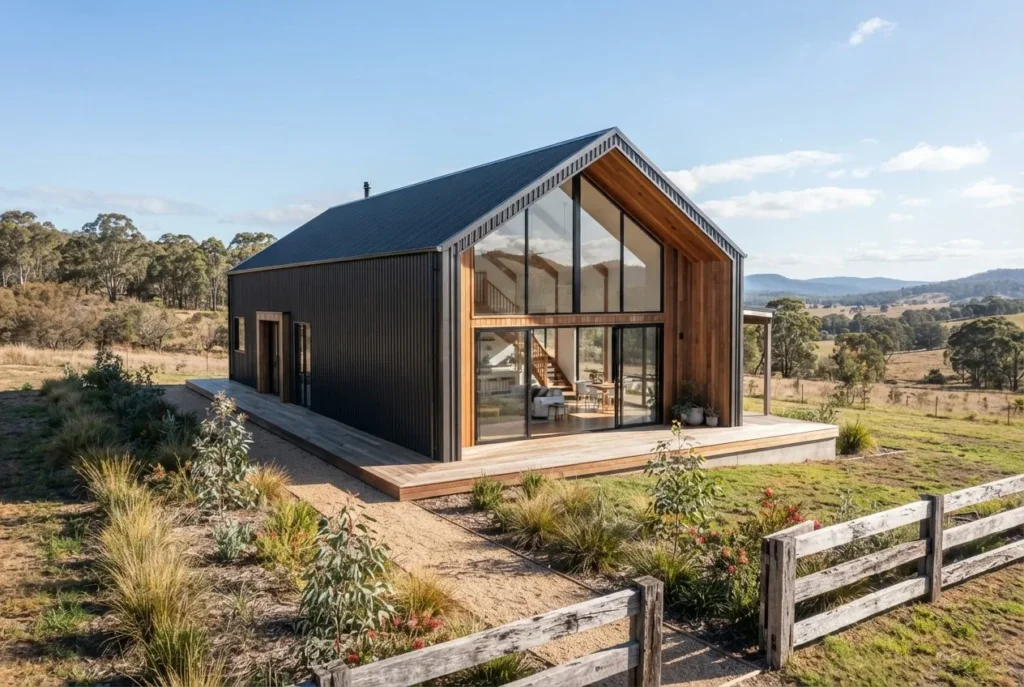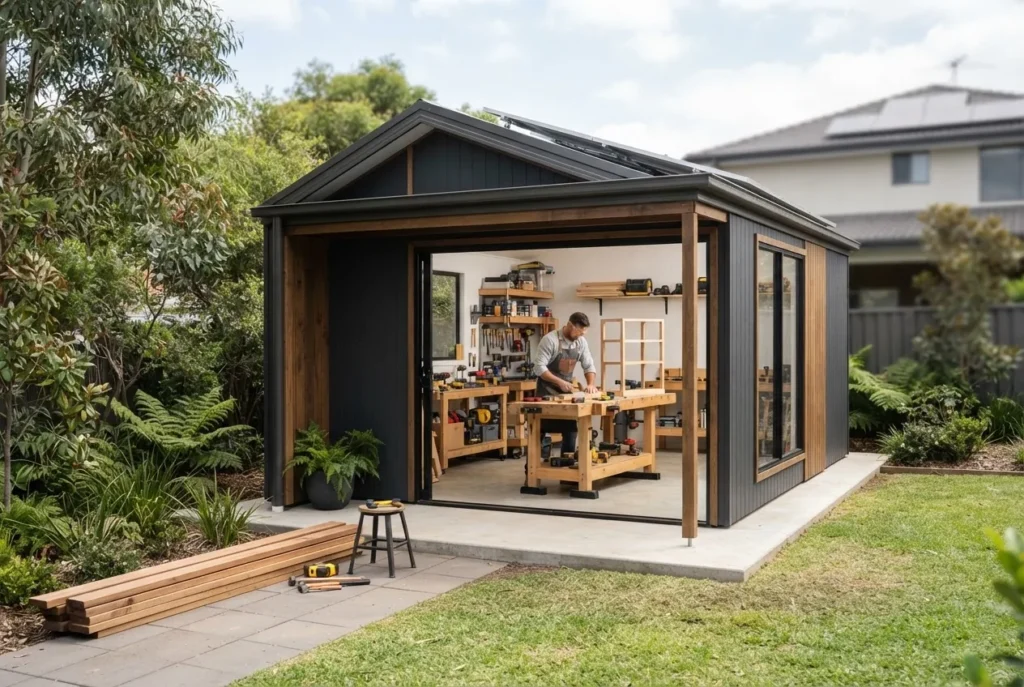


Transforming your garden shed into a functional and stylish space starts from within. Whether you’re after inside shed ideas for storage, workspace, or creative retreats, this Australian guide reveals expert-driven strategies to optimise every square metre. Discover how to tailor shed interiors with climate-smart design, innovative storage, and practical fit-outs crafted to thrive in Australia’s unique conditions.
Understanding the Foundations of Garden Shed Interior Design in Australia
Inside garden sheds, intelligent interior planning is essential for usability and comfort in Australia’s diverse climate zones. Effective inside shed layout planning balances space utilisation with environmental adaptation. The key principles start with clear zoning—defining areas for storage, work, and relaxation—to avoid clutter and maximise functionality. Incorporating practical walkways and allocated tool zones creates seamless flow and accessibility.
The Australian climate significantly impacts interior choices. Managing heat and humidity through material selection and layout is paramount. Common interior shed materials such as plywood, metal shelving, and moisture-resistant boards offer durability and cost-effectiveness. Design options for Colorbond and Zincalume sheds also influence internal finishes since the external shell conditions affect thermal load and condensation inside.
Termite and pest resistance is critical, given Australia’s notorious insect populations. Applying pest-proof interior treatments, such as sealed joints, treated timber, and mesh barriers, helps protect your investment. From tropical Queensland to temperate Victoria, controlling internal humidity with ventilation or dehumidifiers curbs mould and decay risks.
By considering heat and humidity management in sheds at the outset, Australian shed interiors can elevate long-term comfort and durability while maintaining versatility for various uses.
Next, we explore creative and practical storage systems designed to maximise those newly optimised interiors.
Creative and Practical Storage Solutions for Australian Garden Sheds
- Custom Shelving Options: Materials and Installation Tips
Robust shelves tailored in plywood, metal, or composite board can boost storage efficiency. In humid areas, marine-grade plywood or powder-coated metal resist decay. For installation, anchoring to studs or Colorbond frames ensures stability under load. - Wall Hooks, Pegboards, and Vertical Storage Techniques
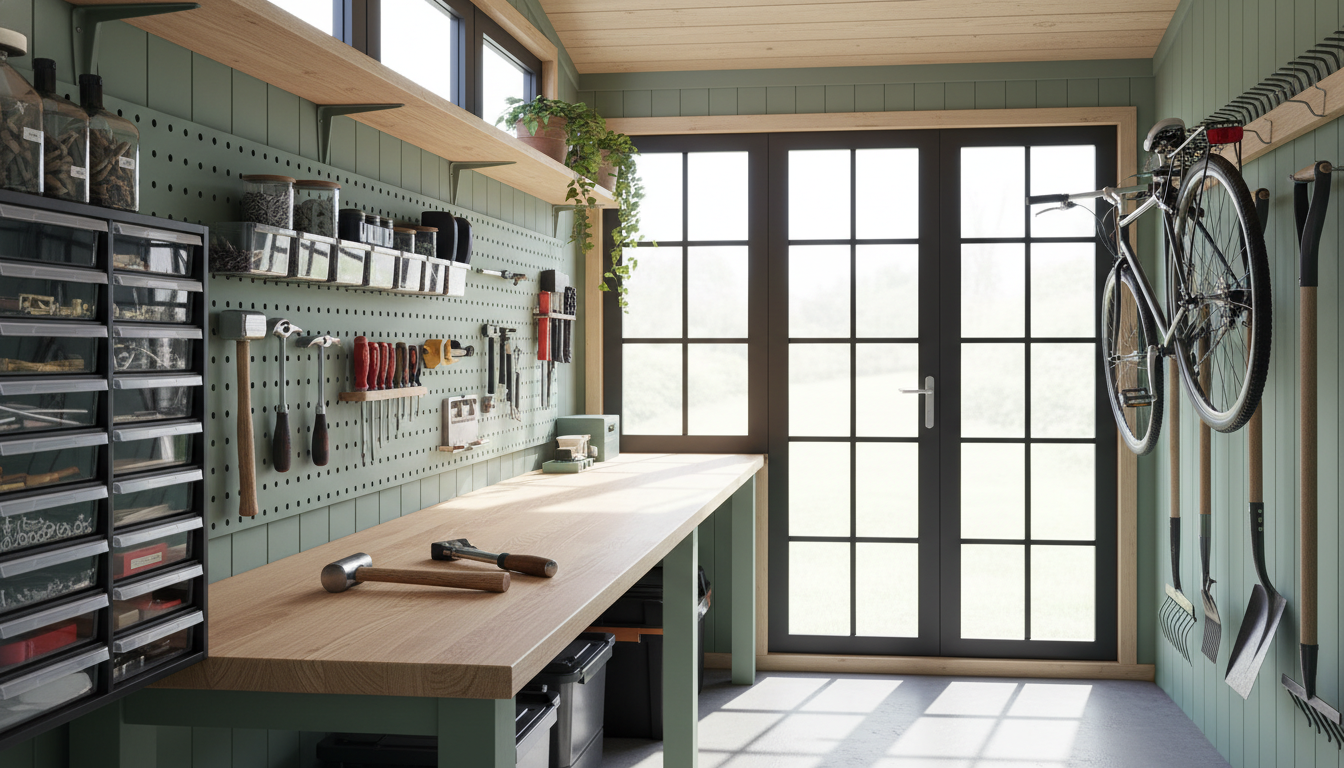
Utilising walls keeps the floor free while storing garden tools, cords, and equipment. Pegboards are perfect for versatile hanging solutions, allowing adjustment for tool sizes. Add magnetic strips for metal tools. - Modular Storage Units and Multi-purpose Furniture
Modular units that combine drawers, shelves, and work surfaces enable a dynamic setup. By reorganising components, spaces can shift between workshop and office modes effortlessly. - Organising Small Spaces: Compact Storage Innovations
Utilise overhead racks for seasonal items, fold-out benches to save room, and under-bench bins to corral small parts. Labels and transparent containers speed up tool location.
Proper organisation transforms clutter into creativity—next, we detail lighting, ventilation, flooring, and insulation essentials that underpin shed comfort in Australian backyards.
Essential Fit-Out Components: Lighting, Ventilation, Flooring & Insulation
| Component | Options | Benefits | Australian Suitability |
|---|---|---|---|
| Lighting | LED strip lights, solar-powered LEDs, skylights | Energy-efficient, low heat output, adaptable to off-grid sheds | Solar options excel in sunny regions; LED minimal heat suits hot interiors |
| Ventilation | Roof vents, exhaust fans, louvres | Reduces heat buildup and moisture, improves air quality | Vital in tropical and arid zones to maintain comfort and structural health |
| Flooring | Composite decking, sealed concrete, vinyl plank | Durable, easy to clean, resistant to moisture and pests | Vinyl planks with slip resistance preferred in humid/coastal areas |
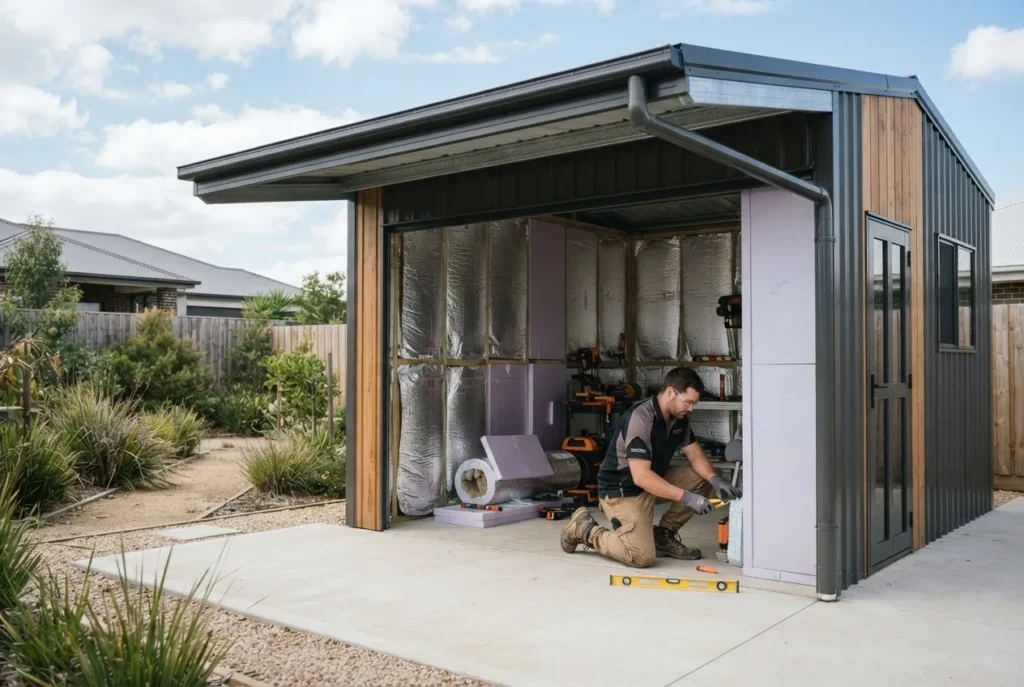
| Insulation | Fibreglass batts, foam boards, reflective foil insulation | Keeps shed warmer in winter and cooler in summer | Reflective foils highly effective for Australian sun, batts add winter warmth |
| Pest-Proofing | Sealed frames, termite-treated timber, insect mesh | Protects interiors from damage and contamination | Essential nationwide; specific treatments vary by region and pest prevalence |
With the interior environment set, let’s explore how to design versatile spaces that adapt to your lifestyle.
Designing Multi-functional Shed Interiors for Versatility
Shifting sheds beyond mere storage requires garden shed workshop setups that merge form and function. Durable workbenches with integrated tool storage and easy-access peg walls create an efficient workspace for hobbyists and professionals alike.
Shed home office design ideas often include ergonomic furniture, reliable lighting, and insulation for year-round comfort. Dual-purpose furniture that folds away transforms work areas into studios or creative spaces as needed.
Stylish storage rooms prioritise ‘clutter-free’ zones featuring clean lines, hidden compartments, and labelled containers enhancing both aesthetics and order. Flexible furniture such as modular shelving and mobile carts enable swift space reconfiguration.
Large sheds like the 10 x 20 storage buildings provide flexible space ideal for combined workshop and office areas.
Multiple layout models and real-use tips ensure you design a shed interior that evolves with your needs.
DIY Organisation Tools and Accessories Tailored to Australian Sheds
Creating custom DIY shed storage hacks allows budget-conscious owners to build purpose-fit solutions. Popular projects include magnetic tool racks crafted from simple steel strips, custom pegboards adapted from plywood sheets, and modular shelving assembled from repurposed timber.
Step-by-step assembly guides improve success rates. For example, mounting a magnetic strip requires measuring tool sizes, securely fixing the strip to a timber backboard, and installing it at convenient height zones.
Choosing sustainable materials such as reclaimed timber or recycled plastic sheets reduces costs and environmental impact. These cost-effective options align with contemporary Australian DIY sustainability trends.
Compliance & Safety Considerations for Inside Shed Interiors
Australian shed interiors must comply with specific standards to ensure safety and legal alignment. The National Construction Code (NCC) governs structural safety but also references fit-out safety including electrical and fire considerations.
Relevant Australian building standards, including those from Standards Australia, specify proper wiring methods, ventilation rates, and materials classified for fire resistance and toxicity.
For electrical installations such as lighting and power outlets, compliance with Australian standards AS/NZS 3000 (Wiring Rules) and local council requirements is mandatory. Licensed electricians are recommended for all hardwired components.
Fire safety practices include installing smoke detectors, using non-combustible materials near heat sources, and maintaining clear egress paths. These measures protect occupants and preserve property in case of emergencies.
Those seeking alternative shed uses, including living spaces, should consult the Living in a Shed in Australia: Legal, Safe and Smart Options (2025 Guide) for specialised compliance details.
Maximising Space and Style: Advanced Interior Design Tips
To further optimise shed interiors, vertical and overhead storage gains prime importance. Ceiling-mounted racks, hanging baskets, and high wall shelves free floor space, especially in compact sheds.
- Use colour palettes for sheds interiors that reflect natural Australian landscapes—warm earthy tones or coastal blues—for a calming atmosphere.
- Choose durable finishing materials for sheds that resist fading and wear under intense sun exposure, such as oil-based paints or UV-resistant sealants.
- Incorporate native textures and handcrafted elements to inject distinctly Australian shed design aesthetics, blending indoor and outdoor vibes.
- Employ space optimisation techniques like folding furniture and stackable bins to maintain tidy, functional zones.
These touches elevate your shed from a mere utility space to a stylish, efficient extension of home lifestyle.
By integrating climate-adapted design, innovative storage, compliant building practice, and style, your Australian garden shed achieves its full potential as a versatile, comfortable interior.
Conclusion
Inside Shed Ideas: Australian Guide to Shed Interior Design, Storage & Fit-Outs offers a comprehensive blueprint to transform your garden shed’s interior into a climate-smart, multifunctional haven. Starting from foundational layout and materials through to advanced storage solutions, lighting, ventilation, and safety compliance, this guide addresses every critical aspect. Whether converting your shed into a workshop, hobby space, or home office, leveraging Australian-specific knowledge ensures superior durability and comfort. Ready to revitalise your shed interior? Explore our detailed how-tos and start creating a space that reflects your lifestyle and stands the test of Australia’s unique environment.
Frequently Asked Questions
What are the best materials for inside shed walls in Australian climates?
For Australian shed interiors, moisture-resistant plywood, treated timber, metal shelving, and composite boards perform well. These materials resist heat, humidity, and pests, ensuring durability and minimal maintenance across diverse climate zones.
How does shed interior lighting differ between solar-powered and LED options?
Solar-powered lighting suits off-grid or sunny locations, offering energy independence, while LED lighting provides consistent brightness with low heat output and energy efficiency, ideal for workshops and enclosed sheds with electrical access.
Why is pest-proofing important for shed interiors in Australia?
Pest-proofing protects sheds from termites and insects common in Australia. Using sealed joints, treated timber, and insect mesh prevents damage and contamination, safeguarding stored items and preserving structural integrity.
Can inside shed design improve airflow and reduce humidity effectively?
Yes. Installing roof vents, louvres, and exhaust fans enhances airflow, reducing heat and moisture buildup. Proper ventilation prevents mould, decay, and improves occupant comfort in humid or tropical Australian regions.
Is vinyl plank flooring better than sealed concrete for sheds in coastal areas?
Vinyl plank flooring is preferred in coastal and humid areas due to its slip resistance and moisture tolerance, while sealed concrete offers durability but may be slippery and less comfortable underfoot in damp conditions.
Which storage solutions suit small Australian garden sheds best?
Compact storage like wall-mounted pegboards, overhead racks, fold-out benches, and under-bench bins maximise space and accessibility in small sheds while keeping floors clear for multifunctional use.
What defines a multifunctional shed interior design?
A multifunctional shed interior combines work areas, storage, and leisure spaces using flexible furniture, modular shelving, and adaptable layouts that shift from workshop to office or studio as needed.
How do Australian climate factors influence shed interior insulation choices?
Australian climates demand insulation that reflects heat in summer and retains warmth in winter. Reflective foil insulation works well in sunny regions, while fibreglass batts provide added warmth in cooler zones, enhancing year-round comfort.