

Customising a lean-to shed with premium Colorbond steel offers Australian homeowners an unbeatable combination of style, durability, and regulatory assurance. Whether you’re expanding storage or creating practical outdoor workspaces, understanding the detailed pathways of council approvals, wind ratings, and bespoke design options is critical to a successful lean-to shelter project in Australia. This guide unpacks everything from the unique benefits of Colorbond materials through to navigating local building codes and engineering certifications, ensuring your lean-to shed stands the test of time and meets all compliance requirements.
Introduction to Lean-To Sheds in Australia
What Defines a Lean-To Shed?
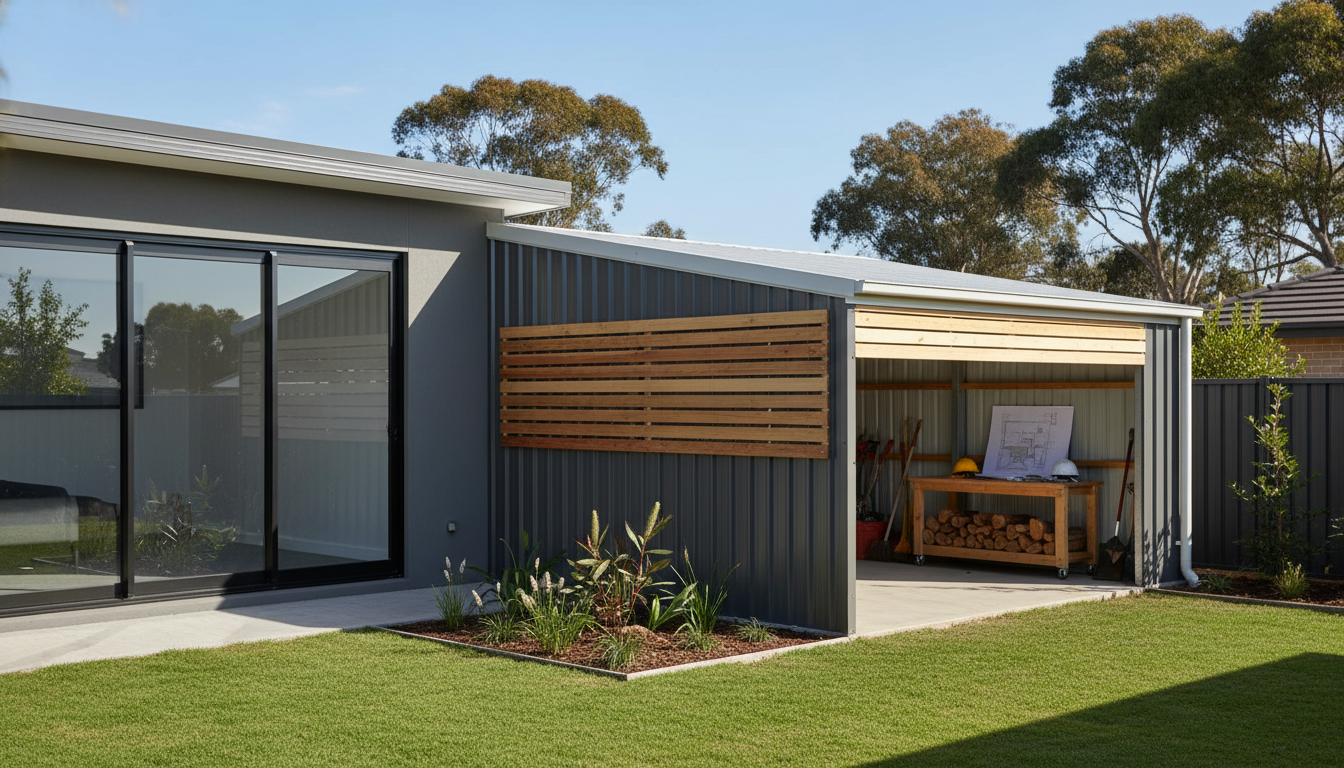
A lean to shed is a garden shelter designed with a single-pitch roof that leans against an existing structure, such as a house wall, garage, or barn. Distinguished by its simplicity and space efficiency, the lean-to design is ideal for creating additional storage or workspace without requiring a standalone footprint. Unlike traditional sheds, these lean to shelters utilise existing walls to reduce material costs and provide weather protection where space is at a premium.
Popular Uses for Lean-To Shelters on Australian Properties
In Australia, garden sheds with lean to designs are commonly used for:
- Storing garden tools and equipment close to outdoor work areas.
- Creating sheltered carports or bike storage alongside existing buildings.
- Housing rainwater tanks or rubbish bins discreetly against house exteriors.
- Serving as a workshop or hobby area attached to garages or utility rooms.
This adaptability makes lean-to sheds a practical addition to both urban and rural properties, offering tailored utility while minimising impact on yard space.
Why Choose Colorbond Steel for Lean-To Sheds?
Colorbond vs Zincalume sheds in Australia has become the material of choice across Australia for its superior resistance to corrosion, UV damage, and extreme weather, all critical factors for outdoor structures. Manufactured locally under stringent standards, it presents a highly durable yet aesthetically versatile finish. With bespoke colour options and easy maintenance, Colorbond lean-to shelters blend seamlessly into Australian landscapes, from coastal zones to high-rainfall inland areas.
Understanding these fundamentals sets the foundation for exploring Colourbond’s benefits and the compliance processes essential for lean-to shed success.
Understanding Colorbond Steel: Benefits and Customisation Options
Overview of Colorbond Steel Technology and Australian Manufacturing Standards
Colorbond steel is a pre-painted steel product engineered and manufactured by BlueScope Steel in Australia to meet AS/NZS 2728 class standards for durability and corrosion resistance. Its multilayer coating system includes a zinc/aluminium alloy base layer with a baked-on polyester paint topcoat, providing robust protection against rust, impact, and fading from UV exposure. These manufacturing standards ensure performance across Australia’s diverse climate zones, from tropical north Queensland to cooler southern regions.
Available Colorbond Shades and Their Suitability for Outdoor Structures
Choosing the right shade is essential — consult the 2025 Colorbond shed colour palettes and compliance guidelines in Australia to ensure council approval.
| Colour | Best Use Case | UV Resistance and Notes |
|---|---|---|
| Classic Cream | Coastal areas and sunny locations | High UV resistance; light reflective |
| Surfmist | Modern residential and garden aesthetics | Excellent heat reflection; resists fading |
| Cottage Green | Blends with native vegetation | Dark shade with moderate UV stability |
| Deep Ocean | Contemporary sheds with bold statements | High resilience against salt spray |
| Woodland Grey | Neutral, urban and bushland settings | Balanced wear and colorfastness |
Custom Fabrication Possibilities for Lean-To Designs
Custom Colorbond lean-to shelters can be fabricated to fit existing structures with precise roof pitch integration, window openings, and door placement. Steel panels can be pre-cut and shaped for guttering attachments or ventilation components, allowing homeowners to tailor their lean-to to unique site constraints and climatic demands. Fabricators also offer tailored structural reinforcements to meet local wind rating requirements.
Durability and Weather Resistance Features (Corrosion, UV Protection)
Colorbond steel’s galvanised and painted layers provide outstanding corrosion protection, vital for rain-exposed lean-to roofs and walls. UV protection is integrated into the topcoat, limiting sun damage and colour fading over decades. Additionally, Colorbond resists impacts from hail and debris — essential in variable Australian weather.
When properly maintained, Colorbond lean-to sheds can last 25+ years, making them a smart long-term investment.
Next, we explore how to navigate the complex landscape of Australian building approvals for these custom structures.
Navigating Australian Building Approvals for Lean-To Sheds
Local Council Permitting Requirements Overview by State and Territory
Lean-to sheds require building approvals in Australia, but specific council approvals for sheds in Australia vary widely.
- New South Wales (NSW): Approvals depend on the shed’s size and proximity to boundaries. Lightweight lean-to shelters under 10m² may be exempt but require compliance with Development Control Plans (DCPs).
- Victoria (VIC): Building permits are necessary if the lean-to attaches to a habitable building or exceeds 10m². Local councils enforce height and setback controls.
- Queensland (QLD): Lean-to sheds typically need building approval unless classified as exempt development under the Queensland Development Code.
- Western Australia (WA): Regulations focus on structural safety and aesthetics; quotations from local builders and engineers are often required.
- Other states/territories: Each has specific thresholds and regulations, often aligning with ABCB standards but with particular variations.
Understanding your local council’s threshold is essential before commencing construction.
The Role of the Australian Building Codes Board (ABCB)
The Australian Building Codes Board (ABCB) governs building codes nationally, harmonising standards such as the National Construction Code (NCC) that local councils enforce. For lean-to sheds, ABCB standards dictate minimum structural requirements, including wind load resistance, fire safety, and material quality. Though councils manage zoning and approvals, all designs must comply with ABCB codes to gain approval and pass inspections.
Step-by-Step Process for Securing Lean-To Shed Approvals
- Pre-Application Research: Consult your local council website or office for specific shed permitting requirements and exemptions.
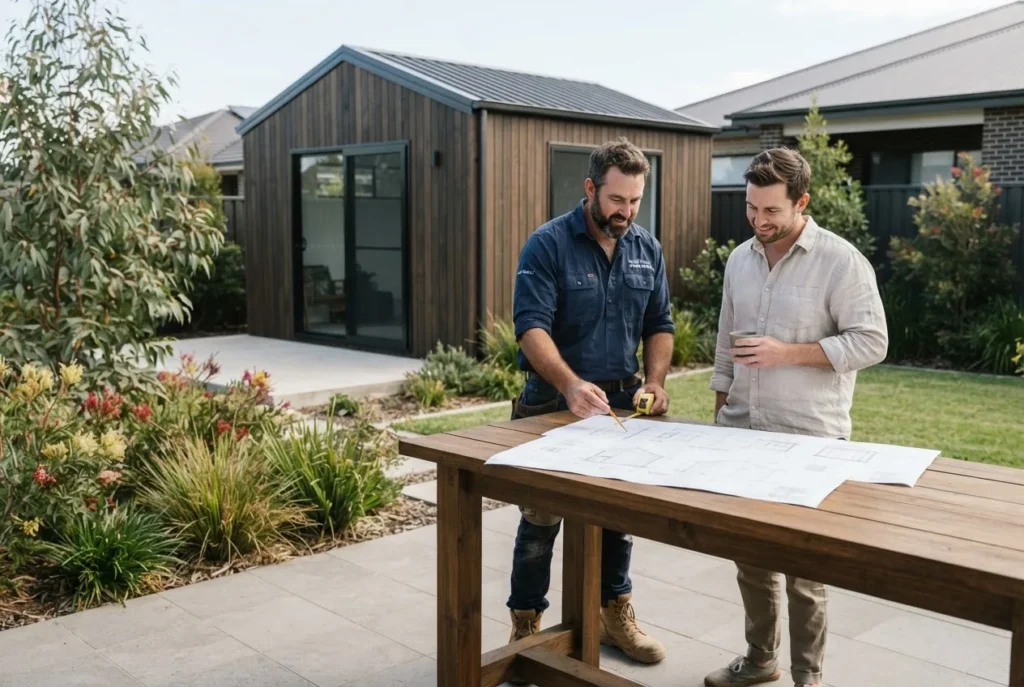
- Design Preparation: Finalise lean-to shed drawings, dimensions, material specifications (especially noting Colorbond colours), and structural details.
- Engineering Certification: Obtain structural engineer reports for wind rating compliance and foundation suitability.
- Submit Application: Lodge your development application with all required documents, including plans, engineering certifications, and any environmental reports.
- Council Review and Feedback: Address any conditions or requested modifications promptly.
- Approval Issued: Once approved, schedule inspections as required during and after construction.
Common Documentation Required (Plans, Certification)
- Site and elevation plans showing integration with existing buildings.
- Structural engineering certification verifying compliance with Australian wind standards.
- Material specifications, including Colorbond colour choice and finish.
- Builder or installer details (if applicable).
- Environmental and drainage impact assessments (if relevant).
Tips for Avoiding Approval Delays and Rejections
- Engage with your council early to clarify requirements.
- Ensure all documentation is complete and accurate before submission.
- Adhere strictly to local height, setback, and colour restrictions.
- Use professional engineers and certified installers to strengthen applications.
- Anticipate neighbour consultation periods and prepare for potential objections.
Having secured an understanding of approvals, the next critical element is fully grasping how wind rating standards impact lean-to shed design and construction.
Australian Wind Rating Standards and Their Impact on Lean-To Shed Construction
Explanation of AS/NZS 1170.2 Wind Load Classifications (N1, N2, C1, C2, etc.)
Australian Standard AS/NZS 1170.2 outlines the structural design actions for wind loads on buildings and structures, including garden sheds. Wind classifications are assigned based on regional wind speeds and terrain, with typical categories including:
| Classification | Wind Speed Range (km/h) | Typical Location |
|---|---|---|
| N1 | 33-41 km/h | Very sheltered inland areas |
| N2 | 41-48 km/h | Sheltered inland and suburban zones |
| C1 | 48-53 km/h | Open farmland and coastal fringes |
| C2 | 53-61 km/h | Coastal exposed areas, hills |
| R1 | 61-70 km/h | Remote exposed coastlines and ridges |
Each classification informs the structural requirements for lean-to sheds, influencing material thickness, fixings, and foundation design.
How Wind Zone Affects Design and Structural Requirements
Lean-to sheds in higher wind zones (C2 and above) require enhanced bracing, stronger frame members, and secure anchorage foundations to resist uplift and lateral forces. Colorbond steel panels must be fastened with corrosion-resistant fixings rated for the zone’s wind pressure. Moreover, roof pitches and shed orientation should minimise wind impact.
For lean-to shed designs in these zones, refer to our cyclone-rated Colorbond garden sheds and wind classification details in Australia for compliance requirements and design strategies.
Selecting Appropriate Foundations for Wind Load Compliance
Foundation choice—ranging from concrete slabs, piers, or timber systems—is essential for distributing wind loads safely. In high wind zones, deeper footings with steel reinforcing and anchorage bolts are necessary to prevent uplift or sliding during storms.
Role of Structural Engineers and Certification for Wind Ratings
Certified structural engineers evaluate site-specific wind zones and provide mandatory certification for the lean-to shed design, ensuring compliance with AS/NZS 1170.2. This certification is often a required submission in the approval process and guarantees that construction can legally withstand anticipated wind forces.
With wind ratings firmly understood, we move next to the practicalities of designing and customising your lean-to shelter to balance compliance and aesthetics for your specific Australian climate zone.
Designing and Customising Your Lean-To Shelter for Optimal Compliance and Aesthetic
Integrating Lean-To Sheds with Existing Structures and Landscapes
Effective design considers how a lean-to shed attaches harmoniously to existing buildings. This includes matching roof pitch angles, guttering connections, and cladding colours. Custom fabrication enables colour matching existing walls with the wide selection of Colorbond finishes. Incorporating downpipes into existing rainwater systems ensures water management complies with council standards. Landscaping around the lean-to can also enhance aesthetics and provide additional weather protection.
Design Considerations Based on Climate Zones in Australia
The diverse climate zones across Australia dictate varied design approaches:
- In coastal zones, use corrosion-resistant Colorbond grades and salt-resistant fixtures.
- In bushfire-prone areas, compliance with BAL (Bushfire Attack Level) ratings may require specific materials and designs.
- In tropical regions, maximise ventilation features like louvered vents or open eaves glasses to prevent overheating.
- In cooler, high-rainfall areas, ensure roof pitches promote effective water runoff and avoid pooling.
Popular Lean-To Shed Styles and Attachments (e.g., guttering, awnings)
Popular add-ons for Colorbond lean-to sheds include:
- Integrated guttering systems designed to tie into existing downpipes.
- Custom awnings for shaded work or seating areas adjacent to the shed.
- Skylights or translucent panels for daylighting.
- Sliding or bi-fold doors for easy access.
These features enhance both functionality and aesthetic appeal, often subject to council approval.
For inspiration and guidance on similarly styled projects, see examples of 10×10 Colorbond garden and storage sheds in Australia and custom Colorbond awning sheds and garaport designs in Australia. For close attachments, check out premium Colorbond under-eave garden sheds in Australia.
If budget constraints are a concern, exploring affordable Colorbond and Zincalume shed options like those detailed in our Cheap Garden Sheds Adelaide guide can inform cost-effective lean-to selections.
Certain lean-to designs favor flat roof profiles for easier installation or aesthetic matching — additional insights are available in the flat roof garden shed guide.
For those aiming to maximize space around corners, L shaped garden shed designs offer a complementary style adaptable for lean-to shelters.
Balancing Functionality, Style, and Regulatory Requirements
Design optimisation demands balancing practical needs with compliance. For example, colour choices may be limited by council guidelines despite aesthetic preferences. Similarly, foundation and fixings must prioritise wind load ratings over purely visual design. Engaging with builders and local authorities early ensures functional styles meet all regulations without costly redesign.
While this guide focuses on Colorbond steel, timber frame garden sheds remain popular; for a comparative perspective, see the timber frame garden shed guide for material pros and cons.
Larger lean-to extensions may benefit from insights on 10×20 Colorbond steel sheds for custom storage solutions available in Australia.
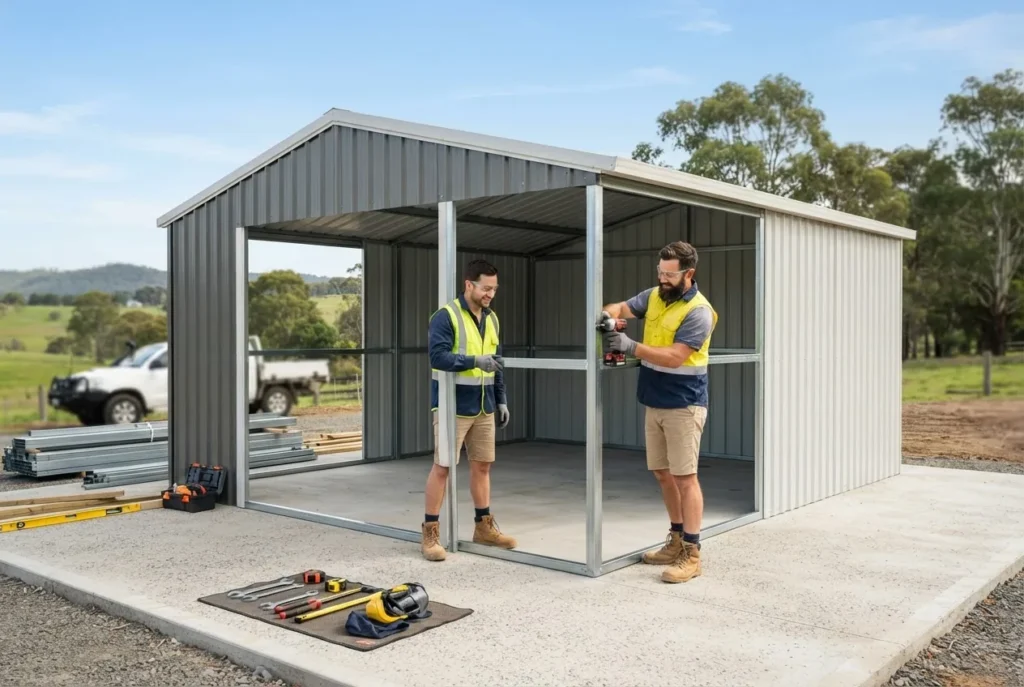
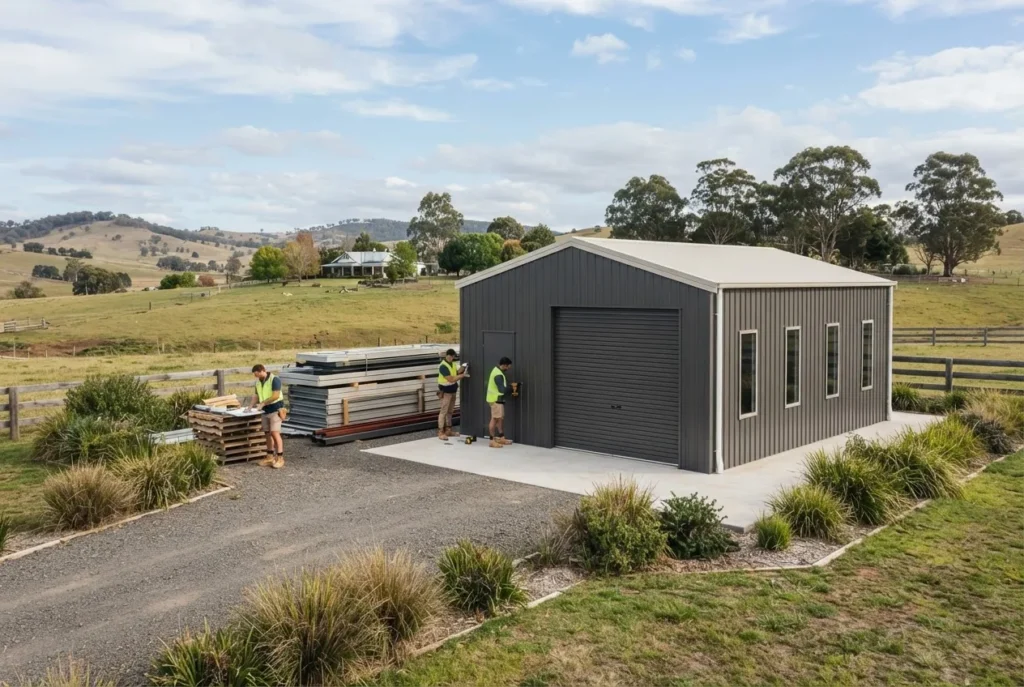
Installation and Construction Guidance for Custom Colorbond Lean-To Sheds
Foundation Options Suitable for Lean-To Sheds
Choosing the correct foundation is crucial for structural integrity and compliance. Options include:
- Concrete Slab: Offers a solid, long-lasting base, ideal for heavier, large lean-to sheds in high wind zones.
- Concrete Piers: Economical and effective for uneven terrain or smaller lean-tos; allows airflow and drainage.
- Timber or Steel Bearers: Raised foundations suitable for flood-prone areas; must be engineered for wind loads.
A solid base is critical—review Australian concrete floor specifications for garden sheds to ensure compliant foundations for lean-to structures.
DIY vs. Professional Installation: Pros and Cons
- DIY Installation: Offers cost savings and hands-on control but requires proficient skill in steelwork, foundations, and council compliance.
- Professional Installers: Provide expert knowledge in wind rating adherence, precision fitting of Colorbond panels, and liaising with building inspectors.
While many DIY enthusiasts successfully install lean-to shelters, engaging qualified professionals reduces approval risks and ensures long-term durability.
DIY enthusiasts can complement lean-to shed projects by reviewing the detailed storage sheds DIY Australian guide covering design and council approval essentials.
Inspection and Compliance Checkpoints During Construction
Key inspection points include:
- Verification of foundation depth, materials, and anchorage for wind compliance.
- Structural frame bracing and fixing methods per engineering certification.
- Colourbond panels and fixtures inspected for conformity with permitted colours and materials.
- Final council sign-off on completed works before occupancy or use.
Maintenance Recommendations to Prolong Shed Life
Regular maintenance ensures your Colorbond lean-to shed stays functional and attractive:
- Clean gutters and drainage systems seasonally to prevent water damage.
- Inspect and tighten panel fixings and sealant to prevent rust ingress.
- Wash exterior with mild detergents to remove salt or dirt build-up, especially in coastal zones.
- Touch up chips or scratches promptly with manufacturer-approved paint.
Refer to our comprehensive Australian garden shed buyer’s guide, including Colorbond installation tips for deeper installation and maintenance insights.
Next, learn from the successes and challenges of real Australian lean-to shed projects.
Expert Advice and Case Studies: Successful Lean-To Shed Projects Across Australia
Quotes from Structural Engineers on Approval and Wind Ratings
“Wind load compliance is non-negotiable, especially for lean-to sheds attached to existing buildings. A proper engineer’s assessment ensures that foundations and framing handle the specific forces, avoiding costly failures and council rejection,” says John Macarthur, Certified Structural Engineer, Sydney.
Sample Case Studies Highlighting Approvals and Design Solutions
In Queensland’s coastal zone, a homeowner overcame strong council objections by submitting engineering certification addressing cyclone-rated wind forces and switching to a lighter Colorbond shade classified for coastal use. This allowed the lean-to to pass approval within 8 weeks, significantly faster than initial expectations.
Another Melbourne project integrated a custom guttering system on a woodland green Colorbond lean-to to blend with native foliage, satisfying aesthetic restrictions while improving runoff management — a key to approval in that council.
Lessons Learned: Common Pitfalls and How to Avoid Them
- Incomplete documentation delays approvals — always check council checklists thoroughly.
- Ignoring local colour or height restrictions causes mandatory redesigns.
- Underestimating wind loads risks structural failure and legal penalties.
- Neglecting foundation requirements can void insurance claims after storms.
Armed with these insights, you are better positioned to undertake your custom lean-to shed project with confidence. Below, a specialized Q&A addresses frequent queries from Australian homeowners and builders.
Frequently Asked Questions (FAQs) Specific to Custom Colorbond Lean-To Sheds
Frequently Asked Questions
What is the difference between a lean-to shed and a traditional freestanding shed?
A lean-to shed attaches to an existing building and has a single-pitched roof leaning on that structure, while a traditional freestanding shed is independent with a separate roof. Lean-to sheds save space and building materials by using an existing wall for support.
How do Colorbond lean-to sheds compare to timber lean-to shelters in terms of durability?
Colorbond lean-to sheds offer superior corrosion resistance, UV protection, and require less maintenance than timber shelters. Timber can be prone to rot and insect damage, while Colorbond steel withstands harsh Australian climates longer with minimal upkeep.
Which factors determine the size limits for lean-to sheds requiring council approval in Australia?
Size limits depend on local council rules, proximity to property boundaries, and whether the shed attaches to habitable buildings. Generally, lean-to sheds under 10m² or meeting setback and height restrictions may be exempt, but this varies by state and territory.
Can you install a lean-to garden shed with Colorbond steel without engineering certification?
In most cases, engineering certification is mandatory to verify structural integrity and wind load compliance, especially in higher wind zones. Exemptions exist only for small, lightweight shelters under specific local government thresholds.
How do climate zones in Australia affect the choice of Colorbond steel finishes for lean-to sheds?
Coastal and tropical zones require Colorbond finishes with enhanced corrosion and salt spray resistance, while cooler inland areas prioritise UV stability and thermal performance. Selecting the appropriate finish ensures longevity and compliance with local environmental conditions.
What are the main advantages of custom-fabricated Colorbond lean-to shelters over pre-made kits?
Custom-fabricated shelters precisely fit existing structures, accommodate specific roofing angles, and meet local wind rating requirements. They allow tailored colour choices and feature integration, whereas pre-made kits offer limited flexibility and may not fully comply with regional regulations.
Why is foundation choice critical for lean-to sheds in high wind rating areas?
Proper foundations prevent uplift, sliding, and structural damage from strong winds by securely anchoring the shed. In high wind zones, reinforced concrete footings or deep piers ensure compliance with wind load standards and maintain long-term stability.
Is a garden shed with lean to design suitable for all Australian property types?
Lean-to sheds are versatile and work well in urban, suburban, and rural settings. Their space-saving design suits properties with limited yard space or existing buildings, but council approvals and site-specific factors influence feasibility on each property.