
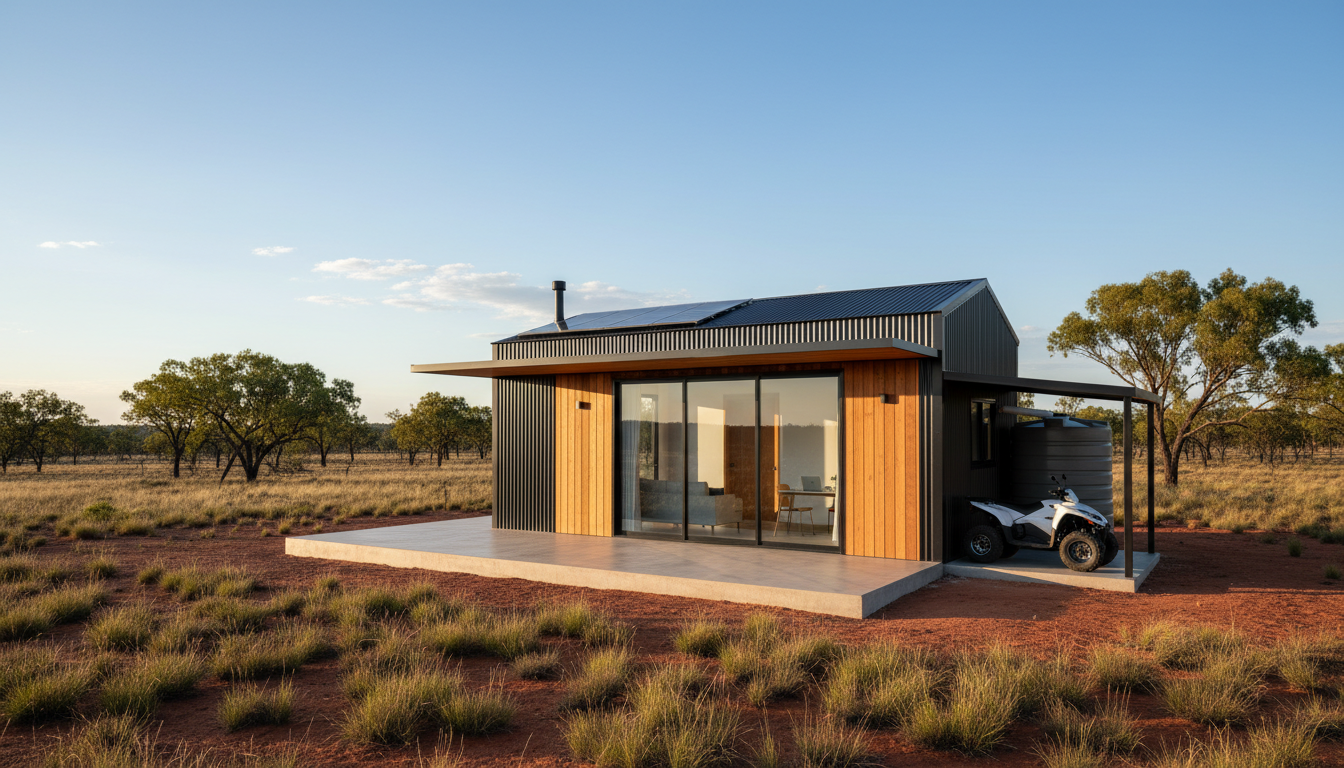

Exploring the possibility of living in a shed in Australia opens up a world of affordable, minimalist, and sustainable housing options. However, transforming a shed into a legal, safe, and comfortable residence requires comprehensive understanding of the 2025 regulatory framework, safety standards, and smart design practices. This guide provides an authoritative roadmap to help you navigate the complexities of shed living legally and confidently in Australia today.
Understanding the Legal Framework for Living in a Shed in Australia in 2025
To legally live in a shed in Australia, it’s essential to understand how the national and local legal frameworks apply to converting sheds into habitable dwellings. This understanding starts with detailed knowledge of the National Construction Code (NCC) 2025 Edition, building classifications such as the Class 1a shed requirements, zoning and land use regulations, the role of the Australian Building Codes Board (ABCB), and local council approval processes.
For a detailed overview of council approval processes and design considerations, see our comprehensive guide on barn sheds council approvals and design options. Navigating council approvals and permit requirements is also simplified in our garden shed council approvals and buyer options guide.
The role of the Australian Building Codes Board (ABCB) governs the NCC, regularly reviewing and updating standards to reflect contemporary building practices and safety.
Overview of the National Construction Code (NCC) 2025 Edition
The NCC 2025 Edition sets the minimum requirements for the design and construction of buildings across Australia, ensuring safety, health, amenity, and sustainability. It defines building classifications, including what constitutes a dwelling. For sheds to be used as residences, they must comply with the criteria for Class 1a buildings, which typically covers single dwellings.
The NCC outlines structural, insulation, ventilation, fire safety, and service provisions that all habitable buildings must meet. Importantly, it also requires compliance with energy efficiency and accessibility standards even for small dwellings like converted sheds.
Classification of Sheds: What Does Class 1a Shed Mean?
A Class 1a building under the NCC is defined as a single dwelling such as a house or townhouse. For a shed to be legally lived in, it must meet all the NCC requirements for Class 1a buildings — meaning it is fit for residential occupancy with adequate structural integrity, sanitation, utilities connection, fire safety, and amenity.
Many garden sheds are built to Class 10 (non-habitable structures such as storage or garages), and simply living in such a shed without upgrading it to Class 1a compliance is illegal. Converting a shed for habitation is a regulatory process that involves upgrading the shed to meet all Class 1a requirements.
Zoning and Land Use Regulations Affecting Residential Shed Living
Local zoning and land use planning laws determine if a shed can be located and used as a residential dwelling on a given parcel of land. Residential zoning generally allows for dwellings but may have specific rules concerning outbuildings and their permitted uses. Some councils may restrict or prohibit living in sheds, while others allow alternative dwellings like granny flats, which can provide an analogous regulatory framework.
You must confirm that your property’s zoning permits a residential shed and that land use complies with council policies. This ensures your converted shed would be legally recognised as a dwelling and not considered an illegal structure.
Role of the Australian Building Codes Board (ABCB)
The Australian Building Codes Board (ABCB) governs the NCC, regularly reviewing and updating standards to reflect contemporary building practices and safety. Their authoritative publications provide guidance on compliant building classifications, including Class 1a shed requirements, and help standardise cross-jurisdictional rules.
Local Council Approval Processes and Variations by State/Territory
Approval processes for living in a shed vary considerably across Australian states and territories. Typically, council approvals are mandatory and involve submitting building plans demonstrating compliance with the NCC and local planning rules. Variations include different permit types, compliance inspections, and timelines for approval.
The legal complexity can be a barrier, but beginning with these regulatory foundations ensures your shed living venture aligns with Australian law and is future-proof.
Safety Standards and Compliance Requirements for Shed Living
Living in a shed safely and legally demands adherence to stringent safety standards and compliance rules, covering fire safety, insulation, ventilation, and utilities connections. Non-compliance can lead to fines, eviction, or insurance invalidation.
Fire Safety Regulations for Habitable Sheds
The NCC mandates fire safety measures for habitable buildings, including sheds converted into residences. This includes installation of smoke alarms, fire-resistant materials, proper egress windows and doors, and appropriate separation distances to boundaries. Local councils may additionally require fire safety plans compliant with Australian Standards relevant to small dwellings.
Insulation, Ventilation and Structural Safety Standards
Fire safety alone isn’t enough; a habitable shed must maintain comfortable indoor temperatures and structural integrity. Insulation meeting NCC-specified R-values must be installed to reduce heat loss in winter and heat gain in summer. Adequate ventilation aligned with NCC airflow requirements is essential to prevent dampness and maintain air quality.
For more on insulation standards and effective solutions, see our insulation requirements and solutions for habitable sheds.
The Role of Building Surveyors and Inspectors in Certification
Building surveyors and inspectors are integral to ensuring a shed conversion complies fully with applicable regulations. They inspect designs, oversee construction, and grant final certifications for occupancy. These experts act as gatekeepers for legal compliance, verifying that fire safety, structural strength, utilities connection, and NCC standards are met before dwelling use is permitted.
Utilities Connections: Legal Requirements for Water, Electricity, and Sewage
Living legally in a shed requires connections to essential utilities that meet safety and health codes. Tap water, electrical wiring, and sewage or septic systems must comply with Australian standards and local council rules. DIY or non-certified connections can pose safety hazards and lead to rejection of occupancy permits.
Risks and Legal Consequences of Non-Compliance (fines, eviction, insurance issues)
Attempting to live in a non-compliant shed — such as one lacking building approvals or safety certifications — risks substantial legal penalties. Councils may impose fines, order eviction, or require costly remedial works. Additionally, insurance companies commonly void coverage if dwellings lack proper legal status, leaving occupants financially exposed in incidents like fire or storm damage.
Ignoring council permits can lead to severe consequences, detailed in risks and consequences of building a shed without council approval.
Smart and Practical Design Solutions for Legal Shed Living
Many principles of smart shed designs for living spaces overlap with those discussed in our barn sheds design options and Colorbond materials guide.
Small-space optimisation techniques often begin with understanding shed sizes such as the 2m x 2m Colorbond garden sheds sizing and features and 3x3m Colorbond garden shed specifications and layouts. Affordable shed options, such as those covered in the cheap garden sheds Adelaide buying guide and Lifetime Sheds Australia buyer’s guide, balance cost and compliance for budget-conscious dwellers.
Transforming sheds into comfortable living or leisure spaces can incorporate ideas from the Man Cave Shed design guide for maximizing habitable shed potential. When choosing the ideal shed for habitation, consulting reviews of the best garden sheds in Australia can help identify durable and compliant models.
Effective utilities integration involves safe electrical installations, compliant plumbing, and efficient water management systems designed specifically for small dwellings. Compliance with local council approvals for installations is vital and can be overseen by certified tradespersons to reduce risk.
Sheds used as residences bear many similarities with alternative dwellings such as tiny homes and granny flats. While zoning and code requirements are often parallel, tiny homes and granny flats frequently benefit from specific legislation that can make approvals smoother. Understanding these overlaps can help shed dwellers navigate regulations more effectively.
Choosing compliant door solutions is part of safe shed living; our garden shed door types, specifications, and approvals explains options.
Incorporating smart home features such as automated lighting, remote fire alarms, temperature controls, and energy monitoring enhances comfort and safety in small sheds, allowing residents to optimise limited resources efficiently while complying with regulations.
Modern innovative designs incorporate compliant layouts with accessible bathrooms, open-plan living, and energy-efficient kitchenettes all within compact footprints. To explore design ideas that push the boundaries of traditional sheds, visit our modern shed house design, plans, and compliance guide.
Case Studies and Real-Life Examples of Legal Shed Living in Australia
Successful Shed Living Compliance Stories by State
Several residents in states like Queensland and Victoria have successfully converted sheds adhering to Class 1a requirements and local approvals. These case studies reveal common paths to council approval, safety certification, and practical adaptations for habitability.
Local case studies such as legal and approved garden shed living in Brisbane offer practical insights.
Common Challenges Faced and How They Were Overcome
- Navigating varied zoning rules through pre-application consultations with councils.
- Retrofitting fire safety and insulation into older shed designs.
- Ensuring compliant connections to utilities in rural and urban locations.
Insights from Building Surveyors and Residents Living Legally in Sheds
Building surveyors often emphasise the importance of thorough documentation and engaging professionals early to streamline the approval process. Residents often report increased satisfaction from customization balanced with legal certainty.
Comparative Analysis: Legal vs Non-Legal Shed Living Cases
Comparisons indicate that non-legal shed living risks enforcement action, lack of insurance, and safety hazards, while legal conversions offer peace of mind, resale value, and integration into community services.
Further inspiration from sheds fully converted into homes is provided in Sheds Transformed into Homes Australia 2025 Guide.
Step-by-Step Guide to Converting a Shed into a Legal and Safe Living Space
Initial Legal and Zoning Assessments
Start by checking your property’s zoning classification with local council and confirm if residential use of outbuildings is permitted. This involves reviewing planning schemes and potential overlays or restrictions.
Meeting Class 1a Shed and NCC Requirements in Practice
Review NCC provisions for Class 1a buildings relevant to your shed size and location. Engage with building professionals to design upgrades addressing structural integrity, insulation, ventilation, and fire safety.
Obtaining Local Council Approvals and Permits
Prepare and submit detailed building plans and documentation for council approval. This includes compliance certificates from engineers or architects where necessary. For a detailed installation and compliance checklist, see the garden shed installation approvals and compliance tips.
Compliance Checklists for Safety, Utilities and Inspections
- Ensure fire safety installations and certifications are complete.
- Confirm utilities are connected by licensed tradespersons and certified.
- Conduct building inspections as required to verify compliance.
- Check insulation and ventilation meet the NCC 2025 specifications.
Don’t overlook the importance of a strong foundation for your shed conversion; see our shed foundation requirements and compliance guide.
Final Certification and Occupancy Process
After successful inspections and documentation reviews, obtain the final occupancy certificate from the building surveyor or council, allowing legal habitation.
Frequently Asked Questions and Addressing Common Reader Concerns
Can You Live in a Garden Shed Permanently Without Penalties?
Legally living in a garden shed without complying with Class 1a requirements and obtaining council approvals is not permitted and risks fines, eviction, and insurance voidance. Permanent shed living requires strict adherence to legal frameworks.
What Are the Most Common Reasons for Approval Rejection?
Common causes include insufficient structural compliance, non-permitted land use zoning, inadequate fire safety measures, and lack of certified utilities connections. Refer to What Happens If You Build a Shed Without Council Approval? for detailed risks and rejection reasons.
How Do Alternative Dwellings Legislation Impact Living in a Shed?
Laws governing tiny homes, granny flats, and other alternative dwellings often influence council flexibility and approval pathways for shed living, sometimes providing parallel or more permissive approval options under broader residential dwelling definitions.
What Are Insurance Implications When Living in a Converted Shed?
Insurance providers typically require proof of legal dwelling status and compliance with building codes. Unapproved shed living can void home insurance policies and leave occupants financially liable for damages or losses.
How to Ensure Long-Term Safety and Legal Compliance After Conversion?
Maintain regular inspections, promptly address repairs, update certifications if any modifications occur, and stay informed about local regulation changes. Ongoing compliance protects your legal rights and safety.
With this knowledge and the right professional guidance, living in a shed can be a viable, legal, and rewarding housing choice in Australia’s evolving 2025 landscape.
Explore additional guides and resources linked throughout this article to deepen your knowledge and prepare for a successful shed living journey.
Frequently Asked Questions
What defines a Class 1a shed in the National Construction Code?
A Class 1a shed is classified as a single dwelling suitable for residential use under the NCC. It must meet structural, fire safety, insulation, ventilation, and utility connection standards to be legally habitable in Australia.
Can living in a garden shed be more affordable than renting a traditional home?
Yes, living in a compliant garden shed can reduce costs due to lower construction and maintenance expenses. However, upfront legal upgrades and council approvals may affect affordability depending on location and shed size.
How do zoning laws affect the ability to live in a shed in Australia?
Zoning laws dictate if residential use of sheds is permitted on a property. Some zones restrict sheds to non-habitable uses, while others allow dwelling conversions, often requiring council approval and compliance with local planning rules.
What are the key differences between living in a shed and a granny flat legally?
Granny flats are typically purpose-built secondary dwellings with tailored legislation, simplifying approvals. Sheds require upgrading to Class 1a standards and may face stricter zoning checks and additional compliance steps for legal habitation.
Why is compliance with fire safety regulations critical when living in a shed?
Fire safety compliance protects occupants by ensuring reliable smoke alarms, safe egress, fire-resistant materials, and separation distances. It prevents legal penalties and reduces risks of injury or property loss in emergencies.
When is building surveyor involvement necessary for shed conversions?
Building surveyors are essential during design approval, construction inspection, and final certification stages. Their involvement verifies adherence to NCC standards, fire safety, and utility compliance for legal occupancy permits.
How does living in a tiny home compare to living in a converted shed in terms of regulation?
Tiny homes often have specific legislative frameworks that ease approval processes. Converted sheds must meet Class 1a requirements and local council approvals, which can be more complex and restrictive depending on zoning and building codes.
Which utilities must be legally connected for a shed to be habitable?
Water, electricity, and sewage or septic systems must be connected by certified professionals complying with safety and health standards to ensure legal habitation and occupant welfare in residential sheds.