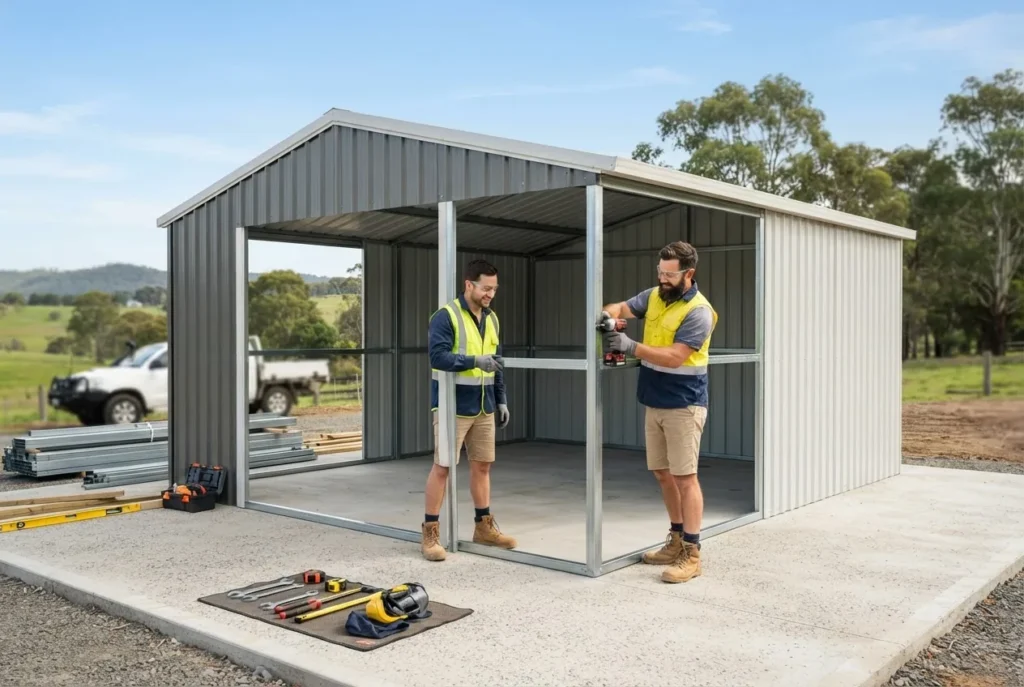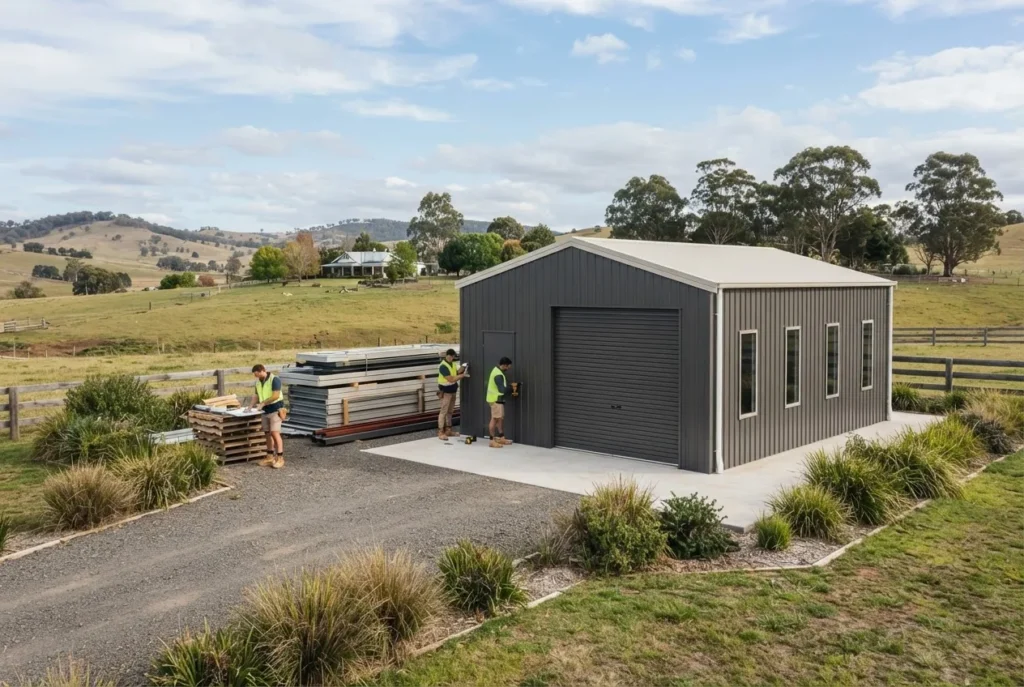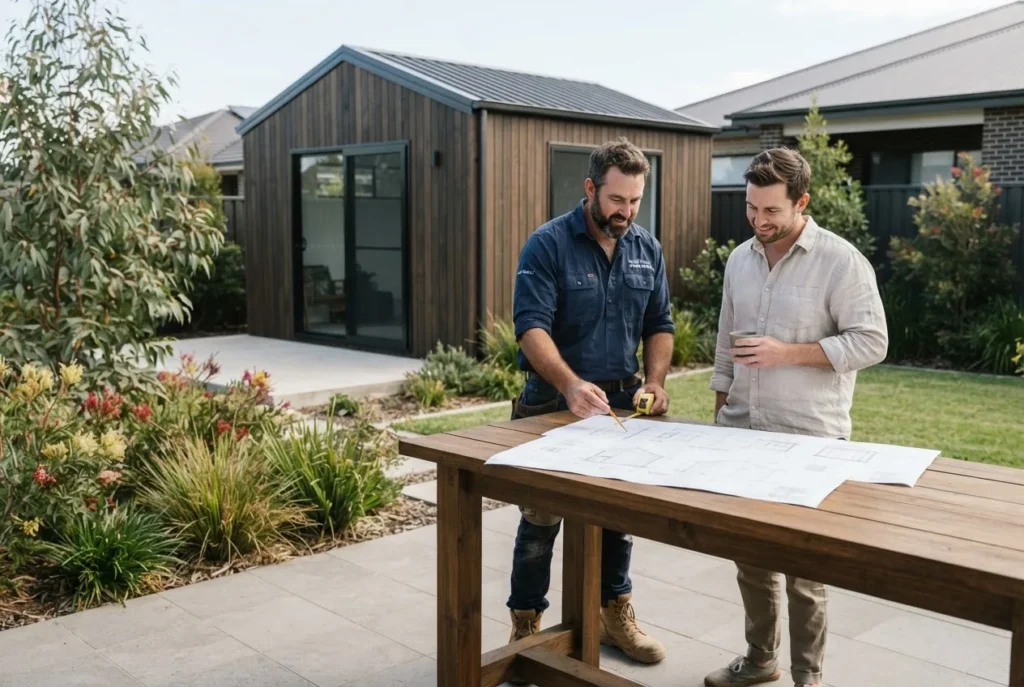

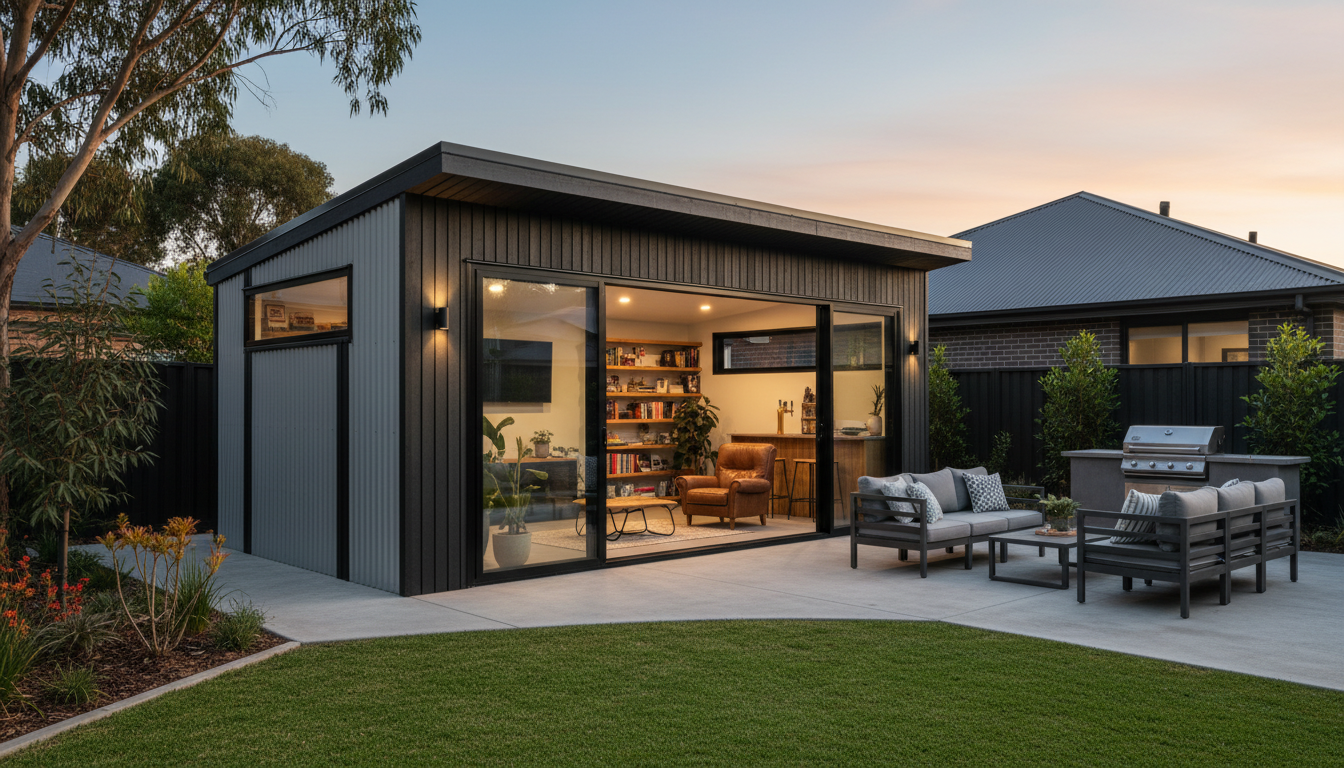

Transforming a backyard shed into a dedicated personal retreat is a growing trend across Australia – and nothing beats a well-designed man cave shed that balances style, function, and compliance with local regulations. This ultimate guide unravels everything you need to master the art and science of building the ideal man cave shed tailored for Australian conditions—covering innovative design ideas, navigating council approvals, choosing lasting materials like Colorbond steel, and understanding realistic costs associated with your project.
Understanding the Man Cave Shed Concept in Australia
Defining a Man Cave Shed vs Generic Garden or Storage Sheds
Unlike typical garden or storage sheds primarily designed for tool storage or simple outdoor purposes, a man cave shed in Australia is a personalised retreat—often equipped for hobbies, entertainment, or relaxation. These structures serve as private havens offering multi-functional shed layouts, integrating leisure and utility with architectural nuance. The difference lies in the emphasis on lifestyle enhancement rather than mere storage, repurposing outdoor space as a sanctuary tailored to the owner’s interests and needs.
The Man Shed Lifestyle: Cultural and Social Relevance in Australia
The man shed lifestyle concept resonates strongly with Australian homeowners valuing a dedicated space away from the main household bustle. This trend reflects broader cultural themes—privacy, creativity, and individualism—where men (and increasingly all genders) carve out personal zones for hobbies, craftsmanship, or sports fandom. The popularity of garden shed man cave conversions illustrates this shift toward utilising outdoor sheds as extensions of the home’s social and functional footprint. The concept of man caves overlaps with other personal retreat sheds like
home office garden sheds as multi-functional man caves.
Popular Uses and Functional Zones within a Man Cave Shed
Typical man cave shed ideas include zones for:
- Workshop or hobby areas
- Entertainment (TV, gaming, music)
- Mini bar and socialising space
- Relaxation nooks with comfortable seating
- Storage combined with activity areas (storage shed man cave)
Optimising these zones ensures multi-functionality, crucial when dealing with limited spaces common in Australian backyards.
Key Features That Differentiate Man Cave Sheds (Mezzanines, Multi-use Spaces)
Distinctive features such as lofted mezzanines—offering storage or sleeping nooks—and modular, convertible furniture enhance utility without expanding the shed’s footprint. The man cave shed mezzanine is especially popular in Australia, allowing vertical space optimisation while satisfying some council height restrictions. This innovation blends practicality with a bespoke feeling, marking a clear departure from conventional shed designs.
With a better grasp of the difference between garden shed and man cave shed use, we can delve into how to design your ideal Aussie man cave shed.
Design Inspiration and Layout Ideas for Your Australian Man Cave Shed
Architecture and Outdoor Integration: Garden Shed Design Principles Tailored to Man Caves
Successful man cave shed ideas Australia rely on architectural principles that harmonise the shed with your garden’s landscape and climate. Consider orientation to optimise natural light and ventilation, and use landscaping to integrate the shed subtly or make it a garden feature. Design elements like wide openings, outdoor awnings, or decking create seamless indoor-outdoor flow enhancing usability.
Referencing
awning designs for garden sheds and man caves can spark ideas to add shaded outdoor zones complementing your retreat.
Creative Interiors: Furniture, Mezzanine Levels, and Storage Solutions
Use modular furniture and space-saving units to maximise utility. The man cave shed mezzanine design provides an upper deck perfect for a sleeping area, reading nook, or additional storage. Combine with smart storage cabinetry to keep the environment organised yet functional.
Dual-use designs like integrating a storage shed man cave allow you to maintain tool storage while enjoying your leisure space. Thoughtful partitioning and multi-level shelving are key to these layouts.
Dual-Purpose: Storage Shed Man Cave Combinations
For many Australian homeowners, backyard space constraints necessitate blending storage with personal retreat areas. A garden shed man cave hybrid fits both needs effectively, separating zones visually or physically while maintaining cohesive usage.
Climate-Sensitive Design: Adjusting for Australian Weather Conditions
Australian local climate considerations deeply influence design choices. Incorporate high-quality insulation, ventilation, and durable cladding designed for specific zones—coastal areas require corrosion-resistant finishes, while desert climates demand heat mitigation strategies. Incorporate cross-ventilation and shaded areas to counteract the harsh summer sun.
Visual Inspirations: Diagrams and Images of Popular Man Cave Designs
Popular designs include:
- Compact 3x3m layouts with mezzanines for small backyards, inspired by
3x3m garden shed design options - Open plan 10×6 sheds that blend workshop and entertainment zones – see
10×6 garden shed design ideas - Modern Colorbond clad sheds boasting sleek, durable exteriors adapted to various climates
Diagrams often feature mezzanine platforms, multipurpose furniture layouts, and integrated storage walls, providing comprehensive inspiration.
With design ideas visualised, navigating approvals comes next.
Navigating Australian Council Approval Processes for Man Cave Sheds
Overview of Local Government Regulatory Frameworks Across Australian States
Understanding varied regulations at state and local levels is critical. For example, New South Wales and Victoria have particular thresholds for exempt sheds based on size (<10 sqm), height, and distance from boundaries. Larger or multi-use man cave sheds often require development applications or building permits. Complying with the
council approvals for sheds is mandatory across jurisdictions.
Step-by-Step Guide to Obtaining Permits and Approvals
- Determine your local government’s threshold for permit exemptions based on shed size and use.
- Prepare your design plans including detailed layout, materials, and structural details.
- Submit a Development Application (DA) or Complying Development Certificate (CDC) if required.
- Address any council requests for modifications or additional documentation.
- Obtain building permits before construction starts.
Following these carefully mitigates the risk of enforcement action or costly demolition. Understanding
risks of building sheds without council approval in Australia helps avoid penalties.
Compliance with Wind Ratings and Building Codes in Australia
Given Australia’s diverse climates, wind ratings and building codes are crucial for safety. Areas prone to cyclones or high winds require certified structural designs meeting Australian Standards. Verify your man cave shed is engineered to withstand local wind loads, a key aspect during council approval assessments. Refer to
custom Colorbond sheds with wind ratings and approvals for more information.
DIY vs Professional Builders: Impact on Approval Process and Compliance
While DIY man cave shed construction can reduce costs, professional builders often ensure compliance with strict standards and streamline council approvals through expert documentation and experience. Below is a comparison:
| Aspect | DIY | Professional Builders |
|---|---|---|
| Permit Process | Applicant’s responsibility, risk of errors/delays | Handled by builder, smoother process |
| Compliance | Requires thorough research and adherence | Guarantees compliance, certified designs |
| Risk | Higher for compliance failures or reworks | Lower risk, covered by warranties/insurance |
| Cost | Lower upfront but potential hidden costs | Higher initial cost but savings on time/errors |
Common Pitfalls and How to Avoid Approval Delays
- Incorrect or incomplete documentation submitted
- Ignoring local zoning restrictions or easements
- Underestimating compliance for wind or foundation requirements
- Starting construction before obtaining permits
Consult with council officers early and consider a pre-lodgement meeting to clarify expectations.
Explore more on
council approvals for sheds to deepen your regulatory understanding.
Choosing the Right Materials for Your Man Cave Shed in Australia
Overview of Common Construction Materials: Steel, Timber, and Cladding Options
Material choice shapes both aesthetics and durability. Australian man cave sheds commonly use:
- Colorbond steel: Favoured for strength, low maintenance, and extensive colour options.
- Timber frames and cladding: Offer natural aesthetics but require more upkeep.
- Composite and recycled materials: Emerging sustainable choices.
The Role of Colorbond Steel: Features, Benefits, and Suitability for Man Cave Sheds
Colorbond steel sheds Australia lead due to their tailored performance for local conditions. Colorbond coatings resist corrosion, fading, and harsh UV exposure common in Australia’s climate zones. Their light weight and rigidity expedite assembly and provide excellent structural integrity—ideal for man cave sheds incorporating stylish finishes.
Materials Performance in Different Australian Climates
Coastal areas require corrosion-resistant materials like Colorbond’s marine-grade cladding. Bushfire-prone zones may restrict timber use. Inland climates with extreme heat and cold benefit from insulated walls and shading. Evaluate material longevity considering your zone’s challenges.
Comparing
timber frame versus Colorbond steel shed comparison and
Zincalume garden shed materials and buyer’s guide helps in selecting suitable cladding.
Eco-Friendly and Sustainable Material Choices for Man Cave Sheds
Sustainability is gaining momentum. Options include sustainably harvested timber, recycled steel, and low VOC paints. Incorporating solar power or rainwater harvesting complements the eco-conscious build.
Maintenance Considerations and Longevity of Various Materials
Colorbond steel demands minimal maintenance—periodic washing and inspections suffice. Timber needs painting and treatment against pests and rot. Knowing long-term upkeep costs factors heavily into material decisions.
| Material | Durability | Maintenance | Climate Suitability |
|---|---|---|---|
| Colorbond Steel | High | Low | All Australian zones, especially coastal |
| Timber | Medium | High | Non-bushfire areas, temperate regions |
| Composite | Medium-High | Low-Medium | All, depending on product |
Budgeting and Cost Breakdown for Building a Man Cave Shed in Australia
Typical Cost Drivers: Size, Materials, Design Complexity, and Labor
Cost depends largely on shed size, choice of materials, custom design features like mezzanines, insulation, and whether you hire professionals or DIY. Location influences labour and approval fees.
Estimated Price Ranges for Basic, Mid-Range, and Premium Man Cave Sheds
| Category | Description | Approx. Cost (AUD) |
|---|---|---|
| Basic | Standard Colorbond shell, no mezzanine, simple interior | $6,000 – $12,000 |
| Mid-Range | Includes mezzanine, insulation, basic furnishings | $12,000 – $25,000 |
| Premium | Custom design, full fit-out, premium materials, professional build | $25,000 – $50,000+ |
Cost Implications of Council Approvals and Additional Features (Mezzanines, Insulation)
Council approval fees vary but typically add 2-5% of build cost. Mezzanine additions increase complexity and materials, potentially raising costs by 10-20%. Insulation and specialized cladding to suit Australian climates also require additional budget allocation.
DIY vs Hiring Professionals: Cost vs Quality and Risk Assessment
While DIY can save on labour, poor compliance can lead to costly delays or rework. Professionals may charge 20-40% more but provide smoother approval journeys and quality craftsmanship, often recouped in reduced risks.
Tips for Cost Saving Without Compromising on Quality or Compliance
- Design simple modular layouts prioritising key features
- Opt for mid-range materials like standard Colorbond
- Engage early with councils to avoid costly redesigns
- Consider phased construction if budget constrained
Understanding detailed pricing for sheds similar to yours is helpful.
Budget estimates for mid-size sheds like the
12×8 shed costs and council approval guidelines
can inform your pricing expectations for mid-sized man caves.
For a broader perspective, refer to the
comprehensive garden shed buying guide Australia.
Practical Considerations for Building and Maintaining Your Man Cave Shed
Choosing Between DIY and Professional Shed Builders: Pros and Cons
DIY suits experienced builders comfortable with local regulations and permits but carries risks including non-compliance and quality issues. Professional builders offer expertise and warranty-backed work, crucial for complex man cave shed constructions, especially with mezzanines or dual-use areas.
Long-Term Maintenance Tips for Longevity and Comfort
- Regular clean and inspection of Colorbond steel cladding to prevent corrosion
- Maintain timber elements with seasonal treatments
- Periodically check roof flashing and gutters
- Ensure sealants around windows and doors are intact
Heating, Cooling, and Insulation Solutions for Australian Conditions
Climate-appropriate insulation improves comfort year-round. Consider reflective foil insulation and bulk insulation batts. Reverse cycle air conditioning or ceiling fans offer cooling in summer and heating in winter. Solar-powered ventilation fans and skylights improve airflow and natural light.
Security Features and Weatherproofing Best Practices
Incorporate lockable doors and windows, motion sensor lighting, and robust window screens. Weatherproofing includes high-quality seals, flashing around openings, and foundation drainage to prevent flooding or moisture ingress in wet seasons.
Incorporating Technology and Modern Amenities in Man Cave Sheds
Modern man cave shed ideas embrace smart tech: automated lighting, sound systems, WiFi extenders, and security cameras. Integrated solar panels with battery storage support off-grid functionality and reduce running costs.
Professional assembly also benefits from insights in
professional shed installation, approvals and assembly tips covering practical complexities.
A solid concrete floor is essential.
concrete floor specifications and approvals for sheds
Proper ventilation is critical for comfort and air quality inside your shed.
shed ventilation systems for man cave comfort
For entertaining aspects, consider
outdoor bar shed ideas and storage solutions.
A firm foundation is key.
garden shed foundation installation and compliance guide
FAQs and Common Concerns About Australian Man Cave Sheds
What approvals do I need for a man cave shed under 10 square meters?
Sheds under 10m² are often exempt from permits if they meet height and setback requirements, but these rules vary by state and council. Check your local government’s exemptions carefully before proceeding. For tiny man caves,
2m x 2m Colorbond garden shed options represent a legal and practical solution.
Can I convert an existing storage shed into a man cave legally?
Yes, but it depends on the original structure’s compliance and any change-of-use permits required by your council. Upgrading insulation, electricals, and fire safety may be necessary.
What materials last longest in coastal Australian climates?
Colorbond steel with marine-grade finishes is highly recommended for superior corrosion resistance. Avoid untreated timber or zinc coatings that corrode faster in salty air.
How can I maximize space in a small backyard man cave?
Use vertical space with mezzanines, modular furniture, and clear zoning. Efficient man cave shed layout ideas tailor storage and living areas compactly without sacrificing comfort.
Are mezzanine levels subject to additional approval or safety standards?
Yes, mezzanines usually require engineering certification to ensure load-bearing safety and may need additional fire safety measures. Approval processes vary but typically require structural plans submission.
This guide equips you with the knowledge to confidently design, approve, build, and maintain an Australian man cave shed tailored to your lifestyle and locale. Begin conceptualising your retreat today, balancing creativity with compliance for a rewarding backyard haven.
Ready to bring your man cave shed vision to life? Consult local council planning resources and trusted building professionals to start your journey toward the ultimate personal space.
Frequently Asked Questions
What is a man cave shed and how does it differ from a traditional man shed?
A man cave shed is a backyard retreat designed for leisure, hobbies, and entertainment, often including comfort and aesthetic features. Unlike a traditional man shed, which may be simpler and focused on storage or workshop use, a man cave shed emphasizes lifestyle enhancement and multi-functional space.
How do council regulations for man cave sheds compare to garden sheds in Australia?
Council regulations for man cave sheds are usually stricter than garden sheds due to their multi-use nature and larger size. Man cave sheds often require detailed development approvals, structural certification, and compliance with building codes, whereas small garden sheds may be exempt from permits.
Which materials offer the best durability and low maintenance for man cave sheds in Australian climates?
Colorbond steel is the best option for durability and low maintenance across Australian climates, offering corrosion resistance and UV protection. Timber and composites are alternatives but require more upkeep and may be less suited for harsh or coastal environments.
Can integrating a mezzanine in a man cave shed maximize space effectively?
Yes, mezzanines optimize vertical space by providing additional storage or sleeping areas without expanding the footprint. This is especially useful in small backyards, but mezzanines require engineering certification and may need specific council approvals for safety compliance.
Why is insulation and ventilation critical for man cave sheds in Australia?
Proper insulation and ventilation maintain comfort by regulating temperature and airflow throughout the year, protecting against Australia’s extreme heat and cold. They reduce energy costs and help prevent moisture build-up, making the shed usable in all seasons.
How do DIY man cave shed builds compare to professional construction regarding compliance and quality?
DIY builds offer cost savings but carry higher risks of non-compliance with building codes and approval delays. Professional builders ensure certified designs, smoother permit processes, and higher build quality, often justifying higher upfront costs through reduced risk and warranty coverage.
What factors influence the overall cost of building a man cave shed in Australia?
Costs are driven by shed size, material selection, design complexity (like mezzanines and insulation), labor choice (DIY vs professional), and council approval fees. Location and local climate adaptations also impact budgeting significantly.
Is it possible to legally convert a storage shed into a man cave shed?
Yes, provided the existing shed meets structural and safety standards and local council permits the change-of-use. Upgrading electrical systems, insulation, and fire safety measures may be required to comply with regulations and obtain approvals.