

Discover how the modern storage shed is evolving into a sophisticated architectural statement within Australian gardens in 2025. This comprehensive buyer’s guide reveals groundbreaking design trends, material innovations, and practical advice tailored for contemporary homeowners seeking storage solutions that blend seamlessly with their outdoor living spaces.
Understanding Architectural Garden Sheds in Australia for 2025
Defining “Modern” and “Architectural” in Garden Shed Design
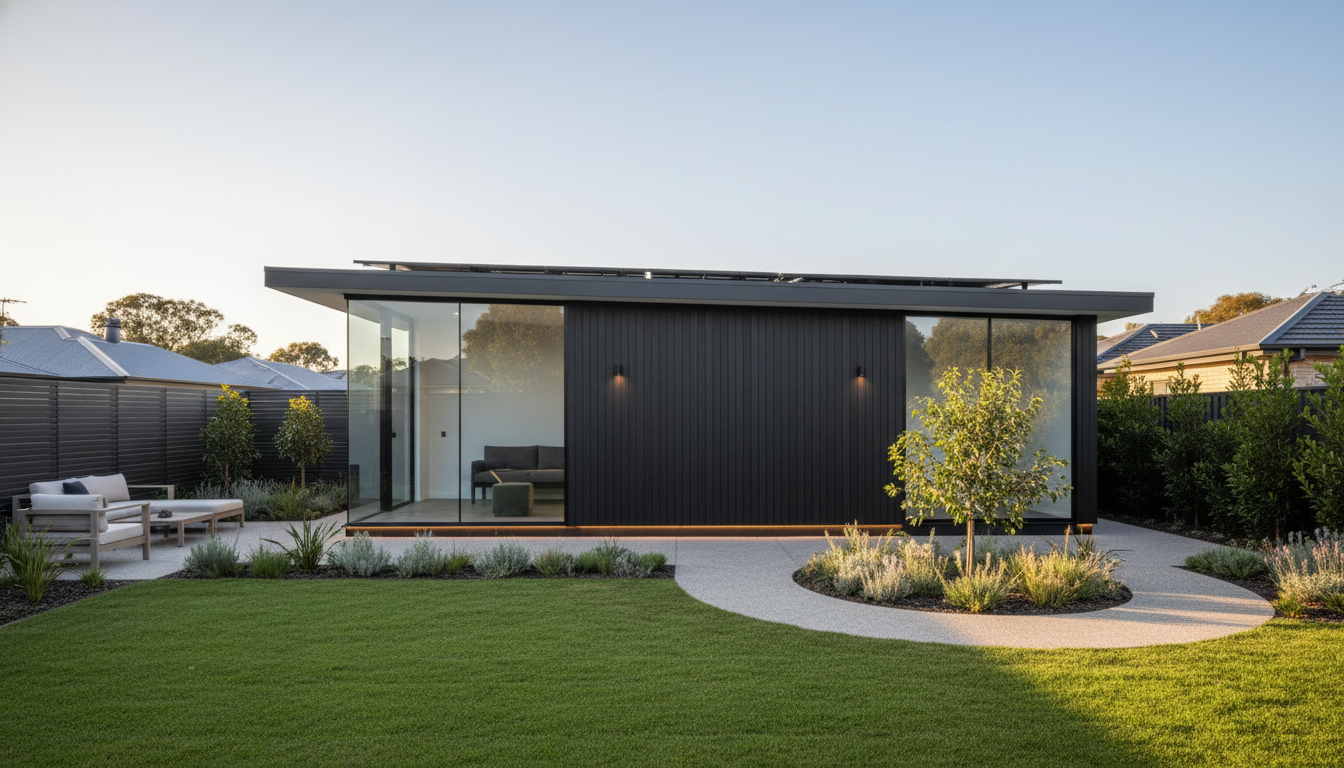
Architectural garden sheds distinguish themselves by transcending mere functionality—they combine form and function through thoughtful design principles and material choices tailored to contemporary tastes. In Australia, “modern” sheds often feature clean lines, minimalist profiles, and integration with landscape architecture that strategically enhances outdoor spaces.
Key design elements include geometric shapes, expansive glazing for natural light, and innovative shed sides like timber panels or curtain walls that add texture and depth. Unlike traditional sheds defined by purely utilitarian forms, architectural sheds embrace aesthetic principles common in residential architecture.
Key Characteristics of Contemporary Storage Sheds
Contemporary storage sheds typically showcase:
- Clean, angular silhouettes often with flat or skillion roofs
- Material contrasts, such as combining timber panels with Colorbond steel cladding
- Large glazing panels or translucent zones to enhance light permeability
- Modularity and adaptability for multifunctional uses
- Smart ventilation and lighting systems embedded within structure
These features help create dynamic garden buildings that serve as storage, working studios, or outdoor retreats, reflecting Australian outdoor living preferences.
The Rise of Modern Garden Sheds in Australian Outdoor Living Spaces
In 2025, these sheds have become vital components of landscape design, no longer hidden away but posed as design focal points. Australian homeowners value modern garden sheds for their ability to complement native landscaping, provide weather-resistant storage, and serve as flexible spaces enhancing outdoor lifestyle.
Recent construction data from the Australian Building Codes Board indicates a steady increase in council-approved architectural shed permits in metropolitan areas, mostly driven by demand for visually appealing adds-on that avoid the bulky presence of traditional sheds.
Distinguishing Modern Sheds from Traditional and Rustic Styles
Traditional sheds, often timber framed and weatherboarded, prioritise pragmatism over aesthetics. Rustic sheds lean heavily into natural wood textures and nostalgic forms. In contrast, modern sheds emphasise minimalism, integration with home style, and use of advanced materials such as Colorbond steel and high-performance glazing systems. This architectural focus allows them to blend effortlessly with contemporary homes and gardens while adhering to strict Australian standards for durability and safety.
With this foundational understanding, let’s explore the design trends and aesthetic innovations defining modern storage sheds in 2025.
Design Trends and Aesthetic Innovations Shaping Modern Storage Sheds in 2025
Emerging Architectural Shed Design Concepts
- Skillion and Flat Rooflines: Favoured for their sleek profiles and compatibility with rainwater harvesting systems common in sustainable designs.
- Mixed Material Facades: Combining Colorbond steel panels with timber cladding or glass sections to create texture contrasts and visual interest.
- Indoor-Outdoor Flow: Designs incorporating large sliding glass doors and window walls to link shed interiors with surrounding gardens.
- Passive Ventilation and Daylighting: Roof vents, operable windows, and translucent panels enhance air circulation and reduce reliance on artificial lighting.
- Minimal Footprints: Maximising storage in compact forms that integrate modular flexibility for evolving uses.
Awning sheds with Colorbond cladding and garaport designs offer versatile architectural alternatives — see our Awning Shed Guide Australia for more.
Innovative Shed Sides: Materials, Cladding & Glass Features
| Material / Feature | Appearance & Architectural Benefit | Functional Advantage |
|---|---|---|
| Colorbond Steel Panels | Clean, uniform finish with diverse colour palette and texture options | Durable, corrosion resistant, ideal for Australian climate zones |
| Timber Cladding (e.g., treated hardwood panels) | Natural warmth, varied grain, organic aesthetic contrast to steel | Renewable resource, good insulation, requires periodic maintenance |
| Glass and Glazing | Transparency fosters light-filled interiors, enhances modern look | Improves visibility and connection to garden; usage of double glazing reduces heat transfer |
| Composite Panels | Combines materials for unique textures and finishes | Balance of thermal performance and low maintenance |
Colour, Texture, and Finish: The Role of Colorbond Steel and Timber Panels
Colorbond steel remains Australia’s premier choice for modern sheds due to its extensive palette including natural tones like Woodland Grey and contemporary Greyscale hues. Its matte and textured finishes allow for customization aligned with garden landscaping.
When paired with timber, especially sustainably sourced native species, sheds gain a highly desirable interplay of hard and soft textures that resonate with Australian outdoor aesthetics. Finishes often use natural oils or exterior stains to achieve weather-resistant coatings while preserving timber’s tactile quality.
Integration of Smart Features: Ventilation, Lighting, and Modularity
- Smart Ventilation: Automated louvers or solar-powered vents regulate airflow based on temperature and humidity sensors to maintain optimum storage conditions.
- LED Lighting Systems: Energy-efficient, motion-activated lighting allows night-time use and security without excess energy cost.
- Modularity: Prefabricated panels and adjustable shelving options accommodate changing storage needs and enable future expansions or reconfigurations.
These elements increasingly define the premium modern storage shed, blending technological advances with architectural design for a seamless user experience.
Next, we’ll analyze how material choices influence style and sustainability within architectural garden sheds.
Material Choices and Their Impact on Style and Sustainability
Colorbond Steel: Australia’s Premier Cladding for Modern Sheds
Colorbond steel is favoured for its robust, weather-proof qualities and extensive colour range, providing architectural versatility. It carries BlueScope Steel’s warranties and meets Australian standards for durability against UV radiation and coastal corrosion. Explore more in our steel garden shed buyer’s guide Australia.
A CSIRO study in 2023 reported Colorbond cladding’s lifecycle emissions are significantly lower than comparable steel and aluminium products due to advanced manufacturing efficiencies, supporting sustainability goals of Australian builders.
Sustainable and Eco-Friendly Materials in Architectural Garden Sheds
Sustainability benchmarks including Green Star ratings encourage use of renewable timber, recycled composites, and energy-efficient design elements. Timber cladding sourced from certified plantations (e.g., FSC or PEFC certified) enhances environmental responsibility.
Advances in insulation materials such as sheep wool or recycled cellulose help maintain thermal comfort, reducing energy usage for any connected outdoor equipment or lighting as described in the insulated garden shed guide Australia.
Glass and Timber: Blending Transparency and Natural Elements
Architectural garden sheds benefit from high-performance glazing options including double or triple-glazed panels with low-E coatings, providing thermal breaks while maximising natural daylight. This transparency softens the shed’s visual mass and reinforces indoor-outdoor connections prized in Australian garden design.
Timber – when responsibly sourced and properly treated – balances structural integrity with environmental conscientiousness and provides tactile warmth often missing in metal-heavy installations.
Comparing Durability and Maintenance Among Modern Shed Materials
| Material | Durability | Maintenance Requirements | Sustainability Notes |
|---|---|---|---|
| Colorbond Steel | High resistance to corrosion and impact | Annual cleaning recommended; minimal painting needed | Recyclable, long lifespan reduces replacement impact |
| Timber Panels | Moderate; susceptible to weathering without treatment | Periodic sealing/staining every 1-2 years | Renewable when certified; biodegradable |
| Glass | High structural lifespan; vulnerable to impact | Regular cleaning; potential replacement for damage | Recyclable; energy-intensive manufacture |
| Composite Panels | Good resistance to weather and wear | Low; occasional cleaning | Varies; may include recycled content |
Understanding these trade-offs assists buyers in selecting materials balancing aesthetic, budget, and long-term sustainability goals. For detailed comparisons, see our timber frame vs Colorbond garden shed guide Australia.
Compliance and safety considerations form the next critical area for prospective shed buyers.
Compliance, Safety, and Practical Considerations for Australian Buyers
Navigating Council Approvals and Building Codes
Australian local councils require permits for many garden sheds based on size, location, and construction type. Architectural sheds often trigger scrutiny due to their prominent design and sometimes larger footprints.
Key steps include:
- Consulting your local council’s planning requirements early in the design phase.
- Ensuring your shed complies with restrictions on height, setbacks, and total site coverage.
- Incorporating energy efficiency and stormwater management where mandated.
For larger or barn-style storage needs, see our detailed guide on barn sheds in Australia which also covers design options and approval processes.
Understanding Australian Wind Rating Standards (AS/NZS 1170.2)
The AS/NZS 1170.2 standard specifies wind load requirements critical to architectural sheds exposed to strong coastal or inland winds. Compliance ensures structural resilience, preventing damage or failure.
Manufacturers usually provide wind rating certificates; buyers should verify these conform to local climatic categories.
Size Recommendations for Architectural and Functional Garden Sheds
Sheds sized between 6m² to 18m² commonly balance functional capacity with council acceptability in many Australian jurisdictions. Popular options include 10×10 Colorbond garden sheds and those sized to match the footprint of common landscaping features.
Consider how the shed’s size integrates visually and functionally within your garden layout.
The well-sized 3m x 3m garden shed pricing and specs offer another popular modern storage solution.
Understanding building approvals and costs is critical as highlighted in our detailed review of 12 x 8 Colorbond shed guidelines.
Installation and Maintenance Insights for Contemporary Storage Sheds
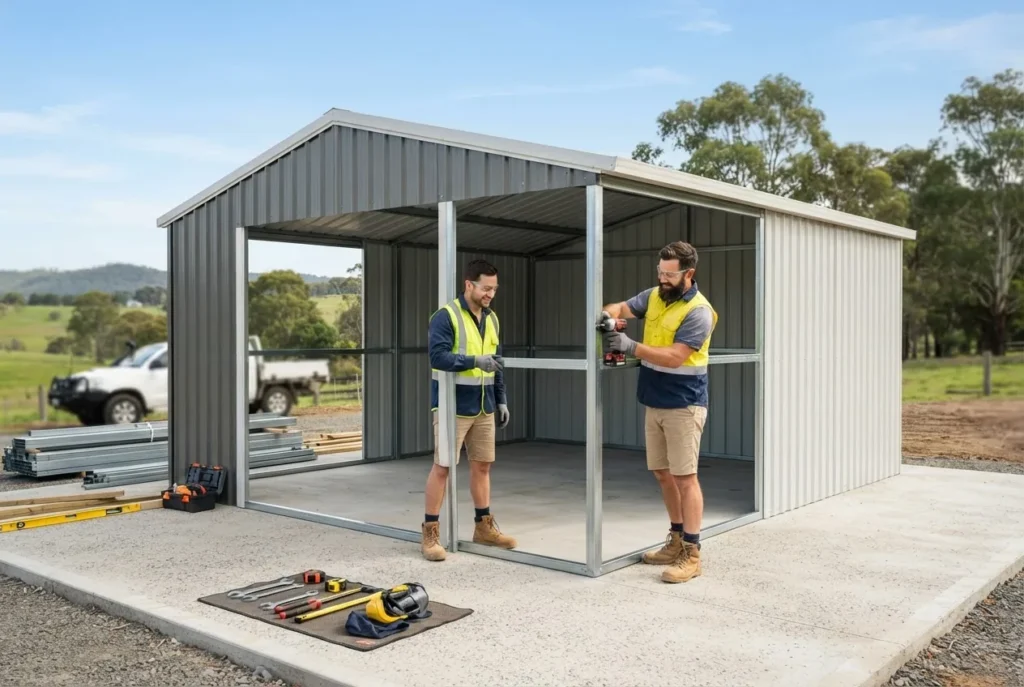
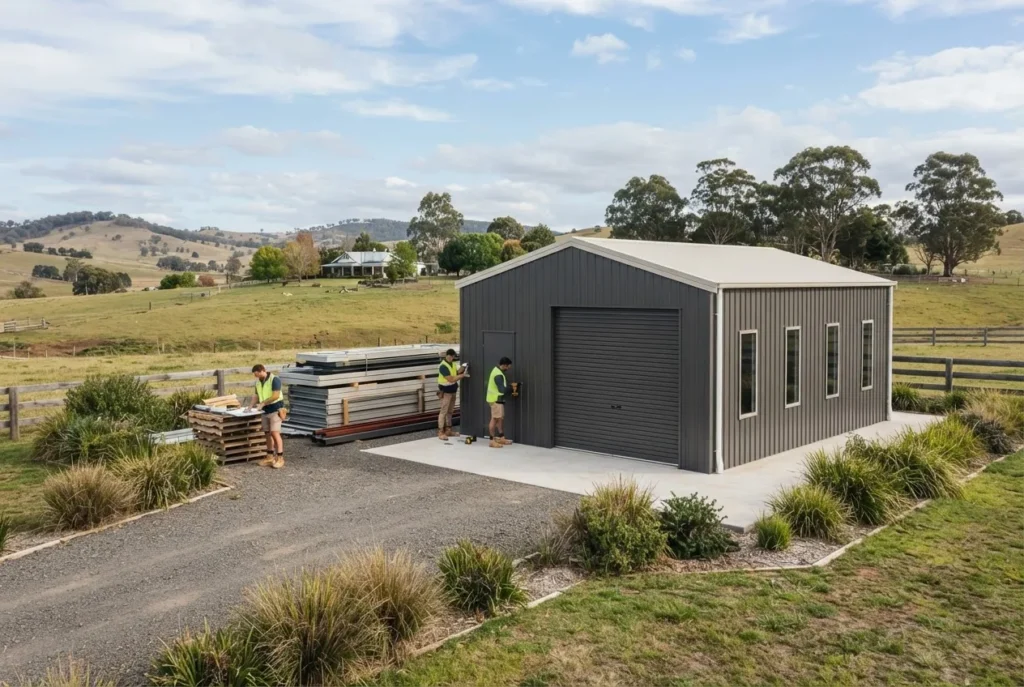
- Professional installation is advised to safeguard warranty and ensure compliance, especially for custom, glazed, or modular designs.
- Foundations must be level and appropriate for local soil and conditions; options include concrete slabs or compacted gravel pads — see our concrete floor specifications for garden sheds for best practices.
- Maintenance varies by material but typically includes color maintenance for Colorbond steel and timber sealing.
Proper upkeep extends lifespan and maintains the shed’s architectural appeal.
Proper installation affects both compliance and durability; our garden shed installation guidelines in Australia provide expert tips.
Transitioning from compliance, let’s explore how to enhance your garden environment with these modern storage solutions.
Enhancing Your Garden with Modern Storage Sheds: Landscaping and Integration Ideas
Architectural Garden Sheds as Garden Focal Points
Modern garden sheds can serve as striking focal points when placed strategically. Using contrasting materials or bold colours helps them stand out or complement existing garden structures.
Architectural elements such as cantilevered roofs or embedded planter boxes seamlessly tie sheds into green environments, achieving harmony between hardness and softness in the landscape.
Incorporating Modern Sheds into Various Australian Garden Styles
Whether your garden showcases native xeriscaping, coastal themes, or formal geometric layouts, there are ways to integrate contemporary sheds effectively. For example, pairing Colorbond steel in Woodland Grey with native grasses and stone pathways complements bushland settings.
Compact sheds like 2m x 2m Colorbond garden sheds fit well in minimal urban backyards, maintaining open space without sacrificing storage.
Using Sheds for Multi-Functional Outdoor Spaces Beyond Storage
Garden sheds increasingly function as hobby workshops, remote offices, or wellness rooms. Design features such as insulated panels, integrated power, and natural ventilation support these uses. Modern garden sheds are being reimagined as personal retreats, such as ‘man caves’; find detailed insights in our Man Cave Shed guide.
Modern garden sheds create possibilities for lifestyle enhancement, transforming gardens into year-round retreats.
Lighting and Surroundings: Creating Cohesive Outdoor Aesthetics
Thoughtful lighting design enhances both functionality and visual appeal. Incorporate LED strip lighting along shed sides, solar-powered garden lights, and up-lighting on architectural facets.
Landscaping elements like pergolas or water features adjacent to sheds can frame these structures as central artful components of the backyard.
For more ideas on maximising outdoor storage functionality, explore our storage shed ideas in Australia guide.
Next, we review trusted Australian shed manufacturers and suppliers to help facilitate your purchase decision.
Where to Buy: Trusted Australian Shed Manufacturers and Suppliers in 2025
Overview of Leading Modern Shed Suppliers (Better Sheds, Steel Sheds Australia, etc.)
- Better Sheds: Known for architectural consultations and custom modern sheds with extensive Colorbond steel options. See more in the Better Sheds reviews for Australian garden sheds.
- Steel Sheds Australia: Offers modular and bespoke contemporary steel sheds with compliance guarantees.
- Local bespoke studios: Many architects now specialise in garden shed design, offering tailor-made solutions integrating smart features.
For comprehensive pricing and design insights on barn sheds, visit our pillar resource Barn Sheds Australia: Prices, Council Approvals, Colorbond vs Zincalume, and Design Options.
For specific regional suppliers and custom options, check out our Garden Sheds Mornington guide.
Customization Options and Architectural Consultation Services
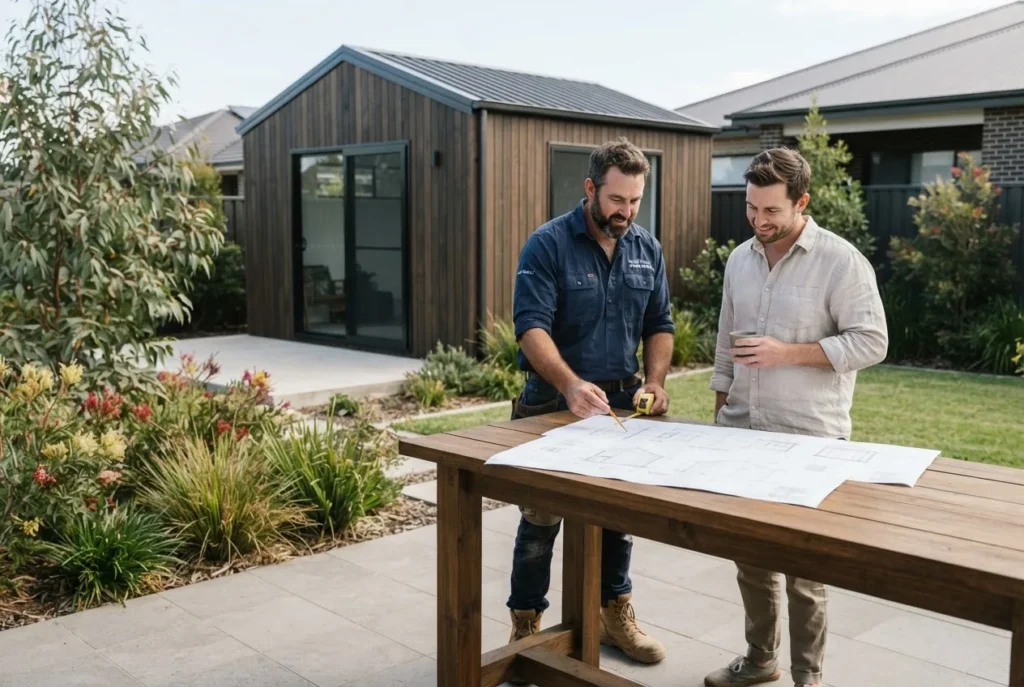
Most leading suppliers provide tailored design consultations balancing aesthetic requests with compliance and site constraints. Custom elements include:
- Material and cladding choices
- Dimension and modular expansions
- Smart system integration
- Colour matching and accessory fit-outs
Evaluating Warranty, Support, and Delivery Terms
Purchase terms differ widely; comprehensive warranties, installation support, and clear delivery timelines are signs of reputable suppliers. Always check for manufacturer certifications and after-sales service capabilities.
Online vs. In-Person Buying Experiences: What to Expect
Many buyers prefer showroom visits for tactile material assessment and design discussions, while others leverage online configurators for convenience. Balancing both channels often yields optimal outcomes.
Cost and Value: Budgeting for a Modern Architectural Garden Shed in Australia
Typical Price Ranges for Contemporary Storage Sheds in 2025
Prices vary depending on size, materials, and additional features:
| Shed Size | Estimated Price Range (AUD) | Notes |
|---|---|---|
| Small (up to 6m²) | $2,500 – $5,000 | Ideal for compact storage or garden tools |
| Medium (6m² – 12m²) | $5,000 – $10,000 | Multi-use sheds with modest architectural detailing |
| Large (12m² – 18m²+) | $10,000 – $20,000+ | Customised, feature-rich designs with premium materials |
Features That Influence Cost: Materials, Size, and Extras
- Material selection: Premium timber cladding or glazing increases cost over standard Colorbond steel.
- Smart features: Automated ventilation, integrated lighting, or IoT connectivity add upfront costs but improve usability.
- Custom dimensions and complex designs: Larger or irregular footprints may require bespoke engineering.
Balancing Investment with Design and Functional Value
While initial outlay can be significant, well-chosen architectural sheds provide value through:
- Enhanced aesthetics boosting property appeal
- Durability reducing maintenance/replacement costs
- Flexible spaces supporting evolving lifestyle needs
For those requiring more spacious solutions, our detailed 10 x 20 Colorbond steel sheds guide covers costs and design options extensively.
Potential Long-Term Savings Via Sustainability and Durability
Investing in eco-certified materials and quality installation reduces ongoing energy costs and replacement frequency. Green building incentives occasionally offset initial premiums.
Our next section examines how buyers can future-proof their investments amid evolving trends.
Future-Proofing Your Modern Shed: Trends and Technologies to Watch
Smart Storage Solutions and IoT Integration in Garden Sheds
- Climate-controlled environments with sensors managing humidity and temperature
- Security systems with remote monitoring via smartphone apps
- Automated lighting and ventilation adapting to occupancy and weather conditions
Modular and Expandable Designs for Growing Needs
Designs enabling easy addition of rooms, storage pods, or outdoor decks ensure long-term usability. Modular systems use prefabricated panels for on-site adaptability.
Innovative Cladding and Finishing Technologies
Emerging materials combining recyclability with enhanced insulation and self-cleaning surfaces offer durability and sustainable advantages.
Sustainability Advancements and Green Building Certifications
Increasingly, buyers are seeking sheds certified under schemes such as Green Star or the National Australian Built Environment Rating System , ensuring adherence to strict environmental benchmarks and future regulations.
Authoritative guidance from the Australian Steel Institute and the Australian Green Building Council is driving innovation in design and construction methods.
Having covered forward-looking features, let’s answer common buyer questions.
FAQ: Addressing Common Buyer Concerns on Modern Storage Sheds in Australia
How do architectural garden sheds improve garden aesthetics?
Architectural sheds use well-considered forms, materials, and finishes to complement garden design, often becoming a feature rather than a hidden utility. Strategic use of glazing and landscaping connections enhances visual appeal, creating harmony within outdoor spaces.
What are the best materials for Australian climates?
Colorbond steel offers excellent resistance to UV radiation and corrosion, suitable for coastal and inland environments. Treated timber cladding adds aesthetic warmth but requires maintenance for weather protection. Glass with thermal coatings supports energy efficiency in varied climates.
How to ensure compliance with local council regulations?
Early consultation with local council planning departments and adherence to size, height, and placement restrictions are key. Establish if a permit is required and request certified designs that include wind rating compliance (AS/NZS 1170.2). For larger or barn-style sheds, refer to our barn sheds in Australia guide for detailed advice.
What maintenance does a modern shed typically require?
Maintenance depends on materials but generally includes cleaning Colorbond steel panels, sealing timber cladding every 1-2 years, checking glazing seals, and ensuring gutters and ventilation paths remain clear. Smart systems should be inspected periodically.
Can modern sheds be customized to blend with specific garden styles?
Absolutely. Many suppliers offer bespoke design and colour consultations to harmonize sheds with native gardens, coastal or urban styles. Elements such as planter boxes, integrated lighting, and cladding textures are adapted per garden character.
This concludes our authoritative guide to modern architectural garden sheds for Australian buyers in 2025. For tailored advice, see the Australian garden shed buyer’s guide, which covers comprehensive material, pricing, and compliance essentials.
Investing in a modern storage shed blends smart design, practical storage, and outdoor living enhancement—ensuring your Australian garden remains stylish and functional for years to come.
Frequently Asked Questions
What defines a modern storage shed compared to a traditional garden shed?
A modern storage shed features clean lines, minimalist design, and uses materials like Colorbond steel and high-performance glazing. Unlike traditional sheds, it integrates architectural aesthetics with functionality, blending seamlessly with contemporary outdoor spaces and enhancing garden appeal.
How do Colorbond steel and timber cladding compare for shed sides?
Colorbond steel offers durability, corrosion resistance, and low maintenance, ideal for Australian climates. Timber cladding provides natural warmth and insulation but requires more upkeep, including regular sealing or staining to protect against weathering.
Which smart features are increasingly used in modern garden sheds?
Modern sheds often include automated ventilation systems, energy-efficient LED lighting, and modular shelving. Some integrate IoT sensors for climate control and security, enhancing convenience and protecting stored items.
Why is modularity important in contemporary storage sheds?
Modularity allows adaptable configurations, enabling users to expand or reconfigure storage space easily. This flexibility supports evolving needs, multifunctional uses, and simplifies installation and future upgrades.
When should Australian homeowners seek council approval for a modern storage shed?
Council approval is typically required for sheds exceeding size limits, altered setbacks, or distinctive architectural features. Early consultation with local planning departments ensures compliance with zoning, height, and footprint regulations.
Can modern garden sheds be used for purposes beyond storage?
Yes, modern garden sheds often serve as workshops, remote offices, or outdoor retreats. Insulation, ventilation, and integrated power allow comfortable, year-round use in versatile applications.
How does glass glazing enhance architectural garden sheds?
Glazing increases natural light, connects the interior with outdoor spaces, and softens the structure’s visual mass. High-performance glass also improves thermal efficiency and supports sustainable design.
What are the cost differences between small and large architectural garden sheds?
Smaller sheds (up to 6m²) range from $2,500 to $5,000, suitable for basic storage. Larger sheds (12m² to 18m²+) cost $10,000 to $20,000+, reflecting increased size, premium materials, and architectural features.