

Choosing the perfect plastic garden shed in Australia means navigating a complex landscape of materials, sizing, regulatory compliance, and climatic challenges. This comprehensive guide unpacks everything you need to decide between resin and steel plastic sheds, understand sizing considerations, comply with council rules, and ensure your shed withstands Australian winds.
Overview of Plastic Garden Sheds in Australia
Definition and Popularity of Resin and Steel Plastic Sheds
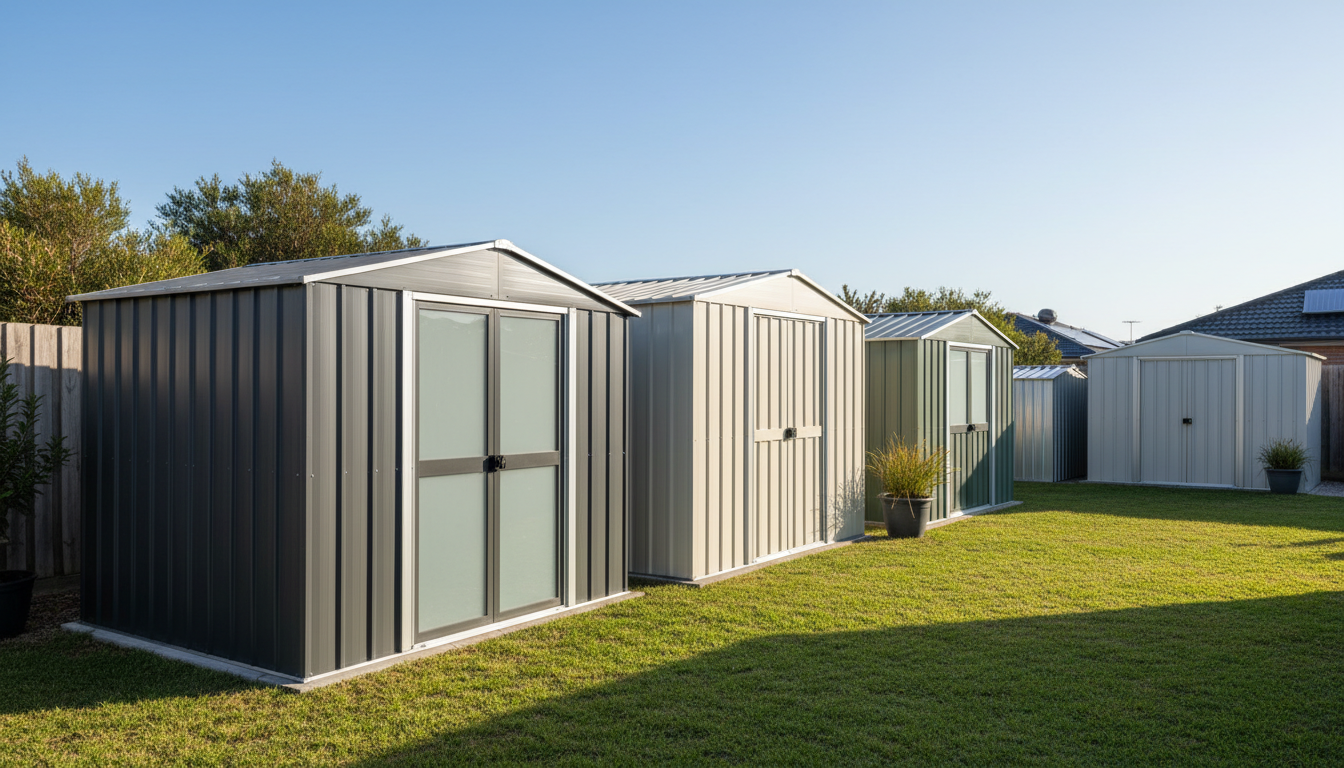
Plastic garden sheds in Australia commonly come in two primary materials: resin and steel plastic composites. Resin garden sheds are primarily molded from polyethylene or polypropylene resins, offering robust, weather-resistant storage solutions. In contrast, steel plastic sheds combine galvanized steel frameworks with plastic-coated panels or steel-plastic blends, balancing strength with corrosion resistance.
The rising popularity of these sheds stems from their lightweight design, low maintenance, and resistance to common issues like rust and rot affecting traditional timber sheds. Multiple manufacturers now supply a broad range of sizes catering to the coastal, tropical, and arid regions of Australia, recognising the material benefits aligned to specific climates. Plastic sheds also complement caravan shelter kits, which are popular in coastal and rural Australia for versatile outdoor storage. Caravan shelter kits.
Key Benefits of Plastic Sheds in Australian Gardens
- Weather resilience: Both resin and steel variants withstand UV radiation, humidity, and rain typical in Australian gardens.
- Low maintenance: Unlike timber, plastic sheds never require painting, staining, or treating, thus saving time and costs over their lifespan.
- Pest resistance: Termites and wood borers do not affect plastic sheds, enhancing durability especially in endemic zones.
- Easy assembly: Pre-fabricated sheds often come with straightforward installation kits suitable for DIY enthusiasts.
Market Trends and Availability Across Australian States and Territories
According to industry data collected in 2023 from Australian garden storage suppliers, resin sheds lead sales in NSW and Queensland due to their UV stability suitable for coastal areas, while steel plastics are prevalent in southern states like Victoria and Tasmania for enhanced structural strength amid varied weather. Major retailers stock multiple metric sizes to suit diverse garden footprints, responding to consumer preferences for flexible indoor-outdoor storage solutions.
These trends highlight the growing consumer demand for weather-proof, sustainable storage options, reinforcing the importance of understanding the material and regulatory factors unique to the Australian market before purchase.
With these fundamentals established, let’s delve deeper into the resin vs steel material comparison and performance under Australia’s unique climate conditions.
Resin vs Steel Plastic Garden Sheds: Material Comparison and Performance
Material Composition and Manufacturing Processes
Resin garden sheds utilize high-density polyethylene (HDPE) or polypropylene resins processed via injection molding or rotational molding techniques. These processes create hollow, rigid panels that interlock, offering strong yet lightweight structures. Pigments and UV stabilizers are incorporated to resist fading and brittleness from prolonged sun exposure.
By contrast, steel plastic sheds consist of a galvanized steel frame coated with a polymer layer or panels where steel substrates are encased in plastic composites. These blends combine the tensile strength of steel with plastic’s protection from corrosion. The manufacturing often includes powder coating and anticorrosion treatments to extend lifespan in humid or coastal environments.
Choosing between outdoor storage cabinets made from plastic or steel is a crucial decision affecting durability and weather resistance. Outdoor storage cabinets often reflect similar material choices and maintenance concerns.
Durability under Australian Climate Conditions (UV, heat, humidity, corrosion)
| Aspect | Resin Sheds | Steel Plastic Sheds |
|---|---|---|
| UV Resistance | High; incorporated UV stabilizers prevent colour fading and material degradation for 10+ years | Moderate to high; polymer coatings resist UV but steel may corrode if coating is scratched |
| Heat Endurance | Excellent; polymers tolerate temperatures up to 60°C before deformation risks arise | Excellent; steel frame maintains integrity; plastic coating may soften at extreme heat |
| Humidity & Moisture | Non-porous, resists absorption and mould growth | Steel frame prone to corrosion in high humidity unless well-coated; plastic layers reduce risks |
| Corrosion Resistance | Resistant to rust and corrosion | Highly dependent on coating integrity; damaged coatings can lead to rust |
Maintenance Requirements and Longevity
Resin sheds require minimal maintenance—occasional cleaning with soap and water suffices to remove dirt and moss accumulation. A UV protective spray may be recommended after 5-7 years to prolong finish quality. Painted resin panels are rare, reducing repainting needs.
Steel plastic sheds need regular inspection for coating chips or scratches that expose steel to rust. Minor corrosion repaired early with rust inhibitors can prevent structural damage. The polymer coating generally protects against fading, but abrasive cleansers should be avoided.
On average, resin sheds last 15-20 years with minimal upkeep, while steel plastic sheds, properly maintained, can reach 20-25 years.
Cost Comparison and Value for Money
| Cost Factor | Resin Sheds (AUD) | Steel Plastic Sheds (AUD) |
|---|---|---|
| Initial Purchase | $700 – $2,200 (medium sizes) | $850 – $2,500 (medium sizes) |
| Installation | Lower (lighter weight) | Moderate (heavier, more anchoring needed) |
| Maintenance (annual avg.) | $10-$30 (cleaning) | $50-$100 (inspection & touch-ups) |
| Longevity (years) | 15-20 | 20-25 |
While resin sheds have lower upfront costs and maintenance, steel variants offer longer structural durability. Buyers should weigh initial price against expected lifespan and upkeep costs.
Warranty and Compliance Certifications Relevant to Australian Standards
Most Australian retailers offer warranties of 5-10 years for resin sheds and up to 15 years for steel plastic models, often including UV and corrosion coverage. Compliance certification for plastic sheds typically references local standards aligned with Australian Standards and AS/NZS 1170.2 for structural wind rating.
Buyers should verify manufacturer compliance certificates stating adherence to these standards to ensure legal and safety requirements are met, especially when applying for council approval.
Our detailed comparison includes insights from Lifetime Sheds Australia, covering steel versus plastic materials and compliance issues. Lifetime Sheds Australia steel vs plastic comparison.
Now that we have a firm grasp of materials, let’s explore how to determine the correct size for your plastic garden shed.
Garden Shed Sizing Guide for Australian Residential Gardens
Standard Metric Sizing Options for Resin and Steel Plastic Sheds
Plastic garden sheds are commonly available in standard metric sizes suited for backyard spaces ranging from compact 1.2m x 1.2m units to larger 3m x 4m footprints. Resin sheds tend to target the smaller to mid-size range due to manufacturing limits on panel sizes, while steel plastic sheds offer larger modular designs.
How to Determine the Right Shed Size for Your Garden Space
- Measure available garden space, accounting for clearance from fences and pathways.
- Consider intended use — general storage needs, workbench room, or garden tool storage impact size.
- Factor in local council restrictions on shed size and placement (typically max 10m2 footprint without approval).
- Plan for door and ventilation access, especially important for larger sheds to avoid cramped interiors.
For common metric dimensions, sheds like the 10×10 Colorbond garden sheds offer standardized sizing options in Australia. 10×10 Colorbond garden sheds in Australia. Larger garden sheds such as the 10 x 20 Colorbond steel sheds provide extensive storage solutions and are discussed in detail in our sizing guides. 10 x 20 Colorbond steel sheds.
Sizing Flexibility and Customization Options for Plastic Sheds
Many manufacturers offer modular resin panels or steel frames allowing minor size customisations. Resin sheds may allow added shelving attachments, while steel plastic options can be expanded with additional wall panels or attached awnings. However, extensive customisation often requires additional certification for council approval.
For specialized shade and awning sheds designed alongside plastic options, see our Awning Shed Guide Australia for installation and council requirements. Awning Shed Guide Australia.
Impact of Size on Council Approval and Wind Rating Considerations
Shed dimension thresholds significantly affect council approval requirements. Typically, sheds under 10 square meters and below 2.4 meters in height may be exempt from permits, but this varies between states. Larger sheds or those in high wind zones trigger more rigorous engineering and certification, particularly concerning wind rating compliance.
With sizing guidance clear, it’s essential to understand the council approval frameworks specific to plastic garden sheds in Australia.
Navigating Australian Council Approval for Plastic Garden Sheds
Overview of Building Regulations Affecting Plastic Sheds
Australian building regulations classify garden sheds as ‘outbuildings,’ subject to state and local council codes detailing size limits, material standards, and structural safety requirements. Plastic sheds fall under these rules but may encounter additional scrutiny around wind resistance and fire safety in vulnerable areas.
Plastic sheds also complement caravan shelter kits, which are popular in coastal and rural Australia for versatile outdoor storage.
State and Local Government Variations in Approval Processes
- NSW: Sheds under 10m2 and 2.4m height often exempt from permits but require compliance with the NSW Planning Portal guidelines.
- Queensland: The Queensland Development Code outlines specific wind region requirements; sheds in higher wind zones require certified anchoring.
- Victoria: Local councils may have stricter policies, especially in bushfire-prone zones, impacting plastic shed approvals.
Thresholds for Shed Size and Height Exemptions
The most common thresholds observed include:
- Footprint less than or equal to 10m2 without impacting setbacks
- Maximum height of 2.4 meters from ground level
- Non-permanent foundations (vermin control measures required for some councils)
Exceeding these thresholds typically triggers a Development Application (DA) or Building Permit requirement with engineering certification.
Required Documentation and Certification for Resin vs Steel Sheds
Manufacturers of steel plastic sheds often provide engineering certificates demonstrating structural compliance and wind rating certification, essential for council submissions. Resin shed suppliers typically certify UV resistance and basic structural integrity but may lack detailed certification on wind load unless custom engineered.
Tips to Expedite Approval and Compliance Checks
- Engage with local council early to clarify required documentation for your shed material and size.
- Confirm manufacturer compliance certificates meet council and Australian standards.
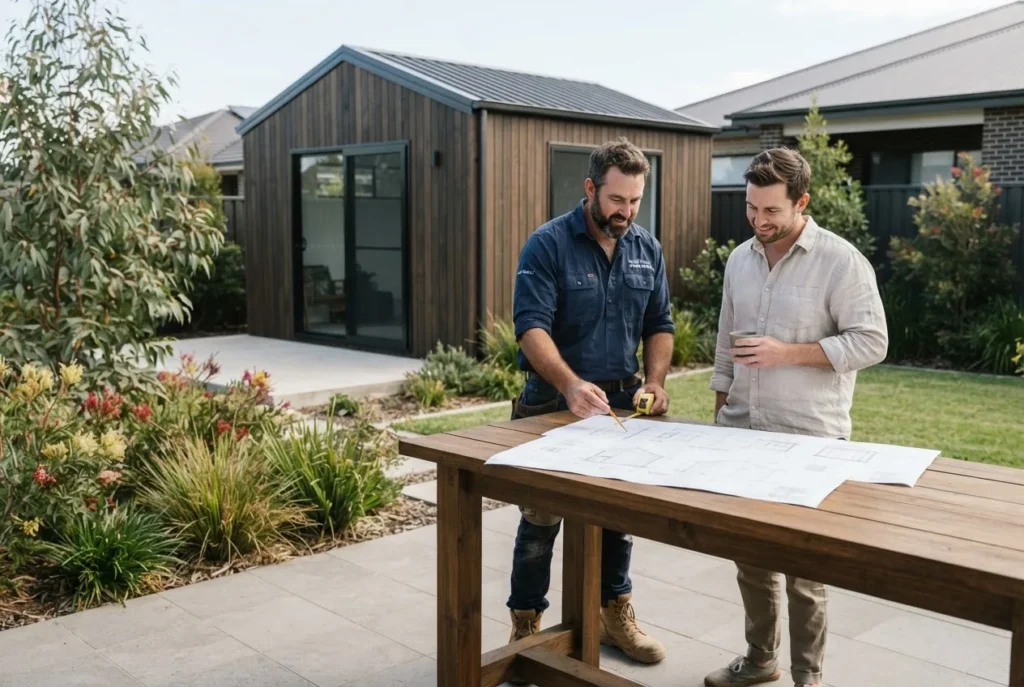
- Prepare detailed site plans, including shed placement, foundation type, and anchoring methods.
- Consider professional assistance for larger or high-wind zone sheds to avoid delays.
Understanding council approval nuances is critical, as outlined in guides for popular sizes like the 12 x 8 Colorbond shed. 12 x 8 Colorbond shed council approval process.
Next, we examine how Australian wind rating standards affect plastic garden shed selection and safety.
Wind Ratings and Structural Safety Standards for Plastic Garden Sheds in Australia
Summary of Australian Wind Rating Standards (AS/NZS 1170.2)
The AS/NZS 1170.2:2021 standard provides a nationally recognised framework for wind action design, categorising Australia’s diverse climates into wind zones. Sheds must be designed and anchored to withstand specified wind pressures to ensure safety and council compliance.
Understanding Wind Zones and Their Impact on Shed Selection
Australia is divided into wind regions ranging from A (low risk, inland) to D (cyclone-prone coastal regions). Plastic sheds installed in zones C and D require higher wind ratings and anchoring. Coastal homes face additional risks of salt-laden air, increasing corrosion concerns for steel plastic sheds unless properly treated.
Comparative Wind Resistance of Resin vs Steel Plastic Sheds
| Aspect | Resin Sheds | Steel Plastic Sheds |
|---|---|---|
| Structural Rigidity | Good but flexible panels may deform under extreme wind | Higher structural integrity due to steel frame |
| Anchoring Compatibility | Requires specific ground anchors designed for plastic bases | Steel frames allow bolting directly to concrete or timber bases |
| Wind Zone Suitability | Best suited to zones A-B; specialist designs exist for C | Engineered to comply up to zone D (cyclone rated options available) |
For high wind zones, cyclone rated garden sheds provide enhanced structural safety, as detailed in our dedicated guide. cyclone rated garden sheds designed for Australian wind zones.
Anchoring and Foundation Requirements for Different Wind Zones
In low wind zones, plastic sheds can be supported on compacted gravel pads with chemical ground anchors. High wind zones necessitate reinforced concrete slabs with embedded anchor bolts, particularly for steel plastic sheds. Council-approved anchoring systems must be used to maintain warranty validity.
Coastal vs Inland Considerations for Wind and Corrosion Resilience
- Coastal areas need steel plastic sheds with marine-grade powder coatings and sacrificial zinc layers.
- Resin sheds in coastal regions should include UV-stabilizers and avoid exposure to abrasive salt spray.
- Inland high wind zones focus more on anchoring and reinforcement rather than corrosion resistance.
Understanding wind standards and site-specific factors ensures long-term durability and safety for your plastic garden shed under Australian conditions. Let’s now explore installation requirements tailored to both resin and steel plastic sheds.
Installation Requirements and Best Practices for Plastic Garden Sheds
Preparing Foundations Suitable for Resin and Steel Sheds
Proper foundation preparation is critical to comply with wind ratings and council conditions:
- Resin sheds: Usually installed on flat, well-drained compacted base materials such as crushed gravel or compacted sand. Concrete slabs may be used for larger resin sheds for added stability.
- Steel plastic sheds: Typically require concrete slab foundations with embedded anchor bolts or treated timber bearers fixed to concrete footings to meet structural compliance.
Refer to our detailed installation recommendations on concrete floor specifications and council compliance for garden sheds.
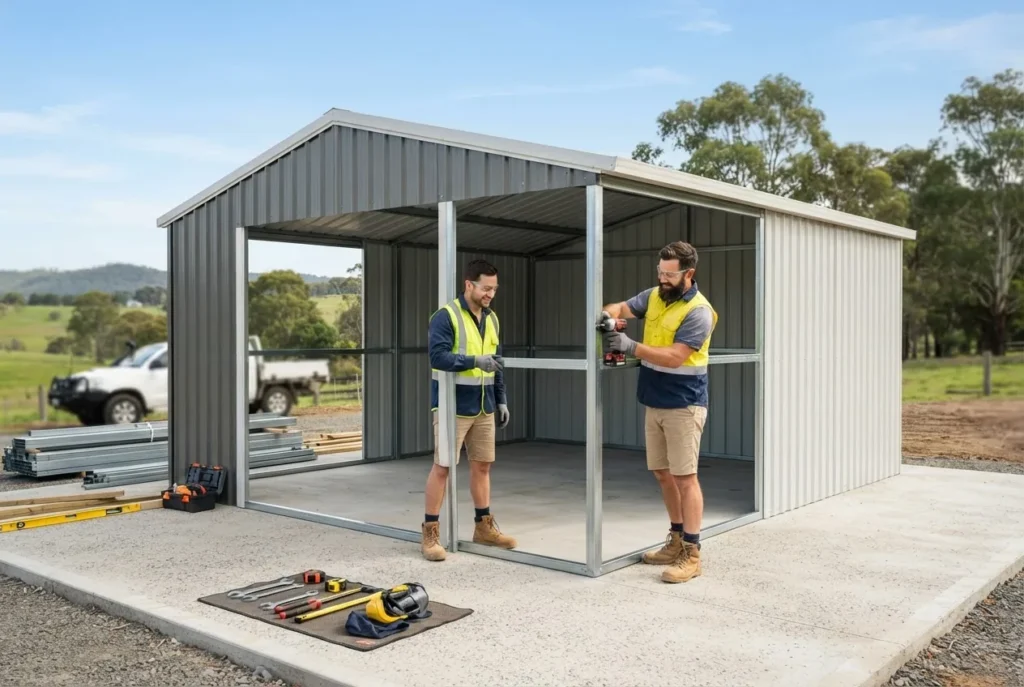
Step-by-Step Installation Overview with Material Differences
- Verify foundation levelness and dimensions meet manufacturer guidelines.
- Assemble the base frame (steel or plastic) ensuring corner connections are secured.
- Fit wall panels carefully, checking alignment for door and window framing.
- Install roofing panels last, sealing overlaps to ensure waterproofing.
- Anchor shed according to site-specific wind rating and local council requirements.
Installation methods and local regulation compliance play a major role, further detailed in our installation guide. garden shed installation and compliance best practices Australia.
Safety and Compliance during Installation
Wear appropriate protective gear when handling steel parts. Use manufacturer-supplied fasteners and anchoring kits exclusively to maintain warranty and compliance. Electrical wiring or internal shelving installation should follow Australian safety standards.
Maintenance Post-Installation to Ensure Longevity
- Regularly clear gutters and roof of debris to prevent water pooling.
- Inspect seals and joints for cracks, applying sealant as necessary.
- Check paint or powder coating integrity on steel plastic sheds annually.
- Clean resin panels with mild detergent to prevent mould and algae buildup.
Next, understand the critical cost factors and long-term financial value considerations.
Cost Implications and Long-Term Value Analysis
Initial Purchase Cost Breakdown: Resin vs Steel Plastic Sheds
Resin sheds typically cost 10-15% less upfront due to simpler manufacturing and lighter materials. Entry-level resin sheds suitable for basic storage start around AUD $700, while mid-sized steel plastic sheds with engineered frames start from AUD $850 upwards.
Cost considerations affect shed choice and installation, as explored in regional guides such as that for Adelaide. affordable garden shed options and council requirements in Adelaide.
Ongoing Maintenance and Repair Cost Forecasts
Resin sheds incur minimal ongoing costs, primarily cleaning and occasional UV-protective treatments costing under AUD $50 every few years. Steel plastic sheds may require rust treatment and recoating every 5-7 years, potentially costing AUD $100-200 per intervention.
Potential Resale and Durability-Based Cost Benefits
Steel plastic sheds hold better resale value owing to perceived sturdiness and compliance with higher wind ratings. Resin sheds depreciate quicker, especially if exposed to harsh sunlight without UV protection, but remain attractive for lightweight storage needs.
Impact of Warranty and Manufacturer Support on Cost Effectiveness
Longer warranties, particularly those covering corrosion and structural failure, reduce long-term risk for buyers. Steel plastic shed manufacturers often offer extended warranties of up to 15 years versus 7-10 years for resin units, reflecting durability differences.
Below summarizes the decision-making process.
Summary Comparison Table and Buyer’s Checklist for Choosing Plastic Garden Sheds in Australia
| Feature / Criteria | Resin Plastic Sheds | Steel Plastic Sheds |
|---|---|---|
| Material Durability | High UV stability, weather resistant | High structural strength, corrosion dependent on coating |
| Sizing Flexibility | Limited to medium/smaller sizes | Available in larger modular sizes |
| Council Approval Ease | Easier for smaller sizes under 10m² | More certifications available, better for large/high wind zones |
| Wind Rating Suitability | Best for zones A-B, some models up to C | Up to zone D, cyclone-rated options exist |
| Installation Complexity | Lower weight, simpler foundation | Requires concrete slab and bolted anchoring |
| Maintenance | Low, occasional cleaning | Moderate, needs coating inspections |
| Cost | Lower initial, lower maintenance | Higher initial, moderate maintenance |
| Warranty | 7-10 years | 10-15 years |
- Review local council requirements before choosing size and material.
- Select anchor and foundation types verified for local wind zones.
- Consider climate exposure: coastal vs inland affects material choice.
- Check manufacturer compliance certificates and warranty coverage in Australia.
- For a broader perspective on shed purchasing considerations across materials, see our comprehensive garden shed buyer’s guide Australia.
- Modern storage sheds often blend materials from plastic to steel, emphasizing design and compliance as discussed in our Modern Storage Shed guide. Modern Storage Shed.
Frequently Asked Questions (FAQs) and Unique Buyer Concerns about Plastic Garden Sheds
Common Compliance Issues and How to Avoid Them
Q: Do I always need a council permit for a plastic shed in Australia?
A: Not necessarily. Most councils exempt sheds under 10m² and 2.4m height, but always verify your local regulations, especially in high wind or bushfire-prone zones.
Troubleshooting Material-Specific Problems (e.g., Fading, Rust)
Q: My resin shed panels are fading—is this normal?
A: Fading occurs with UV exposure but can be reduced with protective sprays and regular cleaning. Severe fading after 10 years is typical of some budget models.
Q: How do I treat rust on a steel plastic shed?
A: Minor rust spots should be sanded and coated with rust-inhibiting primers and powder coatings. Regular inspection is key to prevention.
Clarifications on Warranty Terms and Council Interactions
Q: Will council-approved sheds impact my insurance?
A: Compliance enhances insurance claims eligibility for damage caused by weather or accidents. Always keep documentation.
Q: Can I relocate my plastic shed after council approval?
A: Typically yes, but check with local councils about new site requirements and re-approval if relocating outside original zones.
Environmental Considerations and Sustainability of Plastic Materials
Both resin and steel plastic sheds incorporate recyclable materials. Resin sheds often use recyclable polyethylene, but recycling rates depend on local facilities. Steel plastic sheds offer higher recyclability due to steel content but may require separation of materials. Consider lifespan and end-of-life disposal as part of your sustainable purchase decision.
For additional discussions on sustainability in plastic gardening products, refer to the Australian Plastics Recycling Association’s resources.
Choosing the right plastic garden shed for your Australian home blends material science, sizing practicality, regulatory compliance, and climatic considerations. With this detailed guide, you are equipped to confidently select a durable, compliant, and well-suited resin or steel plastic garden shed for years of reliable garden storage.
Browse quality options and learn more about installation and sizing by visiting our linked guides throughout this article to make an informed, compliant choice that suits your Australian garden needs.
Frequently Asked Questions
What are the key differences in installation between resin and steel plastic garden sheds?
Resin sheds typically install on compacted gravel or sand with simpler anchoring, while steel plastic sheds require concrete slab foundations with bolted anchors for structural stability, especially in high wind zones.
How does climate influence the choice between resin and steel plastic garden sheds in Australia?
Coastal and humid climates favour resin sheds for corrosion resistance, while steel sheds suit southern states and cyclone-prone areas due to higher structural strength and engineered wind rating compliance.
Why is council approval important for plastic garden sheds, and when is it required?
Council approval ensures compliance with local building codes for safety and environmental concerns. It is typically required for sheds larger than 10m², taller than 2.4m, or located in high wind or bushfire zones.
Can resin garden sheds withstand extreme Australian wind zones as well as steel plastic sheds?
Resin sheds are best suited for low to medium wind zones (A-B), with some designs up to zone C, but steel plastic sheds offer superior structural rigidity, suitable for zones up to D including cyclone-prone areas.
What factors affect the sizing flexibility of resin versus steel plastic garden sheds?
Resin sheds are generally limited to small and medium sizes due to manufacturing constraints, whereas steel plastic sheds offer larger modular options and custom expansions, supporting broader sizing flexibility.
Which material offers better long-term value between resin and steel plastic garden sheds?
Steel plastic sheds typically provide better long-term value through greater durability and longer warranties, while resin sheds offer lower initial cost and maintenance, ideal for budget-conscious buyers.
What is a plastic garden shed, and what materials are commonly used in Australia?
A plastic garden shed is an outdoor storage structure made primarily from resin (polyethylene or polypropylene) or steel-plastic composites, offering weather resistance and low maintenance suited to Australian conditions.
How do wind ratings influence the anchoring requirements for plastic garden sheds?
Higher wind zones require stronger anchoring: resin sheds use specialized ground anchors, while steel sheds need bolted concrete foundations to meet Australian wind rating standards and maintain warranty compliance.