

Potting sheds in Australia are essential havens for serious gardeners, blending practicality with style. This comprehensive guide dives deep into Colorbond ideas, costs, council approval nuances, and expert buying advice – all tailored specifically for your Australian garden.
Whether you’re designing a new potting space or upgrading your existing setup, understanding the distinctive benefits of Colorbond steel and local regulatory requirements is key. Prepare to explore design inspirations, detailed cost breakdowns, local council processes, and must-have features for functional potting sheds that thrive in diverse Australian climates.
Introduction to Potting Sheds in Australia
What Defines a Potting Shed vs. Other Garden Structures
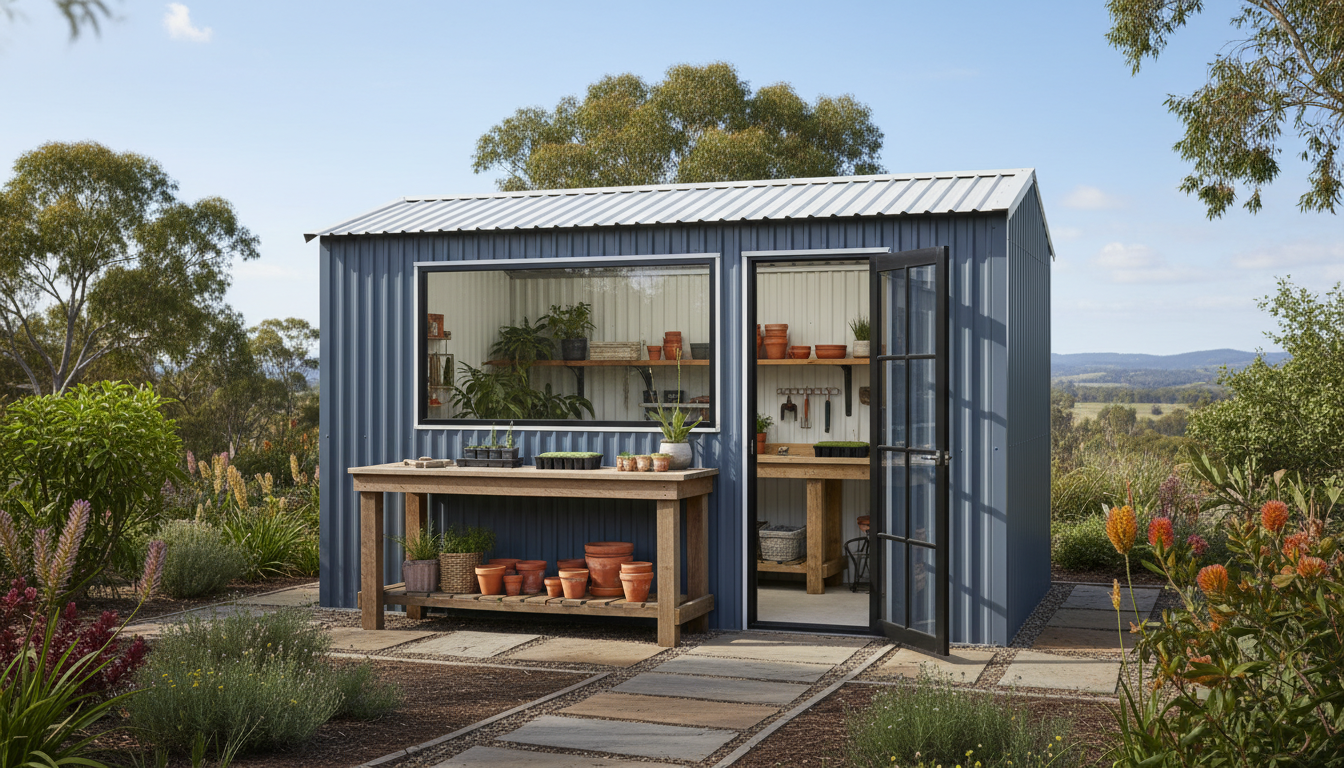
A potting shed is a specialized outdoor workspace dedicated primarily to plant potting, seed starting, and garden propagation tasks. Unlike general garden sheds which often focus on broad storage or workshop use, potting sheds emphasize workbenches, natural light, ventilation, and organised tool storage tailored to horticultural activities.
Australian potting sheds typically occupy smaller footprints, prioritizing ergonomic layouts to nurture plant health and enhance gardening productivity. Their function-driven design differentiates them from larger sheds used for equipment or vehicles.
Why Colorbond Steel is Ideal for Australian Potting Sheds
Colorbond steel, made by BlueScope Steel, is renowned across Australia for its weather resistance, durability, and extensive palette of colours suited to various garden aesthetics. Its UV resistance and corrosion protection make it particularly fitting against harsh Australian elements – from intense sun to coastal salt air.
For potting sheds, Colorbond offers more than just structural integrity. The choice of colour and finish influences interior temperature regulation, which can affect plant growth and comfort during prolonged gardening. This makes Colorbond an optimal material for gardeners needing a reliable, low-maintenance shelter that also complements their outdoor space.
Overview of this Guide and Who It’s For
This article targets Australian gardeners, hobbyists, and homeowners seeking to create or purchase a dedicated potting shed with Colorbond steel. You’ll gain insights to:
- Visualize Colorbond colour schemes harmonized with your garden
- Understand detailed cost factors including size, materials, and local labour
- Navigate state-specific council approval processes for steel sheds with clarity and confidence
- Maximise your shed’s function through smart ventilation, lighting, and potting bench layouts
- Choose, buy, and maintain a long-lasting Colorbond potting shed for your climate zone
Let’s start by exploring Colorbond steel design ideas and colours that enhance both form and function.
Colorbond Steel for Potting Sheds: Design Ideas and Color Options
Popular Colorbond Colors and Finishes Suitable for Potting Sheds
The Colorbond range offers over 20 colours classified under various finishes including Matt, Surfmist, and Metallic. Popular choices for potting sheds include:
- Woodland Grey: Neutral and natural, blends with foliage
- Deep Ocean: Rich navy providing a modern edge
- Surfmist: Light reflective, ideal for bright interiors
- Monument: Dark charcoal for contemporary style
- Eucalyptus: Earthy green tones complementing native gardens
Colorbond steel colour palettes and compliance compatibility ensures these options meet various aesthetic and regulatory standards across Australia.
Choosing between Colorbond and Zincalume steel is critical for durability and aesthetics; explore our detailed comparison on Colorbond vs Zincalume sheds in Australia for informed decision-making.
Matching Colorbond Palettes with Australian Garden Styles and Climates
Choosing a colour that suits your garden style and regional climate is crucial. In hot, sunny zones like Queensland, lighter shades such as Surfmist help minimise heat absorption, maintaining cooler shed interiors conducive to plant care. Cooler southern climates in Victoria or Tasmania may benefit from darker hues like Monument, which absorb heat and prolong warmth through cooler seasons.
Consider garden themes too — rustic cottages pair well with Woodland Grey or Eucalyptus, whereas modern urban gardens may embrace Deep Ocean or Monument for a sleeker look.
Functional Design Features Using Colorbond (e.g., UV resistance, weather-proofing)
Colorbond’s coating layers offer excellent UV resistance that prevents premature paint fade and material degradation even under the Australian sun. Weather-proof benefits seal against rain and wind, essential for potting sheds exposed to changing seasons.
Its lightweight yet durable steel supports flexible designs including skillion roofs for rain runoff, wide eaves for shade, and large window installations to maximise natural light – vital for healthy potting environments.
Incorporating Colorbond in Potting Bench and Tool Storage Areas
Colorbond steel sheets can be extended to create integrated potting benches, splashbacks, and secure tool storage cupboards within the shed, making cleaning easy and enhancing durability. Its corrosion resistance and rigidity ensure surfaces withstand dirt, moisture, and chemical exposure typical in potting tasks.
For more on comparing Colorbond with alternative steel materials, see our detailed comparison on Colorbond vs Zincalume sheds in Australia.
Next, we’ll break down the realistic costs you can expect when investing in a Colorbond potting shed in Australia.
Cost Breakdown: Understanding Potting Shed Expenses in Australia
Key Factors Influencing Potting Shed Costs (size, materials, labour)
Three primary drivers determine potting shed costs:
- Size: Standard potting sheds range from 3x3m to 4x4m, but prices rise exponentially with larger footprints due to material and labour scale.
- Materials: Colorbond steel costs more upfront than timber or corrugated iron but offers longer-term savings in maintenance and durability.
- Labour: Skilled installation rates vary by region – ranges from $50-$80 per hour depending on metropolitan or rural setting.
Comparing Costs of Colorbond Potting Sheds vs Traditional Materials
| Material | Approximate Cost per m² | Durability | Maintenance |
|---|---|---|---|
| Colorbond Steel | $400-$650 | High (20+ years) | Low (annual cleaning) |
| Timber | $350-$550 | Moderate (10-15 years) | Medium (treatments, repaint) |
| Corrugated Iron | $300-$500 | Moderate (10-12 years) | Medium-high (rust prevention) |
Note: Prices vary by supplier and region. Labor-intensive customisation (e.g., built-in benches) also adds to costs. According to a 2024 Australian Home Builders Association report, regional variations can cause price increases up to 15% in remote areas due to transport and skill scarcity.
Average Price Ranges by Region and Climate Zone
Typical turnkey Colorbond potting sheds prices in key states:
- NSW & ACT: $6,000-$9,000 – moderate climate reduces material stress
- VIC & TAS: $6,500-$9,500 – cooler climates may require extra insulation features
- QLD & NT: $7,000-$10,000 – tropical weather necessitates ventilation upgrades
- WA & SA: $6,000-$9,000 – arid conditions prioritise low-maintenance surfaces
Hidden and Ongoing Costs (maintenance, upgrades, council fees)
Consider additional expenses such as:
- Permit fees if council approval is required
- Routine cleaning and minor repairs
- Optional lighting, power outlets, or water connection installations
- Security upgrades (locks, alarms) if storing valuable tools
Transparent budgeting at planning stage prevents surprises. Now, let us guide you through the intricacies of council approvals for potting sheds across Australia.
Navigating Council Approvals for Potting Sheds in Australia
When Are Potting Sheds Exempt From Permits?
Often, small potting sheds under certain size thresholds and height limits qualify for exemption from building permits. Common exemption criteria include:
- Sheds under 10m² in floor area (varies by council)
- Height below 2.4 metres
- Non-habitable use (no plumbing or power connection)
- Located behind the primary dwelling
These exemptions lighten the regulatory burden. However, verifying with your local council is imperative.
Typical Approval Processes and Documentation Required
- Initial Inquiry: Contact your local council or check state planning portals for potting shed permit thresholds and policies.
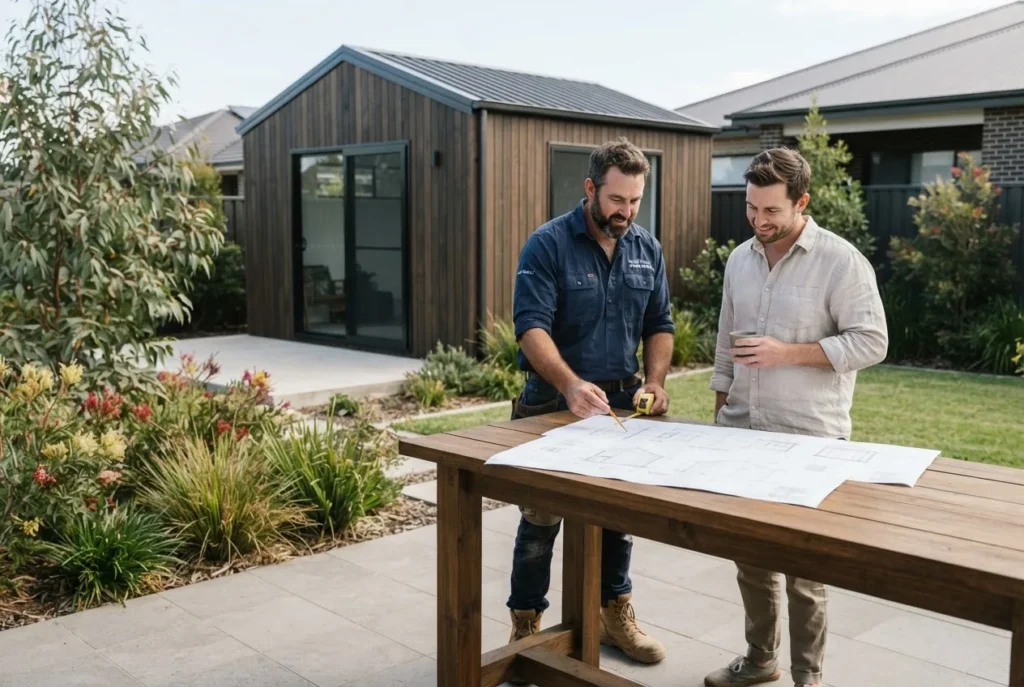
- Submit Application: Provide site plans, shed design specifications, and material details.
- Assessment: Council reviews compliance with building codes, neighbourhood covenants, and zoning laws.
- Permit Issuance or Refusal: Outcome communicated, possibly with conditions such as setbacks or colour restrictions.
- Inspection: Optional on-site inspections during or after construction to ensure compliance.
For an extensive understanding of council approval processes for steel sheds including comparisons between Colorbond and Zincalume sheds, see our comprehensive guide.
Variations by State and Local Council (examples from NSW, VIC, QLD)
- NSW: NSW Planning Portal exempts sheds under 10m²; permits required otherwise. Strict setback requirements apply.
- Victoria: Exemptions for sheds less than 10m², but local councils may have overlay restrictions for heritage or bushfire areas.
- Queensland: QLD Development Code permits outbuildings up to 10m² without a permit if in rear yards.
Property owners should always consult local regional policies due to variability.
Tips for a Smooth Approval or Exemption Pathway
- Prepare detailed, accurate site and design plans
- Choose colours and materials consistent with council aesthetic guidelines
- Engage with council planners early to clarify doubts
- Consider prefabricated kits, which sometimes attract faster approvals
- Retain documentation and correspondence for future reference
Proceeding with council compliance ensures legal security and avoids costly removal or fines. Next, explore the essential functional features that make a potting shed efficient and enjoyable.
Essential Features of a Functional Potting Shed: Ventilation, Lighting, and Layout
Designing Ventilation Solutions for Healthy Plant Potting
Proper ventilation ensures airflow to prevent fungal growth, maintain humidity control, and keep temperatures stable. Key strategies include:
- Installing operable windows or vents on opposite walls for cross-ventilation
- Using louvered doors or ridge vents to allow hot air escape
- Incorporating ceiling fans in humid zones like Queensland
Ventilation rates should match your climate zone’s humidity and temperature patterns, helping plants thrive while making the potting process comfortable.
Maximizing Natural Light vs Artificial Lighting Options
Natural light is crucial for seed germination and plant vigour. Maximise daylight by:
- Positioning sheds with north-facing windows in southern hemisphere locations
- Using translucent Colorbond cladding or skylights where permitted
- Minimising shading from trees and fences
For overcast days or evening tasks, supplement with full-spectrum LED lights designed for horticultural use, simulating sunlight for plant health.
Optimal Potting Bench Setup and Ergonomic Considerations
The potting bench serves as the functional core. Best practices include:
- Height between 85-95cm for standing comfort
- Durable surfaces easy to clean, such as Colorbond panels or treated timber tops
- Ample depth to accommodate soil, pots, and tools simultaneously
- Built-in sinks or water access where feasible
Ergonomic layouts reduce strain during long gardening sessions and increase workflow efficiency.
For potting sheds around the popular 3x3m size, detailed design and storage setups can be found in our guide on 10 ×10 Colorbond garden sheds.
Storage Solutions for Garden Tools and Supplies
Smart storage keeps your gardening space neat and prolongs tool life. Ideas for potting sheds involve:
- Wall-mounted racks and hooks for hand tools
- Lockable Colorbond cupboards for chemicals and fertilizers
- Shelving near benches for potting soil bags and seed trays
- Integrated compartments for gloves, labels, and twine
Maximising vertical space frees floor room in smaller sheds.
Maximize your potting shed functionality with smart organization; explore our garden shed organization ideas for Australian homes for inspiration. Small outdoor storage cabinets, whether Colorbond steel or plastic, are crucial for tool protection; more details in our outdoor storage cabinets guide.
Flooring and Foundation Choices Practical for Potting Activities
Potting sheds require moisture-resistant, easy-to-clean flooring. Options include:
- Concrete slabs: Durable and low maintenance; see our detailed guide on concrete floor for garden sheds.
- Stone pavers: Natural look with good drainage but may need level preparation
- Colorbond steel flooring: Lightweight, but prone to temperature fluctuations
A solid foundation also ensures shed stability and durability over time.
For design inspiration tailored to popular shed sizes, refer to our guide on 10 ×10 Colorbond garden sheds.
Buying Guide: Choosing the Right Potting Shed for Your Australian Garden
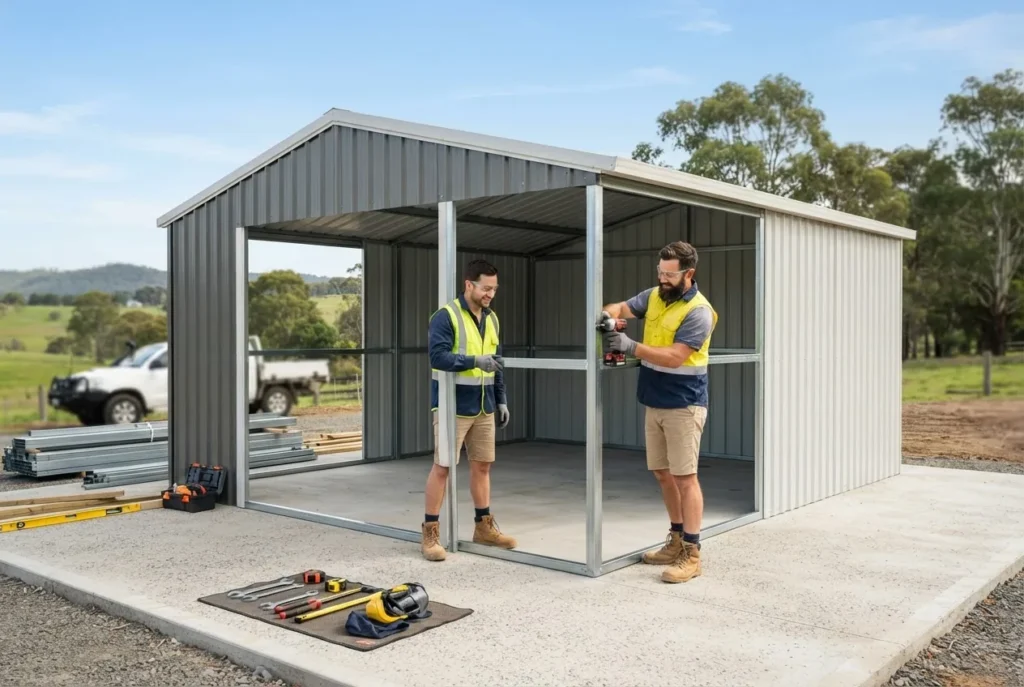
DIY Potting Sheds vs Prefabricated Options: Pros and Cons
| Consideration | DIY | Prefabricated |
|---|---|---|
| Cost | Lower upfront if skilled, risk of overruns | Fixed pricing, sometimes higher |
| Customization | Highly customizable | Limited but flexible options |
| Time | Longer, dependent on skill | Quicker installation |
| Quality | Variable, reliant on builder | Consistent factory quality |
Choosing DIY requires construction experience; otherwise, prefabricated sheds offer convenience and warranties.
Assessing Size, Shape, and Customisation Needs
Assess your gardening routine and available space to determine shed dimensions. Key factors include:
- Number of plants and tools to accommodate
- Preferred layout: square or rectangular footprint
- Need for additional features like shelving, sinks, or lighting
If you require more storage capacity, consider larger options like the 10 x 20 Colorbond steel storage buildings for your gardening needs.
Evaluating Material Durability and Maintenance Requirements
Prioritize materials that withstand your specific climate zone. Colorbond requires minimal upkeep but benefits from regular cleaning to maintain its protective coatings. Contrast this with timber, which demands treatments against rot and pests.
For comparisons beyond Colorbond, see wood shed kits in Australia.
Sustainability Considerations and Eco-Friendly Materials
Eco-conscious gardeners may look for sustainable Colorbond finishes with reduced VOCs or bamboo composite potting bench tops. Emerging coatings aim to increase corrosion resistance without harsh chemicals.
Consult with local suppliers about certified green options and explore guidance from the Green Building Council of Australia.
Where to Buy: Trusted Suppliers and Cost-Saving Tips
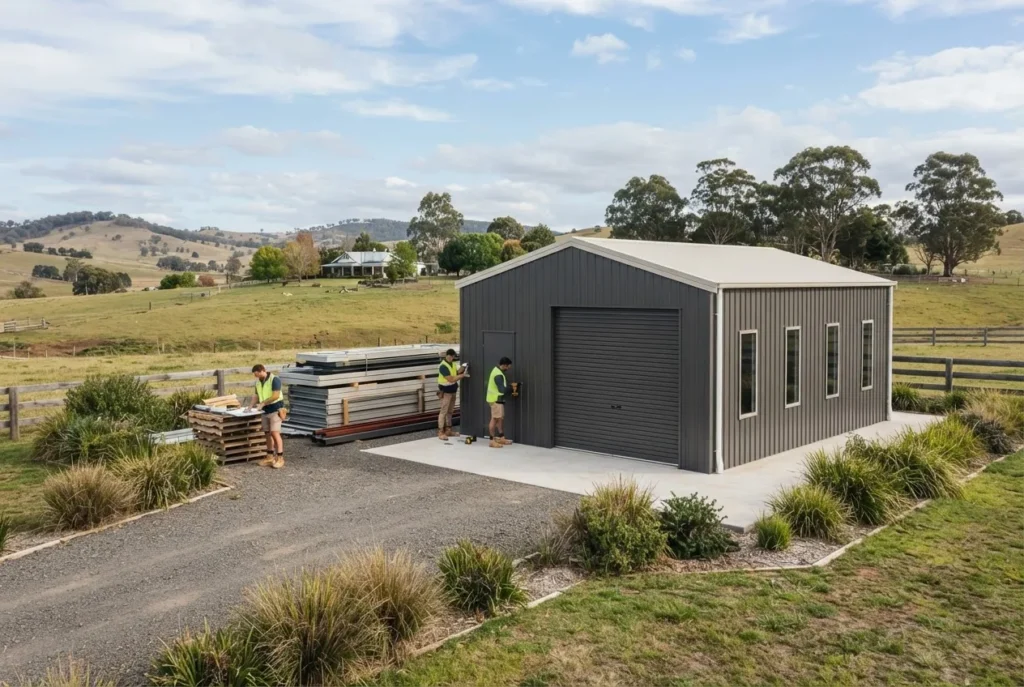
- Choose established suppliers offering certified BlueScope Colorbond steel
- Seek quotes from multiple installers for competitive pricing
- Consider off-season purchasing to negotiate discounts
- Verify warranties and after-sales service commitments
Refer to the Australian garden shed buyer’s guide for a broader purchase perspective.
Maintaining Your Colorbond Potting Shed for Long-Lasting Use
Routine Maintenance Practices Specific to Colorbond Steel
- Regularly rinse surfaces with fresh water to remove dust and salty residues
- Inspect joins and fix leaks quickly to prevent rust
- Remove accumulated debris from roofing gutters and eaves
- Lubricate door hinges and locks
Handling Repairs and Weather Damage in Australian Conditions
Colorbond is resilient, but hail, cyclones, and coastal salt spray can cause localized damage. Promptly patch scratches with compatible touch-up paint to maintain corrosion resistance.
For cyclone-prone areas, consider cyclone rated Colorbond garden sheds for regulation compliance and enhanced safety.
Seasonal Care Tips for Different Climate Zones
- Summer (hot zones): Use ventilation and shading to limit heat buildup
- Winter (cooler zones): Seal gaps to conserve warmth
- Wet seasons: Check drainage and foundation integrity
Extending Longevity with Protective Coatings or Treatments
Specialist Colorbond sealants can increase resistance to abrasion and fading. Consult BlueScope Steel recommendations and local garden product retailers for approved treatments.
FAQs and Expert Insights on Potting Sheds in Australia
Common Questions About Colorbond Potting Sheds and Council Rules
- Can Colorbond potting sheds be relocated without affecting council approvals?
- Relocation often requires new council approval since permits apply to the structure’s position. Portable sheds under exemption thresholds may be moved freely, but always check local regulations.
- How does the choice of Colorbond colour affect internal temperature and plant growth?
- Lighter colours reflect heat, keeping interiors cooler, ideal for heat-sensitive plants. Darker colours retain warmth, aiding growth in colder climates but risk overheating in summer without ventilation.
- What are common pitfalls in DIY Colorbond potting shed construction?
- DIY builders often underestimate thermal expansion of steel panels, neglect ventilation design, or overlook council permit requirements, leading to costly fixes.
- How do Australian climate zones affect ventilation and maintenance?
- Tropical zones need high airflow and corrosion-resistant coatings; temperate zones prioritize insulation; arid zones focus on dust resistance and sun protection.
- Are there emerging sustainable Colorbond alternatives or coatings for garden sheds?
- Research is ongoing into low-emission steel coatings and recycled content steel. Some suppliers offer eco-label products adhering to Green Star standards.
Expert Tips on Maximizing Potting Shed Efficiency
“Integrate flexible shelving and modular benches to adapt to seasonality. Prioritise natural light and cross-ventilation to create an optimal environment for plant health.” – Jane Mitchell, Professional Horticulturist, Melbourne
Troubleshooting Common Issues (ventilation, lighting, pest control)
- Poor airflow: Add adjustable vents or use exhaust fans.
- Low natural light: Supplement with horticultural LED lighting.
- Pests: Seal gaps and store seeds off the ground.
With the right design, materials, and approvals, your Colorbond potting shed will serve as a durable, beautiful workspace enhancing your gardening experience.
Invest in your outdoor sanctuary today and watch your garden flourish with confidence!
Frequently Asked Questions
What is the main difference between a potting shed and a general garden shed?
A potting shed is specifically designed for gardening tasks like seed starting and plant potting, featuring workbenches, ventilation, and natural light. In contrast, a general garden shed primarily serves broad storage or workshop needs, often lacking specialised horticultural features.
How do Colorbond potting sheds compare with timber sheds in terms of maintenance?
Colorbond potting sheds require low maintenance, mainly annual cleaning, due to their corrosion resistance. Timber sheds need more regular upkeep such as treatments against rot and repainting, making Colorbond a durable, less labour-intensive choice for Australian climates.
Which Colorbond colours are best for reducing heat inside potting sheds in tropical areas?
Lighter shades like Surfmist are best for tropical climates as they reflect heat, keeping interior temperatures cooler and creating a more comfortable environment for plants prone to heat stress.
When should homeowners seek council approval for installing a potting shed in Australia?
Council approval is typically required if the potting shed exceeds size or height limits, includes plumbing or power, or is positioned in visible zones. Smaller sheds under 10m² and 2.4m height often qualify for exemptions, but local rules vary so checking with councils is essential.
Can prefabricated Colorbond potting sheds be customised to suit specific garden layouts?
Yes, prefabricated Colorbond potting sheds offer flexible options such as adjustable shelving, window placements, and bench configurations, allowing them to fit diverse garden layouts and functional needs while maintaining consistent quality.
How do ventilation requirements for potting sheds vary across Australian climate zones?
In tropical zones, high airflow via vents and fans is necessary to manage humidity. Temperate zones focus on balanced ventilation with some insulation, while arid zones prioritise dust control and shading to reduce heat stress within the shed.
What factors should be considered when choosing flooring for a potting shed?
Flooring should be moisture-resistant, easy to clean, and stable. Common choices include durable concrete slabs, natural stone pavers with good drainage, or Colorbond steel flooring, each selected based on budget, climate, and maintenance preferences.
Is it more cost-effective to build a DIY Colorbond potting shed or buy a prefabricated kit?
DIY is generally cheaper upfront if skilled but risks time overruns and quality issues. Prefabricated kits have higher fixed costs but offer faster installation, predictable pricing, and factory-built quality warranties, making them convenient and reliable.