

Choosing the right shed colours in Australia just got simpler with the latest Shed Colours Australia: 2025 Colorbond Palettes, Schemes and Compliance Guide. This comprehensive resource combines the new Colorbond® steel colour range for 2025 with practical design insights and compliance requirements, empowering you to select garden shed colours that are both visually striking and aligned with Australian regulatory standards.
When selecting your shed colour, also consider overall shed brand quality and user reviews, which are comprehensively compared in our Better Sheds Reviews (2025): Best Garden Sheds in Australia Compared.
For budget-conscious buyers in Adelaide seeking compliant colours and robust materials, our Cheap Garden Sheds Adelaide guide provides smart options considering Colorbond and Zincalume differences.
Introduction to Shed Colours and Colorbond Steel in Australia
Overview of Colorbond® Steel and Its Popularity in Garden Sheds
Colorbond® steel, manufactured by BlueScope Steel, remains the preferred cladding material for Australian garden sheds due to its robust performance and extensive colour range. Its pre-painted steel offers excellent corrosion resistance and durability, making it ideal for diverse Australian climates — from coastal humidity to arid inland heat. Over 70% of garden sheds nationwide feature Colorbond steel, reflecting its popularity among homeowners, builders, and shed manufacturers.
Importance of Colour Selection for Sheds in Australian Climates
Choosing shed colours isn’t merely an aesthetic decision. In Australia’s harsh sun and variable weather conditions, colour impacts longevity, thermal comfort, and maintenance frequency. Lighter shades typically offer better heat reflectivity, reducing inside temperatures and potentially lowering cooling costs. Darker hues, while striking, can absorb more heat, accelerating paint fade and requiring more upkeep. Thus, a balance between aesthetics and performance is essential when picking colours for garden sheds.
Key Considerations: Durability, Aesthetics, and Compliance
Beyond durability and visual appeal, Australian shed owners must be mindful of compliance. Local councils enforce planning regulations that often include council approvals related to shed colours. Moreover, construction must align with standards like AS/NZS 1170 for wind and structural performance, which indirectly influence suitable cladding colours and materials. Selecting a compliant and durable colour palette ensures your shed remains both beautiful and legal.
To better understand how council regulations may affect your shed colour choices, see our guide on 12 x 8 shed council approvals and colours.
With these foundational factors in mind, let’s explore the detailed 2025 Colorbond Steel colour palettes and their unique characteristics.
Comprehensive Breakdown of 2025 Colorbond Shed Colour Palettes
Official 2025 Colorbond Colour Range for Sheds
The 2025 Colorbond range introduces refined hues tailored specifically for Australian building applications, including garden sheds. The palette balances traditional favourites and contemporary tones designed to meet evolving architectural trends and performance needs. Key colours in the 2025 range include:
- Classic Cream – Timeless neutral, high reflectivity
- Woodland Grey – Deep, muted neutral with excellent fade resistance
- Dune – Warm earthy tone optimized for coastal climates
- Monument – Dark charcoal with UV-stabilized finish
- Shale Grey – Soft grey-green appropriate for bushland settings
- Paperbark – Subtle beige supporting energy efficiency
- Deep Ocean – Rich blue-green with robust weather resistance
These colours represent just a segment of the officially approved shed cladding options for 2025, selected to comply with both aesthetic and functional requirements.
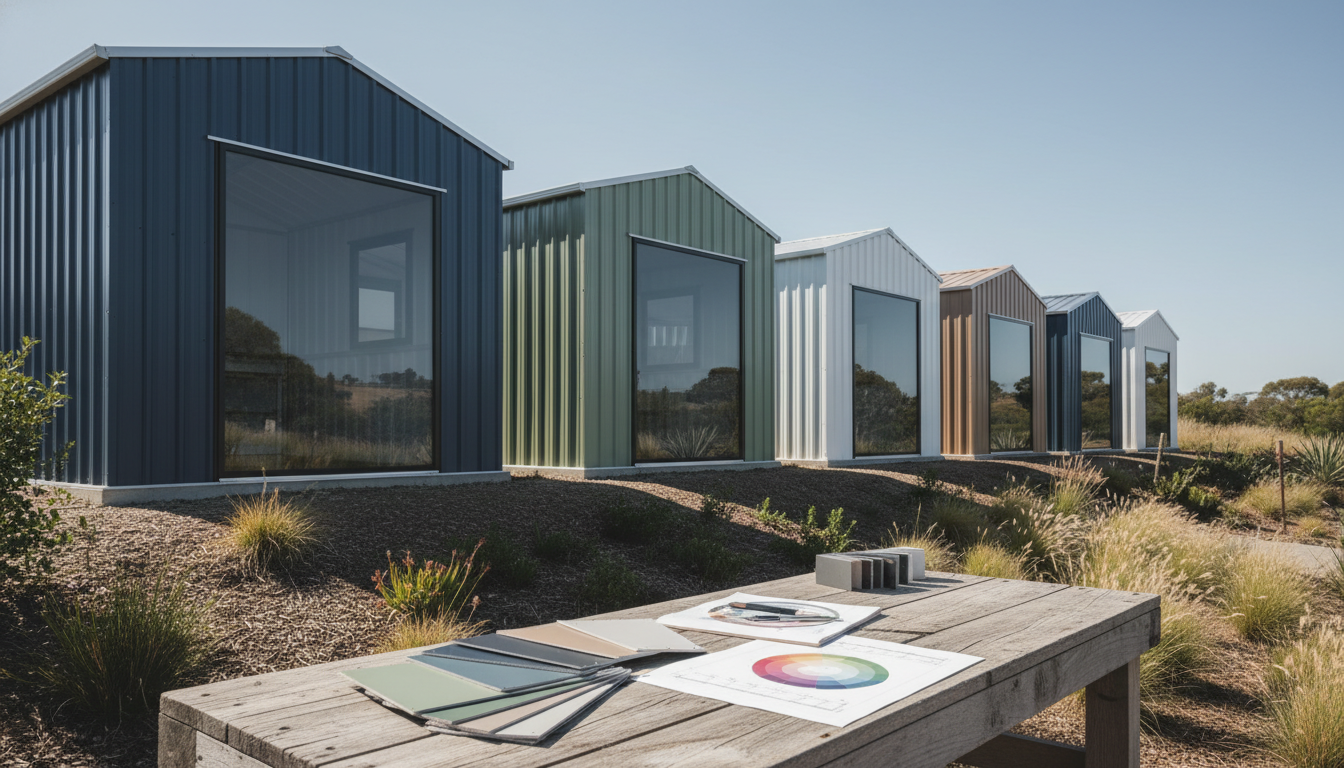
Colour Swatches and Visual Palette Presentation
Below is a representative swatch gallery showcasing the 2025 colours alongside key performance notes:
| Colour Name | Swatch | UV Resistance | Solar Reflectance Index (SRI) | Typical Applications |
|---|---|---|---|---|
| Classic Cream | High | 78 | Coastal, suburban gardens | |
| Woodland Grey | Very High | 42 | Urban, industrial-style sheds | |
| Dune | High | 64 | Coastal, bushland blends | |
| Monument | Very High | 30 | Modern minimalist sheds | |
| Shale Grey | High | 55 | Natural, forested environments | |
| Paperbark | High | 68 | Energy-efficient backyard sheds | |
| Deep Ocean | High | 38 | Decorative feature sheds |
Characteristics and Unique Features of Each Colour
Each 2025 Colorbond® steel colour is engineered for specific durability benchmarks:
- UV Resistance: Most colours have undergone rigorous accelerated fade testing to achieve superior longevity in Australia’s intense sun, exceeding ASTM G154 standards.
- Fade Resistance: Colours like Woodland Grey and Monument feature enhanced pigmentation technology to retain vibrancy for up to 15 years without significant fading.
- Heat Reflectivity: Lighter tones such as Classic Cream and Paperbark boast higher Solar Reflectance Index (SRI) values, helping reduce internal shed temperatures and energy costs.
- Corrosion Protection: Each coating applies over galvanized steel, providing dual protection against rust and corrosion in coastal and urban environments.
Understanding these attributes ensures your choice not only complements your property but performs optimally.
Next, we’ll delve into colour theory and how you can create eye-catching colorbond shed colour schemes perfect for Australian garden sheds.
Designing with Colorbond Shed Colour Schemes: Principles and Popular Combinations
Understanding Colour Theory for Garden Sheds
Effective shed colour combinations rest on foundational colour theories such as:
- Complementary Colours: Opposites on the colour wheel, e.g., Classic Cream paired with Deep Ocean, create vibrant contrast to highlight design features.
- Analogous Colours: Neighbouring hues like Woodland Grey and Monument offer subtle harmony, ideal for cohesive, understated aesthetics.
- Triadic Schemes: A balanced trio of colours spaced evenly on the wheel, such as Paperbark, Shale Grey, and Deep Ocean, can make your shed a statement piece without overwhelming the viewer.
Applying these principles helps achieve balance, depth, and visual interest, providing guides for colour coordination with roof trims, doors, and window frames.
Recommended Colourbond Shed Colour Combinations for Australian Garden Sheds
| Primary Colour | Accent Colour | Trim Colour | Notes |
|---|---|---|---|
| Classic Cream | Deep Ocean | Monument | Ideal for coastal areas, balances warmth with cool accents |
| Woodland Grey | Paperbark | Monument | Great for urban and bush settings, subtle with modern edge |
| Dune | Shale Grey | Classic Cream | Earth tones matching natural landscapes |
| Monument | Paperbark | Deep Ocean | Contemporary look suitable for sleek modern designs |
Case Studies: Popular Garden Shed Colours and Their Visual Impact in Different Environments
Case Study 1: A suburban Queensland shed utilised Classic Cream walls with Deep Ocean doors and Monument trims. The combination reduced heat absorption, resulting in a cooler internal environment through summer months, aligning with homeowner reports of improved comfort.
Case Study 2: Coastal New South Wales saw a garden shed clad in Dune with Shale Grey accents. This palette blended seamlessly with the eucalypt surroundings while withstanding salt spray effectively over five years, showcasing Colorbond’s corrosion resistance.
Case Study 3: An industrial-style Melbourne workshop adopted Woodland Grey with Paperbark highlights, creating a professional aesthetic ideal for urban yards and compliance with local council’s muted colour palette suggestions.
These real-world examples illustrate how thoughtfully selected garden shed colours can complement location, meet performance expectations, and adhere to regulatory frameworks.
Understanding the regulatory framework that governs these choices is crucial; the next section explains relevant Australian standards and council compliance.
Regulatory Compliance and Standards for Shed Colours in Australia
Overview of Local Council Planning Approvals Related to Shed Colours
Local councils across Australia impose varied planning requirements for shed colours, often to ensure neighbourhood harmony and environmental compatibility. Approval processes typically consider:
- Colour Palette Restrictions: Some councils limit sheds to earth tones or neutral colours—especially in heritage or bushfire-prone areas.
- Height and Size Constraints: Combined with colour, these factors affect visual impact and compliance.
- Application Submission: Detailed plans including colour samples and manufacturer specifications may be required.
While requirements differ by state and territory, it’s essential to review local council portals or directly consult planning officers before finalising your shed’s colour. See also our council approvals related to shed colours article.
Australian Standard AS/NZS 1170 – Impact on Shed Design and Colour Choices
The Australian Standard AS/NZS 1170 series governs structural design, including wind loads and material performance for sheds. While not specifying colours explicitly, it indirectly affects them via cladding requirements:
- Material Suitability: Colourbond steel must maintain integrity under prescribed wind conditions; coatings must not degrade structural steel.
- Fire-Rated Colours: In bushfire-prone zones, colours associated with fire retardant coatings might be mandated.
- Compliance Documentation: Manufacturers provide certification demonstrating coating performance aligns with AS/NZS 1170 directives.
Builders and shed owners should ensure their selected Colourbond colours come with verifiable compliance certificates reflecting these standards.
Australian Building Codes Relevant to Colorbond Shed Cladding and Colours
Under the National Construction Code (NCC), metal-clad sheds must meet fire safety, structural integrity, and Thermal Performance Regulation sections. These include:
- Cladding must resist corrosion and weather damage per AS/NZS 2728 standards.
- Coatings require specific thickness and chemical composition for sustained performance.
- Colour selection must not jeopardise energy efficiency requirements, often evaluated through the Colourbond SRI values.
These codes require that shed colours are part of an integrated compliance approach rather than a standalone aesthetic choice.
Compliance Certification Processes from Popular Shed Manufacturers
Australian shed manufacturers typically provide compliance certifications including:
- Colorbond factory paint warranties and specifications.
- Structural engineering certifications consistent with AS/NZS 1170.
- Local council planning pre-approval assistance.
Popular brands certify their sheds with independent testing labs, adding assurance of compliance before sale and installation. Buyers are encouraged to request and verify these certifications for their chosen colours and models.
Having covered regulatory essentials, let’s examine the performance and environmental traits of 2025 shed colours in detail.
Performance and Environmental Implications of Colorbond Shed Colours
UV Resistance, Heat Reflectivity, and Weather Durability of 2025 Colours
Colorbond steel coatings in 2025 excel in UV resistance through advanced pigment technology and durable polyester topcoats. According to BlueScope Steel’s 2024 technical sheets, these coatings maintain surface integrity for over 15 years in full sun exposure settings.
Heat reflectivity varies by shade, measured by Solar Reflectance Index (SRI). For example, Classic Cream achieves an SRI of 78, reflecting a majority of solar radiation, while Monument scores 30, absorbing more heat but with reinforced fade resistance technology.
Weather durability is also notable—Colorbond steel resists rust, chipping, and peeling in environments ranging from humid coastal regions to the arid outback, reducing maintenance demands significantly.
Sustainability and Energy Efficiency Considerations Related to Colour Choice
Selecting lighter colours can substantially reduce cooling energy loads in sheds used as workspaces or storage, with CSIRO studies from 2023 indicating up to 20% energy savings in temperate regions. Additionally, all Colorbond steel is 100% recyclable, emphasizing sustainability.
Powder coating, applied post-fabrication by some manufacturers, enhances environmental credentials by reducing volatile organic compound (VOC) emissions compared to traditional liquid paints.
Powder Coating and Steel Cladding Processes Enhancing Colour Longevity
While Colorbond uses factory-applied liquid polyester coatings, some sheds receive additional powder coating layers for extra durability. Powder coating bonds at a molecular level, improves abrasion resistance, and enhances UV protection without compromising finish aesthetics.
When weighing materials, Colorbond sheds often outperform alternatives like Zincalume on colour durability and energy efficiency. Zincalume, an unpainted zinc-aluminium alloy, lacks the broad colour palette and fade resistance offered by Colorbond. For a full Colorbond vs Zincalume material comparison, consult our detailed pillar page.
For a detailed comparison, refer to our Zincalume garden sheds buyer’s guide that complements the Colorbond palettes discussed here.
With solid knowledge of performance factors, the next section provides a hands-on approach for selecting and applying shed colours that meet Australian guidelines.
Practical Guide: Selecting and Applying Shed Colours that Comply with Australian Standards
Step-by-Step Process to Choose Compliant Shed Colours
- Research Local Council Requirements: Obtain your local council’s planning scheme or building guidelines focusing on permitted shed colours.
- Identify Suitable Colorbond Colours: Use official 2025 palettes from BlueScope and check compliance certification for each colour option.
- Request Colour Samples: Review physical samples on your site during varying light to gauge real-life appearance and compatibility.
- Consult Shed Manufacturer: Confirm your chosen colours come factory-coated and verify warranty and durability certifications.
- Submit for Council Approval if Necessary: Attach colour swatches and compliance documentation with your application.
- Prepare Shed Surface for Coating/Installation: Ensure substrates are clean and undamaged to maximise coating adhesion and finish longevity.
Preparing Your Shed Surface for Colourbond Coatings
Whether ordering a pre-painted Colorbond shed or applying coatings onsite, preparation is critical:
- Clean the surface thoroughly to remove dust, oils, or previous coatings.
- Repair any dents or corrosion before installation.
- Ensure ambient conditions meet manufacturer specifications during coating application or assembly.
Tips on Maintaining Shed Colours to Meet Longevity and Compliance Requirements
- Regularly wash surfaces with mild detergents to prevent buildup of grime that accelerates fading.
- Inspect annually for scratches or chips; perform spot repairs with approved touch-up paints.
- Trim overhanging branches to reduce debris accumulation that may stain or damage coatings.
- Keep records of maintenance and manufacturer communications to confirm warranty conditions.
This practical approach helps your shed retain its approved look and compliance status over years of use.
Colour scheme inspiration for custom 6mx3m Colorbond garden sheds is explored in detail in our 2025 guide.
Our practical steps align with guidelines outlined in the comprehensive Garden Shed Buyer’s Guide Australia 2025 for seamless compliance and design.
The following section answers common advanced questions and clarifies emerging compliance concerns related to shed colours.
Frequently Asked Questions and Advanced Considerations on Shed Colours and Compliance
How to Navigate Council Restrictions on Shed Colours?
Council restrictions vary widely; always check the local planning portal or speak to council planners. Provide accurate colour samples and documentation early in your approval process to avoid delays.
What Are the Most Heat-Reflective Shed Colours to Reduce Energy Costs?
Colours like Classic Cream and Paperbark offer the highest solar reflectivity, reflecting most sunlight and reducing heat build-up inside sheds, lowering energy use for cooling.
Can I Mix Different Colourbond Palettes on One Shed?
Yes, mixing complementary or analogous colours from the 2025 Colorbond palettes is common and encouraged to add visual interest. Ensure combined colours comply with council guidelines and manufacturer warranties.
How to Verify a Colourbond Colour Sample’s Compliance Certification?
Request certification documentation from your supplier or BlueScope Steel verifying adherence to AS/NZS 1170 and other relevant standards. Physical samples should match certified colours exactly.
Future-Proofing Your Shed Colour Choices Against Regulatory Changes
Stay informed via council newsletters and Australian Building Codes Board announcements. Select colours backed by manufacturer warranties and certifications that can adapt to evolving environmental and fire safety requirements.
To summarise, expertly choosing your shed colours is a multifaceted process blending design and compliance. By integrating the 2025 Colorbond palettes with regulatory insights and practical application tips provided here, your garden shed will achieve enduring style and reliability. Ready to pick your perfect shade? Start today and make a confident, compliant colour choice that stands the test of time.
Frequently Asked Questions
What is the difference between Colorbond and Zincalume for garden sheds?
Colorbond is pre-painted steel offering a wide colour range, UV resistance, and corrosion protection, ideal for aesthetic and durable sheds. Zincalume is an unpainted zinc-aluminium alloy, highly corrosion resistant but lacking colour options and fade resistance, making it less versatile for garden shed cladding.
How do different shed colours affect the thermal performance of a garden shed?
Lighter shed colours like Classic Cream reflect more solar radiation, reducing heat buildup and cooling costs. Darker colours absorb more heat, increasing internal temperatures and potentially raising maintenance due to faster paint degradation, impacting thermal comfort and shed longevity.
Why is compliance with local council shed colour regulations important?
Compliance ensures your shed’s colour aligns with neighbourhood aesthetics, environmental guidelines, and bushfire safety standards. Non-compliance may result in approval delays, fines, or enforced repainting, making it crucial to follow local council requirements when selecting shed colours.
When should shed owners request colour samples during the selection process?
Colour samples should be requested after identifying suitable palettes to review them onsite in different lighting conditions. This step ensures accurate colour perception and compatibility with surroundings before finalising orders or submitting council applications.
Can mixing different 2025 Colorbond palettes on one shed impact compliance?
Mixing complementary or analogous palettes is allowed if the combined colours comply with local council guidelines and manufacturer warranties. Always verify colour compliance documentation and seek council approval when required to avoid regulatory issues.
Which colour properties improve the longevity of shed cladding?
High UV resistance, fade resistance, and corrosion protection enhance colour longevity. Colours like Woodland Grey and Monument use advanced pigments that maintain vibrancy over 15 years, while protective coatings combat rust and environmental wear.
What is Colorbond® steel and why is it preferred for Australian garden sheds?
Colorbond® steel is a pre-painted, durable steel product designed for Australian conditions. It offers excellent corrosion resistance, broad colour options, and UV stability, making it ideal for garden sheds exposed to varied climates across Australia.
How do powder coating processes enhance shed colour performance?
Powder coating adds an extra durable layer that bonds molecularly to steel, improving abrasion resistance, UV protection, and finish consistency. This extends the lifespan and reduces maintenance compared to standard factory-applied liquid coatings.