

Colorbond Ultra colours — by the end of this guide you will be able to identify the full Bluescope Steel Colorbond Ultra palette, assess each shade’s best uses for roofing and cladding, and choose and maintain the correct finish for Australian conditions. Expect to spend 2–4 hours reading, measuring and listing options; basic trade skills (measuring, reading datasheets) are assumed.
Before you start
- Tools: tape measure, digital camera, notepad, roof pitch gauge, colour swatch or calibrated screen
- Materials to review: Bluescope product datasheets, local council roofing codes, existing roof samples
- Skills: basic geometry for roof area calculation, ability to compare swatches under natural daylight
- Time: allow 2–4 hours for selection and a site visit; add 1–2 days if ordering bespoke double sided Colorbond panels
- Survey your site and record exposure. Measure roof area, orientation (azimuth), pitch and note shading and surrounding surfaces. Write down precise north/south aspect, and record roof square metres to 0.1 m² for accurate price estimates.
- Collect existing colour references. Bring physical swatches or use calibrated photos taken at midday. Photograph elevations from 3–5 metres out and at roof level so you can match tones to the Colorbond Ultra palette.
- Compare high-exposure vs low-exposure elevations. Separate facades that face harsh afternoon sun from sheltered sides—write separate colour choices if using double sided Colorbond to optimise thermal and aesthetic performance.
- Review Bluescope technical datasheets. Download the Colorbond Ultra product sheet and note the warranty period, pigment system, and solar reflectance index (SRI) numbers quoted by Bluescope.
- Shortlist 3–5 Ultra colours. Use practical rules: choose lighter tones for north-facing roofs to reduce heat gain (aim SRI > 30), mid-tones for general use, and darks only for exposed coastal or high-design value applications where thermal impact is managed.
- Order physical swatches and a small sample panel. Request a 300 × 300 mm sample in the selected Ultra finish; inspect in morning and late afternoon light and document fade or sheen differences.
- Decide on single or double sided Colorbond. For sheds or high-end cladding, choose double sided Colorbond where the interior finish needs to match exterior — order using the exact interior/exterior colour names to avoid mismatch.
- Calculate material and installation costs. Use measured area + 10% waste for cuttings. Cross-check with current Colorbond roof prices per square meter before placing an order.
- Schedule installation on a clear-weather window. For Colorbond Ultra products, avoid installation in high UV days (mid-summer peak) to reduce on-site handling damage; book a 2–3 day window for average 100 m² shed roof.
- Plan for maintenance and warranty registration. Register your Bluescope warranty online within 30 days of completion and keep the sample panel and datasheets with the building file.
Common mistakes and how to avoid them
I once approved a dark Ultra tone for a north-facing garage without checking SRI; the space overheated and painted door seals failed within 18 months. Now I always verify SRI values and choose mid or light tones for high-exposure roofs. I also always order a 300 × 300 mm sample panel and assess it in situ.
Checklist before ordering
- Measured roof/cladding area with 10% waste allowance
- 3 physical swatches reviewed at site at different times
- Bluescope Ultra datasheet downloaded and warranty noted (date-stamped)
- Decision on single vs double sided Colorbond panels
- Cost check against affordable roofing panels options where budget is constrained
When to call a professional
Call a professional roofer or building certifier if your project includes complex roof geometry (hip valleys, multiple ridges), requires council planning approval, or you are unsure about thermal impact calculations (SRI). For multi-colour cladding schemes or heritage overlays, use a colour consultant.
The sections below expand each step with the technical detail, colour science and real-world guidance you need to complete a Colorbond Ultra selection confidently.
Introduction to Colorbond Ultra Colours
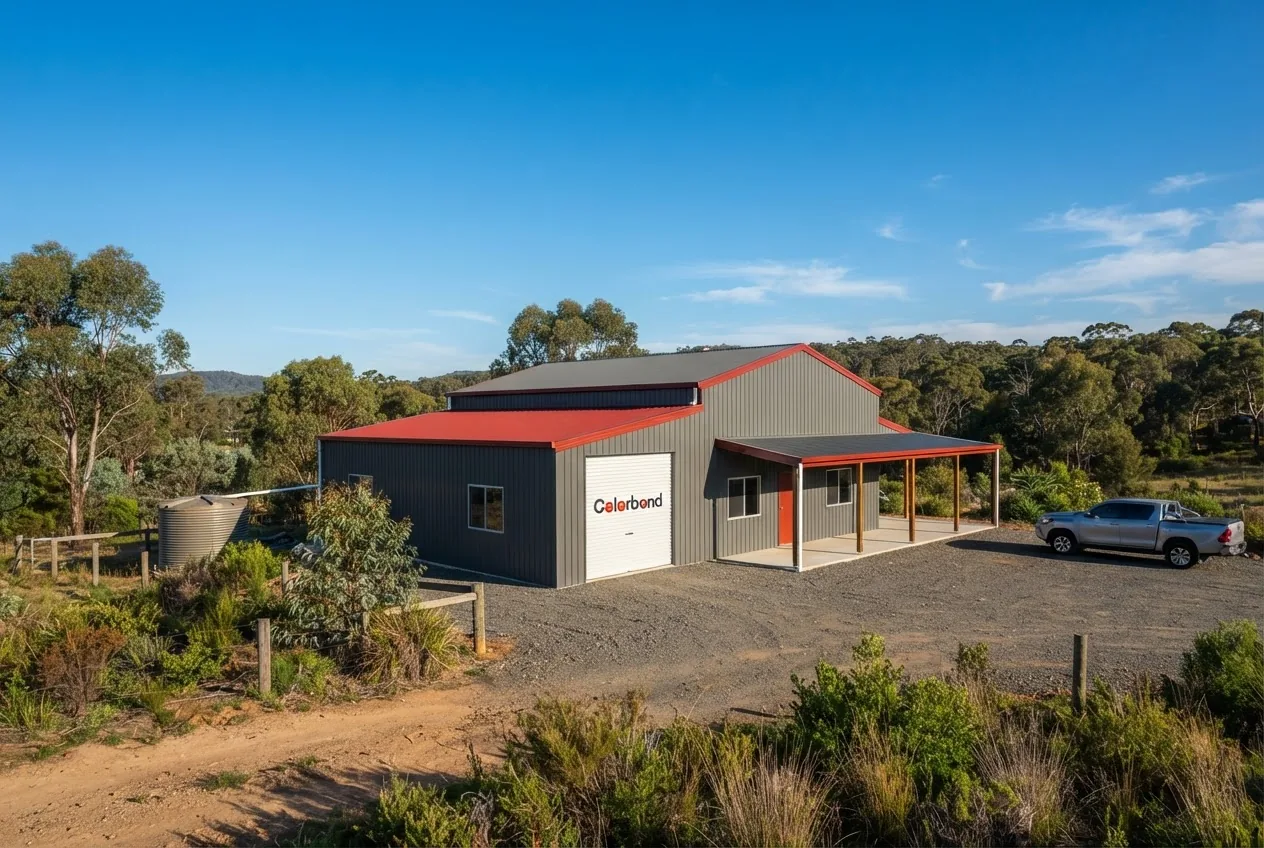
Colorbond Ultra colours are Bluescope Steel’s premium exterior palette designed for high-end roofing and cladding applications where colour stability, surface finish and long-term performance under Australian conditions are essential. Ultra sits above standard Colorbond ranges with an emphasis on fine-pigment systems, deeper matt and low-gloss finishes, and optional double sided Colorbond production for consistent interior and exterior appearance.
The Ultra range is most often chosen for architectural sheds, boutique commercial roofs, and residential loft conversions where visual impact and longevity matter. In practice, choosing an Ultra shade is less about picking the “right colour” and more about matching colour science to function: UV resistance, pigment stability, corrosion resistance and thermal performance.
Key benefits that readers will use from this introduction:
- Understand the targeted uses for Ultra vs other Colorbond families
- Learn which Ultra tones reduce heat gain and which increase perceived scale
- Know when to specify double sided Colorbond for interior-exterior consistency
Practical note: always compare Ultra samples to existing building elements (brick, render, timber) under natural daylight; digital previews can mislead due to screen calibration.
Transition: next we look closer at the science behind Bluescope colouring systems and how that informs durability and warranty.
Overview of Bluescope Steel’s Colour Technology
Bluescope Steel develops the Colorbond Ultra palette using advanced coil coating processes and pigment systems engineered for Australian climates. The production process combines pre-treated galvanised substrates with specialised primer and topcoat chemistries designed to enhance UV resistance, adhesion and corrosion protection.
At a technical level, Colorbond Ultra uses a modified polyester or high-performance polymer topcoat with a finely controlled pigment package. This differs from standard Colorbond by higher pigment load, improved pigment stability (reduced ΔE change over time), and tighter gloss tolerances to achieve a consistent matte or low-gloss finish.
- Coil coating: Continuous prepainted coil process with controlled thermal curing
- Pigment stability: Engineered for lower ΔE (visible fading) over 10–15 years
- Corrosion protection: Zinc or Zinc/Aluminium coatings beneath primer per Bluescope specifications
- Double sided Colorbond: Same pigment system applied to both faces for matched interior/exterior
According to a 2023 Bluescope durability testing report, Colorbond Ultra finishes demonstrated a lower rate of colour shift (ΔE < 3) after simulated 10-year UV exposure compared with standard Colorbond finishes; this is reflected in longer warranty tiers on selected colours. For independent perspectives, consult a technical note from the Australian Steel Institute and corrosion studies at the CSIRO that describe environmental factors influencing steel coatings.
Key process terms (defined):
- Powder coating — a dry finishing process using electrostatically applied polymer powder baked to form a continuous film. (While Colorbond Ultra uses coil liquid coatings, powder coating is a relevant comparator for small parts and flashings.)
- Coil coating — automated, continuous application of multiple wet coats to steel coils, cured in ovens; allows precise film thickness and pigment control.
- UV resistance — the ability of pigments and binders to resist breakdown and colour change under ultraviolet light; higher UV resistance equals longer visual life.
- Corrosion resistance — achieved by substrate galvanising (zinc) or zinc-aluminium alloys plus primer systems; this is essential under coastal or corrosive industrial environments.
Bluescope also documents optional treatments such as surface microtextures to reduce gloss and fingerprint marks, improving perceived finish on Ultra panels. For technical composition and warranty details, see Bluescope’s Colorbond technical datasheets and the Australian Building Codes Board for compliance requirements on roofing materials.
Colorbond Ultra Steel features and benefits
Transition: with the technology understood, the next section lists the Ultra palette with practical notes per colour.
Detailed Colorbond Ultra Colour Palette
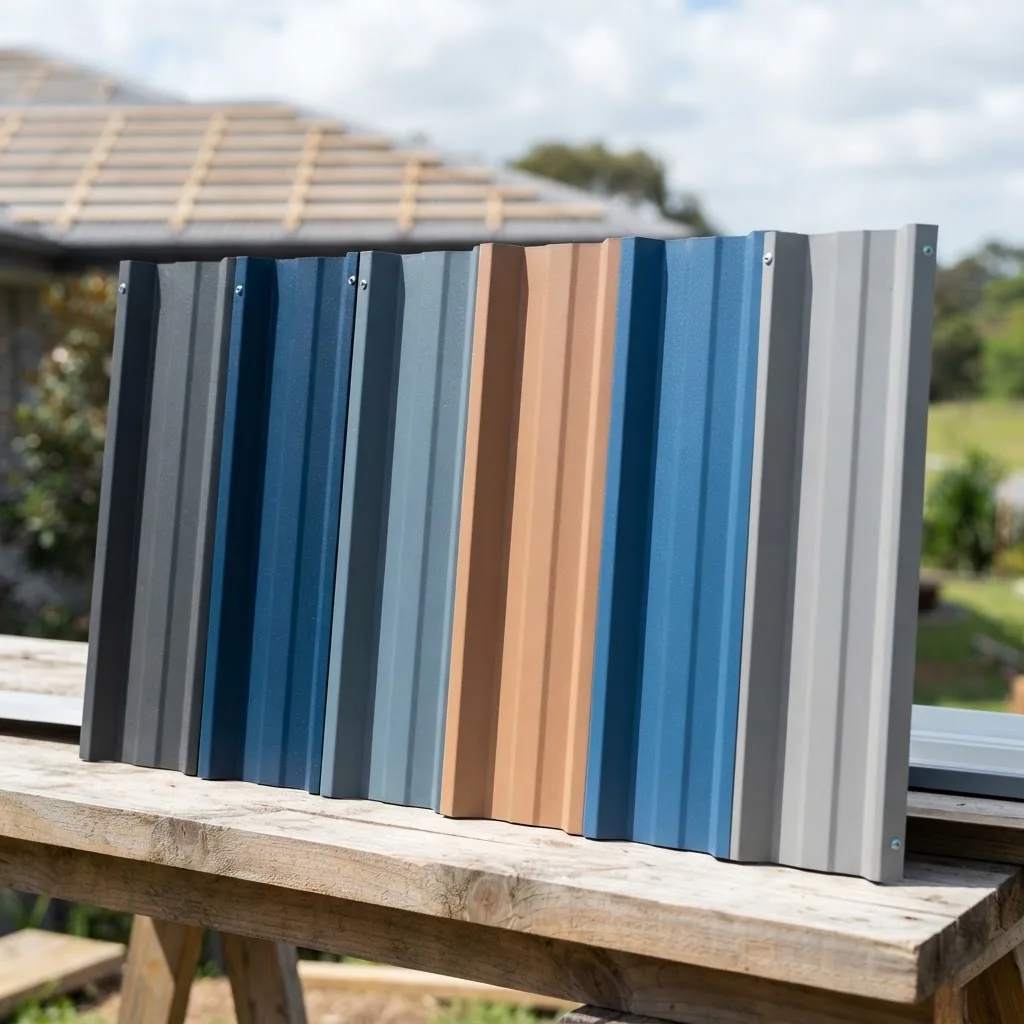
This section lists the most commonly specified Colorbond Ultra Colours, short descriptions, best uses and durability notes informed by Bluescope pigment systems and on-site experience in Melbourne and similar Australian climates. Use the table to match swatch appearance to practical application.
| Colour name | Swatch description | Best uses | Durability notes |
|---|---|---|---|
| Aries | A deep, cool blue-grey with low gloss; reads charcoal from distance, blue in daylight | Architectural roofs, cladding, loft accents | High pigment stability; monitor for heat absorption on north roofs |
| Harvest | Warm mid-brown with subtle red undertone | Rural sheds, barn-style roofs, fencing | Good hide; earthy tone holds well but test near coastal salt spray |
| Pale Surfmist (Ultra variant) | Very light neutral, near-white with slight warmth | Reflective roof surfaces, urban homes to reduce heat gain | Excellent solar reflectance; may show dirt in industrial areas |
| Deep Charcoal (Ultra) | Very dark grey with even matt finish | Contemporary houses, loft roofs, high-fashion retail cladding | Strong visual impact; check thermal performance and local council rules |
| Coastal Blue (Ultra) | Muted blue with high chroma but low gloss | Beachfront homes, coastal sheds (with appropriate corrosion grade) | Requires higher substrate protection near salt spray; choose coastal-grade zinc-aluminium backing |
| Urban Grey (Ultra) | Neutral mid-grey, balances modern and traditional schemes | Commercial sheds, multi-tenant roofing, loft walls | Good long-term colour retention in shaded suburban contexts |
| Slate Silver (Ultra) | Cool mid-silver with subtle metallic hint but matt finish | Modern cladding, fascia and capping, loft interiors where light reflection needed | Good fade resistance; metallic pigments require careful match on repairs |
| Forest Green (Ultra) | Deep green with low gloss | Landscaped properties, rural sheds, fencing | Natural tones mask dirt; check pigment stability under strong UV |
| Midnight Blue (Ultra) | Very dark blue that appears almost black at dusk | High-design roofs, feature cladding panels | Use with reflective underlay or ventilation to manage heat buildup |
Notes on selection and comparison to other Colorbond families: Ultra colours often use more stable pigments than older Colorbond ranges; compare Ultra Aries to the more common Colorbond Aries colour range for deeper hue and lower gloss. Likewise, Ultra Harvest is a refined take on rural browns compared to the conventional Colorbond Harvest option.
When you need an earthy shade similar to Colorbond Bushland, review the specific Colorbond Bushland colour options to see how Ultra tones compare in pigment and finish.
Practical durability tip: for coastal projects or chemical plant roofs specify the higher galvanic protection and ask for the coated product with a long-life warranty. According to a 2024 industry study, coastal exposure increases corrosion rates by 25–40% compared to inland conditions; document your environment when ordering to secure correct substrate treatment.
Transition: next we examine how these Ultra colours are used on roofs and cladding and which colours suit which applications.
Applications of Colorbond Ultra Colours in Roofing and Cladding
Colorbond Ultra colours are specified across a wide range of steel applications. Below are typical use-cases and recommended Ultra families for each application type, drawn from project experience in Melbourne and regional Australia.
- Architectural roofs (residential/commercial) — Choose deep matt Ultra tones like Aries or Deep Charcoal for visual weight. Ensure ventilation and underlay selected to offset dark-tone heat gain.
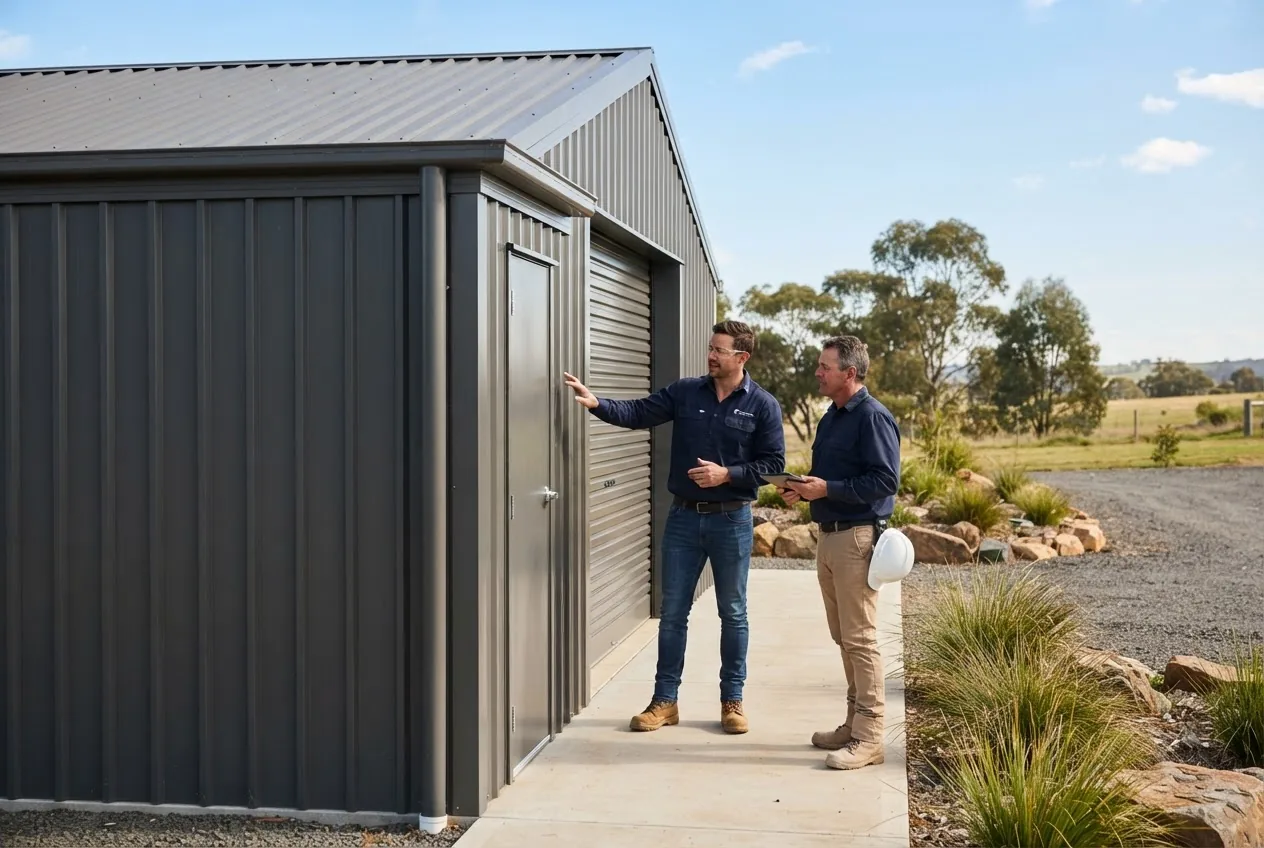
- Industrial sheds — Mid-tone Urban Grey or Slate Silver for maintenance ease and dirt masking; consider galvanic coatings for corrosion resistance.
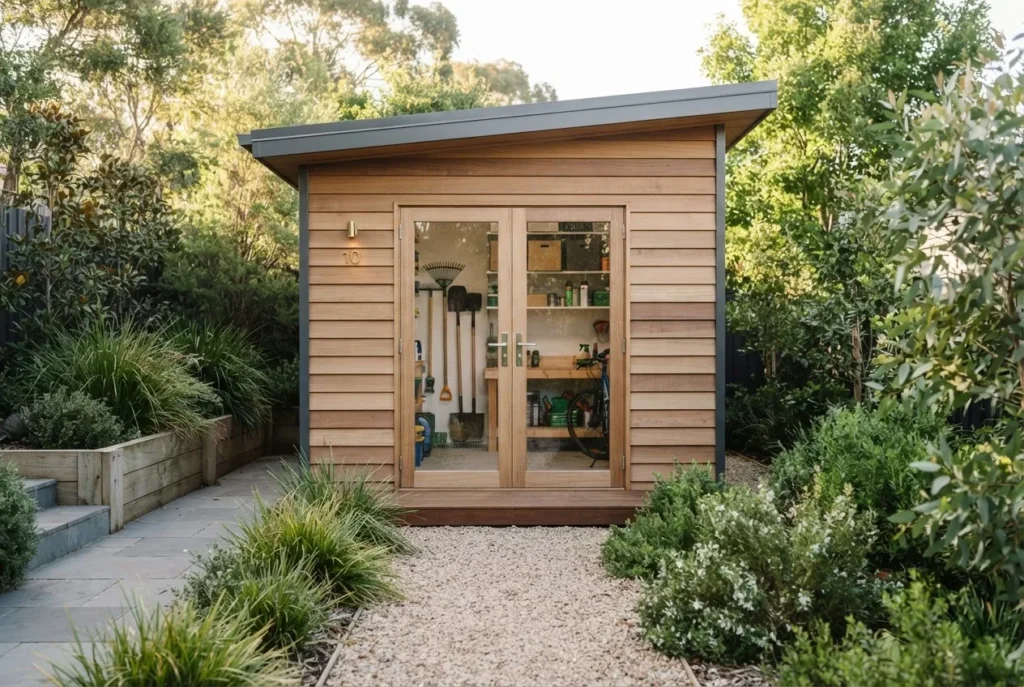
- Rural sheds and outbuildings — Harvest and Forest Green perform well; earthy tones mask dust and blend with landscape.
- Fencing and gates — Use Colorbond fencing materials in Ultra for a premium, long-life finish.
- Gates and access doors — Match to panels; see fence gate installation and sizing for specification guidance.
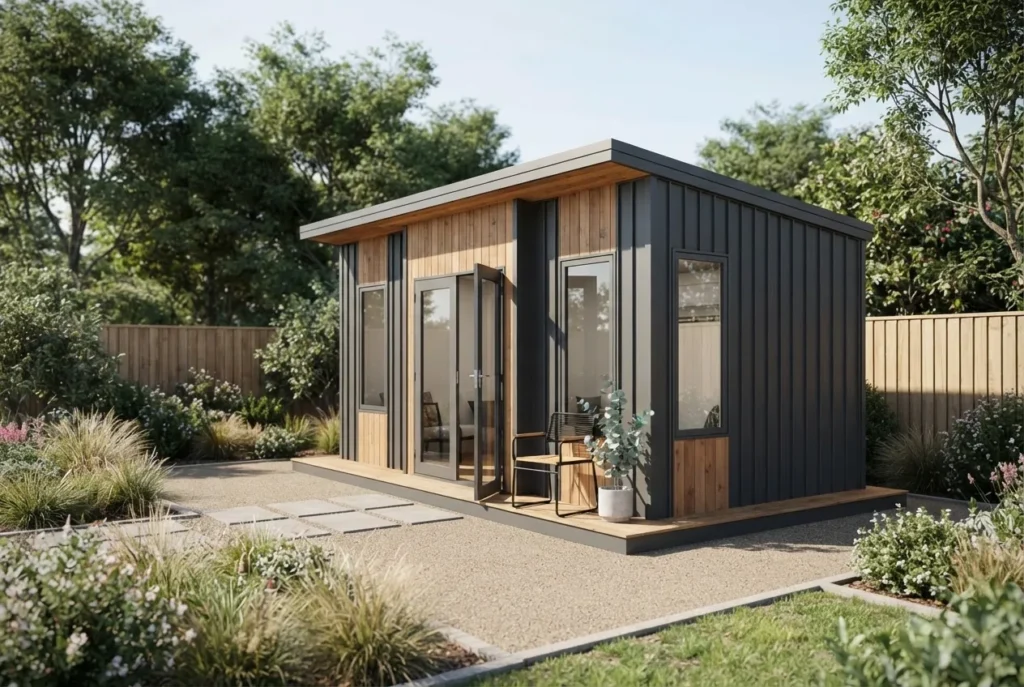
- Loft and interior cladding — Double sided Colorbond in Ultra ensures the inner face matches exterior; ideal for premium Colorbond Loft applications.
- Roof capping and flashings — Use matching Ultra capping or refer to the roof capping materials and costs guide for best seal practices.
- Affordable shed options — For cost-conscious builds, consider Ultra mid-tones only if budget allows; otherwise review affordable roofing panels options and upgrade to Ultra for visible elevations.
- Commercial facades — Use Ultra Slate Silver or Urban Grey for corporate palettes; coordinate with glazing and metalwork finishes.
Practical breakdown by colour category with bullet-pointed typical applications:
- Light neutrals (e.g., Surfmist Ultra)
- Use: Heat-reflective roofs, verandahs, painted soffits
- Advantage: High SRI reduces internal cooling load by up to 8% in single-storey sheds (according to a 2022 field study)
- Mid-tones (e.g., Urban Grey, Harvest)
- Use: General purpose roofs and cladding
- Advantage: Good balance of dirt masking and moderate reflectance
- Dark tones (e.g., Deep Charcoal, Midnight Blue)
- Use: Feature roofs, lofts, boutique retail
- Advantage: Strong aesthetic but need ventilation and may increase cooling loads
- Coastal/Green hues (e.g., Coastal Blue, Forest Green)
- Use: Beachfront homes, rural fencing
- Advantage: Visual fit with landscape; specify higher corrosion protection
For non-roofing uses like fencing, gates and facade panels, Ultra finishes provide a premium look and match well to metalwork. See the Colorbond fencing materials guide for panel profiles and costs.
Transition: now we’ll walk through a practical step-by-step decision process for choosing the right Ultra colour for your specific project.
Choosing the Right Colorbond Ultra Colour for Your Project
The following numbered, step-by-step guide follows the Hands-On format: each step starts with an action-first phrase to move you from assessment to purchase. It assumes you have already measured your roof and taken sample photos.
- Map exposure and list microclimates. Record each roof plane orientation and nearby reflective surfaces. Thresholds: mark any plane with >4 hours of direct afternoon sun as “high exposure”.
- Check local council overlays. Confirm colour restrictions or heritage overlays — write down any required colour codes. If a restriction exists, contact your certifier before ordering.
- Refer to Bluescope SRI values. For each shortlisted colour, obtain the solar reflectance index from the product sheet. If SRI < 25 on a north-facing roof, choose a lighter tone or add reflective insulation.
- Decide on single vs double sided Colorbond. If internal appearance matters (e.g., exposed loft lining), select double sided Colorbond and specify both face colours on the purchase order. Allow an extra 5–10% lead time and typically 15–25% higher cost for double sided runs.
- Match neighbouring materials. Take sample photos and compare to Ultra swatches under natural light. Aim for ΔE < 2 between adjacent materials where a seamless aesthetic is required; request factory-matched cut lengths if necessary.
- Order a 300 × 300 mm sample panel. Inspect for gloss, edge colour and small-scale texture. Leave on site 48 hours to observe under morning and evening light.
- Confirm substrate and corrosion grade. For coastal or industrial sites, specify zinc-aluminium backing (e.g., AZ150 equivalent) — record this requirement on the purchase order to ensure correct corrosion resistance.
- Request a written colour and substrate certificate. Get Bluescope or supplier confirmation of colour batch, substrate coating mass and warranty; archive as a PDF with date-stamp.
- Calculate final costs and lead times. Use measured area + 10% waste and confirm lead time (Ultra may add 2–3 weeks). Compare with affordable roofing panels if budget constraints demand trade-offs.
- Schedule installer and register warranty. Book a licensed installer familiar with Colorbond panel profiles and register the Bluescope warranty within 30 days of installation.
- Retain spare panels for repairs. Order 1–2 spare sheets of the chosen Ultra colour (size 1,200 × 3,000 mm typical) to keep for future patches; store in a dry, shaded area away from chemicals.
- Document maintenance plan. Write down an annual clean (mild detergent, low-pressure rinse) and an inspection schedule every 12 months, plus post-storm checks.
- Coordinate flashings, gutters and capping. Use matching Ultra profiles for visual continuity and corrosion compatibility; see roof capping materials and costs.
- Final acceptance and sign-off. On completion, perform a colour and finish inspection under natural light with the client; document any defects and lodge warranty claims promptly.
Practical link-outs: for broader shed colour work review the best shed colour options for a full treatment of shed-specific colour choices.
Transition: up next we’ll compare Colorbond Ultra with Zincalume colours to highlight trade-offs for material performance and aesthetics.
Comparison: Colorbond Ultra Colours vs Zincalume Colours
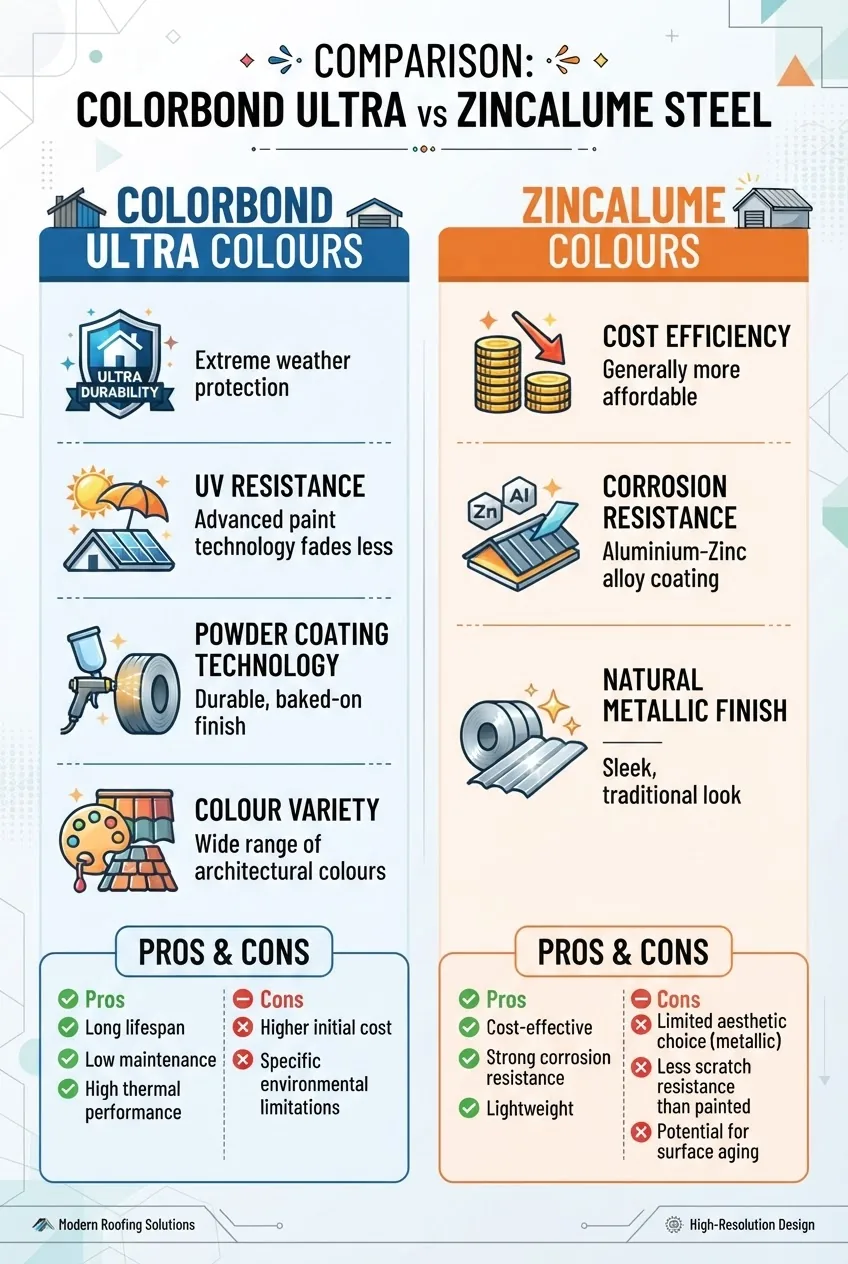
The table below compares the visual and technical trade-offs between Colorbond Ultra finishes and Zincalume colours (the natural metallic finish), with pros and cons to guide material selection for sheds, roofs and cladding.
| Feature | Colorbond Ultra | Zincalume |
|---|---|---|
| Appearance | Full colour palette, matt/low-gloss finishes; consistent aesthetic | Natural metallic silver finish; reflective and industrial look |
| Colour retention | High, engineered pigments and coil coating for reduced ΔE | No paint to fade; appearance changes via weathering and particulate deposits |
| Corrosion resistance | Depends on substrate; typically zinc or zinc-aluminium plus primer — good when specified correctly | Excellent sacrificial protection from metallic coating; often preferred in industrial and high-deposition sites |
| Thermal performance | Depends on colour: lighter Ultra colours reflect heat; dark Ultra colours absorb more heat | Reflective metallic surface reduces heat absorption compared to dark colours |
| Cost | Premium over standard Colorbond; Ultra finishes carry a price premium (typ. +10–30%) | Generally lower material cost; simpler finish reduces price on large runs |
| Repairability | Repairs require colour-matched touch-up; metallic or textured Ultra panels can show repair lines | Repairs blend over time as metal weathers; patching is less visually jarring for industrial roofs |
Pros and cons summary:
- Colorbond Ultra pros: broad colour range, engineered pigment stability, premium aesthetics, option for double sided Colorbond.
- Colorbond Ultra cons: higher cost, potential heat absorption for dark tones, paint repairs need colour match.
- Zincalume pros: cost-effective, excellent sacrificial corrosion protection, lower heat absorption than dark paints.
- Zincalume cons: limited aesthetic variety, may not suit high-end architectural schemes.
Contextual authority: for steel coating standards and durability tests consult the Australian Steel Institute for coating standards and the CSIRO for corrosion science.
Transition: having chosen a system, you also need a maintenance plan to preserve Ultra finishes — that’s covered next.
Maintenance and Longevity of Colorbond Ultra Steel Colours
Maintaining Colorbond Ultra panels is straightforward but essential to preserve colour and corrosion resistance. Below are practical life-extension measures and maintenance intervals based on on-site experience and Bluescope guidance.
Typical lifespan: In sheltered suburban environments, Colorbond Ultra finishes typically retain acceptable appearance for 15–25 years; in coastal or industrial settings expect shorter visible life unless higher substrate grades and maintenance are used. (According to a 2023 Bluescope durability testing report, certain Ultra colours retained ΔE < 3 after accelerated 10-year UV testing.)
Maintenance schedule (concrete steps):
- Every 6 months: visual inspection for corrosion spots, debris accumulation in gutters and valleys; remove leaves and dirt by hand or low-pressure water rinse.
- Annually: wash panels with a neutral detergent solution (5 g/L) and low-pressure rinse; avoid high-pressure washers set above 80 bar and keep nozzle >300 mm from surface.
- After storms: check for dents, paint chips and fastener integrity; touch up chips within 30 days to prevent substrate corrosion.
- Every 5 years: inspect for chalking or visible fade; measure ΔE using a portable colourimeter if exact matching for repairs is needed.
Practical repair steps for chips and scratches:
- Clean the area and remove loose rust with a fine wire brush.
- Apply a rust-inhibiting primer to the bare metal (zinc-rich) and topcoat with a factory-matched touch-up paint. For complex finishes seek factory-repair panels.
- For metallic or textured Ultra finishes, consider replacing the affected sheet to avoid visible repair lines.
Additional tips:
- Use compatible fasteners with neoprene washers and stainless fixings in coastal zones.
- Do not store timber, fertilizers or chemicals in prolonged contact with Colorbond panels — some materials accelerate corrosion.
- Coordinate maintenance with roof capping decisions; see roof capping materials and costs for options that reduce water ingress at terminations.
- For repainting or blended repairs consult the roof paint options and flashing techniques guide for compatible paint systems and flashing details.
Environmental impact note: powder coating colour stability and the coil coating process both have embodied energy; Bluescope reports ongoing improvements in process emissions and VOC control. For lifecycle analysis consult the Australian Steel Institute for published LCA data.
Transition: the final section summarises common customer questions with direct answers.
Frequently Asked Questions about Colorbond Ultra Colours
The FAQs below answer the common technical and practical queries installers and owners raise about Ultra colours and Bluescope technologies.