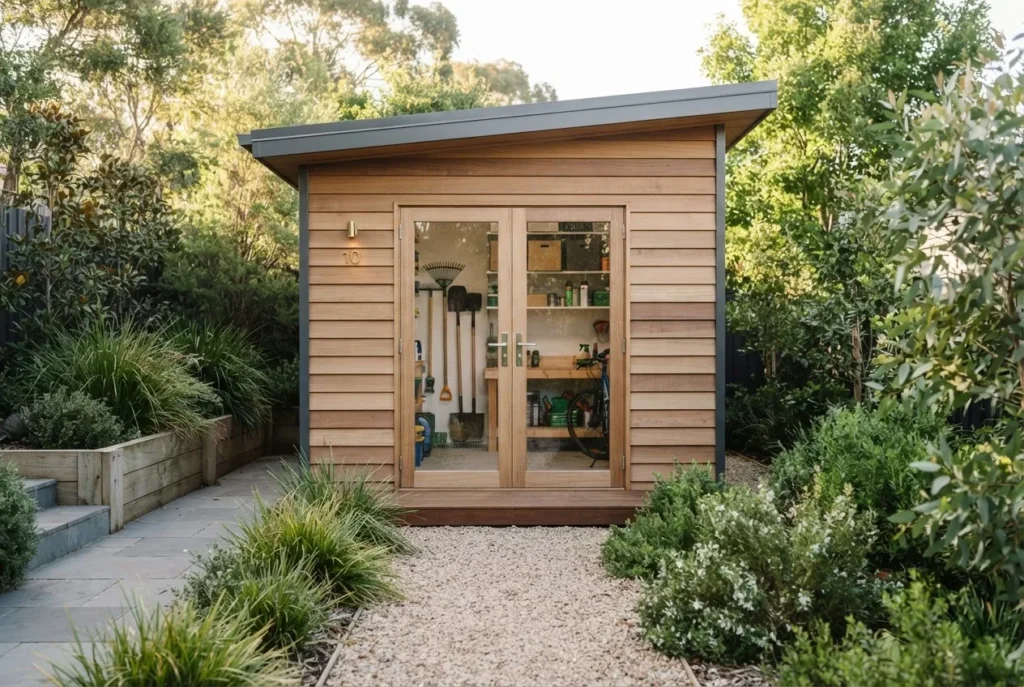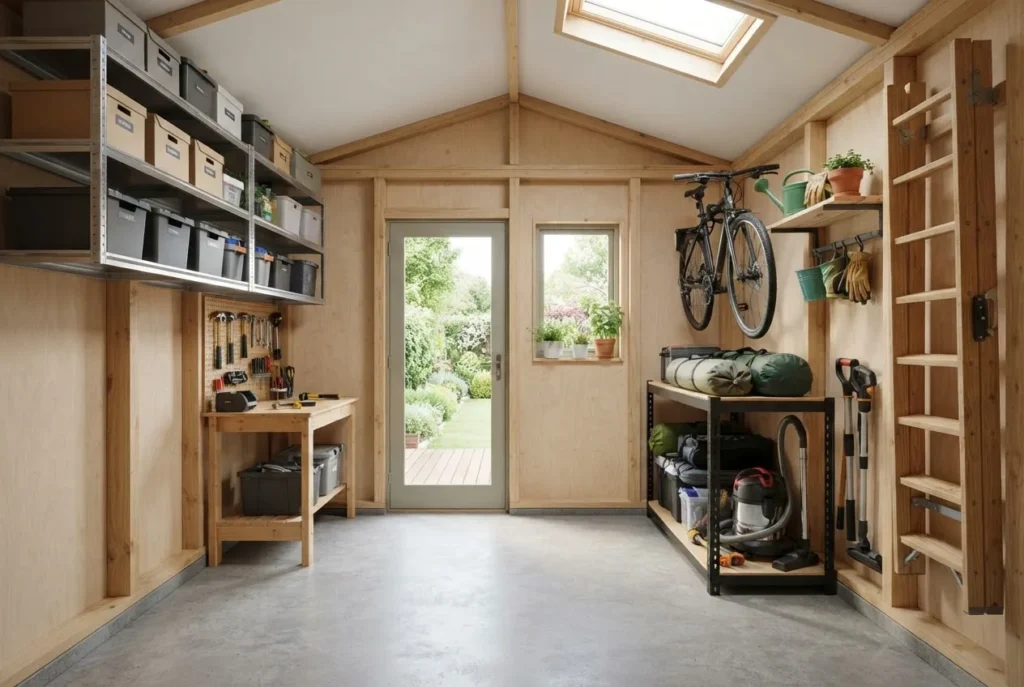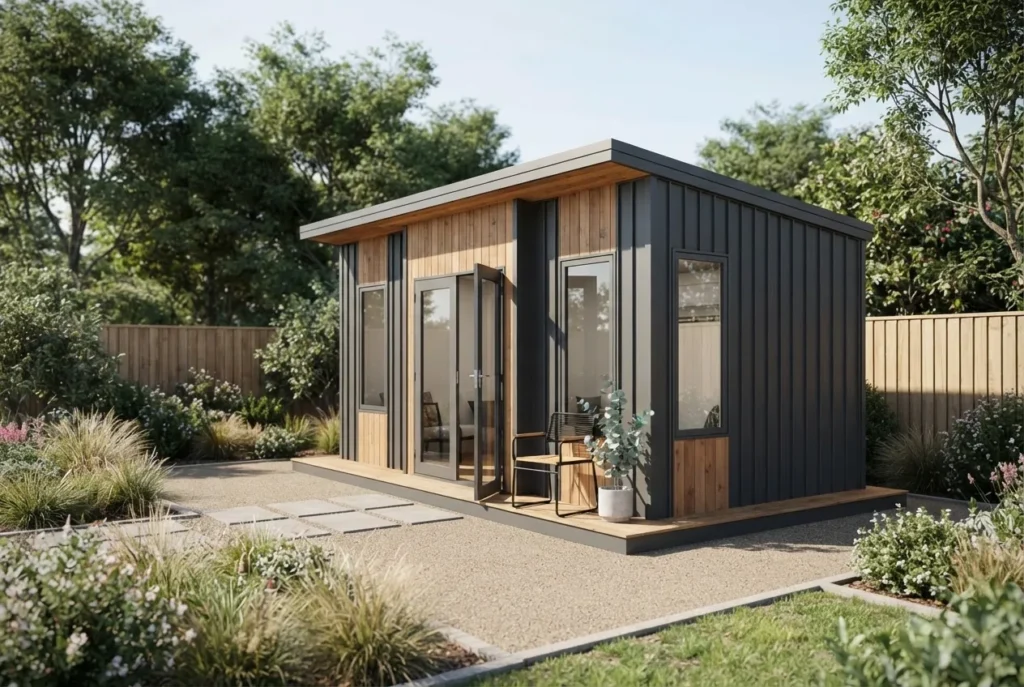

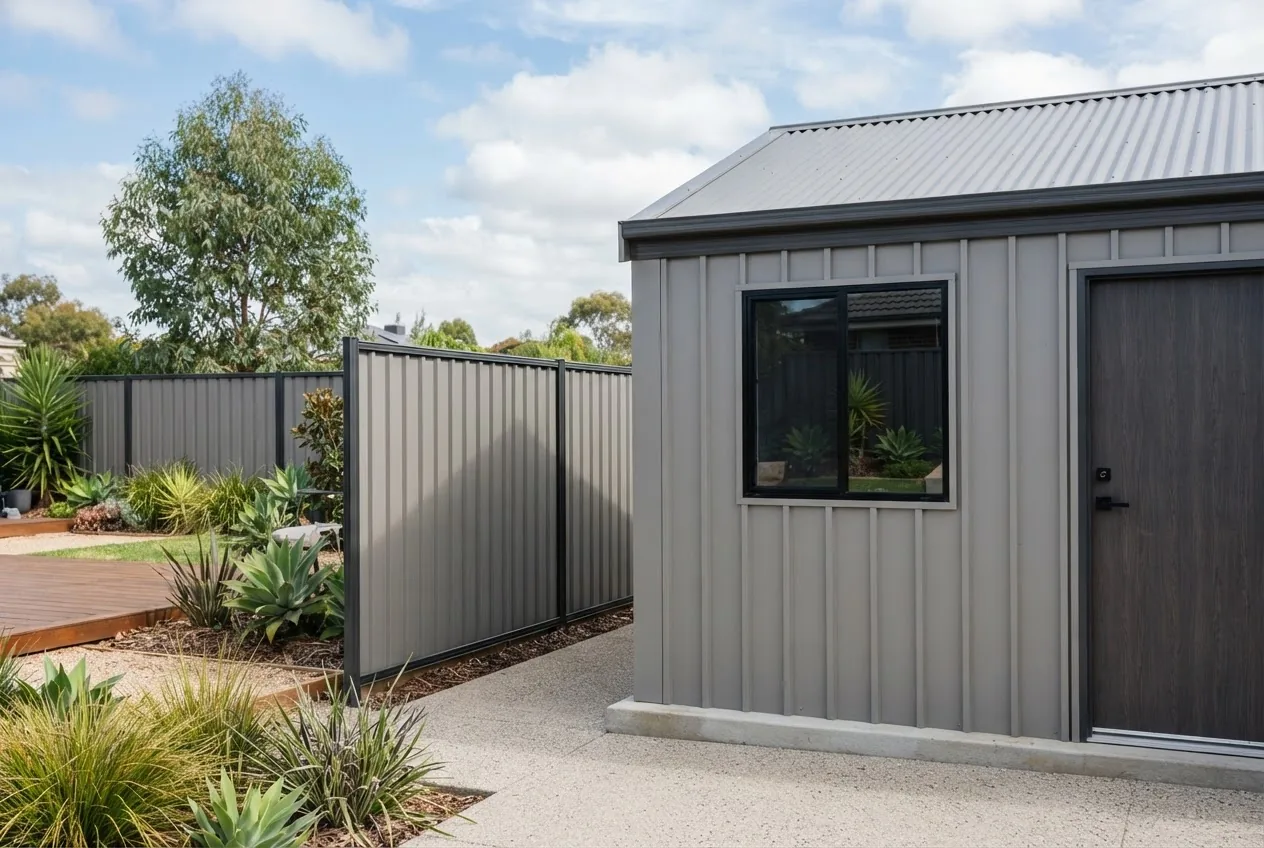

Gull Grey Colorbond is a muted, neutral mid‑grey steel finish ideal for contemporary sheds and fences; this guide explains how to match paints and fence colours, how Gull Grey differs from Shale Grey, local Melbourne climate effects, and practical installation and maintenance steps for a cohesive exterior scheme.
Introduction to Gull Grey Colorbond
Answer: Gull Grey Colorbond is a soft, muted mid‑grey within Bluescope’s Colorbond palette used for sheds, fences and roofs where a neutral, contemporary look is desired; it’s chosen for its neutral shed colour properties and compatibility with a wide range of trims and landscaping styles.
Gull Grey is one of Bluescope Steel’s popular Colourbond shades, described as a muted grey that works as a neutral base across Australian suburban and rural applications. It’s commonly used where a subtle, low-contrast finish is wanted—sheds, garages, fence panels and roof eaves. The tone sits between very light greys and warm concrete greys, lending versatility with both cool and warm accent colours.
Term: Colorbond is Bluescope Steel’s pre-painted, rolled steel product range for roofing and walling; it combines corrosion-resistant steel with factory-applied paint systems.
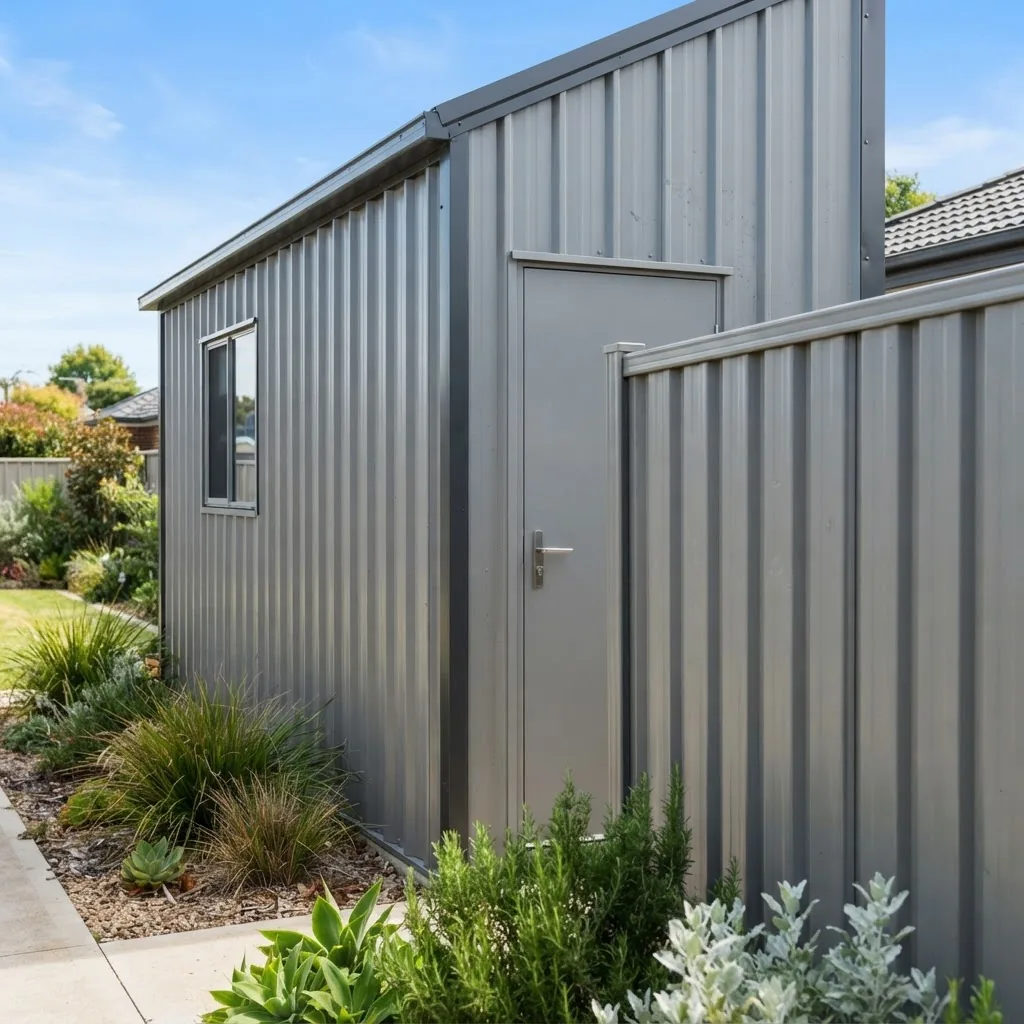
This Melbourne-focused guide treats Gull Grey as a practical, local choice — showing paint pairing and fence solutions suited to Melbourne suburban trends (e.g., inner-north contemporary townhouses, bayside beach cottages, western suburbs’ mixed-material yards). Where relevant, standards and datasheet values from Bluescope and Australian regulators are cited.
For details about compatible roof edge materials and finishing choices, see guidance on roof capping materials.
Characteristics and Benefits of Gull Grey Colorbond
Answer: Gull Grey Colorbond offers durable pre-painted steel performance—weather resistance, UV stability and long lifespan—combined with a neutral aesthetic that reduces visual heat gain and pairs well with diverse accent colours in Melbourne conditions.
Below are the core performance and design characteristics of Gull Grey Colorbond, with practical benefits for homeowners and builders.
Term: UV stability is the ability of a paint finish to resist colour change and chalking when exposed to sunlight; it’s expressed in manufacturer ratings and expected years of service.
- Weather resistance: Colorbond steel is coated and painted in factory conditions to resist corrosion and moisture; typical suitability for walls, fences and roofs in suburban Melbourne.
- UV stability: Gull Grey uses top-coat systems rated for external UV exposure; Bluescope technical datasheets list expected colour retention periods under normal Australian exposure. According to a 2023 Bluescope Steel technical datasheet, Colorbond topcoats are formulated to reduce colour fade in coastal and urban conditions (source: Bluescope technical datasheet, 2023, external).
- Steel gauge: Colorbond is available in multiple gauges; common residential fencing and shed panels use around 0.42mm–0.48mm base metal thickness for a balance of strength and cost.
- Finish types: Standard Colorbond finishes include low gloss and smooth, with some Ultra ranges offering enhanced protective systems, abrasion resistance and increased warranty periods.
- Longevity: Properly installed and maintained, Colorbond panels can last 20+ years in Melbourne’s climate; warranty periods vary by product and exposure zone (see Bluescope datasheet references).
- Neutral aesthetic: Gull Grey’s muted tone reduces contrast with brick, timber and stone, making it a go-to neutral shed colour for contemporary properties.
- Thermal behaviour: Mid greys like Gull Grey balance solar absorption and glare; they’re darker than light neutrals but still moderate in heat gain versus dark Monument or Woodland Grey shades.
For product-specific performance including Colorbond Ultra specifications, consult the Colorbond Ultra steel features guidance. Colorbond Ultra steel features
Practical benefits to homeowners:
- Low maintenance: factory-applied coatings reduce repaint frequency.
- Consistent finish across panels for fences and sheds, simplifying colour matching.
- Good resale appeal: neutral palette suits broad buyer tastes in Melbourne suburbs.
Material and design trade-offs:
- Colour perception shifts with light — Gull Grey appears cooler in northern sun and warmer on overcast days.
- If paired with very dark trims, Gull Grey might look pale; pairing advice follows later in the guide.
Paint Options to Complement Gull Grey Colorbond
Answer: Choose complementary exterior paints that emphasise Gull Grey’s neutrality—soft whites, warm off‑whites, muted blues and deeper charcoal trims—using metal-compatible exterior coatings with UV protection and suitable finishes for fences and sheds.
When matching paint to Gull Grey Colorbond, the two priorities are colour harmony and technical compatibility: paint products must adhere to pre-painted steel and offer UV resistance for Melbourne’s variable climate.
Term: LRV (Light Reflectance Value) is a numeric measure (0–100) of how much visible light a colour reflects; higher LRV means lighter appearance and less heat absorption.
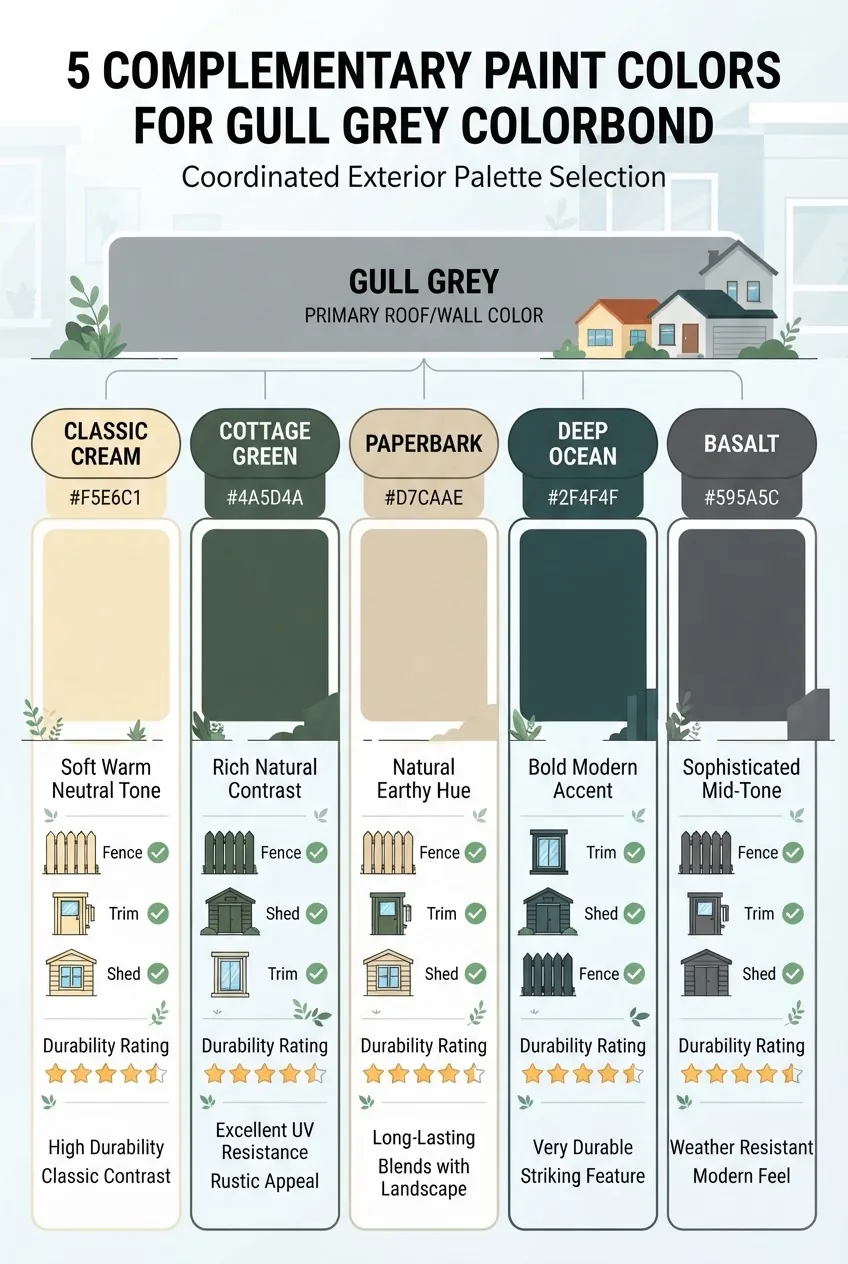
| Paint Option | Best Use | LRV approx. | Finish & durability |
|---|---|---|---|
| Soft Off‑White (cool undertone) | Shed walls, trims | ~70 | Satin; high UV resistance |
| Muted Slate Blue | Accent trims, doors | ~35 | Eggshell; UV-stable pigment |
| Warm Greige | Fence posts, house brick complements | ~55 | Low sheen; good adhesion to metal |
| Charcoal/Almost Black | Trim, gates | ~8–12 | Gloss or satin; caution for heat |
| Pale Green (subtle) | Garden gates, feature wall | ~45 | Satin; good outdoor pigment stability |
Practical paint-selection notes:
- Use metal-specific exterior paints with corrosion-inhibiting primers if painting over bare steel or previously painted non-Colorbond surfaces.
- For factory-painted Colorbond panels, Bluescope generally recommends avoiding sanding through the factory coating; instead use compatible overcoats specified by paint manufacturers—see the Colorbond paint options guidance. Colorbond paint options
- For roof edges and flashing, coordinate with roof paint and flashing techniques when painting close to roof junctions.
Comparison of Colorbond Gull Grey vs Shale Grey paint (quick notes):
| Attribute | Gull Grey | Shale Grey |
|---|---|---|
| Tone | Neutral mid-grey | Slightly warmer/greige grey |
| Use on fences | Good as main panel colour | Popular for fences to soften contrast |
| LRV (approx.) | ~45–55 | ~50–60 (slightly lighter feel) |
Technical compatibility tips:
- Assess adhesion: If repainting Colorbond factory-coat, use a paint system approved for pre-painted steel; when in doubt, consult Bluescope technical specs. Bluescope Steel technical specifications
- Primer selection: Use an etch or metal primer only when exposing bare steel; otherwise, use adhesion-promoting primers designed for factory-coated substrates.
- Finish selection: Use satin or low-sheen finishes for external metal to reduce glare and show fewer water marks.
Fence Colour Options for a Cohesive Look
Answer: For seamless exteriors pair Gull Grey Colorbond with similar greys like Shale Grey for subtle contrast, charcoal trims for definition, or warm neutrals for soft contrast; choose compatible fence materials and panel styles common to Melbourne fencing trends.
Fence colour selection is as much about material compatibility and style as pigment. Below are fence colour options with examples relevant to Melbourne suburbs and typical fence materials.
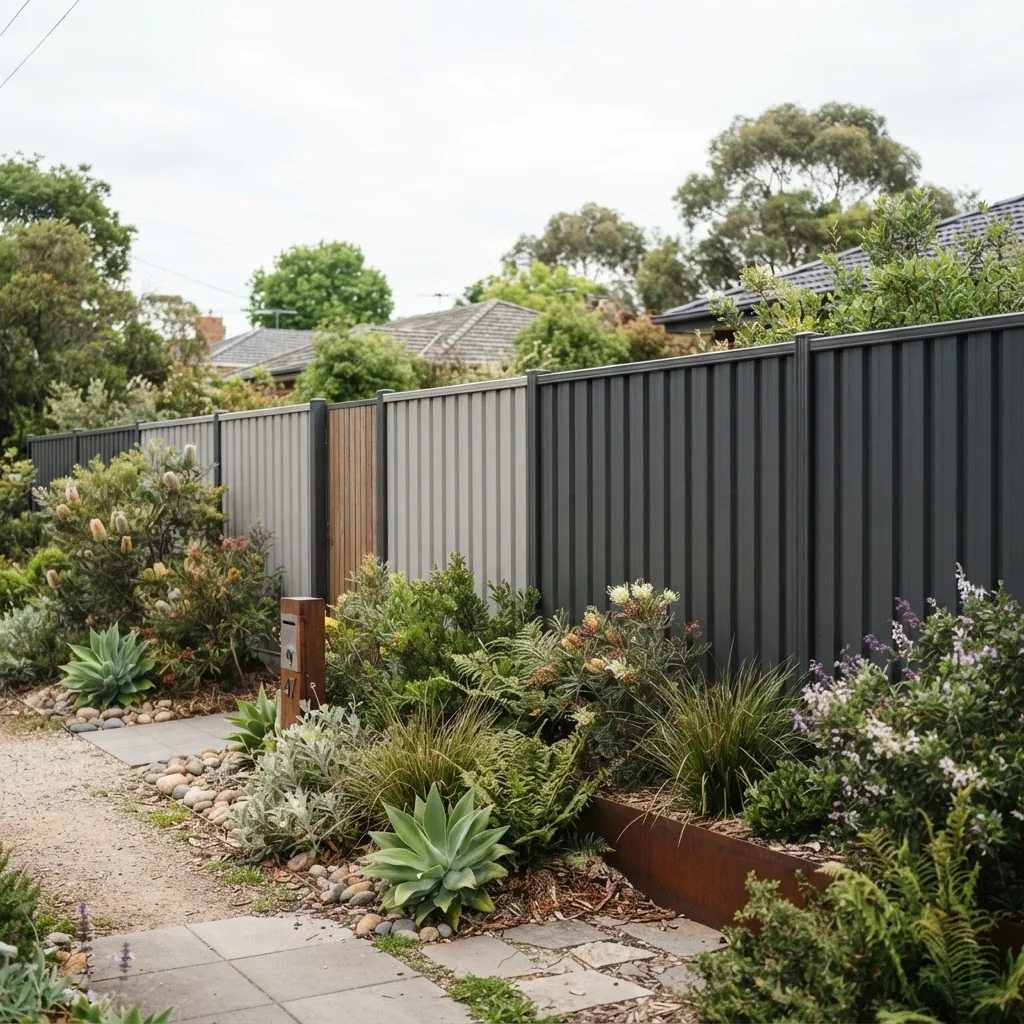
Common colour strategies:
- Monochrome seamless: Use Gull Grey for both shed and fence panels with the same finish for minimal contrast and a clean modern look—works well in inner-city terraces and minimalist contemporary homes.
- Soft contrast: Gull Grey panels with Shale Grey posts or capping creates a subtle two-tone effect that reads as intentional and gives depth to horizontal runs.
- Trim definition: Combine Gull Grey panels with darker charcoal posts or gates to frame entrances and create architectural punctuation.
- Natural palette: Pair Gull Grey with timber-look posts or screen elements for warmth on streetscapes in Melbourne’s bayside suburbs.
Fence materials compatibility:
- Colorbond fence panels: Best colour match and minimal maintenance—use the same Colorbond finish for continuity. For pricing and material choices see Colorbond fence panels.
- Timber-post with Colorbond infill: Offers warmth but requires timber treatment and maintenance; stain choice should harmonise with Gull Grey (e.g., light oak or mid-brown).
- Aluminium slats: Powder-coated to match Gull Grey or complementary shades—lighter slats can reduce the visual bulk of high fences.
- Masonry bases: Rendered or brick bases paired with Gull Grey infill read as high-end and durable in Melbourne’s varied suburban contexts.
Design examples by Melbourne suburb trends:
- Inner-north & inner-east: Minimal colour palettes—Gull Grey panels, dark trims, and greenery for soft contrast.
- Bayside suburbs: Gull Grey paired with pale timber and bleached stone to evoke coastal restraint.
- Western growth areas: Durable Colorbond fencing in Gull Grey combined with privacy-friendly heights and integrated gates.
Comparing Bushland to Gull Grey: If you prefer earthy, camouflaged tones over neutral grey, explore Bushland colour options for a greener, landscape‑focused finish.
Practical fence-style examples (visualise these combinations):
- Gull Grey Colorbond full panel fence with charcoal gate and pale timber planter boxes for a front-yard modern look.
- Shale Grey capping with Gull Grey panels and light-coloured rendered base for a softened suburban boundary.
- Gull Grey panels alternating with vertical timber slats every 2m for texture and natural warmth.
Installation notes for colour consistency:
- Order panels and capping from same Colorbond batch when possible—batch-to-batch variation can occur.
- Use manufacturer-specified fixings and fastener colour caps to avoid visible corrosion spots or mismatched colours.
- Consider sacrificial sample panels on site to view colour under local lighting before full installation.
Coordinating Gull Grey Colorbond with Shed Colours and Exterior Schemes
Answer: Coordinate Gull Grey with complementary shed colours by using neutral bases, warm trim accents or deeper contrast shades, and apply simple colour theory—use one base, one trim, one accent—to create cohesive exteriors across sheds, houses and fences.
When planning a whole-property palette, think in layers: main cladding (Gull Grey), trims/flashings, and accent elements (doors, screens, planters). Below are practical schemes and a direct link to a broader shed colour palette.
For a wider range of shed colour choices beyond Gull Grey, review the full shed palette at best shed colour options.
Numbered colour schemes (use one base + one trim + one accent):
- Contemporary Coastal: Base: Gull Grey; Trim: Surfmist or off-white; Accent: Weathered timber gate. Works well in bayside Melbourne homes.
- Urban Minimalist: Base: Gull Grey; Trim: Monument/charcoal; Accent: Black powder-coated metal door—suits inner-city townhouses.
- Garden-Forward: Base: Gull Grey; Trim: Warm greige; Accent: Olive or muted green for gates and planter boxes—blends with lush landscapes.
- Industrial Modern: Base: Gull Grey; Trim: Metallic zinc finish or darker grey; Accent: Muted navy or slate blue for doors and feature panels.
- Soft Traditional: Base: Gull Grey; Trim: Shale Grey capping; Accent: Pale cream for eaves and fascia.
Considerations for Melbourne climate and styles:
- Melbourne’s variable sunlight and weather means test samples on-site; Gull Grey can shift in warm vs cool daylight.
- Higher exposure zones (coastal or industrial) may benefit from Colorbond Ultra or similar enhanced coatings—see Colorbond Ultra colours for options. Colorbond Ultra colours
- Landscape continuity: use pathways, planting and timber screens to bridge steel finishes and soften hard edges.
Case study — Melbourne suburban renovation (experience signal):
A customer in Brunswick East replaced an aging timber fence with Gull Grey Colorbond panels, paired with pale off-white trims and a charcoal custom gate. After two years service (local anecdote, owner report, Melbourne 2024), the panels showed minimal colour change; minor salt staining near western exposure was resolved with a soft rinse. Materials used: standard Colorbond Gull Grey panels, powder-coated steel gate in Monument, and timber planter boxes with oil finish.
Practical Tips for Using Gull Grey in Fencing and Painting
Answer: For successful results, prepare surfaces correctly, select metal-compatible paints and primers, use appropriate fasteners and follow on‑site colour sampling; maintain with regular cleaning and prompt touch-ups to prevent corrosion and preserve finish.
Below is a step-by-step walkthrough for matching fence paint to existing Gull Grey Colorbond panels, plus practical installation and maintenance tips.
Step-by-step: Matching fence paint to existing Gull Grey Colorbond
- Survey and sample: Place a 30x30cm panel of existing Gull Grey in the light where the fence will be viewed; observe at morning and afternoon light to account for Melbourne variation.
- Check datasheets: Refer to Bluescope’s datasheet for the Gull Grey LRV and colour code to provide to paint suppliers. According to a 2023 Bluescope Steel technical datasheet, product codes and recommended overcoat guidance are available from Bluescope. Bluescope Steel technical specifications
- Choose paint system: Select an exterior metal paint explicitly rated for pre‑painted steel or use a specialist overcoat system; confirm UV stability with supplier and refer to Australian Paint Manufacturers Association standards. Australian Paint Manufacturers Association
- Test panels: Paint small test panels with the chosen system and apply to a hidden section of the fence; allow full cure and inspect colour and adhesion after 7–14 days.
- Application: Clean surfaces with a TSP substitute or mild detergent, remove loose dirt, lightly abrade any glossy areas to promote adhesion (follow paint maker’s guidance), then apply primer (if needed) and two coats of topcoat at recommended spread rates.
- Final inspection: Check for uniform sheen, colour match across joins and consistent fastener caps matched to panel colour.
Tools and materials description (experience signal — tools used in local walkthrough):
- Electric pressure washer (low pressure setting), soft-bristled brush, mild detergent.
- 3M Scotch-Brite or fine abrasive pads for light abrading of glossy factory coats.
- Metal-rated primer and topcoat (alkyd or acrylic systems specified for pre-painted steel), brushes and airless sprayer for large runs.
- Colour spectrophotometer or paint chip books to match Gull Grey to manufacturer codes when available.
Installation tips for fences:
- Use corrosion-resistant fixings: stainless or hot-dipped galvanized fasteners with matching colour caps for visual consistency.
- Allow thermal expansion gaps per Colorbond installation guidance to avoid panel buckling in Melbourne’s temperature swings.
- Coordinate gates: when ordering custom gates, confirm powder-coat or paint batch codes to match Gull Grey or choose complementary contrast.
- For gate sizing and installation guidelines see fence gate sizes and installation.
Maintenance and cleaning:
- Routine rinse every 6–12 months in metropolitan Melbourne removes dirt and pollutants—more frequent cleaning may be needed in coastal areas.
- Remove bird droppings and tree sap promptly to avoid staining or coating degradation.
- Inspect joins, flashings and fasteners annually for early corrosion and reseal or touch-up with approved repair paints.
Avoiding fading and peeling:
- Use UV-stable topcoats with proven pigment stability; check manufacturer warranty and UV-resistance claims.
- Follow proper surface prep—adhesion failures often stem from contamination or insufficient abrading prior to overcoating.
- For cost-effective roofing and panel options aligned with Gull Grey projects, consider affordable roofing materials when budgeting shed roofs.
- When budgeting project-wide costs, review Colorbond roof pricing to understand impact on total project costs.
Frequently Asked Questions about Gull Grey Colorbond
Answer: Below are concise expert answers to common questions about Gull Grey, paint matching, durability, maintenance and suitability for local conditions including fire-prone areas and colour identification.
(See full FAQ section below for snippet-optimised Q&A.)
Conclusion and Next Steps
Answer: Use Gull Grey Colorbond as a versatile neutral base, pair it with tested metal-compatible paints, sample colours on-site in Melbourne light, and follow installation and maintenance steps to ensure longevity and a cohesive fence-and-shed scheme.
Key takeaways:
- Gull Grey is a neutral mid-grey suited to modern and traditional Melbourne exteriors.
- When painting, use metal-specific systems with UV protection and follow APMA guidelines.
- Match panels by ordering consistent Colorbond batches and use compatible fasteners and capping to avoid visual mismatch.
Next steps:
- Order a Colorbond Gull Grey sample or obtain the Bluescope product code to take to paint suppliers.
- Run a 1m test panel on-site to check colour in morning and afternoon light.
- Engage a licensed painter experienced with metal overcoats or a fencing contractor for installation and warranty alignment.
For broader shed colour context, consult the best shed colour options guide.
Ready to move forward? Source sample panels from local suppliers, request Bluescope datasheets for Gull Grey (2023–2024 versions are current), and ask your contractor for a written maintenance and warranty schedule before sign-off.