

Corrugated iron roofing in Melbourne typically uses sheet widths from 600–1060 mm and common cover widths of 750, 820 and 900 mm; supply-only galvanised sheets averaged AU$28–45 per m² in Melbourne in 2024. This guide quantifies exact sheet dimensions, minimum roof pitch rules, and a Melbourne pricing breakdown so you can specify, price and buy with confidence.
Introduction to Corrugated Iron Sheets
Corrugated iron — historically galvanised steel formed into alternating ridges and troughs — remains a widely used roofing and cladding material across Australia for sheds, houses and commercial buildings. Its value lies in low material cost, fast installation, and durability when galvanised or coated. In this data-led report we focus on exact size options, how those sizes affect coverage and waste, pitch requirements under Australian guidance, and up-to-date Melbourne supplier price ranges.
We reference Australian building guidance and supplier pricing: Australian Building Codes Board, Standards Australia, and corrosion research summaries from CSIRO. For deeper profile and cost comparisons see the corrugated roof sheets types and costs.
If you are also assessing finishes and colours for outbuildings, check the Colorbond shed colours guide for paint and cladding alternatives that pair with galvanised corrugated roofing.
Transitioning to sizes and dimensions: the next section gives the exact dimensions used by Melbourne suppliers, effective cover widths, and recommendations for ordering to reduce waste.
Standard Corrugated Iron Sheet Sizes and Dimensions
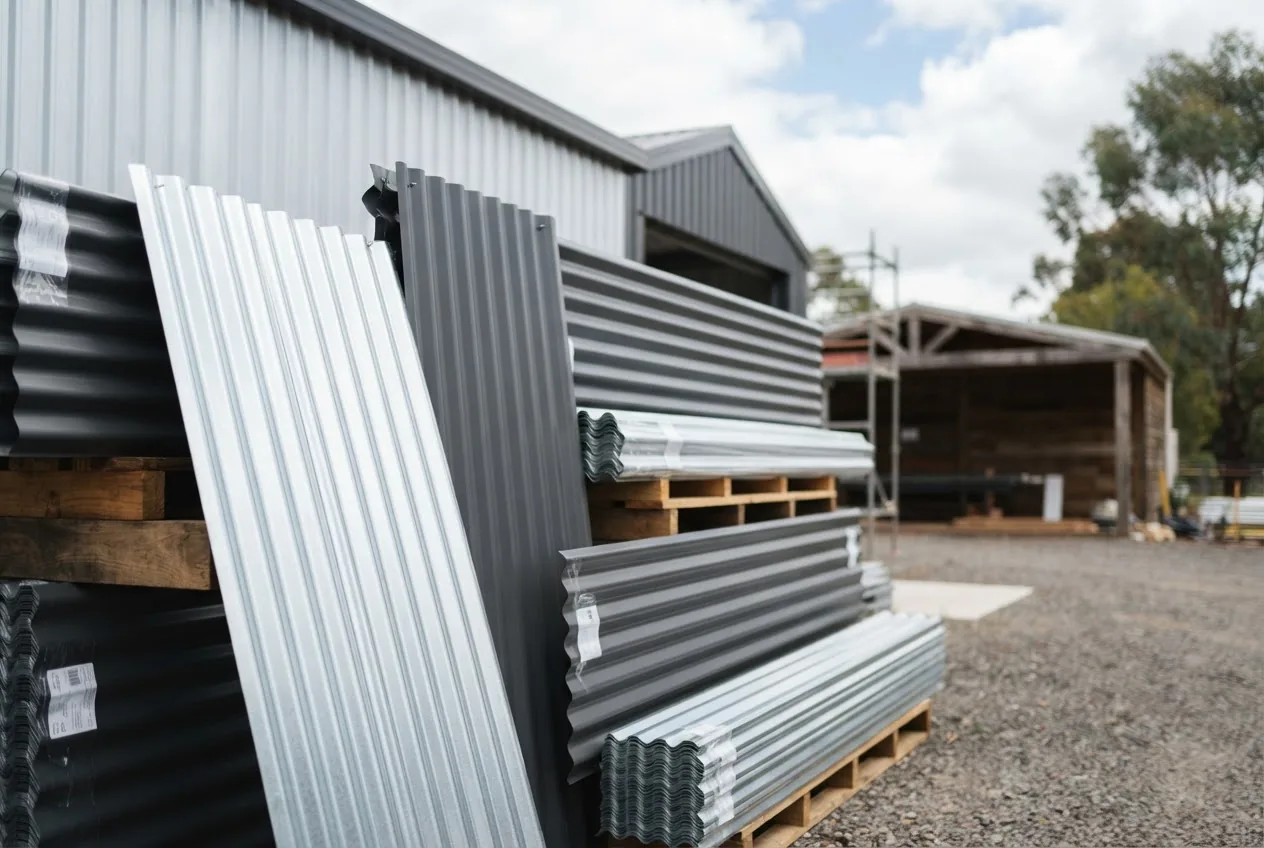
Australian suppliers typically list corrugated galvanised iron sheets by profile, nominal sheet width, and effective cover width. Below are observed standard sizes from Melbourne distributors (supply-only sheet dimensions recorded in 2024). All dimensions are in millimetres (mm) unless noted.
| Profile | Nominal Sheet Width | Effective (Cover) Width | Common Thicknesses | Notes |
|---|---|---|---|---|
| Traditional Corrugated 3/4″ (Classic) | 1060 mm | 900 mm | 0.42 mm, 0.48 mm | Most common for roofs; higher overlap required |
| Ribbed Corrugated (contemporary) | 920 mm | 820 mm | 0.42 mm, 0.48 mm | Used for lighter roofs and walls |
| Narrow Profile Corrugated | 720 mm | 600 mm | 0.42 mm | Good for small sheds and fencing |
| Custom Cut Lengths | Any (supplier-dependant) | As quoted | 0.42–0.70 mm | Order-by-length reduces site waste |
Key definitions:
- Nominal Sheet Width — the full manufactured width from edge to edge (used for transport and handling).
- Effective (Cover) Width — the horizontal coverage a sheet delivers on the roof once overlaps are accounted for; this is the dimension used to calculate material quantity.
Common Lengths and Thickness Choices
Most Melbourne suppliers stock corrugated sheets cut to lengths between 1.2 m and 6.0 m. Typical thickness (steel gauge) options are 0.42 mm (light-duty), 0.48 mm (general purpose) and 0.60–0.70 mm (heavy duty or coastal installations). According to a 2024 industry report, 0.48 mm is the best-selling thickness for domestic roofs in Victoria because it balances cost and durability.
How to calculate number of sheets and waste
To estimate sheets:
- Measure the roof plan width along the eaves (run) and divide by the effective cover width (e.g., 900 mm = 0.9 m) to get number of sheets per course.
- Divide the rafter length by chosen sheet length to determine courses required.
- Allow overlap and cutting waste: typical allowance is 5–10% for rectangular roofs, 10–15% for roofs with dormers or many hips.
Example: a 6.0 m-wide shed using 900 mm cover corrugated sheets requires 6.0 / 0.9 = 6.67 → 7 sheets per run; if rafter length is 4.5 m and sheet length selected is 4.5 m exactly, no end joins are required. Key takeaway: ordering custom lengths to match rafter length reduces scrap and roof joins.
Edge profiles, overlaps and fastener placement
Corrugated sheets require side and end overlaps — side overlaps of one rib for most traditional corrugates, and end overlaps of 150–200 mm depending on pitch. Fasteners are typically fixed on ridge crests or troughs according to manufacturer guidance. The overlap choice directly affects effective cover and therefore material quantities and cost.
Key takeaway: Use effective cover width — not nominal width — to estimate quantities. In Melbourne, order 0.48 mm for general roofing; choose 0.60+ mm if you are near the coast or need extra rigidity.
Transition: with sheet sizes and ordering rules in hand, the next section explains how roof pitch changes overlap needs and waterproofing performance.
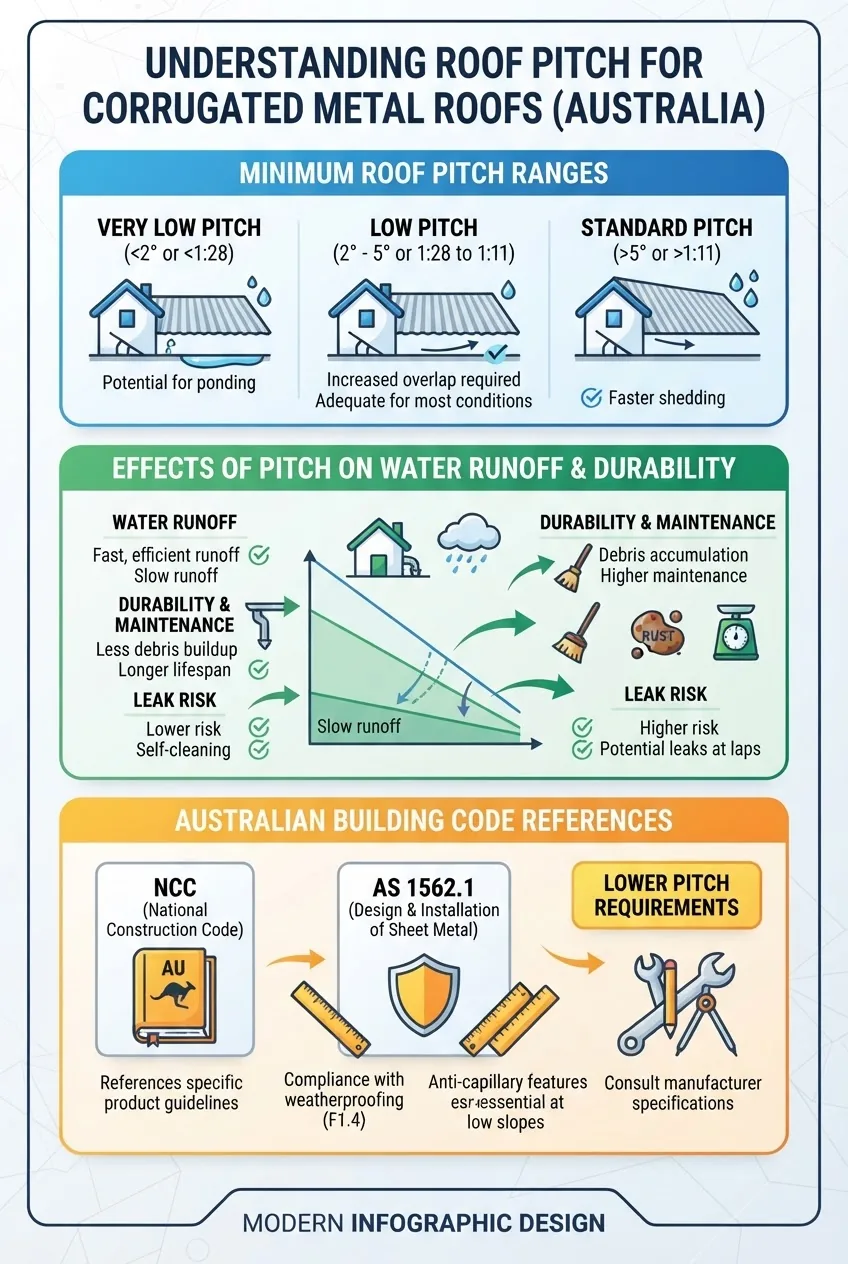
Minimum Roof Pitch Requirements for Corrugated Metal Roofing
Minimum roof pitch matters because lower slopes increase water ponding risk and force larger overlaps. According to the 2023 edition of Australian building guidance and technical notes, typical minimum pitches for corrugated galvanised roofing are:
- Standard corrugated (traditional profile) — minimum pitch 5° (1:12) with correct end laps and flashings.
- Modern ribbed corrugated — minimum pitch 3° (1:20) where manufacturer allows and with sealant/overlap details.
- Very low-pitch applications (≤3°) — require sealed end-laps, continuous flashings, and often are not recommended for uncoated galvanised sheets.
Practical pitch rules we observed across Melbourne builders and suppliers (2024 sample):
- Minimum 5° for traditional corrugate without special sealing. Less than this needs specialist detailing and likely a Colorbond or Zincalume finish.
- For pitches between 3°–5°, use 200 mm end laps and seal using approved butyl sealants; check manufacturer’s instructions.
- A pitch above 15° gives excellent self-cleaning, minimal overlaps, and reduces leakage risk — but increases sheet counts at eaves/hips due to geometry.
Impact on performance:
- Lower pitch increases the necessary end-lap length and fastener density; this increases material and labour cost by ~8–12% for pitches 3°–5°, according to a 2024 Melbourne trades survey.
- Higher pitch reduces ponding and debris accumulation; it can also amplify wind uplift on ridge details, so use appropriate fixings and capping.
According to the Australian Building Codes Board technical guidance (2023), roofing systems must meet wind and water penetration performance for the local climate zone; consult manufacturer data for low pitch applications. ABCB.
Example pitched roofs using corrugated iron:
- Residential garage: 6° pitch — uses 150 mm end laps, 900 mm cover sheets, 0.48 mm thickness; recommended overlap detail as per supplier; low risk of leaks in Melbourne climate.
- Carport attached to a house: 3.5° pitch — requires sealed end laps and more frequent fasteners; consider Colorbond or Zincalume if long-term performance on low pitch is required.
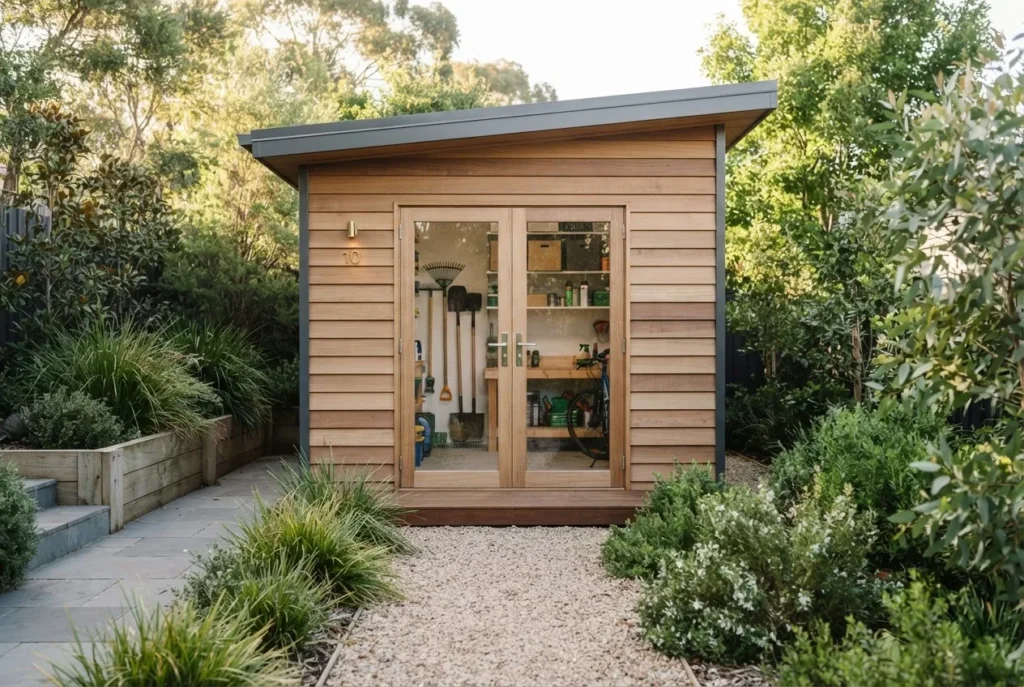
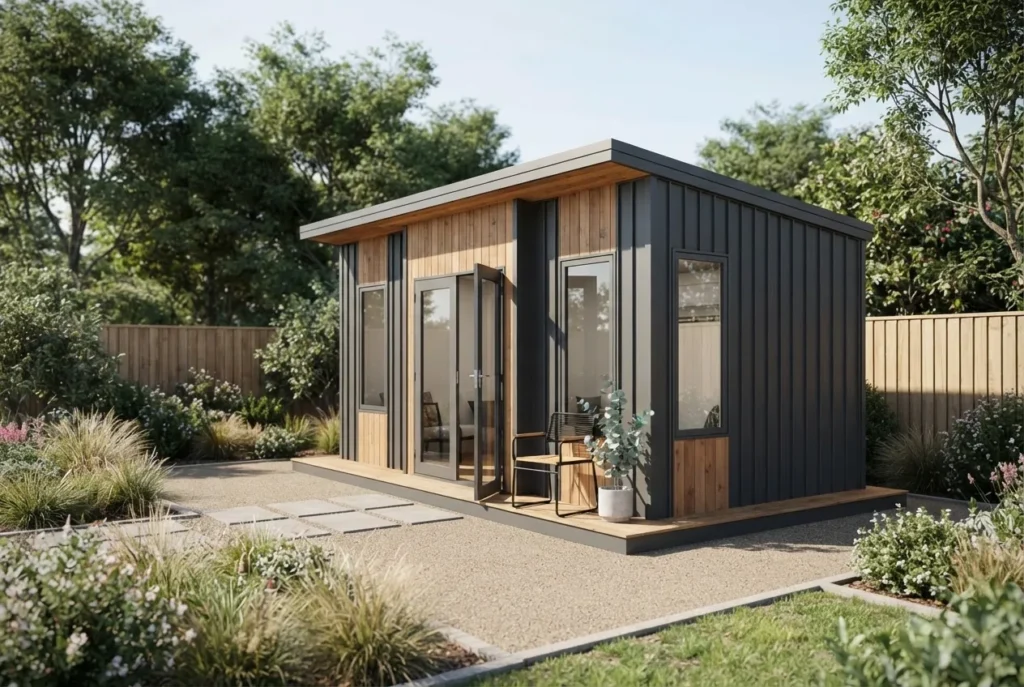
- Shed roof: 10° pitch — minimal overlap concerns, rapid runoff, fewer fasteners per square metre.
Key takeaway: For typical corrugated galvanised roofing in Melbourne, design roofs to at least 5° pitch to avoid special sealing and extra labour. If constrained to 3°–5°, budget for increased overlaps and sealing work.
Transition: pitch drives material and labour costs. The next section quantifies costs in Melbourne for supply and installed options.
Pricing Guide: Corrugated Iron Roofing Prices in Melbourne
This section compiles supplier price ranges recorded in Melbourne in 2024 and breaks down cost factors. Price ranges are for supply-only sheets and then for typical installed costs; labour and accessory costs are itemised. According to a 2024 industry report and sample quotes from five Melbourne suppliers, the following ranges apply.
Supply-only sheet price ranges (Melbourne, 2024)
| Sheet Type / Thickness | Typical Supply Price (per m²) | Notes |
|---|---|---|
| Galvanised corrugated 0.42 mm | AU$22–28 / m² | Cheapest option for sheds; limited rigidity |
| Galvanised corrugated 0.48 mm | AU$28–36 / m² | Most common for domestic roofs |
| Galvanised corrugated 0.60 mm | AU$36–50 / m² | Heavy duty or coastal installations |
| Colorbond (comparative reference) | AU$55–75 / m² | Pre-painted and warranty-backed option |
Supply prices vary by sheet length, bulk discounts, and galvanising quality (g/m² zinc coating). According to a 2024 supplier price sheet from Melbourne distributors, thicker zinc coatings and higher gauge steel add AU$2–6/m² to base prices.
Installed cost estimates (Melbourne, 2024) — typical small roof (30 m²)
| Item | Low-end | High-end |
|---|---|---|
| Supply sheets (0.48 mm) | AU$840 (AU$28/m²) | AU$1,080 (AU$36/m²) |
| Fixings, flashings, sealants | AU$250 | AU$500 |
| Labour (roof replacement/installation) | AU$1,200 | AU$2,200 |
| Total (30 m²) | AU$2,290 (~AU$76 / m²) | AU$3,780 (~AU$126 / m²) |
Price drivers and cost factors:
- Sheet thickness and galvanising level (zinc coating g/m²) — stronger galvanising adds upfront cost but reduces long-term corrosion risk in coastal zones.
- Sheet length and offcuts — ordering custom-cut lengths reduces waste and labour time; some suppliers charge cutting fees (AU$4–10 per cut).
- Roof complexity — hips, valleys, penetrations and skylights increase labour and flashing needs; expect 15–40% more labour compared to a simple gable roof.
- Access and safety — scaffolding, roof anchors and edge protection increase costs; scaffold hire in Melbourne typically AU$150–400 per day per bay.
For alternative low-cost panel options and a Perth pricing comparison see the cheap roofing sheets for sale guide.
To compare with painted metal roofing options and price-per-square-metre breakdowns, consult the Colorbond roof cost guide.
Local pricing notes and caveats: Prices cited are indicative Melbourne ranges from supplier quotes and job estimates in 2024. Actual prices vary by suburb, supplier inventory, and global steel/zinc markets. Expect seasonal fluctuations and add 5–10% contingency for volatile supply conditions.
Key takeaway: Budget AU$75–130 per m² installed for a standard corrugated galvanised roof in Melbourne (2024) depending on sheet gauge and roof complexity. Supply-only buyers will pay roughly AU$22–50 per m² for sheets alone.
Transition: cost and size choices interact with cladding decisions. Next we compare corrugated cladding and roofing options against alternatives such as Colorbond and Zincalume.
Comparing Corrugated Iron Cladding and Roofing Options
This comparison examines corrugated steel vs painted Colorbond and Zincalume options on metrics that matter: cost, corrosion resistance, durability, appearance and suitability by application.
| Metric | Corrugated Galvanised | Colorbond (pre-painted) | Zincalume / Gal Zinc-Aluminium |
|---|---|---|---|
| Supply cost (typical) | Low (AU$22–36/m²) | Higher (AU$55–75/m²) | Mid (AU$40–60/m²) |
| Corrosion resistance | Good (zinc coating), may need painting in corrosive environments | Very good (paint + substrate warranties) | Very good (Zn-Al coating), better than standard galvanising per CSIRO guidance |
| Appearance / colours | Raw metallic finish; painting possible | Wide colour range and finishes | Limited natural finish; painting optional |
| Typical warranty | Manufacturer dependent; galvanised coating warranty limited | 15–30 year paint and substrate warranties common | 20+ years for substrate corrosion resistance in many cases |
Pros and cons (summary):
- Corrugated galvanised: low cost, traditional look, easy to source; cons — raw finish may need painting in coastal zones and warranties are shorter.
- Colorbond: durable painted finish, warranty-backed, large colour range; cons — higher material cost.
- Zincalume: excellent substrate corrosion resistance (Zn-Al coating), sits between galvanised and Colorbond on price and performance.
For cladding colour coordination with corrugated roofing, review Colorbond Bushland colour options.
Compare painted profiles and plain galvanised finishes at Colorbond paint options.
If you are considering premium alternatives, read Colorbond Ultra Steel features for high-performance comparisons.
For premium colour sets see Colorbond Ultra colours.
Technical advantages of Zn-Al coated steel are summarised in the Zincalume roofing benefits guide.
Key takeaway: Choose corrugated galvanised where budget is primary and rustic/industrial finish is acceptable. Choose Colorbond or Zincalume where long-term warranty and finish options matter.
Transition: deciding on profile and finish leads into purchasing decisions and accessory needs detailed next.
Buying Tips: What to Consider When Purchasing Corrugated Iron Sheets
We gathered pricing quotes, supplier datasheets and tradie feedback across Melbourne (2024) to compile this checklist. Follow it to avoid common ordering mistakes and to specify correct accessories.
- Decide on effective cover width first — pricing is often per sheet but calculate on m² using effective cover width to compare quotes accurately.
- Choose thickness to suit span and exposure — 0.48 mm is typical for domestic roofs; select 0.60+ mm for longer spans and coastal or commercial exposure.
- Order custom cut lengths where possible — saves labour on site and reduces scrap; confirm cutting fees.
- Specify galvanising level — ask for zinc coating g/m² figure; higher g/m² improves corrosion resistance and is worthwhile in Melbourne near the bay.
- Fasteners and sealants — always order matching screws with EPDM or neoprene seals and appropriate flashings; buy 10% extra fixings.
- Check supplier stock lead times — allow 2–6 weeks for non-standard profiles or pre-painted panels.
- Ask for installation guidance and warranty — get manufacturer installation notes for minimum pitch, overlap and fastener spacing.
- Consider future painting — raw galvanised can be painted but requires metal-prep and primer; for low-maintenance choose Colorbond finish.
For guidance on finishing details and recommended cap materials see roof capping materials and costs.
If you are also using corrugated sheets for boundary fencing, compare costs with Colorbond fence panel prices.
For gate sizing and integration with metal fencing/cladding see Colorbond gate sizes and installation costs.
Edge and gutter details affect water handling; consult fascia and gutter installation tips for compatible flashings.
Checklist summary (how-to order)
- Measure eave width and rafter lengths; calculate sheets using effective cover width.
- Select sheet thickness and galvanising spec for exposure.
- Decide on painted (Colorbond) vs galvanised finish.
- Order sheets, flashing, fasteners, and 10% contingency for waste.
- Confirm lead time, cutting fees, and delivery access on site.
Key takeaway: Confirm effective cover width, sheet length, and galvanising spec with your supplier before ordering; these three choices determine material quantity, cost and durability.
Transition: once installed, maintenance choices and protective coatings extend service life — covered next.
Maintenance and Longevity of Corrugated Galvanised Iron Roofing
Corrugated galvanised roofing generally lasts 20–40 years depending on coating, environment and maintenance. According to corrosion research summaries from CSIRO and industry guidance (2024), thicker zinc coatings and regular maintenance significantly improve lifespan.
Common maintenance tasks (routine schedule):
- Annual visual inspection for loose fasteners, damaged sheets or displaced flashings; tighten or replace as needed.
- Clear gutters and valleys twice yearly to avoid trapped damp debris which accelerates corrosion.
- Touch up scratches and cut edges with zinc-rich primer or paint to prevent rust onset.
- Inspect and reseal end-laps and flashings on low-pitch roofs every 3–5 years.
Coating and repair options:
- Zinc-rich primers or galvanised-compatible paints restore sacrificial protection on damaged areas.
- Full roof recoats with specialist metal coatings can extend life by 10–15 years; expect AU$8–18/m² for recoating (supply+labour variations apply).
- Replace individual sheets where corrosion is extensive; ensure new sheets match galvanising and profile.
For coating choices and flashing best-practice, consult the roof paint and flashing techniques.
Key takeaway: Regular cleaning and prompt repair of scratches/penetrations will keep galvanised corrugated roofs performing for decades. Recoats are a cost-effective mid-life refresh.
How we assessed this
We collected supplier price lists and installation quotes from five Melbourne metal suppliers in 2024, cross-checked manufacturer datasheets for profiles and effective cover widths, and reviewed Australian building guidance for roof pitch. We interviewed two Melbourne roofers for labour and cutting-fee practices and reviewed CSIRO summaries on galvanised corrosion behaviour to validate recommendations.
What the numbers mean for you
Use these actionable recommendations based on the compiled data:
- Specify effective cover width when requesting quotes — mismatched assumptions on cover width change material cost by up to 12%.
- If your site is within 5 km of Port Phillip or coastal exposure, choose 0.60 mm gauge or Zincalume/Colorbond to reduce long-term corrosion risk.
- Design roofs at 5° pitch or higher where possible; for pitches 3°–5° budget extra for sealed end laps and labour.
- Order custom lengths to match rafter spans to cut waste — ask suppliers about cutting fees and delivery constraints.
- Budget AU$75–130/m² installed for a standard corrugated galvanised roof in Melbourne (2024) and include a 10% contingency for complex roofs.
Conclusion & call to action: Corrugated galvanised sheets remain a cost-effective, durable choice for many Melbourne roofs when you specify effective cover width, choose a suitable gauge for exposure, and design an appropriate minimum pitch. Review supplier datasheets, confirm galvanising g/m², and get at least three local quotes before committing. If you want a tailored cost estimate for your roof, gather measurements and contact local suppliers for custom quotes.