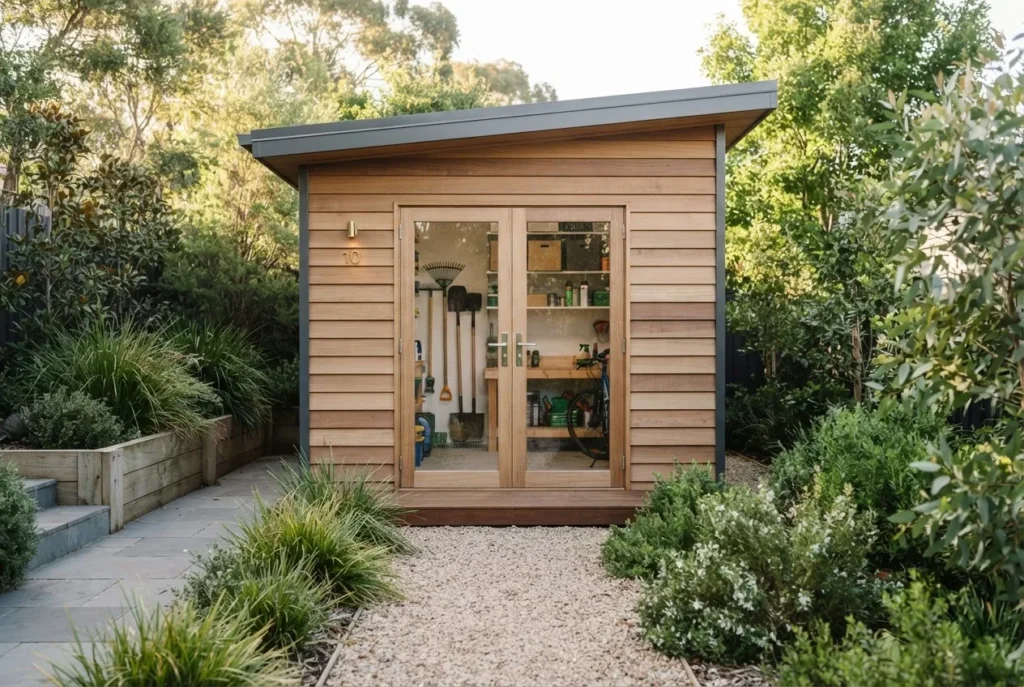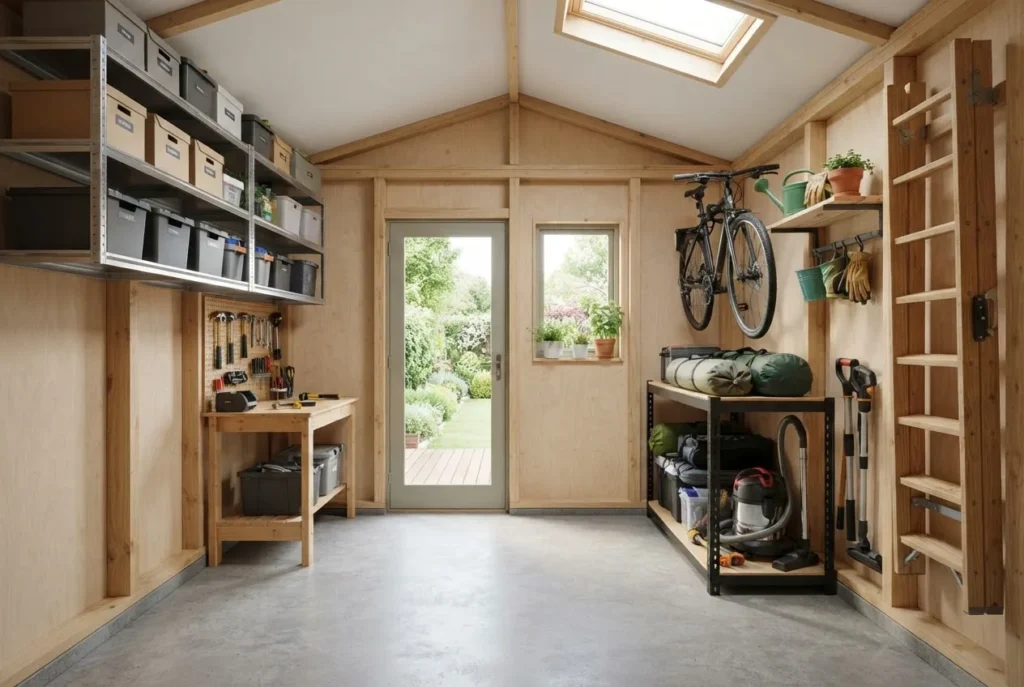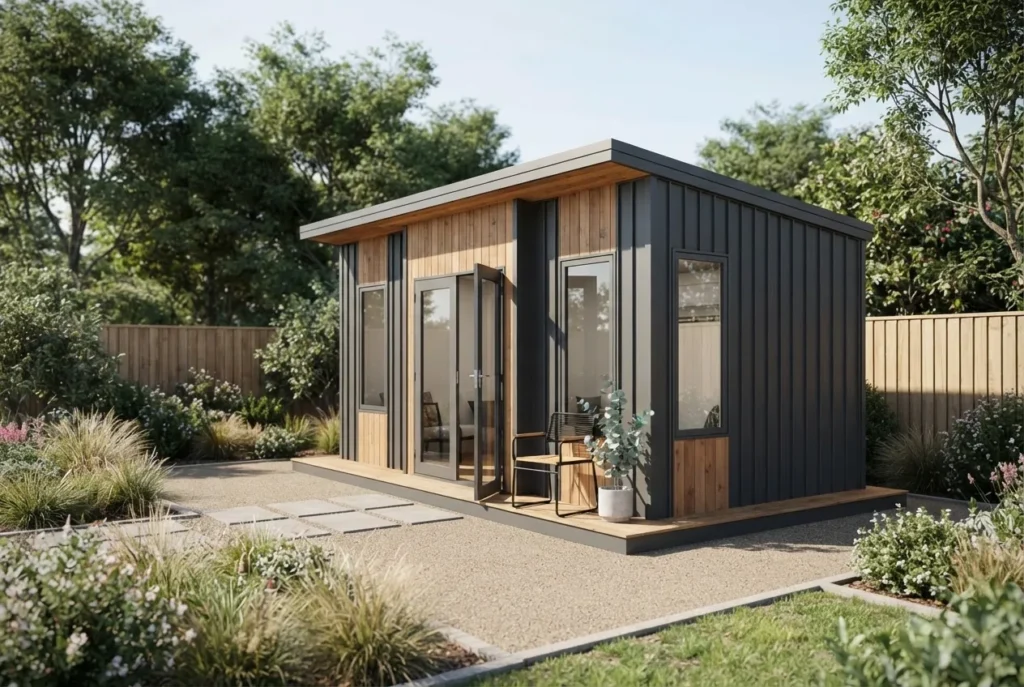

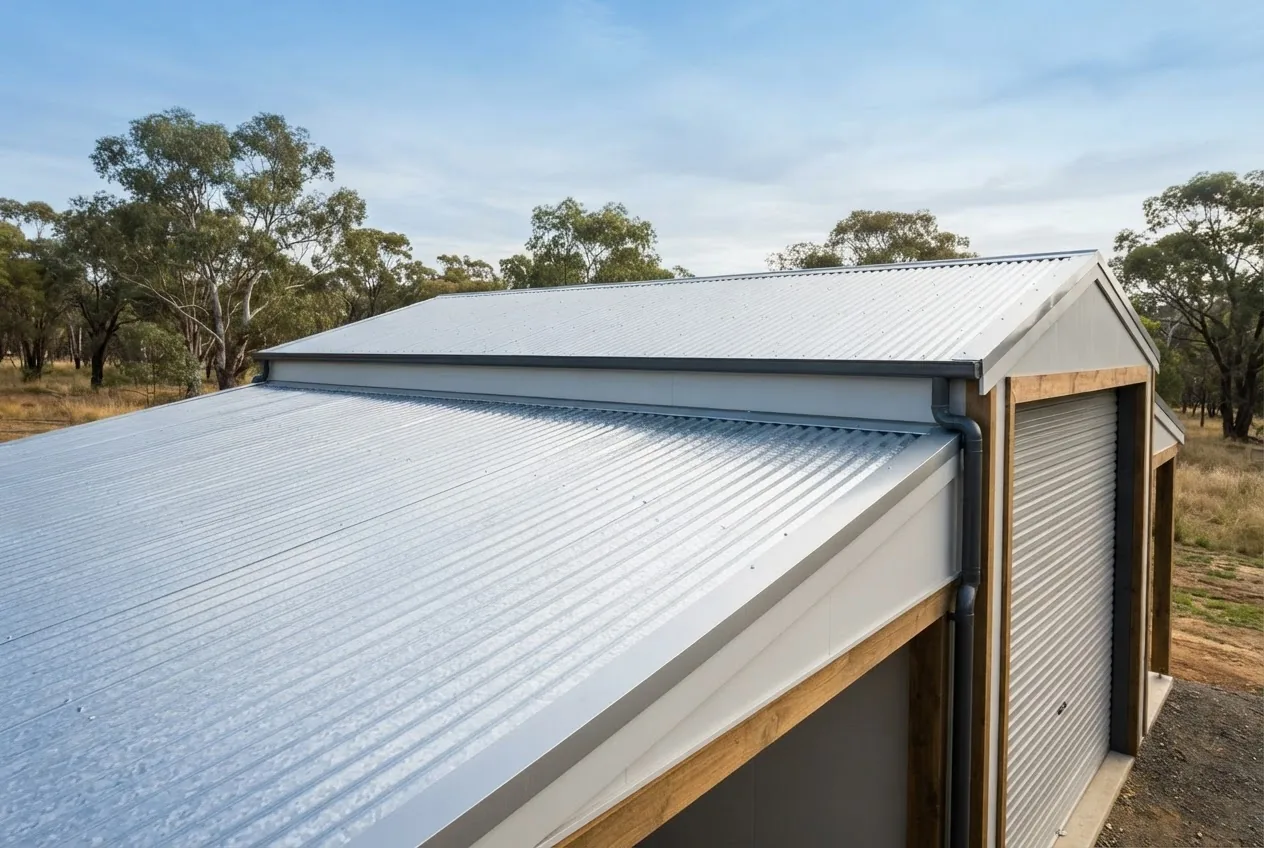

Zincalume roof — by the end of this hands-on guide you will confidently choose the correct sheet type, understand manufacturing and coating details, and follow an installation-ready checklist tailored to Melbourne conditions; allow 3–8 hours for a small shed roof assessment and planning, and basic DIY to experienced installer skill level.
Introduction to Zincalume Roofs
This guide focuses specifically on zincalume roof sheeting — its types, composition, technical benefits and practical suitability for sheds and small-scale residential projects in Melbourne. Metal roofing basics matter here: zincalume is steel coated with a zinc–aluminium alloy to improve corrosion resistance and thermal performance compared with bare steel. As a hands-on guide written for knowledgeable DIYers and small builders, I’ll explain what zinc aluminum coating is, the most common roofing profiles you’ll encounter, and the real-world trade-offs when selecting sheets for a Melbourne installation.
Zincalume’s popularity in Australia stems from a balance of strength, lightweight handling and longevity. The coating is applied at the mill; it protects the steel substrate and delays corrosion even in variable climates. For sheds, garages and light commercial roofing, zincalume cladding is a widespread choice because it integrates well with common roofing profiles and flashing systems used across Australia.
Melbourne’s climate — a mix of cool wet winters, hot summers and occasional coastal influence depending on the suburb — shapes suitability decisions. For an exposed suburban shed, sheet selection, thickness and installation details like overlaps, flashings and ventilation make a material difference to lifespan and thermal comfort.
By the end you will be able to: identify corrugated, tray and long-span zincalume sheets; specify sheet thickness and lengths for a small shed roof; understand zincalume steel composition and manufacturing implications; plan installation sequencing, fixings and flashings; and schedule a maintenance plan tailored to Melbourne.
Before you start
- Prerequisites: basic roof framing knowledge, safety harness if working above 3m, access to ladder or scaffold.
- Tools: tape measure, tin snips, electric drill with 4.8–5.5mm driver, metal cutting blade, pop rivet gun, seam sealer, chalk line, chalk, neoprene-sealed metal roofing screws (stainless shank, EPDM washer), tinters or edge rollers for flashings.
- Materials: selected zincalume sheets, matching ridge capping or ventilated ridge, flashings, sealants rated for metal roofs, generally 0.42–0.55mm BMT sheet thickness for sheds.
- Safety: PPE (gloves, eye protection), non-slip footwear, local council permit check if structure requires it.
Transition: first we’ll cover the available sheet types and their best-use cases so you can choose the profile that suits your roof geometry.
Understanding Different Zincalume Roof Sheeting Types
Choosing the right sheet profile determines how sheets overlap, how they are fixed, and what structural spans they can bridge without purlins. Below are the main zincalume roof sheeting types used in Australia: corrugated, tray profile, and long-span. Each profile affects installation method, thermal performance and aesthetic outcome.

Corrugated Zincalume Sheeting
Corrugated zincalume (often called corrugated zinc sheet or corrugated zincalume iron) is the traditional wavy-profile metal roofing used for sheds and homes. The profile is typically 76mm crest spacing (commonly referred to as 76/18 or similar depending on manufacturer) with a wavelength and depth that provides high stiffness for short to medium spans.
Technical notes and suitability:
- Best for roofs with shorter purlin spacing — typical purlin spacings 450–900mm depending on sheet thickness and profile stiffness.
- Common sheet thicknesses for corrugated zincalume: 0.42mm BMT (residential sheds), 0.55mm BMT (heavy-duty), and 0.7mm for specialised structures; available in standard lengths from 1.8m to 7.2m (cut-to-length offered by suppliers).
- Fixing: typically fixed in the troughs with neoprene-washered metal screws into purlins located on crest or trough per manufacturer specification. Follow the fixing pattern to prevent oil-canning and water entry at overlaps.
- Advantages: easy to cut on-site, forgiving for retrofits, good rain-shedding for pitched roofs above 5°–7° depending on overlaps.
- Limitations: increased potential for noise in rain compared to insulated systems, and more frequent lap seams than long-span options, which can increase maintenance points.
When to pick corrugated zincalume: small backyard sheds, skillion lean-tos, or where a classic corrugated look is desired and roof spans are moderate.
corrugated iron sheet sizes and prices
Tray Profile Zincalume Roofing
Tray profile sheets (also called tray roofing profile) are flatter with wide pans separated by shallow ribs or raised seams. They tend to provide a clean, contemporary surface and are often used on modern sheds and carports.
Key characteristics:
- Profiles include low-pan trays and high-capacity trays; commonly manufactured in 0.42–0.48mm BMT for domestic, 0.55mm for more exposed installations.
- Tray profiles can be designed for shorter overlaps; they rely on accurate sheet alignment and good flashing detailing at gutters and ridges.
- Use cases: small commercial sheds, modern residential outbuildings and projects where a flatter aesthetic is desirable.
- Fixing details: some tray profiles are fixed in the pans with concealed clips or fixed at ribs; follow manufacturer guidance to avoid ponding. Minimum roof pitches depend on profile — often 2°–3° for some tray designs but check specific datasheets.
Tray profiles are a good middle ground between corrugated aesthetics and long-span utility — they look clean on modern sheds and can be efficient to install when matched with proper flashings.
Long Span Zincalume Sheets
Long-span zincalume sheets are roll-formed to bridge larger purlin spacings without intermediate supports. They come in custom lengths up to 12m+ depending on transport and handling limits and are designed to minimise lap seams for fewer leak points and quicker installation.
Performance and installation notes:
- Typical thicknesses: 0.42–0.75mm BMT; structural greater thicknesses are used for wide commercial spans.
- Span capability: with appropriate profile (e.g., trapezoidal ribs), long-span sheets can span 900mm–1200mm between supports for light loads, or more for heavier sections; consult the Long Span Metal Roofing Guide for exact tables.
- Advantages: fewer laps, quicker install, reduced water ingress points, better thermal continuity with reflective underside if specified.
- Handling considerations: long sheets require two or more people to lift; wind catching during lift is a safety hazard. Transport and on-site storage must guard against twisting which can damage the sheet profile.
Long-span sheets are ideal for larger sheds and garages where fewer seams and faster coverage reduce labor and long-term leak risk.
Long Span Metal Roofing Guide: Sheet Types and Advantages
Transition: after choosing a profile, the next question is what exactly is in a zincalume coating and how it is made — that affects corrosion resistance, repairability and expected lifespan.
Composition and Manufacturing of Zincalume Steel
Zincalume steel composition is a steel substrate coated in a homogenous alloy of 55% aluminium, 43.4% zinc and 1.6% silicon (typical mill-formulated ratio). The aluminium provides a barrier layer, the zinc offers sacrificial corrosion protection at cut edges, and the silicon helps adhesion during the coating process.
The manufacturing process follows roll coating at the steel mill: a continuous steel strip is cleaned, annealed, then passed through a molten zinc–aluminium bath where the alloy metallurgically bonds to the steel surface. The finished product is passivated and may receive a light oil or conversion coating for temporary handling protection.
Technical details that matter on the job:
- Coating mass is measured in g/m² (e.g., Z275 refers to 275 g/m² of coating mass for galvanised products; zincalume uses a similar measure for total alloy mass). For zincalume, datasheets will provide equivalent coating mass numbers; check manufacturers’ specifications for exact protective mass.
- Steel substrate strength is given as BMT (base metal thickness) — common BMT values for roofing: 0.42mm, 0.48mm, 0.55mm, 0.75mm. Choose higher BMT for longer spans or higher loading conditions.
- Edge protection: because zincalume relies partly on sacrificial zinc action, cut edges expose bare steel; proper end-lap sealing or touch-up coatings reduce corrosion initiation at exposed edges.
- Standards: mill products are produced to Australian and international standards — for composition and coating adherence check manufacturer certification and relevant industry standards. According to a 2024 industry report from the Australian steel sector, mill-coated zinc–aluminium products have demonstrated consistent coating thickness and adherence when produced under controlled plant conditions (source: industry report).
Why composition affects performance:
- Barrier protection: aluminium in the alloy forms a stable, corrosion-resistant barrier that slows general corrosion.
- Sacrificial action: zinc in the alloy delivers cathodic protection to scratches and cut edges, maintaining protection at penetrations when the coating is intact elsewhere.
- Temperature stability: the alloy maintains adhesion across temperature cycles typical in Melbourne, reducing peeling risk when installed correctly.
Manufacturing caveats and quality checks:
- Check mill certification and coating mass data for each coil of zincalume steel you buy. Ask suppliers for a certificate of compliance.
- Inspect coils on delivery for mill oil, dings, or surface contamination that could lead to early corrosion spots.
- Follow manufacturer recommendations for storing sheets: stack flat, protected from moisture and debris, with timber battens to prevent surface abrasion.
Transition: understanding composition sets the stage to quantify the practical benefits you can expect from zincalume roofs on sheds in Melbourne.
Key Benefits of Zincalume Roofing
- Durability and structural strength — Zincalume provides a balance of tensile strength from the steel substrate and corrosion protection from the alloyed coating, yielding long service life when installed and maintained correctly. According to a 2023 Australian Steel Industry report, properly installed zincalume roofing systems regularly reach 25–40 years in temperate inland conditions; local exposure and maintenance change that expectancy.
- Corrosion resistance — the aluminium/zinc alloy offers both barrier and sacrificial protection. Practically, this means improved resistance to general rusting versus uncoated steel and better edge protection than galvanised-only coatings for many exposures. In coastal or very high-salinity environments, extra care with maintenance and thicker coatings improves outcomes.
- Thermal performance — zincalume reflects a significant portion of solar radiation; measured reflectance increases roof surface temperature control when compared to darker finishes. This helps reduce heat transfer into uninsulated sheds. Supplement with roof ventilation and under-sarking or insulation for best thermal control.
- Low-maintenance surface — Routine cleaning and inspection are the primary maintenance needs. The alloy reduces blistering and flaking; however, accumulated debris, leaf litter and trapping moisture at laps can accelerate corrosion. A simple wash twice a year and clearing gutters extends life significantly.
- Sheet thickness and sizes flexibility — available in multiple BMTs and cut-to-length options, zincalume sheets can be matched to every scale of shed project. For example, a 0.42mm BMT corrugated zincalume sheet is common for backyard sheds while 0.55mm offers stiffer performance for larger spans.
- Recyclability and environmental benefit — steel is one of the most recycled industrial materials. According to a report from Planet Ark and the recycling sector (2022), steel roofing scrap is reclaimed at high rates and feeds into new steel production, reducing embodied energy compared with single-use materials.
- Compatibility with cladding and flashings — zincalume cladding integrates with standard metal flashings, gutter systems and capping; it bonds with standard sealants and is acceptable for most ridge vent and gutter detail designs when installed to manufacturer specifications.
- Long lifespan in Australian conditions — lifespan depends on exposure: suburban Melbourne sites often see 25+ years when sheets are correct thickness, overlaps and flashings are detailed and maintenance is regular. According to a 2024 industry maintenance survey, roofs with annual inspections and basic cleaning had a 30–40% lower incidence of premature rusting.
- Lightweight and easy handling — compared with tile or asphalt, zincalume sheets are lighter, reducing load on existing rafters and making retrofits feasible with minimal structural enhancement in many cases.
- Installation benefits — fewer specialised trades are required for sheet roofing; standard screw-fixing systems, pre-formed flashings and modular cappings streamline fit-out. However, the installer must respect overlaps, sealants, and correct screw patterns to capture the benefit.

Transition: with benefits understood, you will want to see how zincalume stacks up against painted options like Colorbond for sheds and small residential buildings.
Comparing Zincalume Roofs with Colorbond Roofing
| Feature | Zincalume | Colorbond |
|---|---|---|
| Finish | Bare metallic reflective finish; no factory paint | Factory-painted baked enamel finish in many colours |
| Corrosion resistance | Excellent alloy barrier + sacrificial action at cuts | Paint protects, plus substrate is pre-treated; exposed edges rely on paint touch-up |
| Thermal performance | High reflectance; cooler than dark paint but no colour options | Colour affects solar absorption; light colours reflect more |
| Maintenance | Periodic washing; inspect laps and cut edges | Paint may require touch-ups over time; similar washing needs |
| Lifespan (typical) | 25–40 years depending on exposure & maintenance | 25–35+ years for high-quality paint systems and coatings |
| Aesthetic options | Raw metallic look only | Wide colour range and finishes for matching facades |
| Cost-effectiveness | Generally lower material cost; minimal paint costs | Higher material cost but reduces post-install painting |

Summary prose: If you prioritise raw corrosion resistance, reflective thermal performance and recyclability, zincalume steel is a robust choice for sheds in Melbourne where a metallic finish is acceptable. If your priority is a painted aesthetic, matched architectural palette and a factory finish with guaranteed colour consistency, Colorbond is the painted alternative. The tradeoff is paint vs. metallic finish, potential for repainting and edge protection strategy.
When discussing colours and finishes, see the Colorbond Shed Colours Guide: Best Shed Colour Options for a full palette and advice.
Colorbond Bushland colour options
Colorbond paint and colour options
Colorbond Ultra Steel features and benefits
Colorbond Ultra colour options
Practical tradeoffs I observe on-site in Melbourne:
- Zincalume will generally out-perform a bare painted edge unless the painted system is meticulously detailed and maintained at cut edges.
- If colour is essential for a streetscape or council requirement, Colorbond provides predictable, sealed colour options. See the Colorbond Bushland colour options for examples.
- For quick shed installations where budget and recycled content matter, zincalume is often the default choice.
Transition: next I’ll walk through installation considerations: fixing patterns, overlaps and practical tips to avoid common failures.
Installation Considerations for Zincalume Roof Sheeting
Before you start physically fixing sheets, plan the sequence: sheets are fixed from the eaves upward, with attention to wind direction during installation and correct lap staggering. Below are stepwise actions installers and competent DIYers should follow.
- Measure and order correctly. Measure roof run, ridge to eave and building width. Add 50–150mm for overhangs depending on gutter profile. Specify sheet lengths in whole meters up to transportable limits (ask supplier max length; 7.2m is common for domestic transport). Order sheets in the chosen BMT (0.42mm–0.55mm typical) and confirm pre-punched hole or plain edge. For long-span sheets, confirm transport and handling logistics.
- Prepare purlins and framing. Ensure purlin spacing matches selected profile capacity: 450–900mm for corrugated, up to 1200mm for long-span depending on profile and loading. Check purlins are straight and plan for deflection limit L/180 or manufacturer suggestion. Pre-attach breathable underlay or reflective sarking if specified; underlay improves thermal performance and condensation control.
- Set out the first sheet and chalk lines. Snap a chalk line along eave and ridge to align sheets. Position first sheet so that ends land mid-purlin for screw fixing and ensure overhangs are consistent. This reduces cumulative misalignment across the roof.
- Fix sheets using recommended fasteners. Use neoprene-sealed metal roofing screws sized for purlin material (commonly 14–16G stainless shank, EPDM washer) and pre-drill when needed. Fix pattern example for corrugated 0.42mm BMT: screws at every purlin at crest and two screws per sheet at eave and ridge; tighten snugly to compress washer but do not over-torque to avoid washer extrusion. Use stainless or Class 4 coated fasteners in coastal Melbourne suburbs.
- Manage overlaps and laps correctly. Side laps for corrugated typically require a minimum overlap of one crest plus 100mm side lap depending on profile; end laps should follow manufacturer minimums (commonly 150–250mm). Stagger end laps across adjacent sheets to avoid a continuous weak seam. Seal end laps with approved polymeric tape or sealant in low pitch applications or where specified.
- Install flashings, capping and gutters. Flashings must be cut to match sheet profile. Use pre-formed ridge capping that allows ridge ventilation or fitted breathable ridge vents where ventilation is required. For capping options see the roof capping materials and costs. Properly set flashing laps onto the roofing sheets and seal with compatible, non-acidic sealant per manufacturer instructions. See also roof paint options and flashing for details affecting paint-finished roofs.
- Ventilate and control condensation. For metal sheds in Melbourne, provide a minimum of 5–10% roof ventilation area (free area) relative to ceiling area or use ridge and soffit vents sized to manufacturer recommendations. Use breathable sarking to control condensation on the underside of zincalume sheets if the internal environment is subject to large daily temperature swings.
- Trim and seal exposed cut edges. After cutting, brush or apply zinc-rich touch-up paint to exposed edges and drill holes. Use a zinc-rich cold-galv paint for temporary protection, and consider rear-flashing or edge trim to limit water ingress at exposed edges.
- Inspect fixings and perform final seal checks. Walk the completed roof to check screw tightness (not over-torqued), sealant bead continuity and flashing seats. Verify gutters are clear and downpipes sized to handle local rainfall intensities.
- Budgeting note. If budget is tight, consider cheap roofing sheets for sale as an alternative for non-critical ancillary structures, but verify coating mass and warranty—lower-cost sheets can have reduced coating and shorter lifespan.
- Consider associated metalwork. When ordering, confirm required capping, ridge vents, gutter profiles and screws. For related metalwork like gate fitting, see guidance on fence gate installation and cost.
- Commercial-scale and specialist installs. For large commercial roofs consult a structural designer and refer to commercial steel building materials and costs for scale-related considerations.
- Choose correct fastener corrosion class for location. Use stainless steel fasteners or high-corrosion class coated fasteners in coastal suburbs of Melbourne (within 5–10km of salt spray) — this prevents staining and galvanic corrosion between fixings and sheets.
- Follow local codes and manufacturer datasheets. Installation tolerances, minimum pitches and flashing details are mandated by building codes; consult the Australian Building Codes Board for requirements and guidance. Australian Building Codes Board provides current guidance.
Transition: proper installation cuts down maintenance — the next section covers the maintenance regimen to achieve the expected lifespan of zincalume roofs in Melbourne.
roof capping materials and costs
fence gate installation and cost
roof paint options and flashing
Transition: once installed, regular care helps zincalume reach and often exceed its expected lifespan in Melbourne.
Maintenance and Longevity of Zincalume Roofs in Melbourne
Typical lifespan and factors: A zincalume roof’s lifespan in Melbourne commonly ranges from 25–40 years depending on BMT, exposure (coastal vs inland), installation quality and maintenance frequency. According to a 2023 Australian Steel Industry report, roofs that receive annual inspections and cleaning can reliably reach the upper end of that range in temperate climates.
- Inspect twice yearly — perform spring and autumn checks: look for blocked gutters, debris in valleys, surface chalking, or early rust spots at cut edges.
- Clean annually — use low-pressure water and mild detergent; avoid abrasive cleaners that damage the coating. Remove leaf litter promptly especially from gutters, ridges and boxed gutters.
- Address small corrosion early — sand minor rust spots, apply a zinc-rich cold galvanic touch-up paint within 48 hours, and reseal sealant joints showing failure.
- Watch fasteners — check for loose or failed washers; replace EPDM-washered screws that have cracked or lost compression to maintain weathertight performance.
- Check flashings and gutters — flashing laps often show first signs of failure; reseal or replace when sealant has failed. Ensure gutter fall and downpipe sizing handle heavy storms common in Melbourne’s spring.
- Coastal considerations — for roofs within 5–10km of the coast increase inspection frequency to quarterly and use higher corrosion-class fasteners.
Practical thresholds and settings:
- Replace screws if EPDM washer compression has decreased by more than 30% or if screws show black staining or significant corrosion.
- Sealant dewax: check sealant adhesion annually and refresh every 6–10 years depending on UV exposure.
- Immediate repair of holes greater than 5mm in the sheet or flashing is required to prevent accelerated corrosion at edges.
Transition: beyond maintenance and performance, consider the environmental lifecycle of zincalume roofing.
Environmental and Sustainability Factors of Zincalume Roofing
Zincalume roofing scores well on recyclability: steel is widely recycled and the alloy coatings do not materially hinder metal recycling streams. According to a 2022 recycling sector report, steel roofing has one of the highest end-of-life recycling rates among common roofing materials.
Sustainability considerations:
- Recyclability: at end-of-life, zincalume sheets are reclaimed and fed back into steel mills; this reduces embodied carbon relative to many non-recycled materials.
- Embodied energy: producing coated steel has a quantified embodied energy, but the high recyclability offsets lifecycle emissions when compared to single-use or low-recycle options (source: national recycling industry report, 2022).
- Heat reflection: zincalume’s natural reflectivity reduces heat gain compared to darker surfaces, lowering passive cooling demand for uninsulated sheds.
- Complementary materials: many projects pair zincalume roofs with metal fencing and external features; see the guidance on fencing materials and prices for compatible options.
Legitimate environmental caveats:
- Coatings contain metals; responsible disposal and recycling reduces environmental impact. Use licensed metal recyclers.
- Manufacturing energy and transport emissions vary by supplier — request Environmental Product Declarations (EPDs) or mill sustainability reports where available. According to a 2024 industry sustainability report, some Australian mills now publish annual emissions and recycling metrics. Australian Steel Institute provides industry-level references.
Transition: the practical final sections give you the procedural steps, common mistakes and a checklist to finish the job or know when to call in a pro.
Hands-on Steps: Selecting, Installing and Commissioning Zincalume Roof Sheets
- Confirm roof geometry and loadings. Measure roof length, width, pitch and note purlin centres. For pitched roofs use minimum recommended pitch: corrugated 5°–7°, tray profiles per datasheet (often 2°–3°), long-span per profile-specific table. If uncertain, consult structural tables or a qualified designer.
- Select sheet profile and BMT. Choose corrugated for classic sheds, tray for contemporary looks, long-span for fewer laps. For small sheds choose 0.42mm BMT for residential non-loadbearing roofs, 0.55mm for larger spans or higher wind zones (AS/NZS wind classification tables apply).
- Order materials and extras. Order sheets cut to length when possible to reduce on-site cutting. Add 20% extra screws to allow for mistakes, order matching flashings, ridge vents and guttering. Confirm delivery avoids rainy days and stacks on timber dunnage off the ground.
- Prepare site and underlay. Install breathable sarking under the sheets if using for condensation control. Secure sarking per manufacturer spacing with 50mm overlaps taped and sealed at penetrations. Install gutters and downpipes that handle 1-in-20 year storm in Melbourne — local council or meteorological guidance provides rainfall intensities for design.
- Lay first sheet and align. Start at the lowest eave on the roof side away from prevailing wind. Align using chalk lines, secure first sheet to purlins in the recommended pattern, and check overhangs are consistent. A misaligned first sheet creates cumulative skew; remeasure if off by more than 3mm at 3m.
- Fasten correctly. Use pre-drilling if required; drive screws perpendicular to sheet surface and stop when washer compresses. On a 0.42mm sheet into steel purlins, pre-drilling with 3.5–4.0mm bit for stainless self-drilling screws avoids split washers and ensures consistent seating.
- Manage laps and sealant. Overlap per manufacturer: side laps usually one crest for corrugated; end laps minimum 150–250mm. In low-slope or high-exposure locations, use a continuous adhesive or polymeric tape at laps. Place sealant on top of lower sheet ribs, not beneath to avoid trapping water.
- Install flashings and ridge ventilation. Fit ridge capping with continuous ventilator or breathable ridge vent if required. Fix flashings to match profile ribs and use a compatible non-acidic filler/ sealant at joins and butt joints. For boxed eaves ensure drip edge projects 25–40mm past gutter to prevent back-splash.
- Trim, touch up and clean. Cut excess, deburr edges, apply zinc-rich touch-up paint to exposed cuts within 24–48 hours. Clean the roof using low-pressure water to remove fabrication residues, chips and oil—these speed corrosion if left in place.
- Final inspection and documentation. Walk the roof to record screw torque, check sealant beads and flashing sits. Photograph the roof and retain supplier certificates and mill test reports to support warranties. Provide the owner with a simple maintenance schedule: wash annually, inspect bi-annually, and immediate attention after storms.
Common mistakes and how to avoid them
1) I once accepted a roof delivery stacked on the ground; sheets were wet and developed surface staining. Always insist on timber dunnage and covered storage.
2) I previously fastened too tight; EPDM washers failed early. I now torque screws until the washer compresses and test-check those torques across the roof.
3) I skipped end-lap staggering on a retrofit – this caused a continuous weakness line. I now stagger end laps and plan sheet run before cutting.
Practical checklist before you sign off
- All sheets aligned within 3mm over 3m run and securely fixed to purlins.
- Screw pattern matches manufacturer table; no over-torqued or missing screws.
- Flashings fitted with 25–40mm eave overhang and sealed where required.
- Gutters and downpipes clear and capable for local rainfall intensity.
- Touch-up zinc paint applied to all cut edges within 48 hours.
- Owner provided with maintenance schedule and supplier mill certificates.
When to call in a professional
Call a licensed roofing contractor or structural engineer when spans exceed 3.6m between supports, when working at heights above 3m if you’re not trained in fall protection, for complex flashing details around chimneys or skylights, or when local council approvals require certified compliance. For large commercial or high-wind-zone installations, use a certified installer.
Transition: below are technical FAQs to answer the most common questions quickly.
Conclusion
Key takeaways: zincalume roof systems deliver a strong combination of corrosion resistance, reflectivity and recyclability well-suited to many Melbourne sheds and small buildings. Choose corrugated for classic, tray profiles for a clean look, and long-span when lap minimisation and speed matter. Specify appropriate BMT for span and exposure, use correct fixings and flashings, and maintain with twice-yearly inspections to reliably achieve 25–40 year service life. Ready to plan? Start by measuring your roof run and matching purlin spacing to your chosen profile, then order sheets and flashed accessories. If in doubt, consult a licensed installer for structural or complex details.