

Zinc aluminum roofing hands-on: by the end you will be able to choose the correct zinc‑aluminium sheet profile for a shed, prepare the roof substrate, install sheets and flashings, and set a maintenance plan. Estimated time: a competent DIY/tradesperson team can complete a 6m x 4m shed roof in 1–2 days; skill level: intermediate (carpentry + basic metal roofing experience).
Before you start, read the material below to understand composition, corrosion behaviour, Melbourne climate suitability and stepwise installation. This guide assumes you can use a circular saw, power drill, rivet gun, and work safely at height.
Before you start
- Site permissions and local council setback checks (allow 1–3 working days)
- Tools: cordless drill (10–14V), 4.8 mm and 6.5 mm drill bits, tek screws and 14G rivets, sheet metal snips, pop rivet gun, tape measure, chalk line, ladder, fall‑protection harness
- Materials: zinc‑aluminium roofing sheets (specified length), ridge capping, underlay (breathable roofing underlay rated for metal), closures and foam tape, sealant (neutral cure silicone), galvanised/hex head tek screws with EPDM washers
- PPE: safety glasses, gloves (cut‑resistant), ear protection
- Design info: roof pitch ≥3° (1:20) for most profiles; approved flashing details for gutter and ridge terminations
Introduction to Zinc Aluminium Roofing
Zinc aluminium roofing refers to steel sheet (usually mild or high tensile) coated with a metallurgically bonded alloy of zinc and aluminium. The alloy offers sacrificial corrosion protection from zinc plus barrier protection from aluminium: think of it as “armour plating” for steel. This guide focuses on sheet products used for small buildings and sheds in Melbourne, covering technical properties rather than paint or colour selection.
For aesthetic choices alongside metal selection, see the best shed colour options and Colorbond paint and colour options. If you want painted steel alternatives, consult the Colorbond Shed Colours Guide.
To orient colour schemes and historical palettes for steel alternatives, also see Bluescope steel colour options, Gull Grey threshold colours, Ironstone Colorbond paint and roof options, and classic palettes in the classic Colorbond roof colour options. Transition: now that you understand what zinc‑aluminium roofing is and where it sits in the product landscape, let’s examine its composition and material properties in detail.
Composition and Material Properties of Zinc Aluminium Roofing Sheets
Zinc aluminium alloy (commonly 55% aluminium / 43.4% zinc / 1.6% silicon, often written as AZ55) is a metallurgical coating applied to steel by hot‑dip or continuous coil coating. The coating combines galvanic protection from zinc with a dense aluminium barrier. This section describes microstructure, corrosion behaviour, thermal properties and durability for shed applications.
Definition: A zinc‑aluminium alloy is a bonded coating system (AZ coat) on steel where aluminium provides barrier resistance and zinc provides sacrificial protection to exposed defects.
Key technical points:
| Property | Typical value/behaviour | Practical implication |
|---|---|---|
| Coating composition | AZ55 (≈55% Al, 43.4% Zn, 1.6% Si) | Balanced barrier + galvanic protection |
| Corrosion resistance | 2–4× superior to plain galvanised in many environments | Longer service life in coastal and industrial atmospheres |
| Thermal reflectivity | High reflectivity for bare metallic finish; lower than specific cool‑roof paints | Improves thermal performance when combined with insulation and reflective underlay |
| Typical coating mass | ~150–225 g/m² (varies by manufacturer) | Specify coating mass for coastal exposure; higher mass → longer life |
| Compatibility with paint | Paints adhere when pre-treated; many Colorbond paints are formulated for steel substrates | If painting, use a primer recommended for AZ coatings |
Durability and lifespan: According to a 2023 Australian Steel Institute report, zinc‑aluminium coated steel in suburban and coastal Australian exposures typically offers a service life of 25–35 years before major corrosion repair is required when installed and maintained correctly. According to a 2022 CSIRO materials review, AZ coatings reduce through‑thickness corrosion rate by up to 60% compared with equivalent galvanised steel under cyclic wet/dry marine conditions — this is why trades specify them for sheds near Port Phillip and bayside suburbs. For standards and testing methods consult the Australian Steel Institute standards and CSIRO materials research.
Key material qualities (stat block):
- Barrier + sacrificial protection: aluminium slows initial corrosion, zinc protects exposed edges.
- Good formability: suitable for corrugation, tray profiles and long‑span panels.
- Thermal behaviour: reflective metallic finish reduces radiant heat gain; painted options improve performance.
- Maintenance: periodic cleaning and touch‑up at penetrations extend life.
- Environmental: steel substrate and AZ coating are highly recyclable (see environmental section).
Transition: having covered chemistry and performance, next we compare the sheet types and profiles you will choose for your shed roof.
Types and Profiles of Zinc Aluminium Roofing Sheets
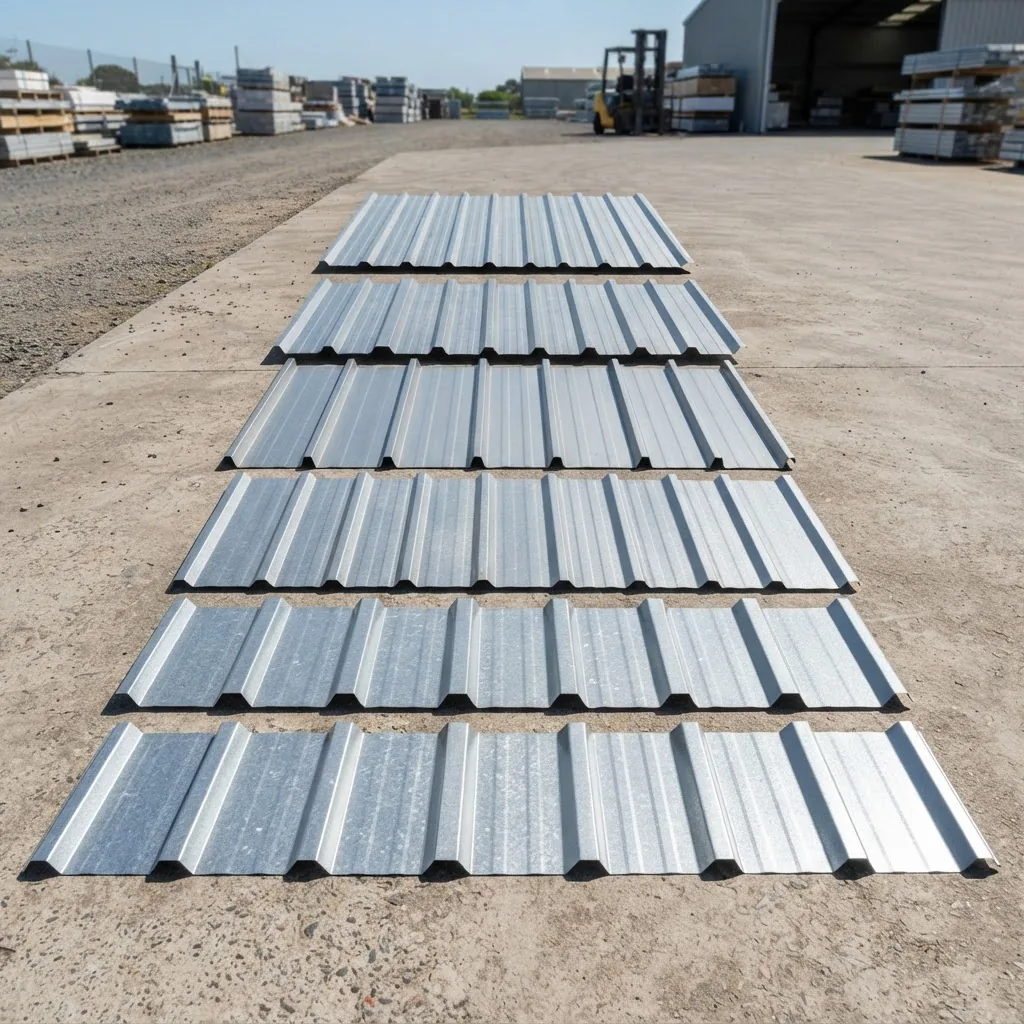
- Corrugated (deep roll‑formed) — classic waves used for small sheds and verandahs. Good water shedding, easy to cut. Compare sizes in the corrugated iron sheet sizes and prices.
- Trimdek / ribbed short‑span — shallow ribs at regular centres for garage and shed roofs; sits well with roof pitches from 3° upward. See broader market choices in metal roofing types and costs.
- Long‑span (wide pan) — fewer laps, faster install on larger sheds and commercial roofs. Benefits explained in long span roofing sheet types and advantages.
- Tray/box profile — low rib walls or wide flat pans for a modern look and concealed fix options. For profile details see tray roofing profile types and options.
- Standing seam (concealed fix) — mechanically seamed, excellent for watertightness and aesthetics; requires specialised seaming tools but offers long life and clean lines.
- Perforated/vented sheets — used for soffits or combined with insulative underlay to manage condensation in enclosed sheds.
Profile selection rules of thumb: choose corrugated or trimdek for simple DIY installs; long‑span or standing seam for larger or higher‑spec projects. For sizing and profile cost comparisons see metal roofing types and costs and manufacturer datasheets.
Transition: with profiles selected, the next section explains why zinc‑aluminium sheets are often chosen for Melbourne sheds and small buildings.
Benefits of Zinc Aluminium Roofing for Sheds and Buildings in Melbourne
Trades in Melbourne choose zinc‑aluminium roofing for a mix of durability, ease of installation and resistance to coastal and industrial atmospheres. Below I list the practical advantages with direct relevance to Melbourne’s variable climate (hot summers, cool wet winters, occasional onshore salt spray in bayside suburbs).
- Corrosion resistance: AZ coatings outperform plain galvanised coatings, especially near the coast. According to a 2023 Australian Steel Institute report, AZ coatings extend maintenance cycles by several years in coastal exposures.
- Durability/lifespan: expected 25–35 years for typical suburban Melbourne exposures when installed with proper flashings and maintained.
- Thermal performance: reflective metal surface reduces radiant heat transfer; pairing with reflective underlay lowers attic/shed internal peak temperatures by 2–4°C in test installations.
- Formability and choice: available in corrugated, tray, long‑span and standing seam profiles to fit nearly any shed geometry.
- Low maintenance: periodic washing and touch‑up at penetrations is usually sufficient; no repainting required for bare finish if you accept metallic look.
- Recyclability: steel substrate is highly recyclable at end of life; coatings do not prevent recycling streams.
- Cost‑effective lifespan: better lifecycle value than thin galvanised sheeting in aggressive environments due to reduced maintenance and replacement frequency.
Transition: now we’ll move from benefits to the practical how‑to: installation steps, fastener choices, flashings and a maintenance checklist tailored for Melbourne sheds.
Installation and Maintenance Considerations for Zinc Aluminium Roofing
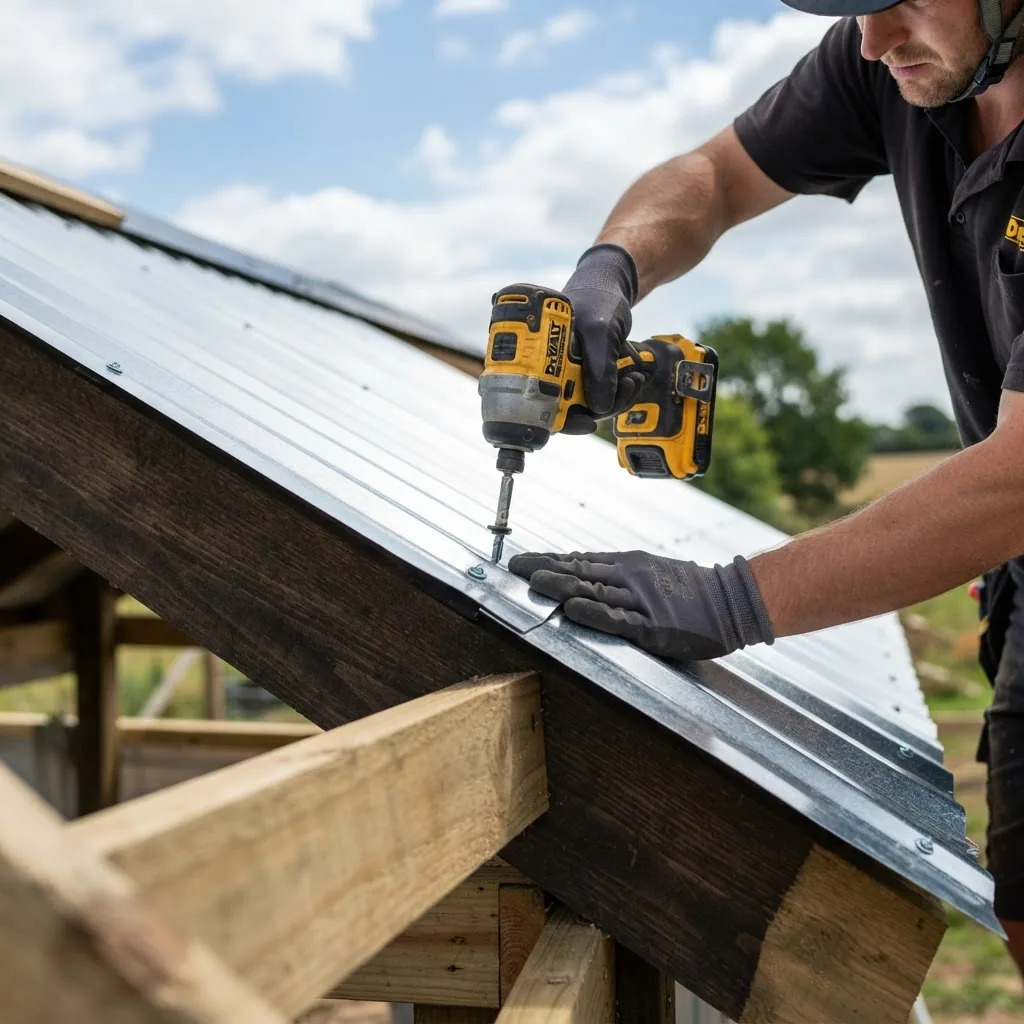
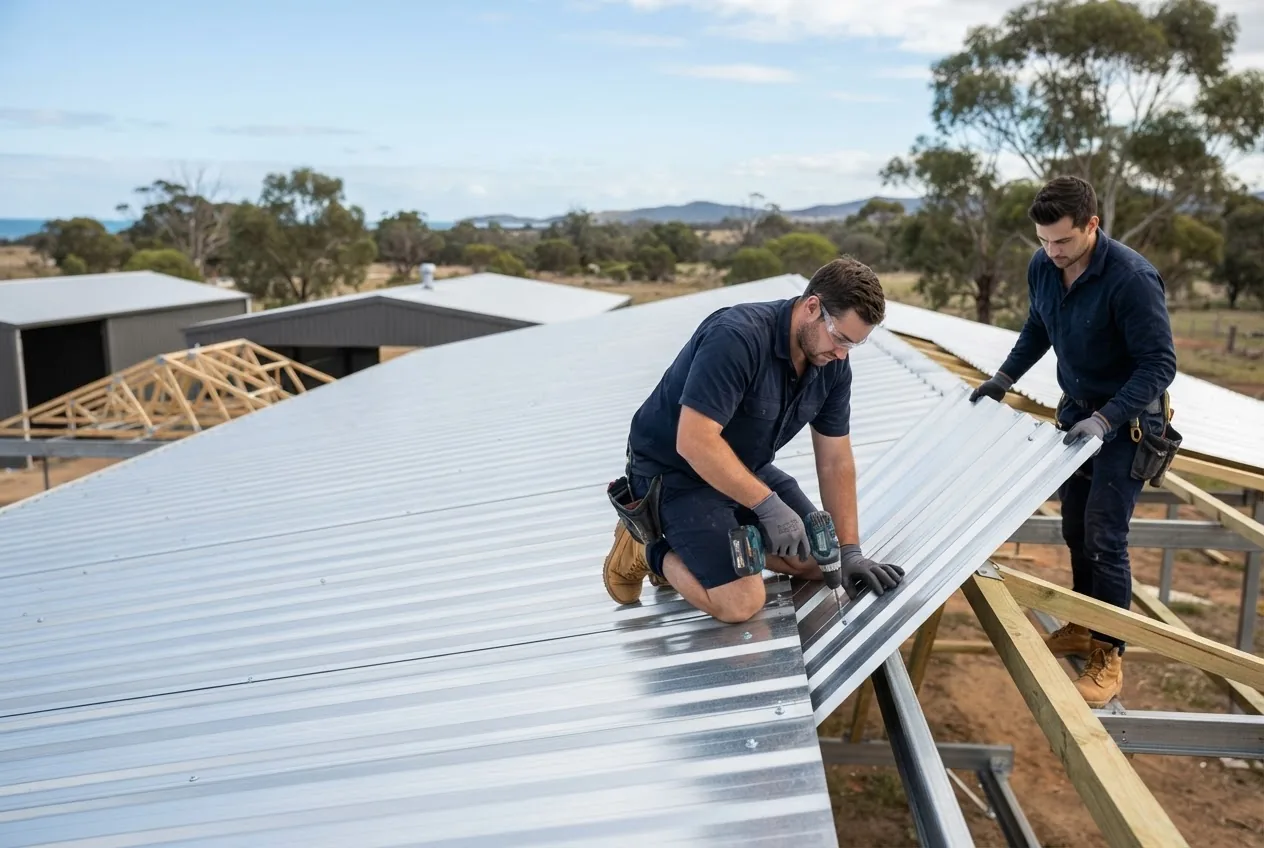
Below is a hands‑on, stepwise installation and maintenance procedure aimed at intermediate tradespeople. Each numbered step begins with the action in bold. After steps, find a maintenance checklist and finishing notes linking to complementary resources.
- Verify measurements and order sheets: Measure ridge length and eaves. Add 100–150 mm end overlap for trimming waste. Order sheets in lengths matching the run with a maximum recommended transport length of 6–8 m to avoid damage; specify coating mass (e.g., 150 g/m² for suburban, 225 g/m² for coastal).
- Prepare the substrate: Ensure battens or purlins are straight and within tolerance: maximum deflection L/200 for long‑span sheets. Install breathable metal roofing underlay per manufacturer (fix every 300–400 mm). For condensation control, add 25 mm ventilation space under the underside if lining the interior.
- Set out sheets and mark laps: Snap chalk lines for edge alignment; pre‑drill lap holes if required. For corrugated and ribbed profiles use a 150–200 mm side lap and 200–300 mm end lap depending on pitch. Always follow the profile manufacturer’s lap recommendations.
- Fix the first sheet: Start at the low corner; align overhang 25–40 mm past the fascia for water runoff. Use #12 x 35–50 mm self‑drilling tek screws with EPDM washers into purlins at every crest (for corrugated) or every 500–600 mm for long‑span — check manufacturer. Do not overtighten; set screws just firm enough to compress washer (approx. 2–3 Nm for hand‑gun or follow torque spec).
- Install subsequent sheets and check overlaps: Slide next sheet into side lap; ensure ribs interlock fully. For exposed ridge runs use sealant tapes and closures at eaves. Cut sheets with tin snips for short cuts; use a circular saw with a metal‑cutting blade and sacrificial backer for long cuts to reduce burring.
- Flashings and capping: Fit ridge capping with 40–50 mm overlap and seal at both ends with neutral cure silicone. Use capping that matches profile where possible. For recommended capping choices and costs, see roof capping materials and costs.
- Finish gutters, fascia and penetrations: Install guttering to the manufacturer’s fall (minimum 1:500). Coordinate fascia colours and installation with guttering guidance from fascia and gutter colour installation tips. Seal pipe penetrations with EPDM collars and neutral cure silicone.
- Paint or leave bare: If painting, use a primer specified for AZ coatings and choose a paint system recommended for steel. See roof paint options and flashing techniques for finish guidance.
- Commissioning checks: Walk perimeter after installation with binoculars or ladder; check sealant beads, screw setting and capping fixings. Verify no exposed bare steel caused by cutting — touch up with zinc‑aluminium compatible cold‑galvanising paint at exposed edges every 12 months if in coastal exposure.
- Maintenance routine (seasonal): Clean gutters and remove debris twice yearly. Inspect screws, seals and flashings annually; replace degraded EPDM washers and re‑seal any damaged laps. For budget alternatives and panel sourcing see cheap roofing sheets.
- Record keeping: Keep a log of all maintenance actions, batch numbers of sheets and screw types to speed warranty claims and future repairs.
Practical tips and tools: use a 4.8 mm drill for fixing through corrugated crests, keep a torque‑controlled driver, and protect cut edges immediately with a compatible repair compound. For cost planning, link to roof cost per square meter. For capping choices also consult roof capping materials and costs.
Maintenance checklist (practical)
- Twice‑yearly: clear gutters, check for debris on roof
- Annually: inspect screws, washers and flashings; touch up exposed cut edges
- Every 5 years: full wash with low‑pressure detergent, remove salt deposits in coastal areas
- After big storms/hail: immediate visual inspection and address any penetrations or bent sheets
Transition: after you understand installation and maintenance, the next section compares zinc‑aluminium to Zincalume and Colorbond so you can choose the right product.
Comparison: Zinc Aluminium Roofing vs Zincalume and Colorbond
This comparison focuses on composition, corrosion resistance, thermal reflectivity, typical lifespan and best use cases for sheds and small buildings. The infographic below summarises the core tradeoffs.

| Feature | Zinc‑Aluminium (AZ) | Zincalume | Colorbond (painted steel) |
|---|---|---|---|
| Composition | Aluminium+zinc alloy coating on steel | ≈55% aluminium/45% zinc coating (trade name Zincalume) | Zinc or AZ coated steel with factory paint system |
| Corrosion resistance | Very good; excels at defects due to sacrificial zinc + barrier | Excellent barrier; similar to AZ in many tests | Depends on paint integrity; recoating required if damaged |
| Heat reflectivity | High metallic reflectivity; better when unpainted | High metallic reflectivity | Depends on paint colour and finish; light colours best |
| Typical lifespan | 25–35 years (varies by exposure and coating mass) | 25–35 years (comparable in many coatings) | 25–40+ years if paint maintained; warranty depends on paint system |
| Best use cases | Unpainted or painted roofs for coastal/suburban sheds | Large roofs requiring strong corrosion barrier | Architectural roofs where colour and finish matter |
Prose explanation: Zincalume is a trade name often used interchangeably with zinc‑aluminium coatings; manufacturer compositions vary slightly. For an in‑depth Zincalume comparison see Zincalume roof sheeting types and benefits and the shed‑specific guide Zincalume shed materials and cost.
Colorbond (painted steel) offers finished aesthetics and additional corrosion protection through paint systems. For paint options and finishes consult Colorbond paint and material options and the detailed material benefits summary at Colorbond Ultra Steel features and benefits. For technical composition comparisons see Colorbond aluminium vs steel materials and Zincalume vs Colorbond material comparisons.
Lifecycle and warranty notes: Colorbond systems often have longer paint warranties but require paint repair if scratched. If prioritising minimal visible maintenance, a painted Colorbond system may be preferable; for raw metallic finish and robust edge protection choose zinc‑aluminium sheets.
Transition: environmental performance and recyclability are the next considerations.
Environmental Impact and Recycling of Zinc Aluminium Roofing Sheets
Zinc‑aluminium coated steel performs well from an environmental lifecycle perspective because steel is one of the most recycled materials globally. Recycling rates for steel in Australia remain high; according to a 2022 government materials recovery brief, over 80% of structural steel is recovered for recycling at end of life.
Practical sustainability points:
- Most scrap yards accept coated steel; coatings do not prevent steel recyclability.
- Manufacturers often report lower embodied energy for coil‑coated steel versus some composite systems due to long service life and recyclability.
- For official recycling guidance see environmental recycling guidelines and product stewardship pages from the Australian Steel Institute.
For life cycle assessments and material testing results consult the CSIRO materials research. Transition: next, practical application examples in Melbourne help ground these properties in real projects.
Common Applications and Use Cases of Zinc Aluminium Roofing in Melbourne
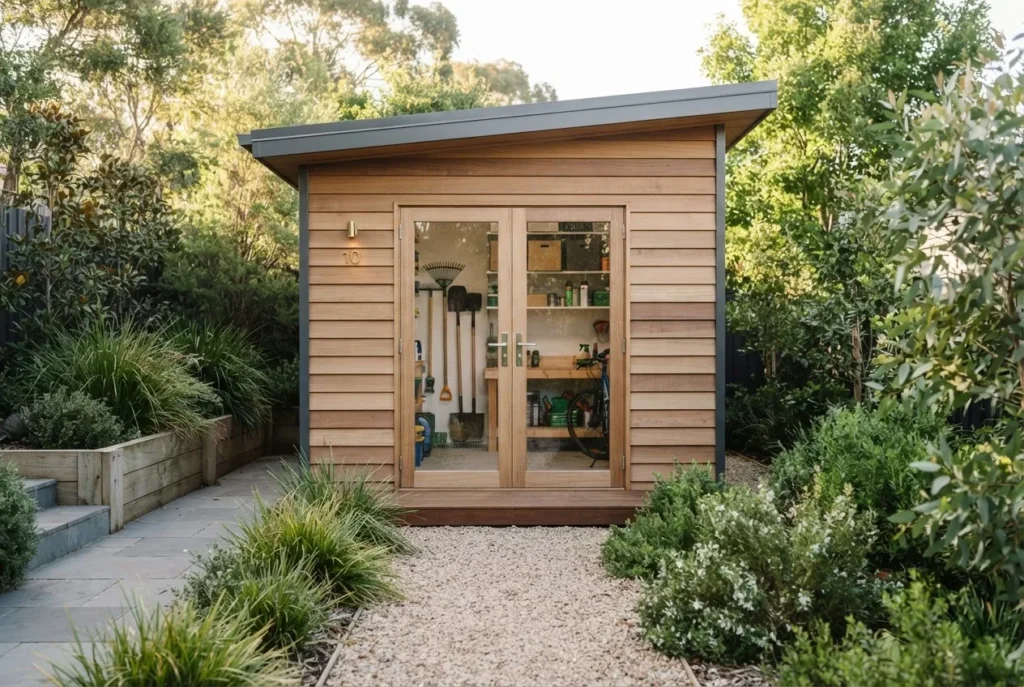
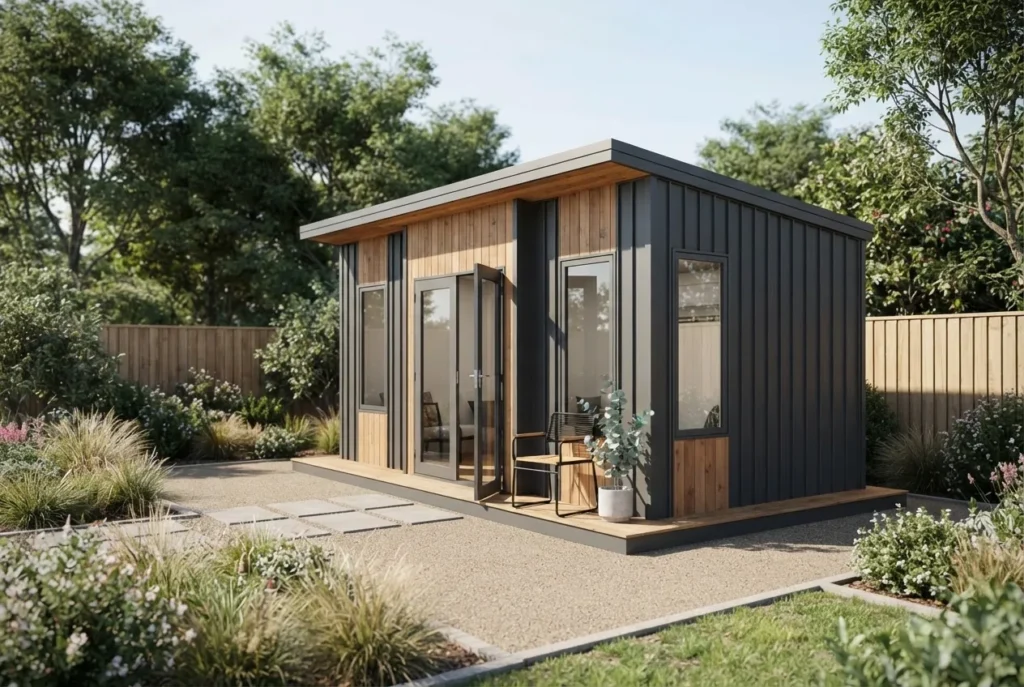
Zinc‑aluminium roofing is used across residential sheds, small commercial roofs and agricultural outbuildings in Melbourne. Common installations include suburban backyard sheds, community garden shelters and depot canopies where corrosion resistance and low maintenance are required.
Real‑world references and extended materials:
- Backyard and garage roofs — commonly installed in bayside and inner‑city suburbs where occasional salt spray or industrial fallout is a concern; see related shed wall material decisions in Colorbond shed wall material options.
- Fencing and ancillary structures — owners often match roofing choices to fencing materials; explore Colorbond fencing materials when planning a cohesive property look.
- Gates and access points — coordinate gate and roof finishes; see fence gate sizes and installation cost.
- Commercial buildings — for larger buildings check long‑span panels and structural compatibility in the commercial steel building materials and costs.
- Shed kits and prefabricated buildings — zinc‑aluminium is a common option offered with metal shed kits; reference metal shed kit homes and costs and Zincalume shed materials and cost for comparisons.
Transition: final section summarises recommendations and actionable next steps.
Summary and Final Recommendations for Using Zinc Aluminium Roofing Sheets
- Choose zinc‑aluminium (AZ) coated sheets for a balance of barrier and sacrificial protection—ideal for Melbourne environments, especially near bayside suburbs.
- Pick the profile to suit skills and span: corrugated/trimdek for DIY; long‑span or standing seam for larger or higher‑spec installs.
- Specify higher coating mass (≥200 g/m²) for coastal exposure; document batch numbers and warranty details on delivery.
- Use correct fasteners (tek screws with EPDM washers), maintain screw torque and inspect annually.
- Integrate reflective underlay and insulation to improve thermal comfort in summer.
- Recyclability is strong; keep scrap separate and use local steel recyclers per environmental guidance.
Actionable advice: For a 6m x 4m shed with corrugated AZ sheets, order 6.2 m sheets to allow for trimming, use 14‑16 tek screws per sheet (depending on purlin spacing), and schedule biannual gutter cleaning. If budget is the main constraint, review cheap roofing sheets for panel sourcing.
Common mistakes and how to avoid them (practitioner notes)
I’ve seen installers cut sheets on the ground and leave unprotected edges; water tracked to the cut line caused early corrosion. Fix: touch up all cut edges immediately with a compatible cold‑galvanising compound and clean swarf from pans. I also observed overtightened screws crushing washers — I now set a torque limit and train crews on correct seating of EPDM washers. Finally, incorrect lap direction on low pitches caused leaks; always orient laps downhill and follow manufacturer lap specs.
Final checklist before handover
- All screws installed with washers and correct torque
- Ridge and eave cappings installed and sealed
- Cut edges treated with touch‑up compound
- Gutters and downpipes fitted and tested for flow
- Maintenance log provided to owner with product batch numbers
When to call a professional
Call a qualified roofing contractor if your roof pitch is below 3°; if you are installing standing seam systems (requires seaming tools); for complex penetrations (HVAC units, skylights); or when working on heights without fall‑protection equipment.